
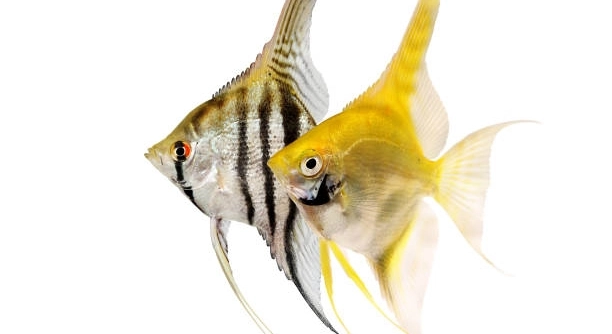
Are your angelfish not living as long as you expected, leaving you unsure about what could be causing the issue? Understanding what affects their lifespan can help you create a healthier environment for them.
Several factors can influence the lifespan of angelfish, including water quality, tank size, diet, stress levels, genetics, disease prevention, and proper tankmates. Paying attention to these elements can significantly improve their longevity and overall well-being.
Recognizing these influences can help you make informed changes that benefit your angelfish and lead to a more stable aquarium.
Poor Water Quality
Clean water is essential for your angelfish’s health. Dirty or unstable water conditions can lead to stress, disease, and early death. Regular water changes, filter maintenance, and water testing are necessary to maintain a balanced aquarium. High ammonia or nitrite levels, low oxygen, and drastic pH changes harm their immune systems. Make sure the tank is fully cycled before introducing angelfish. Keep nitrates below 40 ppm, and perform partial water changes weekly. Use a reliable test kit to monitor parameters. Avoid overfeeding, as uneaten food quickly spoils the water. Consistency in maintenance keeps the environment safe.
Poor water quality weakens the immune system and encourages harmful bacteria, making angelfish more likely to get sick and die early.
Angelfish thrive in stable, clean conditions. If the tank is neglected, even short-term imbalances can affect their health. Frequent checks and a simple maintenance routine reduce the chances of problems. A healthy tank means a longer life.
Inadequate Diet
Improper feeding shortens the lifespan of angelfish by depriving them of nutrients and weakening their immune system.
A balanced diet is key to strong angelfish. Flake food alone doesn’t provide enough variety. Combine high-quality flakes or pellets with frozen or live options like brine shrimp or bloodworms. This mix helps meet their protein needs and supports growth. Feed them twice a day in small amounts they can finish within a few minutes. Overfeeding leads to waste buildup and poor water quality, while underfeeding causes malnourishment. Avoid feeding the same thing daily, as it can result in deficiencies. A nutritious diet encourages vibrant color, smoother growth, and better resistance to illness. Rotate their food sources weekly to keep meals varied and balanced. Consistency and variety work together to maintain their health. Feeding them the right way not only supports longevity but also improves their quality of life.
Overcrowded Tank
Angelfish need space to swim and grow. Keeping too many fish in one tank causes stress, increases waste, and leads to territorial aggression. Overcrowding also makes it harder to maintain water quality and monitor each fish’s health.
When tanks are overstocked, oxygen levels drop and waste builds up faster than the filter can handle. Angelfish become more aggressive when they lack personal space, especially during breeding. This leads to constant chasing, nipped fins, and even injuries. A stressed angelfish is more prone to illness and will not live as long. Stick to one angelfish per 10 gallons, and increase that number if keeping them with tankmates. Space is just as important as clean water when it comes to health and longevity. Choosing the right tank size and stocking levels makes a big difference.
Crowding makes it harder to observe each fish’s behavior and catch early signs of disease. With too many fish, feeding becomes inconsistent, and weaker fish may not get enough. It also becomes difficult to maintain stable water parameters, as small spikes in ammonia or nitrites happen faster. Angelfish may hide or act out when stressed, which lowers their immune response. Giving them space supports better growth, calmer behavior, and longer life.
Stress from Aggressive Tankmates
Aggressive tankmates can cause constant fear and anxiety in angelfish. This level of stress reduces their immune response and shortens their life, even if other tank conditions seem fine. Compatibility is key when choosing tankmates.
Angelfish are semi-aggressive and do best with peaceful species that won’t nip fins or invade their space. Fast, nippy fish like barbs or territorial cichlids often harass angelfish. This triggers constant defensive behavior, interrupts feeding, and creates tension in the tank. Over time, these interactions wear them down. Pairing them with calmer fish like corydoras or tetras helps reduce daily stress. Watch for signs like hiding, color fading, or not eating—these may point to ongoing conflict. Remove problem fish or rearrange tank decor to break up aggression patterns. Every fish in the tank plays a role in angelfish health, and the wrong combination can quietly damage their quality of life. Choosing the right companions helps them live longer and stay healthy.
Genetics and Breeding History
Some angelfish are more prone to health problems due to poor breeding practices. Fish bred from weak or overly inbred lines may have shorter lifespans. These angelfish often show slower growth, poor coloration, and lower resistance to disease compared to those from strong, healthy stock.
Selecting angelfish from reputable breeders helps avoid inherited weaknesses. Well-bred angelfish tend to be more robust and adapt better to home aquariums. Avoid fish with visible deformities or signs of lethargy, as these may point to underlying genetic issues. Quality breeding matters as much as care after purchase.
Disease and Parasite Exposure
Angelfish can get sick when exposed to parasites, bacteria, or viruses—especially if new fish are added without quarantine. Visible signs like clamped fins, discoloration, or loss of appetite often appear after exposure. Keeping a clean tank, maintaining good water quality, and quarantining new arrivals helps prevent many common illnesses.
Inconsistent Tank Maintenance
Skipping water changes or delaying filter cleanings causes waste buildup and stress. Poor maintenance habits lead to unstable conditions that harm angelfish health. Keeping up with a regular routine supports their immune system and gives them a better chance at a longer life.
FAQ
How long do angelfish usually live in a home aquarium?
Angelfish typically live between 8 to 10 years in a well-maintained home aquarium. Their lifespan depends on several factors, including water quality, diet, tank mates, and genetics. Some may live longer with proper care and stable conditions. Avoiding stress and keeping their environment clean supports a healthier, longer life.
Can angelfish live alone, or do they need companions?
Angelfish can live alone, but many do well in groups if the tank is large enough. They are semi-social but also territorial, especially during breeding. If you keep more than one, ensure there is enough space and hiding areas to reduce aggression and stress between fish.
How often should I feed my angelfish?
Feed angelfish twice a day in small amounts they can finish within two minutes. Overfeeding leads to water quality issues and health problems. A mix of flakes, pellets, and frozen or live food helps meet their nutritional needs without causing digestive issues or leftover food buildup.
What temperature is ideal for angelfish?
Angelfish prefer water temperatures between 76°F and 82°F. Keeping the tank within this range helps support metabolism, immune response, and activity levels. Avoid sudden changes or drops in temperature, as they can cause stress and lead to illness or behavioral problems in otherwise healthy fish.
Do angelfish need a heater in their tank?
Yes, most angelfish tanks need a heater to maintain a steady temperature. Unless your room is consistently warm, water can fluctuate too much without one. A reliable aquarium heater keeps the tank stable and avoids stress caused by temperature swings that weaken angelfish over time.
How do I know if my angelfish is stressed?
Signs of stress include hiding, loss of appetite, faded color, clamped fins, or erratic swimming. These signs may appear if the tank is overcrowded, the water quality is poor, or aggressive fish are present. Stress lowers immunity, making it easier for diseases to take hold.
What diseases are angelfish prone to?
Angelfish can develop fin rot, ich, internal parasites, and fungal infections. Most are linked to poor water conditions or stress. Early signs include white spots, frayed fins, bloating, or sluggish movement. Quick treatment and improved tank maintenance usually help, but prevention is the best approach.
Should I quarantine new fish before adding them to an angelfish tank?
Yes, always quarantine new fish for at least two weeks. This helps prevent the spread of parasites or infections. Even healthy-looking fish can carry diseases. A separate tank lets you monitor them for any signs before they join your main setup with angelfish.
Can angelfish be kept with other types of fish?
Yes, but choose tankmates carefully. Avoid aggressive or fin-nipping species like barbs. Peaceful fish such as corydoras, certain tetras, and gouramis are often good companions. Make sure all fish have enough space and hiding spots to avoid conflict and reduce daily stress levels.
Do angelfish breed easily in home tanks?
Angelfish can breed in home tanks when conditions are right. A bonded pair may clean a flat surface and lay eggs. However, breeding requires stability, clean water, and sometimes separation from other fish to keep eggs safe. Not all angelfish pairs will breed successfully without stress-free conditions.
How big do angelfish get?
Angelfish can grow up to 6 inches long and 8 inches tall, including their fins. Their size depends on diet, genetics, and tank conditions. A spacious tank allows for better growth and reduces stress from limited swimming space or competition with other fish.
Why are my angelfish fighting?
Fighting usually happens due to overcrowding, breeding behavior, or competition for territory. Angelfish are territorial and may become aggressive if they feel threatened. Adding hiding spots, increasing tank size, or rearranging decor can help reduce these conflicts and create a calmer environment.
Is it normal for angelfish to lose color sometimes?
Temporary color loss can happen due to stress, illness, or environmental changes. If the issue continues, check water conditions and monitor for other signs of illness. Healthy angelfish typically regain their color once stress is reduced and conditions return to normal.
Final Thoughts
Taking care of angelfish means more than feeding them and watching them swim. These fish need a stable environment, proper food, and regular care to live a full and healthy life. Simple steps like doing regular water changes, checking your filter, and feeding the right amount can make a big difference. Paying attention to small changes in behavior or appearance also helps you catch problems early. If you notice something off, addressing it quickly may help avoid bigger issues later. A little consistency and care every day helps angelfish stay active and live longer.
Choosing healthy angelfish from the start matters too. Some fish have shorter lifespans because of how they were bred. Picking fish from strong lines and watching for signs of weakness when buying can reduce the risk of problems later on. Also, not all fish get along with angelfish. Mixing the wrong types can lead to stress or fighting, which shortens their lifespan. Keeping angelfish with peaceful tankmates, giving them enough space, and watching their interactions can help create a calmer tank. When angelfish feel safe, they are less likely to get sick or stressed.
Everything from water temperature to tank cleanliness affects how long your angelfish will live. While no one can control every outcome, simple habits go a long way. Set a regular cleaning schedule, avoid sudden changes in their environment, and feed them a balanced diet. It’s not about doing anything fancy—it’s about keeping things steady. Healthy angelfish often show it in their color, behavior, and appetite. They respond well when you take the time to meet their needs. Even though problems can happen, many can be avoided or managed with basic care. Being mindful of what impacts their health helps your angelfish live their best life in your aquarium.

Hello,
If you enjoy the content that we create, please consider saying a "Thank You!" by leaving a tip.
Every little bit helps us continue crafting quality advice that supports the health, happiness, and well-being of pets around the world, for pets of all shapes, sizes, and species.
We really appreciate the kindness and support that you show us!