
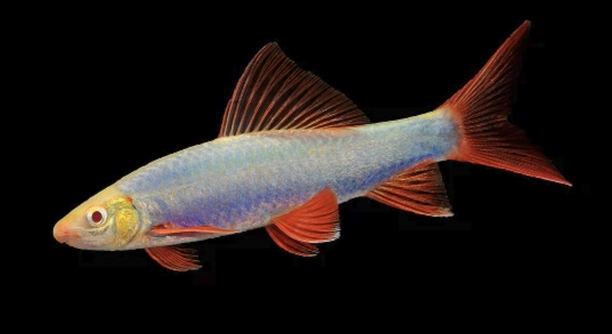
Is your rainbow shark acting skittish, hiding more than usual, or refusing to eat? These signs could point to stress, which is common in aquarium fish when their environment isn’t quite right.
The best way to help your rainbow shark feel less stressed is by improving tank conditions, minimizing aggression from other fish, and maintaining a consistent routine. Stability in water parameters and environment is key to reducing stress-related behaviors.
There are a few simple changes that can make a big difference in how safe and comfortable your rainbow shark feels every day.
Provide Enough Hiding Spaces
Rainbow sharks need places where they can retreat and feel safe. Without proper hiding spots, they may become territorial, aggressive, or anxious. In their natural habitat, these fish use rocks, caves, and plants for cover. Mimicking this environment in your tank can help reduce stress. Use smooth rocks, PVC pipes, driftwood, or aquarium-safe caves to build comfortable hiding areas. Adding tall plants or decorations can also block line-of-sight and give your rainbow shark more privacy. This setup not only helps them feel more secure but also keeps their behavior balanced. Avoid overcrowding the tank with decorations—leave enough space for swimming too. A stressed rainbow shark may become more aggressive, so creating peaceful zones is a good way to support calm behavior.
A few well-placed hiding spots can make a big difference in how your fish behaves. They need areas to feel secure without constant visibility or interference.
When your rainbow shark has access to hiding spaces, it tends to explore more confidently. These shelters allow them to recharge and stay calm when feeling threatened or overstimulated. Even if they don’t use the hiding spots all the time, knowing they are available helps them feel in control of their environment. This can ease stress and reduce defensive behavior.
Keep Tank Mates Peaceful
Rainbow sharks do not always get along with others. Keeping them with peaceful fish is very important. Avoid placing them with other bottom-dwellers or similar-looking species, as this can cause fights.
A peaceful tank helps reduce stress for your rainbow shark. Fish that constantly chase or compete with them can trigger defensive behavior, and over time this adds to stress levels. The best tank mates are fast-swimming fish that stay in the upper or middle levels of the aquarium. Good examples include barbs, danios, or rasboras. Avoid housing them with other rainbow sharks or similar species like red-tailed sharks. If aggression starts, rearranging the tank decorations can sometimes break territorial habits. A larger tank—at least 55 gallons—gives your rainbow shark more space to claim its own area and helps reduce conflict. It’s also important not to overstock the tank. Fewer, well-chosen tank mates create a calm setting where your rainbow shark can thrive.
Maintain Stable Water Conditions
Fluctuating water conditions can make your rainbow shark feel uneasy. Sudden changes in temperature, pH, or ammonia levels often lead to stress, illness, or behavioral changes. Keeping everything stable helps your fish feel secure in its environment.
Use a reliable aquarium thermometer and heater to keep the water temperature between 75°F and 81°F. Make sure the pH stays steady, ideally between 6.5 and 7.5. Sudden shifts in water quality—like spikes in ammonia or nitrite—can stress your fish even if they aren’t immediately visible. Always use a water test kit weekly to track parameters. Change 20–25% of the tank water weekly with treated, temperature-matched water. Avoid overfeeding, which can foul the tank quickly. Consistent maintenance makes a big difference in keeping your rainbow shark healthy.
Even if everything looks fine from the outside, poor water quality can cause internal stress. Rainbow sharks are sensitive to subtle imbalances. You might notice them swimming erratically, breathing rapidly, or hiding more often when something’s off. Regular testing and small, routine changes are more effective than reacting to a problem after it appears. Keeping everything balanced and predictable will help your fish stay calm and active. A well-maintained tank sets the stage for steady behavior and long-term health.
Limit Loud Noises and Sudden Movements
Rainbow sharks are alert and responsive to their surroundings. Sudden taps on the glass, loud music, or frequent movement near the tank can scare them and cause hiding or aggressive behaviors. A quiet, steady space helps them feel at ease.
Place the aquarium away from busy doorways, speakers, or high-traffic areas. Avoid tapping the tank or making loud noises close by. If your tank is in a shared space like a living room, try placing a background on one side of the glass to block motion and light. Use a consistent light schedule—no sudden switches from dark to bright. These small details can really influence your rainbow shark’s comfort. Fish may not show stress the way other pets do, but repeated exposure to a chaotic environment takes a toll. A peaceful area leads to a more stable and relaxed fish.
Avoid Overcrowding the Tank
Too many fish in one tank can create stress for your rainbow shark. They need space to move and claim their own territory. Crowded tanks also lead to poor water quality and more aggression.
Stick to the recommended tank size of at least 55 gallons for one rainbow shark. Avoid adding too many other fish, especially bottom-dwellers.
Feed a Balanced Diet
Feeding your rainbow shark a variety of foods helps keep it healthy and less stressed. Stick to high-quality sinking pellets made for bottom-feeding fish. You can also offer blanched vegetables like zucchini or spinach once or twice a week. Occasionally, add frozen or live treats like bloodworms or brine shrimp. This mix supports natural foraging behavior and provides essential nutrients. Avoid overfeeding, which can harm both water quality and the fish’s health. Feed small portions once or twice daily and remove any uneaten food after a few minutes. A balanced diet can improve energy, color, and stress resistance over time.
Keep a Regular Light Schedule
Too much light or inconsistent lighting can stress your rainbow shark. Aim for 8–10 hours of light daily and turn it off at the same time each evening. Use a timer to help maintain a predictable rhythm.
How can I tell if my rainbow shark is stressed?
Signs of stress in a rainbow shark include hiding more than usual, loss of appetite, erratic swimming, and faded color. You might also notice aggression toward other fish or a sluggish attitude. These behaviors often indicate the fish is uncomfortable or reacting to its environment.
What are the common causes of stress in rainbow sharks?
Stress usually comes from poor water quality, aggressive tank mates, overcrowding, or lack of hiding places. Sudden changes in water temperature or pH can also trigger stress. Excessive noise or bright, inconsistent lighting may contribute as well.
How often should I test my aquarium water?
It’s best to test your water weekly. Check parameters like ammonia, nitrite, nitrate, pH, and temperature. Keeping these stable prevents stress and illness in your rainbow shark. Regular testing helps catch problems before they get serious.
Can water changes help reduce stress?
Yes, performing partial water changes of 20–25% weekly helps maintain good water quality. It removes toxins and keeps the environment stable. Be sure to use water that is treated and matches the tank temperature to avoid shocking your fish.
What tank size is ideal for a rainbow shark?
A minimum of 55 gallons is recommended for one rainbow shark. They are active swimmers and need space to establish territory. Larger tanks reduce stress by limiting conflicts with other fish and providing room to explore.
Are rainbow sharks aggressive toward other fish?
They can be territorial, especially toward similar species or other bottom dwellers. Keeping peaceful, fast-moving fish in the upper levels helps reduce aggression. Avoid housing multiple rainbow sharks together unless the tank is very large.
What kind of hiding spots does a rainbow shark prefer?
They like caves, rocks, driftwood, and dense plants to retreat and feel safe. Providing several hiding places gives them control over their space and reduces stress caused by feeling exposed or threatened.
Is diet important for stress reduction?
Absolutely. A balanced diet with sinking pellets, occasional vegetables, and protein treats supports overall health and resilience. Overfeeding or poor nutrition can weaken your fish and increase stress.
Can loud noises affect my rainbow shark?
Yes, loud sounds and sudden movements can startle your fish. Keeping the tank in a quiet area away from heavy foot traffic and loud appliances helps maintain a calm environment.
How does lighting affect stress in rainbow sharks?
Too much or inconsistent lighting disrupts their natural rhythm and can cause stress. A regular light schedule of 8–10 hours a day with a timer helps maintain stability and supports healthy behavior.
What should I do if my rainbow shark shows signs of stress?
First, check water parameters and tank conditions. Make sure the tank isn’t overcrowded and that tank mates are peaceful. Provide more hiding spots and reduce noise or disturbances around the tank. Adjust the light schedule if needed. If signs continue, consult a vet or aquarium specialist.
Can temperature changes cause stress?
Yes, rainbow sharks prefer water between 75°F and 81°F. Sudden shifts outside this range can cause stress and health problems. Use a heater and thermometer to keep temperature steady.
Is it okay to keep multiple rainbow sharks together?
Generally, it’s not recommended unless you have a very large tank. They are territorial and may fight, causing stress and injury. If housing more than one, provide ample space and plenty of hiding areas to minimize conflicts.
How important is tank maintenance for stress prevention?
Regular tank maintenance, including cleaning, water changes, and monitoring water quality, is essential. Neglecting this can lead to poor conditions that increase stress and disease risk.
What behavior shows a happy rainbow shark?
A healthy rainbow shark swims actively, explores the tank, and shows bright colors. It eats well and interacts peacefully with tank mates. These signs indicate it feels comfortable and unstressed.
Helping your rainbow shark feel less stressed is important for its health and happiness. These fish respond strongly to their environment, so small changes can make a big difference. By paying attention to water quality, tank setup, and their behavior, you can create a space where your rainbow shark feels safe and comfortable. Stress can cause illness and shorten their lifespan, so it is worth taking steps to reduce it as much as possible.
Maintaining a clean, stable tank with the right temperature and water parameters is one of the most effective ways to lower stress. Regular water testing and partial water changes keep the environment healthy and predictable. Providing enough space and hiding spots helps your fish feel secure and less threatened by other tank mates. Avoid overcrowding and aggressive species to reduce tension in the aquarium. These conditions mimic their natural habitat and support calm behavior.
Lastly, paying attention to lighting, noise, and feeding also contributes to your rainbow shark’s well-being. A consistent light schedule and a quiet location reduce stress from sudden changes or disturbances. Feeding a balanced diet with quality pellets and occasional treats supports their health and energy. Together, these simple steps create an environment that promotes a peaceful and thriving rainbow shark. Caring for your fish in this way not only benefits the fish but also makes your aquarium a more enjoyable and rewarding space to observe.

Hello,
If you enjoy the content that we create, please consider saying a "Thank You!" by leaving a tip.
Every little bit helps us continue crafting quality advice that supports the health, happiness, and well-being of pets around the world, for pets of all shapes, sizes, and species.
We really appreciate the kindness and support that you show us!