
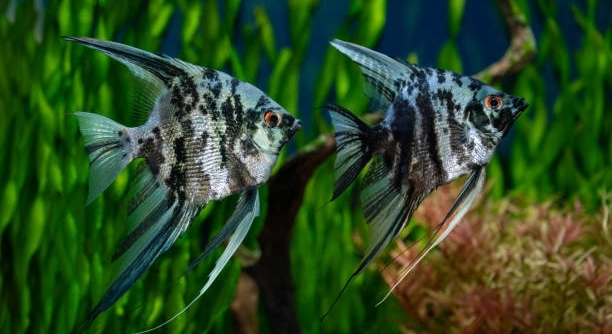
Angelfish, like all pets, can experience stress that affects their health and well-being. When stress occurs, it’s important to identify the cause and take appropriate actions to help them recover and thrive. This article explores helpful strategies.
Angelfish recovery from stress can be supported through proper water conditions, a balanced diet, and minimizing environmental disturbances. Additionally, maintaining a consistent tank temperature and providing hiding spots can help alleviate stress and aid in their recovery process.
Knowing how to address stress in your angelfish will not only improve their health but also enhance their overall well-being in the long run.
Maintain Proper Water Conditions
When it comes to keeping angelfish healthy, water quality is crucial. Stress can be caused by poor water conditions, including dirty tanks or incorrect pH levels. Regular water changes, cleaning the tank, and checking the pH levels should be part of your routine. The water temperature should also stay between 75-82°F (24-28°C) to avoid stressing the fish. Angelfish are sensitive to fluctuations, so try to keep it steady. A high-quality filtration system can help maintain water clarity, reducing the likelihood of stress. Your fish will be healthier, happier, and less likely to become stressed when these conditions are met.
Angelfish are very sensitive to water quality. Monitoring and maintaining a clean tank will make all the difference in their recovery from stress.
A consistent water schedule will not only keep your fish happy but also prevent future stress. A little attention to the water goes a long way in helping them recover and thrive.
Provide a Balanced Diet
Just like humans, angelfish need the right nutrition to stay strong and healthy. Stress can be exacerbated by an improper diet. Providing a varied, balanced diet is essential for angelfish recovery. Include high-quality pellets, frozen foods, and occasional live food. Offering a variety helps meet all their dietary needs and reduces stress by keeping them interested and healthy. Make sure you don’t overfeed, as leftover food can dirty the water, which could add to their stress.
Feeding them a variety of foods ensures they receive the necessary nutrients to thrive. This simple change can help keep them more relaxed.
Your angelfish will thank you for the attention to their diet. Not only will it support their recovery, but it will help them stay active and vibrant in their tank.
Minimize Environmental Disturbances
Angelfish need a calm environment to recover from stress. Loud noises, sudden movements, or other tank inhabitants can create disturbances that increase anxiety. To reduce stress, place the tank in a quiet area of your home, away from traffic or loud activities. Consider limiting access to the tank during particularly noisy times.
Fish are sensitive to their surroundings. Sudden changes or disturbances can trigger stress, hindering their recovery. A peaceful environment, where they feel safe, is essential for their well-being.
You’ll notice that when your angelfish are undisturbed, they swim more confidently and seem more at ease. Keep their habitat calm to foster quicker recovery and better health.
Offer Hiding Spots
Hiding spots provide angelfish with a sense of security, helping them feel protected from potential threats. Adding plants, caves, or decorative rocks allows them to retreat when feeling stressed or threatened. These places serve as personal refuges where they can relax and regain their calm.
Create a setup with enough hiding spots so the fish can find a secure space when needed. It doesn’t need to be overcrowded, but a few options will give them the choice to hide.
Having these spaces gives your angelfish more control over their environment. This reduces anxiety and allows them to recover in a space they feel safe. With proper hiding places, their stress levels should decrease, and they can focus on regaining strength.
Monitor Tank Temperature
Maintaining a consistent water temperature is essential for angelfish recovery. Sudden changes in temperature can lead to stress and discomfort. Aim to keep the temperature between 75-82°F (24-28°C). Use a reliable heater and thermometer to monitor the tank and ensure stability.
Angelfish are sensitive to temperature shifts, so consistency is key. Fluctuations, even if slight, can cause stress and slow recovery.
A stable environment will encourage your angelfish to recover faster and thrive. Keeping the temperature steady reduces stress factors, allowing them to regain strength and feel more at ease.
Use Water Conditioners
Water conditioners help create a safe and healthy environment for your angelfish. They can neutralize chlorine and chloramine, detoxify harmful metals, and reduce ammonia. Using these products will help keep the water safe, especially after tank changes, and can aid in minimizing stress during recovery.
Conditioners improve water quality and protect your fish from harmful chemicals. It’s an easy step to reduce stress and promote better overall health.
Your fish will feel the difference in the water’s clarity and safety. By using conditioners, you ensure their recovery space is clean and secure.
FAQ
What are the signs that my angelfish is stressed?
Common signs of stress in angelfish include erratic swimming patterns, hiding more than usual, loss of appetite, and faded colors. Stress can also cause your angelfish to stop interacting with other tank mates. If your fish displays these behaviors, it’s essential to assess water quality and environmental factors.
How can I help my angelfish feel safer in the tank?
To make your angelfish feel safer, provide hiding spots such as plants, rocks, or caves where they can retreat if needed. Ensure the tank has gentle lighting and reduce loud noises or sudden movements near the aquarium. A calm and secure environment will help your fish recover faster.
Is it normal for angelfish to be aggressive when stressed?
Yes, stress can cause angelfish to become more aggressive, especially towards tank mates. They may display territorial behavior or chase other fish. If aggression persists, consider rearranging the tank layout or separating aggressive fish to prevent further stress.
How long does it take for angelfish to recover from stress?
Recovery time depends on the cause of the stress and the actions you take to help your angelfish. If the environment improves, and proper care is provided, recovery can take anywhere from a few days to a few weeks. Be patient, and continue monitoring your fish closely.
Can water changes help reduce stress in angelfish?
Yes, water changes are crucial in reducing stress. Clean, fresh water ensures that harmful toxins and ammonia do not build up. Changing 20-30% of the water every week can help maintain the ideal conditions for your angelfish. Be sure to match the new water’s temperature and pH to avoid causing additional stress.
Are there specific foods I should feed my angelfish to reduce stress?
A varied diet of high-quality pellets, flakes, and occasional live or frozen foods like brine shrimp or bloodworms can help reduce stress. A balanced diet supports overall health and boosts the immune system, aiding in recovery. Avoid overfeeding, as uneaten food can pollute the tank.
Can I use medications to help my angelfish recover from stress?
Medications should only be used if a specific illness is detected. If the stress is caused by poor water quality or environmental factors, medications are unnecessary. However, if your fish shows signs of illness such as fungal infections or parasites, consult a vet before administering any treatment.
How can I prevent future stress for my angelfish?
Preventing stress in angelfish involves maintaining stable water conditions, avoiding overcrowding, and ensuring a peaceful tank environment. Regularly check for any signs of illness or aggression, and make adjustments as needed. Providing hiding spots, a varied diet, and a quiet atmosphere will go a long way in keeping your fish stress-free.
Can tankmates cause stress to my angelfish?
Yes, certain tankmates may cause stress if they are too aggressive or compete for food. Avoid placing angelfish with overly aggressive fish. If needed, separate any aggressive tankmates and ensure a balanced fish community. Choosing compatible species is key to maintaining peace in the tank.
What should I do if my angelfish stops eating due to stress?
If your angelfish stops eating, check water parameters and reduce any potential stressors. Sometimes, stress can cause a loss of appetite. If the problem persists, try offering different types of food, including live or frozen options. If your fish continues to refuse food, further investigation into its health may be needed.
Can lighting affect the stress levels of angelfish?
Yes, bright or harsh lighting can cause stress for angelfish. Soft, ambient lighting mimics their natural environment and helps them feel more secure. If the lighting in your tank is too bright, consider using lower wattage bulbs or a dimmer to create a more comfortable environment for your fish.
Should I remove stressed angelfish from the tank?
It’s not always necessary to remove a stressed angelfish unless it is showing signs of aggression towards tankmates or if the stress is caused by illness. However, if you feel that the environment is too stressful, consider setting up a quarantine tank where the fish can recover in a more controlled space.
Can overcrowding cause stress in angelfish?
Yes, overcrowding can significantly contribute to stress in angelfish. A cramped tank creates competition for resources, leading to aggression and stress. To prevent overcrowding, make sure the tank size is appropriate for the number of fish. A general rule is one inch of fish per gallon of water.
Does the type of filtration system affect stress levels in angelfish?
Yes, the type of filtration system can impact angelfish stress levels. An inefficient filter may lead to dirty water, increasing stress. Choose a filter that suits the size of your tank, and ensure it is capable of maintaining water quality by providing adequate filtration without creating strong currents, which may also stress your fish.
How can I tell if my angelfish is recovering from stress?
As your angelfish recovers, you’ll notice a return to their normal behavior. They may start swimming more actively, eating again, and interacting with other tankmates. Their colors should become vibrant once more, and any signs of aggression or hiding should decrease. Keep monitoring water conditions to maintain a healthy environment.
Final Thoughts
Angelfish are sensitive creatures, and stress can have a significant impact on their health. By understanding the factors that cause stress, you can take simple steps to help them recover. Ensuring their environment is calm, stable, and free from disturbances is key to reducing their stress levels. Providing hiding spots, maintaining proper water conditions, and offering a balanced diet are essential in creating a safe space for your angelfish. These actions promote recovery and contribute to the long-term health of your fish.
It’s important to remember that each angelfish is unique, and recovery times may vary depending on the severity of stress. Some fish may take a few days, while others may need more time. Patience is crucial during this process. In the meantime, be mindful of their behavior and continue monitoring their environment. This will help you catch any issues early and make necessary adjustments. If needed, seek advice from an aquarium expert or veterinarian to ensure your fish receives the best care possible.
In conclusion, stress management for angelfish involves more than just immediate fixes; it’s about creating a stable, supportive environment where your fish can thrive. Regular tank maintenance, providing a variety of foods, and keeping the water conditions ideal will ensure that your angelfish remain healthy and happy. By staying observant and proactive, you can help prevent stress in the future and enjoy the beauty of your angelfish for years to come.

Hello,
If you enjoy the content that we create, please consider saying a "Thank You!" by leaving a tip.
Every little bit helps us continue crafting quality advice that supports the health, happiness, and well-being of pets around the world, for pets of all shapes, sizes, and species.
We really appreciate the kindness and support that you show us!