
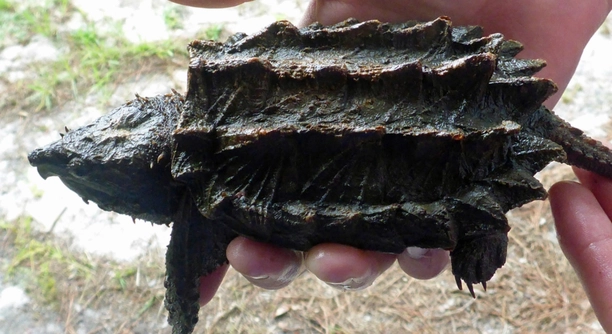
Do you ever find yourself fascinated by the idea of breeding alligator snapping turtles but worry about the challenges that might come with it? These unique reptiles require careful attention, and unexpected problems can arise during the breeding process.
Breeding alligator snapping turtles can be complicated due to factors like improper habitat conditions, inadequate nutrition, aggression between mates, and hatching difficulties. Understanding these potential issues is crucial for ensuring a successful and healthy breeding experience.
From environmental factors to the delicate care of hatchlings, various obstacles can impact the breeding process. Knowing what to expect can help you avoid common pitfalls and improve the chances of raising strong, healthy turtles.
Inadequate Habitat Conditions
Creating the right environment is essential for breeding alligator snapping turtles. They need spacious enclosures with clean, deep water and proper filtration. Water temperature should stay between 75-80°F, and basking areas must be available. Without these conditions, stress and health problems can arise, leading to unsuccessful breeding.
A poorly maintained habitat can cause turtles to become lethargic, develop infections, or refuse to breed. If water quality declines, bacteria and parasites may spread, harming both adults and hatchlings. Keeping the habitat clean and stable is one of the most important steps in breeding these turtles.
Make sure to monitor water parameters regularly and adjust as needed. A strong filtration system helps maintain water quality, while proper lighting and temperature regulation create a comfortable environment. Providing enough space prevents overcrowding, reducing stress and aggression. With the right setup, alligator snapping turtles will be more likely to breed successfully.
Improper Nutrition
A balanced diet is necessary for healthy breeding. Without the right nutrients, turtles may struggle to reproduce, and hatchlings may develop deformities. Providing a variety of foods ensures they get the vitamins and minerals they need.
Alligator snapping turtles thrive on a diet of fish, insects, and small animals. Lack of protein or essential nutrients can weaken their immune system, affecting their ability to breed. Calcium and vitamin D3 are crucial for egg development. A poor diet may result in soft-shelled eggs or low hatch rates.
Feeding live or frozen prey, such as fish and crayfish, keeps their diet natural and nutritious. Supplementing with high-quality turtle pellets ensures they receive necessary vitamins. Avoid feeding too much fatty or processed food, as it can lead to obesity and health issues. A proper diet supports strong reproduction and healthy hatchlings.
Aggression Between Mates
Alligator snapping turtles can be aggressive, especially during breeding. Males may injure females if the enclosure is too small or lacks hiding spots. Without proper supervision, fights can lead to serious wounds, stress, or even death, making breeding difficult.
Separating turtles after aggression occurs can prevent further injuries. Providing a spacious environment with logs, rocks, and underwater shelters helps reduce stress and gives the female a chance to retreat. Watching their behavior closely allows quick intervention if necessary. Some breeders introduce turtles gradually to reduce hostility and increase the chances of successful mating.
Keeping turtles well-fed before pairing them can lower aggression levels. Hunger may cause them to attack each other instead of focusing on breeding. If repeated aggression occurs, it may be best to try a different pair. Ensuring a calm environment makes a big difference in increasing breeding success and preventing injuries.
Hatching Difficulties
Eggs need stable conditions to hatch successfully. If humidity or temperature is too low, embryos may not develop properly. Extreme fluctuations can cause deformities or failed hatching. Keeping the eggs in a controlled incubator with consistent conditions improves hatch rates and helps produce healthy hatchlings.
A temperature of around 80-86°F with 80% humidity is ideal for incubation. Eggs should be placed in a substrate like vermiculite, which retains moisture. Turning the eggs or exposing them to sudden temperature changes can harm the embryos. Checking on them regularly ensures they stay in the best possible environment.
Mold or bacterial infections can destroy eggs before they hatch. Removing any eggs that look discolored or have an unpleasant smell can prevent the spread of disease. If an egg does not hatch on time, giving it a few extra days before discarding it ensures no viable hatchlings are lost.
Parental Neglect
Adult alligator snapping turtles do not care for their eggs or hatchlings. Once eggs are laid, they must be moved to a safe incubation area. Leaving them in the enclosure increases the risk of predation, damage, or exposure to unsuitable environmental conditions.
Hatchlings are vulnerable and need a controlled setup with clean water and proper nutrition. Keeping them in a separate enclosure prevents them from being harmed by larger turtles. Ensuring they have enough space and hiding spots helps reduce stress and promotes healthy growth.
Health Complications
Illnesses can interfere with breeding. Respiratory infections, parasites, and shell rot weaken turtles, making reproduction difficult. Poor water quality, unbalanced diets, and stress increase the chances of health issues. Regular vet checkups and a well-maintained habitat help prevent diseases and keep turtles in good condition for breeding.
Slow Growth in Hatchlings
Hatchlings grow slowly if they do not receive proper nutrition and care. A high-protein diet, clean water, and a warm environment support steady development. Monitoring their weight and activity levels ensures they are thriving.
FAQ
How long does it take for alligator snapping turtles to breed?
Breeding alligator snapping turtles can take a few weeks to a few months. Mating typically occurs in late spring or early summer. After successful mating, females lay their eggs in a nest, which incubates for 2-3 months, depending on temperature and humidity.
What should the water temperature be for breeding?
The water temperature for breeding alligator snapping turtles should be between 75-80°F (24-27°C). Keeping the water in this range encourages natural mating behaviors and ensures the health of the turtles during breeding. Temperatures above or below this range can stress the turtles and affect their ability to breed.
Can I keep multiple males with one female?
It’s not recommended to keep multiple males with one female during breeding. Males can become aggressive toward each other, causing stress and potential injury. It’s safer to introduce one male to one female at a time, and monitor their behavior closely to avoid conflict.
What type of food should I feed alligator snapping turtles for breeding?
Alligator snapping turtles need a balanced diet to stay healthy during breeding. A diet consisting of high-protein foods such as fish, crayfish, and insects is best. Additionally, offering vitamins and minerals, including calcium and vitamin D3, helps support reproductive health and strong eggs.
How can I tell if my alligator snapping turtle is ready to breed?
Signs that an alligator snapping turtle is ready to breed include increased activity, a more noticeable interest in females, and occasional displays of aggression. Males often chase females or show courtship behaviors. Females may appear more sedentary and focus on nesting behavior once they’re ready to lay eggs.
Do alligator snapping turtles need a basking area during breeding?
Yes, alligator snapping turtles need a basking area, even during breeding. Basking helps maintain their body temperature, allowing them to regulate their metabolism. It also helps to dry out their shells, preventing infections. Make sure the basking area is large enough for them to fully dry off.
Can I breed alligator snapping turtles in captivity?
Yes, you can breed alligator snapping turtles in captivity, but it requires careful planning. You need a proper habitat with a large enclosure, clean water, and appropriate temperature. The turtles also need a balanced diet and plenty of space to avoid stress and aggression.
What is the best way to incubate alligator snapping turtle eggs?
Incubating alligator snapping turtle eggs requires a consistent environment. Keep the eggs in a warm area with temperatures between 80-86°F (27-30°C) and maintain 80% humidity. Using a mixture of vermiculite and water can help create the ideal incubation medium. Ensure the eggs are turned gently every few days.
Why aren’t my alligator snapping turtle eggs hatching?
If your alligator snapping turtle eggs aren’t hatching, it could be due to improper temperature, humidity, or an issue with the eggs themselves. Check the conditions and make sure the temperature and humidity are consistent. In some cases, infertile eggs won’t hatch, so it’s important to monitor the eggs regularly for signs of life.
How do I prevent aggression during the breeding process?
To prevent aggression during the breeding process, ensure that the enclosure is large enough for the turtles to have their own space. Introduce them gradually, and make sure the female has a retreat area where she can avoid the male if needed. Monitoring the behavior closely can help prevent fights.
How many eggs do alligator snapping turtles lay?
Female alligator snapping turtles usually lay between 10-30 eggs per clutch. The number can vary depending on the turtle’s age, size, and health. A healthy female may lay more eggs, while a stressed or younger turtle may lay fewer. Ensure proper care to maximize egg production and hatch rates.
Can alligator snapping turtles breed more than once a year?
Alligator snapping turtles typically breed once a year, usually in spring or early summer. They have a slow reproductive cycle, so it’s unlikely that they will breed more frequently. Female turtles may not lay eggs every year, depending on their health and environmental conditions.
How can I protect turtle eggs from predators?
To protect alligator snapping turtle eggs from predators, move them to a secure incubator as soon as they are laid. If you cannot move them immediately, bury the eggs in a well-guarded area with an enclosure to prevent access by animals. Keep an eye on the eggs for signs of predation.
Do alligator snapping turtles get aggressive when they’re breeding?
Yes, alligator snapping turtles can become aggressive during the breeding process. Males may show aggression towards females, particularly if they’re not ready to mate or feel stressed. It’s essential to keep the turtles well-fed and monitor their interactions to reduce aggression. If aggression continues, separate the turtles.
How do I ensure the health of hatchlings after they are born?
To ensure the health of alligator snapping turtle hatchlings, provide them with clean water, proper lighting, and a balanced diet. Hatchlings need access to deep water for swimming, as well as safe basking areas. Regularly check the water temperature and quality to prevent illness.
Why is my alligator snapping turtle not breeding?
If your alligator snapping turtle is not breeding, it could be due to improper environmental conditions, lack of space, or stress. Ensure that the water temperature is ideal, the turtles are well-fed, and the habitat is large enough for them to feel comfortable. Monitoring their behavior closely may also help identify any issues.
Breeding alligator snapping turtles requires attention to detail and patience. It’s not a simple task, but with the right conditions and care, it can be rewarding. The process involves setting up the proper habitat, providing a balanced diet, and keeping an eye on the turtles’ behavior. When these factors are managed correctly, the chances of successful breeding increase significantly. Understanding what can go wrong helps to anticipate challenges before they arise, making it easier to adjust when needed.
It’s important to remember that these turtles are sensitive to changes in their environment. A small mistake, like inconsistent water temperature or poor nutrition, can lead to stress or health problems, which may interfere with breeding. Monitoring the water quality, maintaining stable temperatures, and ensuring the right amount of space will make a big difference. Without these basic needs being met, turtles may not be able to breed successfully, or the eggs may not hatch properly. Being proactive in managing the habitat and health of the turtles is key to preventing issues.
If you are serious about breeding alligator snapping turtles, consider the long-term commitment. It’s not just about the breeding process but also about the care and well-being of the turtles once the eggs hatch. Hatchlings require a different type of care, and it’s important to keep them in an environment where they can grow and develop properly. Raising healthy turtles takes time and effort, but by understanding potential challenges and being prepared for them, you increase the chances of success.

Hello,
If you enjoy the content that we create, please consider saying a "Thank You!" by leaving a tip.
Every little bit helps us continue crafting quality advice that supports the health, happiness, and well-being of pets around the world, for pets of all shapes, sizes, and species.
We really appreciate the kindness and support that you show us!