
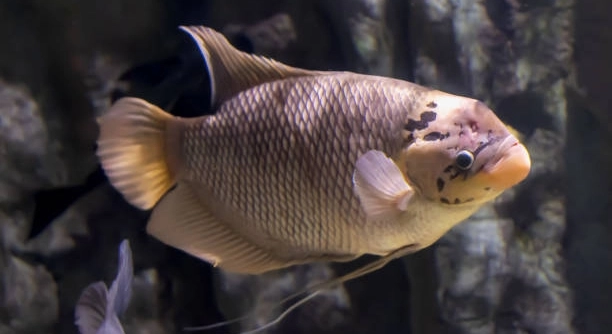
Breeding gouramis can be a rewarding experience, but it often comes with unexpected challenges that can affect their natural behavior. Many factors in the tank environment influence how successfully these fish reproduce. Observing them closely helps.
Several elements can disrupt gourami breeding behavior, including water quality fluctuations, incorrect temperature, lack of hiding spaces, insufficient nutrition, stress from tank mates, inappropriate lighting, and overcrowding. Each factor can interfere with courtship, spawning, and fry survival, reducing breeding success.
Understanding these disruptions can help you create a stable environment. Proper care ensures healthier fish and increases the chances of successful breeding in your aquarium.
Water Quality Issues
Maintaining stable water quality is essential for gourami breeding. Sudden changes in pH, ammonia, nitrite, or nitrate levels can stress the fish and reduce their willingness to spawn. Even minor fluctuations can interfere with courtship behavior and egg development. Regular water testing and partial water changes help keep the environment safe. Filtration systems should be checked to ensure they are running efficiently, and overfeeding should be avoided to prevent water contamination. Tank decorations, plants, and substrate can also affect water chemistry, so choosing the right materials is important. Using dechlorinated water and monitoring temperature stability adds further protection. Gouramis are sensitive to chemicals, so avoid using medications or additives unnecessarily. Providing a consistent and clean habitat promotes natural behaviors and supports reproductive health. Observing fish closely allows for early detection of stress, helping prevent breeding failures.
Stable water conditions allow gouramis to remain healthy and more likely to breed successfully.
Water quality directly affects every stage of breeding, from courtship to fry survival. Poor conditions can lead to stress, disease, or egg infertility. Even minor issues may cause adults to ignore spawning entirely. By prioritizing clean water, consistent parameters, and a safe environment, you improve the likelihood of natural breeding behaviors. Regular monitoring, proper filtration, and careful feeding routines create conditions that support reproductive success. Tank plants and hiding spaces help reduce stress and mimic natural habitats, further encouraging breeding. Over time, consistent maintenance builds a reliable routine for the fish, allowing them to adapt and display normal spawning behavior. Proper attention to water quality reduces complications and creates a balanced environment that fosters healthier fish and stronger offspring.
Temperature Fluctuations
Gouramis are sensitive to temperature changes. Sudden drops or spikes can stress the fish and stop breeding activity. Keeping the water within their preferred range is crucial.
Temperature directly impacts metabolism, courtship, and egg development. Even small deviations can delay spawning or reduce fertility. Using a reliable heater and thermometer helps maintain stability. Consistent daily checks ensure that the water stays within optimal limits. Gradual adjustments are better than sudden changes when altering conditions. Seasonal fluctuations should also be monitored, especially if the tank is near windows or air vents. Temperature interacts with other factors, like water chemistry, affecting overall fish health. A stable thermal environment supports normal behavior and encourages successful spawning. Observing the fish for signs of discomfort, such as lethargy or hiding, can indicate temperature stress.
Maintaining a consistent water temperature is vital for encouraging natural breeding behavior in gouramis. When the tank remains stable, fish exhibit normal courtship rituals, build bubble nests, and spawn more reliably. Fluctuations can cause eggs to be infertile or fry to die early. Proper temperature management includes using accurate heaters, monitoring daily, and shielding the tank from drafts or sunlight. Adjustments should be slow to prevent shock. Combining temperature control with stable water quality and adequate nutrition ensures a healthier environment for both adults and offspring. By prioritizing these conditions, breeders can maximize the chances of successful reproduction and healthy fry development.
Lack of Hiding Spaces
Gouramis need areas to feel secure. Without plants, caves, or floating cover, stress levels rise, and breeding behavior often stops.
Providing plenty of hiding spaces helps fish relax, encouraging natural courtship and bubble nest building. Floating plants and dense foliage create privacy, reducing stress from tank mates or sudden movements outside the tank. When fish feel secure, males are more likely to display mating behaviors, and females are more willing to spawn. Decorations should be arranged to offer multiple retreats, avoiding open, exposed areas. Even small tanks benefit from creative use of plants or structures. Security directly impacts reproductive confidence, making hiding spaces a critical factor in successful breeding.
Hiding spaces also protect eggs and fry from potential threats. Dense plants and secluded spots reduce aggression from other fish, improving survival rates. Males often build nests near sheltered areas, and fry use cover to avoid stress or predation. A well-structured tank encourages natural behaviors, enhances breeding success, and creates a calmer environment overall.
Arranging hiding spots can be simple yet effective. Using plants, driftwood, or artificial caves provides comfort and encourages natural breeding. Observing where gouramis choose to rest or build nests helps identify preferred areas for future tank setups. Proper placement of hiding spaces improves the overall well-being of the fish, supporting both courtship and fry survival. Creating a secure environment fosters confident fish, leading to healthier reproduction and stronger offspring.
Insufficient Nutrition
Gouramis require a balanced diet for successful breeding. Poor nutrition can lead to weak health and reduced reproductive activity.
A varied diet including high-quality pellets, frozen or live foods, and occasional vegetables provides essential vitamins and proteins. Malnourished fish may delay spawning, produce fewer eggs, or generate weaker fry. Consistent feeding routines help maintain energy levels, supporting courtship displays and nest building. Overfeeding should be avoided, as it can affect water quality and stress the fish, indirectly disrupting breeding. Proper nutrition strengthens the immune system, enhancing the overall reproductive readiness of both males and females.
Providing the right diet ensures optimal reproductive performance. Live foods such as brine shrimp or daphnia stimulate courtship, while protein-rich flakes or pellets maintain energy. Nutritional deficiencies can cause irregular spawning, fewer eggs, or fragile fry. Including a variety of food types improves health and behavior, encouraging active participation in breeding. Balanced feeding also supports recovery after spawning, helping adults regain strength for future breeding cycles. Monitoring feeding habits ensures fish are neither underfed nor overfed, maintaining both health and tank conditions. Proper nutrition is a foundational element in promoting successful gourami breeding.
Stress from Tank Mates
Aggressive or overly active tank mates can stress gouramis and prevent breeding. Territorial disputes or constant chasing disrupt normal behavior and cause hiding rather than courtship.
Keeping peaceful species with compatible temperaments reduces stress. Providing separate areas or a divided tank can also help males and females feel secure, improving breeding success.
Inappropriate Lighting
Lighting that is too bright or inconsistent can interfere with breeding behavior. Gouramis prefer moderate lighting with a natural day-night cycle.
Bright or constant light can cause stress and reduce activity. Using adjustable lighting or floating plants to diffuse light helps maintain comfort. Regular day-night cycles encourage natural behaviors like bubble nest building and courtship.
Overcrowding
Too many fish in a tank limits space for breeding and increases competition. Overcrowding raises stress levels and reduces reproductive activity.
Maintaining appropriate stocking levels ensures each gourami has enough territory. Males need space to build nests, and females require safe areas to spawn. Overcrowding can lead to aggression, neglect of eggs, and weaker fry survival, making breeding less successful overall.
How can I tell if my gouramis are stressed?
Stressed gouramis often show signs such as hiding constantly, reduced activity, loss of appetite, or faded colors. Males may stop building bubble nests, and females may avoid the male entirely. Rapid breathing, erratic swimming, or rubbing against objects are also common indicators. Monitoring behavior daily helps identify problems early, allowing adjustments in tank conditions, tank mates, or feeding routines to reduce stress.
What is the ideal water temperature for breeding gouramis?
Most gourami species breed best in water temperatures between 77°F and 82°F (25°C–28°C). Temperatures outside this range can slow metabolism, reduce courtship behavior, and affect egg viability. Using a reliable heater and thermometer ensures consistency. Gradual changes are better than sudden shifts, which can shock the fish and stop breeding altogether. Maintaining temperature alongside stable pH and clean water creates an optimal environment for reproduction.
How often should I feed my gouramis during breeding?
Feeding should be done once or twice a day with a varied diet. High-quality pellets, frozen or live foods, and occasional vegetables provide protein and nutrients necessary for energy and egg development. Overfeeding should be avoided because leftover food can degrade water quality and cause stress. Proper nutrition strengthens both male and female gouramis, supporting courtship behaviors, nest building, and healthy fry development.
Can overcrowding prevent my gouramis from breeding?
Yes, overcrowding can significantly reduce breeding activity. Males need space to build bubble nests, and females require safe areas to spawn. Too many fish increase competition for territory and resources, raising stress levels. Overcrowding also increases aggression, which can lead to injury or egg neglect. Maintaining appropriate stocking levels improves the chances of natural courtship, successful spawning, and higher fry survival.
What role do hiding spaces play in gourami breeding?
Hiding spaces reduce stress and encourage natural behavior. Plants, caves, and floating cover provide security for both males and females. Males often build nests near sheltered areas, while females need retreat zones to feel safe during spawning. Lack of cover can prevent courtship and nesting. Strategically placing decorations and plants ensures privacy, reduces conflict, and supports healthier breeding activity.
How does water quality affect reproduction?
Poor water quality can halt breeding entirely. High ammonia, nitrite, or nitrate levels stress fish, reduce egg viability, and interfere with courtship. Regular testing, partial water changes, and proper filtration are essential. Stable pH and clean water help adults display normal behaviors, build nests, and produce healthy fry. Even minor fluctuations can impact breeding success, making water quality one of the most critical factors.
What should I do if my gouramis are not building bubble nests?
Lack of bubble nests may indicate stress, poor nutrition, incorrect temperature, or insufficient lighting. Ensure the water is clean, temperature is stable, and diet is rich in protein. Providing floating plants or calm areas can encourage males to begin nest building. Reducing stress from aggressive tank mates or overcrowding often resolves the problem, allowing normal courtship and spawning behavior to resume.
How important is lighting for breeding gouramis?
Lighting affects their natural behavior and comfort. Too bright or inconsistent light can stress fish and stop courtship. Gouramis prefer moderate, diffuse lighting with a consistent day-night cycle. Floating plants or adjustable lighting can help diffuse harsh light. Stable light conditions encourage males to build bubble nests and maintain normal spawning activity while keeping fish calm and healthy.
How do I care for fry after spawning?
After hatching, fry are vulnerable to water quality, overcrowding, and aggression from adults. Removing adults or providing dense plant cover can improve survival. Feeding should include infusoria or other microscopic food initially, transitioning to baby brine shrimp or finely crushed flakes. Maintaining clean water and monitoring fry growth ensures healthier development. Regular observation and careful feeding routines are crucial during these early weeks.
Can tank mates affect breeding success?
Yes, incompatible tank mates can prevent breeding. Aggressive or overly active species stress gouramis, disrupt courtship, and may attack eggs or fry. Peaceful species or a separate breeding tank improve the likelihood of successful spawning. Providing secure hiding areas and controlling interactions ensures minimal interference, helping gouramis focus on natural reproductive behaviors.
How long does it take for gouramis to breed?
Breeding readiness varies with species, age, and conditions. Typically, after environmental factors are stabilized, courtship can begin within a few days to weeks. Bubble nest construction, courtship displays, and spawning occur in stages. Observing behavior and maintaining optimal conditions throughout ensures the process progresses smoothly, improving the chances of successful reproduction and healthy offspring.
Breeding gouramis can be both rewarding and challenging. Success largely depends on creating a stable and comfortable environment for the fish. Many factors, such as water quality, temperature, nutrition, lighting, and tank layout, play an important role in encouraging natural breeding behaviors. Each element contributes to the overall health and readiness of the fish to spawn. By addressing these factors, you reduce stress and create conditions that support courtship, nest building, and egg development. Observing your gouramis closely allows you to notice early signs of stress or discomfort and adjust care routines accordingly. Even small changes, like adding plants or adjusting feeding schedules, can have a noticeable impact on breeding success.
Providing hiding spaces and maintaining appropriate tank conditions helps both males and females feel secure. Males need privacy for building bubble nests, while females require safe areas to approach and spawn. Stress from aggressive tank mates or overcrowding can easily prevent breeding, even if all other conditions are ideal. Ensuring a peaceful environment and proper separation when necessary encourages natural behaviors and reduces the risk of aggression or egg neglect. Nutrition is equally important; well-fed gouramis are more likely to participate actively in courtship and produce healthy eggs. A balanced diet with high-quality pellets, live or frozen foods, and occasional vegetable matter supports energy, growth, and reproductive readiness. Consistency in care routines also helps the fish adapt and remain comfortable in the tank.
Understanding and managing these factors increases the likelihood of successful gourami breeding. Careful attention to water quality, temperature, nutrition, tank setup, and lighting provides the foundation for healthy and active fish. Regular observation and thoughtful adjustments help prevent disruptions that can interfere with spawning. By creating a calm, secure, and well-maintained environment, you support natural behaviors and increase the chances of producing strong, healthy fry. Breeding gouramis requires patience and diligence, but the effort can be highly satisfying. With careful planning and consistent care, you can foster a thriving tank where gouramis display natural reproductive behaviors, ensuring both adult health and fry survival.

Hello,
If you enjoy the content that we create, please consider saying a "Thank You!" by leaving a tip.
Every little bit helps us continue crafting quality advice that supports the health, happiness, and well-being of pets around the world, for pets of all shapes, sizes, and species.
We really appreciate the kindness and support that you show us!