
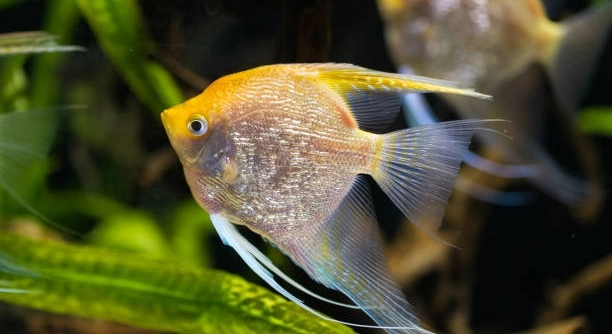
Angelfish are beautiful creatures that can make a stunning addition to any aquarium. But when it comes to breeding, their behavior can sometimes be unpredictable. Understanding what can disrupt their breeding behavior is essential for successful reproduction.
Several factors can disrupt angelfish breeding behavior, including water quality, tank mates, temperature fluctuations, stress, and inadequate nutrition. These elements can cause discomfort, leading to hesitation or failure in the breeding process.
Addressing these key elements will not only help you understand angelfish breeding better but also ensure a healthy environment for your fish.
Water Quality
Maintaining the right water quality is one of the most important aspects of successful angelfish breeding. Angelfish are sensitive to changes in their environment, especially when it comes to water chemistry. If the water is too acidic, alkaline, or contains high levels of ammonia or nitrites, it can stress the fish and disrupt their breeding behavior. Proper filtration, regular water changes, and using a water conditioner are essential steps to ensure a stable environment for your fish.
When it comes to breeding, angelfish prefer a pH level between 6.5 and 7.5. Maintaining a temperature range of 78°F to 82°F also plays a crucial role in their breeding success. Monitoring the water quality regularly will prevent unwanted stress and keep the fish comfortable.
If water quality isn’t properly maintained, angelfish may become reluctant to breed or may abandon their eggs altogether. Poor water conditions can also lead to health issues that further affect their breeding performance.
Tank Mates
Tank mates can have a big impact on how comfortable your angelfish feel, which affects their breeding. Aggressive or territorial species may create a stressful environment.
Angelfish are relatively peaceful but can become territorial during breeding. Having tank mates that don’t challenge them or invade their space will help reduce stress. It’s best to keep them with calm, non-aggressive fish.
Temperature Fluctuations
Temperature changes can throw off angelfish breeding patterns. Consistent water temperature is key to keeping them comfortable and ready to breed.
Angelfish thrive in a temperature range of 78°F to 82°F. If the water dips below this range or rises too high, it can cause stress and prevent breeding. Sudden temperature changes are especially harmful and can result in illness or a lack of interest in spawning. It’s important to keep the tank in a stable, comfortable range to encourage healthy breeding behavior.
Investing in a reliable aquarium heater will help maintain a constant temperature, minimizing fluctuations. By keeping the water temperature steady, you increase the chances of successful breeding.
Stress
Stress is one of the biggest factors that can halt angelfish breeding. Whether caused by environmental factors or tankmate aggression, it’s something to avoid.
Angelfish are sensitive creatures, and any change in their environment can cause stress. This could be as simple as moving the tank or introducing new fish. Even loud noises or excessive handling can make them feel uneasy. A stressed angelfish may refuse to breed or abandon eggs prematurely. The key is to minimize anything that disrupts their peaceful surroundings.
Keeping the tank clean, calm, and free of sudden changes is the best way to prevent stress from interfering with breeding. By paying attention to their needs, you’ll create a more stable environment for your angelfish.
Inadequate Nutrition
Angelfish need a balanced diet to stay healthy and breed effectively. Without the right nutrients, they may lack the energy or motivation to spawn.
A well-balanced diet of high-quality flakes, pellets, and live or frozen foods like brine shrimp and bloodworms is crucial. Nutrient deficiencies can prevent proper egg development, impacting breeding success.
Feeding angelfish properly also supports their immune system, ensuring they’re strong enough to breed. A mix of protein, fats, and vitamins will encourage them to remain in peak condition for reproduction.
Overcrowding
Overcrowding in the tank can create unnecessary stress. Angelfish need space to establish territories, especially during breeding.
If there are too many fish in the tank, it can lead to competition for space and resources. This disrupts the angelfish’s breeding behavior. Providing enough room for your fish helps create a calm environment where they can feel secure.
FAQ
What is the ideal water temperature for angelfish breeding?
Angelfish breed best in water temperatures between 78°F and 82°F (25°C to 28°C). This temperature range helps promote optimal breeding conditions. Too cold or too hot water can cause stress, which will discourage them from spawning. Maintaining a stable, consistent temperature is crucial for successful breeding.
Can I breed angelfish in a community tank?
Breeding angelfish in a community tank is possible, but it requires careful consideration. You should choose tank mates that are peaceful and do not compete for territory. Aggressive or overly active fish may stress the angelfish, making breeding difficult. Additionally, the breeding pair may need to claim a territory, which can be challenging if the tank is too crowded or has territorial fish.
How often should I feed angelfish to encourage breeding?
Feeding your angelfish two to three times a day with a variety of high-quality foods can help encourage breeding. A mix of flakes, pellets, and live or frozen food like brine shrimp and bloodworms will ensure that they are getting the right nutrients. Proper nutrition is essential for healthy fish and successful breeding.
What signs should I look for to know when angelfish are ready to breed?
When angelfish are ready to breed, you’ll notice a few signs. The breeding pair will become more active, often following each other around the tank. Their colors may become more vibrant, and you may see them cleaning a flat surface, like a leaf or rock, which they will later use to lay eggs. Additionally, the female will appear fuller in the belly area, indicating she is carrying eggs.
How can I tell the difference between male and female angelfish?
It can be tricky to distinguish between male and female angelfish, especially when they are young. Generally, males tend to have a slightly longer, more pointed dorsal fin, while females have a rounder, shorter fin. Females are also typically more rounded in the belly area when they are ready to lay eggs. However, these differences can be subtle, and you may need to observe their behavior during the breeding process for more accurate identification.
What can I do if my angelfish eggs aren’t hatching?
If your angelfish eggs aren’t hatching, there could be several reasons. First, ensure that the water temperature is within the correct range of 78°F to 82°F. Poor water quality, such as high ammonia or nitrite levels, can also prevent hatching. If you’re breeding in a community tank, other fish may be eating the eggs, so it’s a good idea to separate the breeding pair or use a breeding box to protect the eggs.
Do I need to separate the male and female after breeding?
After the eggs are laid and fertilized, the male and female will often guard the eggs together. Once the fry hatch, the parents may continue to protect them, but they could become aggressive towards other fish. It’s not always necessary to separate the pair, but you might want to separate the fry from the parents once they are free-swimming to avoid predation. In some cases, the parents may eat the fry if they feel stressed or if the environment isn’t ideal.
How long does it take for angelfish to breed?
Angelfish can typically breed within 6 to 12 months, depending on their size and environment. Once they are ready, the actual process of spawning and egg laying can take just a few hours. The eggs usually hatch in 2 to 3 days, and the fry will become free-swimming in about 5 to 7 days. The process from egg laying to free-swimming fry is quick, but ensuring optimal conditions is crucial to their success.
What should I do if my angelfish refuse to breed?
If your angelfish are not breeding, it’s important to first examine the environment. Ensure the water conditions, such as pH, hardness, and temperature, are optimal. If the water is not ideal, they may be stressed or uncomfortable. Stress from other tank mates, overcrowding, or poor nutrition can also discourage breeding. Providing a calm, stress-free environment, along with high-quality food, can often encourage breeding.
How do I care for angelfish fry once they hatch?
Once angelfish fry hatch, they will initially rely on their yolk sac for nourishment. After a few days, they will begin to swim freely and will need to be fed small foods like infusoria or newly hatched brine shrimp. Be sure to keep the tank clean and free of waste, as poor water quality can be harmful to the delicate fry. Once the fry grow, you can begin introducing larger foods like finely crushed flakes.
Can I breed angelfish without a mate?
Angelfish are monogamous, meaning they typically form breeding pairs. You cannot breed angelfish with just one fish. However, you can try to set up a breeding pair by introducing two compatible angelfish into a breeding tank. It might take some time for them to bond, but once they do, they may begin the breeding process. Be patient and provide the right conditions to encourage the pair to spawn.
Final Thoughts
Breeding angelfish can be a rewarding experience, but it requires attention to detail and patience. To have success, it’s important to focus on creating the right environment for your fish. Consistent water quality, proper temperature, and a stress-free tank are key factors that will help encourage breeding. Monitoring these conditions regularly will prevent issues and give your angelfish the best chance to reproduce.
Another important aspect of breeding angelfish is providing them with the right nutrition. A balanced diet of quality food will support their health and help them stay strong for breeding. Without the right nutrients, angelfish may lack the energy or ability to breed successfully. Remember, they need a variety of food options, including high-protein and vitamin-rich meals. This ensures that they are getting everything they need for proper egg development and growth.
Finally, be prepared to give your angelfish some time to adjust and bond before breeding. The process can take patience, and things might not happen right away. It’s important to respect their space and allow them to form a strong pair bond. Once they’re comfortable in their environment, you may begin to see the signs of breeding behavior, such as the cleaning of surfaces and increased activity. Keep an eye on their progress, but also give them the time they need.

Hello,
If you enjoy the content that we create, please consider saying a "Thank You!" by leaving a tip.
Every little bit helps us continue crafting quality advice that supports the health, happiness, and well-being of pets around the world, for pets of all shapes, sizes, and species.
We really appreciate the kindness and support that you show us!