
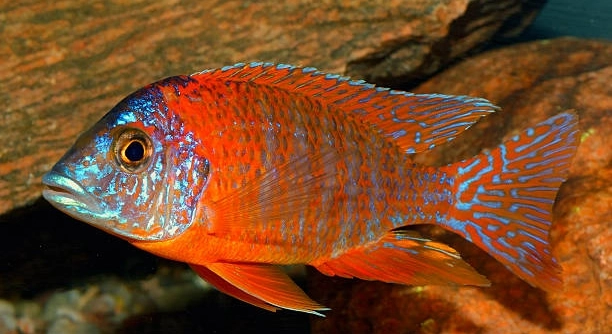
Breeding cichlids can be an exciting part of aquarium keeping, yet sometimes spawning takes longer than expected. Observing your fish carefully helps identify subtle behaviors and environmental factors that may influence their reproductive timing.
Several factors can delay cichlid spawning, including water quality, temperature fluctuations, inadequate diet, stress from tank mates, insufficient hiding spaces, improper lighting, and health issues. Each of these elements can directly impact reproductive readiness and breeding success.
Understanding these potential delays is essential for successful breeding. Small adjustments in care and environment can significantly improve the chances of timely spawning.
Water Quality Issues
Poor water quality is one of the main reasons cichlids delay spawning. High levels of ammonia, nitrites, or nitrates can stress fish, making them less likely to breed. Even small fluctuations in pH or hardness can disrupt hormonal cycles needed for reproduction. Regular testing and water changes help maintain stable conditions. Filtration plays an essential role, as stagnant or dirty water increases the risk of illness and reduces breeding readiness. Temperature consistency is also part of water quality. Sudden drops or rises can confuse fish and prevent spawning behaviors. Providing a clean, balanced environment allows cichlids to feel secure, encouraging natural mating instincts. Attention to tank maintenance, such as removing uneaten food and controlling algae, ensures water remains suitable. Many aquarists overlook these small details, but they can have a major impact on whether your cichlids spawn on schedule.
Maintaining stable water parameters reduces stress and creates a safe environment for spawning to occur naturally.
Even slight water quality issues can quietly affect cichlid behavior. Fish may appear healthy but delay mating due to subtle chemical imbalances. Observing their activity, appetite, and interactions can indicate water problems before they stop spawning completely. Preventive steps, like consistent testing, partial water changes, and proper filtration, help keep conditions stable. Using natural substrates and avoiding overcrowding also supports a healthier tank. Monitoring temperature and pH ensures the environment meets the species’ breeding needs. By addressing these factors, you increase the chances of successful spawning and reduce stress-related behaviors. Taking time to understand each cichlid’s preferred conditions creates a predictable and supportive environment.
Stress from Tank Mates
Aggressive or incompatible tank mates can prevent cichlids from spawning.
Stress from other fish reduces breeding behavior and can harm overall health. Aggression, bullying, or overcrowding makes cichlids retreat instead of focusing on mating.
Cichlids are sensitive to their surroundings, and constant harassment can suppress mating instincts. Even minor territorial disputes can delay spawning if fish do not feel secure. Observing behavior helps identify which tank mates create tension. Separating aggressive species or providing additional hiding spots reduces stress. Decorations like rocks, caves, or plants give fish privacy, allowing natural mating behaviors to resume. Timing also matters; introducing new fish during breeding periods may disrupt courtship. Maintaining a calm and stable environment promotes confidence, encouraging pair bonding and spawning activity. By carefully planning tank composition and offering protective spaces, you create an atmosphere where cichlids can focus on reproduction without fear or interruption, improving breeding success over time.
Inadequate Diet
A poor diet can delay cichlid spawning. Fish need balanced nutrition with sufficient protein, vitamins, and minerals to support reproductive health and energy for mating behaviors.
Cichlids require a mix of high-quality flakes, pellets, and occasional live or frozen foods. Diets lacking essential nutrients reduce egg production and lower spawning readiness. Feeding too little or too much can also affect hormonal cycles. Regularly rotating food types and ensuring variety helps maintain optimal health. Some species need specific supplements or seasonal adjustments to trigger breeding. Observing their body condition and energy levels indicates if the diet supports reproductive activity. Providing consistent, nutrient-rich meals directly encourages spawning behavior.
Live foods, like brine shrimp or bloodworms, stimulate natural instincts. Overfeeding processed foods may reduce interest in breeding. Combining proper nutrition with water quality and reduced stress ensures the cichlids have the strength and drive to spawn successfully, making the timing more predictable.
Insufficient Hiding Spaces
Cichlids delay spawning when they lack secure hiding spots. Privacy is critical for reducing stress and allowing natural mating behaviors to occur without interference.
Fish need caves, rocks, and dense plant areas to feel safe. Without adequate shelter, they remain cautious and postpone courtship. Hiding spaces mimic their natural habitat, encouraging confidence. Pair bonding is more likely when fish can retreat and protect their eggs. Observing territorial behaviors helps identify where more cover is needed. Spawning often happens near these protected areas, making them essential for breeding success. Regularly rearranging or cleaning shelters maintains comfort and safety. Providing multiple options ensures all fish in the tank have access to secure retreats, minimizing stress and competition, and allowing natural behaviors to take place.
Temperature Fluctuations
Cichlids often delay spawning when water temperature is inconsistent. Even small drops or spikes can interrupt hormonal signals needed for reproduction.
Maintaining a stable temperature within the species’ preferred range supports regular breeding cycles. Sudden changes can make fish retreat and postpone mating behaviors.
Improper Lighting
Inadequate lighting can impact cichlid spawning. Too little light reduces activity, while excessive light increases stress. Both situations affect hormonal balance and courtship behavior. Adjusting the photoperiod to mimic natural day-night cycles encourages regular reproductive activity.
Health Issues
Illness or parasites can prevent cichlids from spawning. Sick fish often conserve energy for recovery rather than reproduction. Monitoring for signs of disease and providing prompt treatment supports overall health and breeding readiness. Preventive care, including quarantine of new fish, helps maintain a healthy, spawning-capable tank.
Overcrowding
Overcrowded tanks increase competition and stress, delaying cichlid spawning. Providing adequate space and separating aggressive individuals allows fish to establish territories and focus on reproduction without constant disturbance.
FAQ
Why are my cichlids not spawning even though they seem healthy?
Even healthy-looking fish can delay spawning if the environment is not ideal. Factors like subtle water quality issues, temperature fluctuations, or stress from other tank mates may suppress breeding instincts. Regular testing of water parameters and observing interactions can reveal hidden problems.
How can I tell if my cichlids are stressed?
Stressed cichlids may hide more, swim erratically, lose appetite, or display aggression. Lack of interest in their surroundings or each other can also indicate stress. Monitoring these behaviors helps identify causes like overcrowding, poor water quality, or aggressive tank mates.
What is the best diet to encourage spawning?
A balanced diet with high-quality pellets or flakes, supplemented by live or frozen foods like brine shrimp and bloodworms, supports reproductive health. Occasional vegetable matter provides vitamins and minerals. Feeding small, frequent portions maintains energy and stimulates natural breeding behaviors.
How do water changes affect spawning?
Consistent partial water changes maintain stable parameters and reduce toxins. Large or sudden changes can stress fish and delay breeding. Using water with similar temperature and chemistry prevents disruptions and encourages natural mating behaviors.
Do hiding spaces really make a difference?
Yes. Cichlids feel safer with caves, rocks, or plants, which allow them to retreat and establish territories. Adequate cover reduces stress, supports courtship, and gives females confidence to lay eggs, increasing spawning success.
Can lighting influence breeding?
Proper lighting helps regulate natural hormonal cycles. Mimicking a natural day-night cycle with moderate light encourages activity and courtship. Too much light may increase stress, while too little reduces energy and mating behaviors.
What should I do if tank mates are aggressive?
Separate aggressive individuals or provide additional hiding spots to reduce stress. Overcrowding worsens aggression, so ensuring adequate space and monitoring interactions supports breeding. Peaceful tank mates allow cichlids to focus on mating without constant disturbance.
How long after setting up the right conditions will spawning occur?
Timing varies by species and individual fish. Some cichlids respond quickly within days, while others may take weeks. Consistency in water quality, temperature, diet, and environment increases the likelihood of timely spawning. Patience is key.
Are there signs that spawning is about to happen?
Males often display brighter colors and increased activity. Females may prepare a flat surface or cave for eggs. Pair bonding behaviors, such as cleaning a site together or guarding a territory, indicate readiness to spawn.
How do I handle sick fish without affecting spawning?
Quarantine new or ill fish immediately to prevent disease spread. Treat infections promptly with appropriate medication. Avoid stress-inducing interventions in the main tank, as even minor disturbances can delay spawning. Maintaining a clean, healthy environment supports reproductive success.
Is temperature the most critical factor?
Temperature is very important but works alongside other factors like water quality, diet, and stress levels. Even small deviations can prevent hormonal cues for spawning. Using a reliable heater and thermometer helps maintain a stable, optimal range.
Can I speed up spawning naturally?
Adjusting water temperature slightly within the preferred range, improving diet with high-protein foods, and providing secure hiding spots encourages natural mating. Avoid sudden changes, as consistency is more effective than forcing conditions. Patience and observation are essential.
What if my cichlids still do not spawn after all adjustments?
Some delays are normal due to age, maturity, or personality differences. Continue providing optimal conditions, monitor for stress or illness, and ensure compatibility of pairs. If issues persist, consulting species-specific breeding guidelines can help identify overlooked factors.
How often should I monitor tank conditions for spawning?
Daily observation is recommended, focusing on behavior, appetite, and interactions. Weekly water testing ensures stable chemistry. Regular maintenance and monitoring allow early detection of stressors that could delay breeding, improving overall success.
Do cichlids need seasonal changes to breed?
Some species respond to seasonal cues like temperature and light shifts. Gradually simulating these changes can trigger reproductive behavior. Avoid abrupt changes, as they may increase stress and delay spawning.
Can tank size affect spawning?
Yes. Small or overcrowded tanks increase stress and reduce territorial behavior. Providing adequate space for each fish to establish territory improves comfort, encourages natural courtship, and supports successful spawning.
Cichlid breeding can be both rewarding and challenging. Successful spawning depends on a combination of factors, and small details often make a big difference. Maintaining clean, stable water is essential, as even minor chemical imbalances or sudden temperature changes can prevent fish from breeding. Diet also plays a key role. Fish require a consistent source of protein and essential nutrients to support reproductive health. Offering a mix of flakes, pellets, and occasional live or frozen foods helps maintain energy levels and stimulates natural mating instincts. Overfeeding or underfeeding can interfere with hormonal cycles, so careful monitoring of portions is important.
Stress is another critical element that affects cichlid spawning. Aggressive tank mates or overcrowding can delay breeding even when water and diet are ideal. Providing hiding spaces such as caves, rocks, and dense plants gives fish a sense of security, allowing them to focus on courtship and egg-laying. Observing fish behavior is necessary to identify tension in the tank, as even subtle signs like hiding, decreased activity, or minor skirmishes can indicate stress. Adjusting tank setup, separating aggressive individuals, or rearranging decorations to create private spaces can help fish feel safe and encourage spawning activity over time.
Patience and observation are essential throughout the breeding process. Some cichlids may take days to respond to improved conditions, while others require weeks or longer. Consistency is key—maintaining stable water parameters, providing proper nutrition, and reducing stress ensures that fish remain healthy and ready to spawn. Monitoring behaviors such as color changes, site preparation, and pair bonding helps identify when fish are approaching readiness. Even with optimal care, delays can occur due to age, maturity, or personality differences. Paying attention to these factors and adjusting the environment gradually allows for the best chance of successful breeding. By understanding and addressing these considerations, cichlid keepers can improve spawning outcomes while keeping their fish healthy, comfortable, and thriving in the aquarium environment.

Hello,
If you enjoy the content that we create, please consider saying a "Thank You!" by leaving a tip.
Every little bit helps us continue crafting quality advice that supports the health, happiness, and well-being of pets around the world, for pets of all shapes, sizes, and species.
We really appreciate the kindness and support that you show us!