
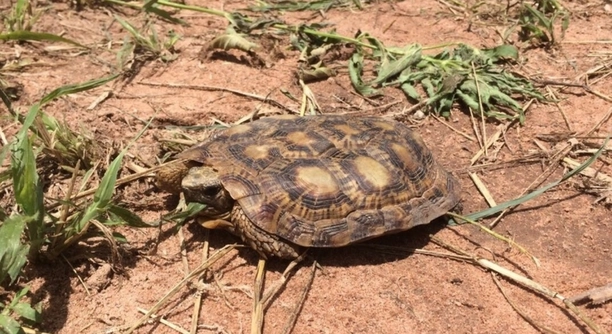
Are your pancake tortoise’s limbs looking swollen, and you’re not sure what might be causing it? Swelling in their limbs can be a sign of underlying health issues, and understanding the reasons behind it is important for their well-being.
Swelling in a pancake tortoise’s limbs can result from infections, nutritional deficiencies, metabolic bone disease, poor circulation, trauma, kidney disease, or parasitic infestations. Identifying the cause early can help prevent further complications and improve your tortoise’s quality of life.
Various factors can impact your tortoise’s health, and recognizing these potential causes is the first step in helping them. Learning what might be triggering the swelling can help you take the necessary steps to support their recovery.
Infections
Bacterial or fungal infections can cause swelling in a pancake tortoise’s limbs. These infections often develop from injuries, poor hygiene, or an unclean habitat. If bacteria enter a wound, it can lead to inflammation, discomfort, and difficulty moving. Fungal infections can also contribute to swelling, especially in humid environments. Without treatment, these infections may worsen, spreading to other parts of the body. Signs of infection include redness, warmth, and discharge. Keeping your tortoise’s enclosure clean, monitoring for cuts or injuries, and seeking veterinary care at the first sign of infection can help prevent complications.
A tortoise with an infection may show signs of lethargy or loss of appetite. The swelling could also worsen over time if left untreated. A vet can prescribe antibiotics or antifungal treatments to help clear the infection and reduce swelling.
Preventing infections starts with maintaining a clean environment and checking your tortoise regularly for wounds. If you notice swelling, separate them from other tortoises to prevent the spread of infection. Providing proper nutrition and ensuring they have a dry, sanitary space to rest can also reduce the risk. Addressing infections early can prevent further health issues and keep your tortoise comfortable.
Nutritional Deficiencies
A lack of essential vitamins and minerals can lead to swelling in a tortoise’s limbs. Calcium and vitamin D3 are especially important for maintaining healthy bones and circulation. Without these nutrients, limbs may become swollen, weak, or deformed over time.
Calcium deficiency can lead to metabolic bone disease, which weakens the bones and causes swelling in the limbs. A lack of vitamin D3 makes it difficult for the body to absorb calcium properly. Without enough of these nutrients, your tortoise’s limbs may become swollen and fragile. Feeding a well-balanced diet with calcium-rich foods and providing access to UVB lighting can help prevent deficiencies.
Leafy greens, calcium supplements, and exposure to UVB light support healthy bone development. Without proper nutrition, a tortoise may develop long-term health issues. If you suspect a deficiency, consult a veterinarian for dietary recommendations. Making small adjustments to their diet and environment can prevent swelling and support their overall well-being.
Metabolic Bone Disease
Swelling in a pancake tortoise’s limbs can be a sign of metabolic bone disease (MBD). This condition weakens bones due to poor calcium absorption, leading to deformities, pain, and difficulty moving. Without proper care, MBD can worsen, making even simple movements challenging for your tortoise.
MBD occurs when a tortoise lacks calcium, vitamin D3, or proper UVB exposure. Without these, the body pulls calcium from the bones, weakening them over time. Swollen limbs, soft shells, and a curved spine are common symptoms. Providing a calcium-rich diet and a reliable UVB light source helps prevent this condition. A vet may also recommend supplements for severe cases.
If left untreated, MBD can cause permanent bone damage and affect overall mobility. Regular checkups, proper nutrition, and a well-lit habitat are essential for keeping bones strong. A well-balanced diet and consistent UVB exposure can help prevent swelling and long-term health issues.
Poor Circulation
Restricted blood flow can cause fluid buildup in the limbs, leading to noticeable swelling. This may result from prolonged inactivity, obesity, or an improper habitat setup. If circulation issues persist, your tortoise may experience discomfort, stiffness, or difficulty walking. Addressing this problem early can prevent further complications.
Obesity is a common cause of circulation problems in tortoises. Excess weight puts pressure on the limbs, making movement difficult and reducing blood flow. An enclosure that lacks proper space for movement can also contribute to poor circulation. Encouraging regular activity, adjusting their diet, and providing a spacious, stimulating environment can help maintain healthy blood flow.
A tortoise struggling with circulation issues may become sluggish or reluctant to move. Swelling can appear in different parts of the limbs, sometimes accompanied by cold skin. Ensuring your tortoise has a proper diet, a warm environment, and enough room to move freely can improve circulation. If swelling persists, consulting a vet is recommended.
Trauma
Injuries from falls, rough handling, or fights with other tortoises can cause swelling in the limbs. Bruising, fractures, or internal damage may not always be visible but can lead to discomfort and mobility issues. A swollen limb after an injury should be examined by a vet for proper care.
A tortoise with an injured limb may avoid putting weight on it or retract it frequently. Providing a safe environment with soft substrates and avoiding unnecessary handling can help prevent injuries. If swelling appears suddenly after a fall or accident, isolating your tortoise and seeking veterinary advice is the best approach.
Kidney Disease
Swelling in the limbs can be a sign of kidney disease. When the kidneys fail to filter waste properly, fluid retention can occur, leading to puffiness in the legs. Dehydration, high-protein diets, and infections can all contribute to kidney problems in tortoises.
Parasitic Infestations
Parasites can cause inflammation and swelling in a tortoise’s limbs. External parasites, like mites, irritate the skin, while internal parasites affect circulation and organ function. Regular health checks, a clean habitat, and routine deworming can help prevent infestations that might lead to swelling and other health issues.
FAQ
What should I do if my pancake tortoise’s limbs are swollen?
If you notice swelling in your tortoise’s limbs, the first step is to assess the situation. Make sure there are no visible signs of injury, infection, or trauma. If there is any redness, warmth, or discharge, it could be an infection. In such cases, a visit to the vet is necessary. For swelling caused by dehydration or metabolic issues, improving diet and lighting may help, but professional advice is still recommended.
Can I treat swelling at home?
While you can take steps to improve your tortoise’s environment, treating swelling at home is not always advisable, especially if it’s due to an infection or injury. Providing a clean and comfortable space with proper humidity, diet, and UVB light can help prevent further issues. However, for infections, trauma, or other medical conditions, a vet’s guidance is crucial.
How can I prevent swelling in my tortoise’s limbs?
Prevention starts with maintaining a clean and healthy environment. Regularly clean your tortoise’s enclosure to avoid infections. Offer a balanced diet that includes sufficient calcium, and make sure they have access to UVB light to support bone health. Also, ensure they have room to move and exercise to promote circulation and avoid obesity.
Is it normal for my pancake tortoise to have swelling after hibernation?
Some swelling after hibernation can be normal, especially if your tortoise has been inactive for a long period. However, swelling that persists or appears excessive should be checked. It could be a sign of dehydration, poor circulation, or another underlying condition. Ensure your tortoise rehydrates and adjust the temperature and light levels to help them recover.
How can I tell if my tortoise has an infection in its limbs?
An infection usually presents with swelling, redness, warmth, and sometimes pus or discharge from the affected area. Your tortoise may also appear more lethargic and eat less. If you suspect an infection, avoid handling the limb too much, as this can worsen the condition. Consult a vet for proper diagnosis and treatment.
Can kidney disease cause swelling in the limbs?
Yes, kidney disease can cause fluid retention, leading to swelling in the limbs and other parts of the body. Kidney failure can prevent waste from being properly filtered out, which causes the body to hold onto excess fluids. If swelling appears alongside changes in appetite, urination, or behavior, it’s important to consult a vet for kidney function tests.
Should I be worried if my tortoise has swollen limbs but no other symptoms?
Swelling alone may not always be a cause for concern, but it’s still important to monitor your tortoise. If the swelling doesn’t go away after a few days, worsens, or if you notice other changes like decreased movement or appetite, you should reach out to a vet. It’s always better to be cautious with your pet’s health.
Can poor diet cause swelling in my pancake tortoise?
A poor diet, especially one lacking in essential nutrients like calcium and vitamin D3, can lead to metabolic bone disease, which may result in swollen limbs. Make sure your tortoise is eating a variety of foods, including leafy greens and other calcium-rich vegetables. Also, check that they are getting proper UVB light to aid in calcium absorption.
Is it normal for my pancake tortoise to have swelling in the limbs if they are overweight?
Overweight tortoises are at risk of developing circulation problems, which can cause swelling in their limbs. Excess weight puts pressure on the limbs and restricts blood flow. To prevent swelling, make sure your tortoise is eating an appropriate amount of food, and encourage regular exercise by providing enough space in their habitat.
What are some common signs of metabolic bone disease in pancake tortoises?
In addition to swollen limbs, other signs of metabolic bone disease include a soft or deformed shell, difficulty moving, and a reluctance to eat. You may also notice that your tortoise is more lethargic than usual. If you notice any of these symptoms, a vet should examine your tortoise to confirm the diagnosis and provide treatment.
Can parasites cause swelling in my pancake tortoise?
Yes, both external and internal parasites can cause swelling in the limbs. External parasites like mites irritate the skin, while internal parasites can affect circulation and organ function. Regularly check your tortoise for signs of parasitic infestations, and maintain a clean environment to minimize the risk. Routine deworming is also important for preventing internal parasites.
How can I help my tortoise recover from swelling?
Recovery depends on the cause of the swelling. If it’s due to an injury, ensure your tortoise has a safe and comfortable space to rest. If the swelling is caused by an infection, your vet may prescribe antibiotics or other treatments. In cases of poor circulation or obesity, make dietary and environmental adjustments to encourage movement and overall health.
Is it possible to prevent swelling in the limbs of my pancake tortoise?
While it’s not always possible to prevent swelling entirely, you can reduce the risk by providing a healthy environment. Make sure your tortoise has a balanced diet with adequate calcium, access to UVB light, and a clean, spacious enclosure. Regular health checkups and monitoring for signs of injury, infection, or other issues can help catch problems early.
Swelling in a pancake tortoise’s limbs is something that should not be ignored. While it may seem like a minor issue, it could be a sign of a more serious health concern. Understanding the potential causes of swelling is important for taking the right steps to help your tortoise recover. Whether the swelling comes from an infection, injury, metabolic bone disease, or other factors, prompt attention can prevent the problem from getting worse. Regular checks, a proper diet, and a clean living environment are essential for preventing these issues in the first place.
It’s important to remember that not all cases of swelling are the same, and each one requires careful observation. If your tortoise shows any signs of discomfort, like reluctance to move or changes in behavior, you should address it as soon as possible. The sooner you act, the better the chances are of helping your tortoise get back to full health. In some cases, a visit to the vet might be necessary, especially if the swelling is severe or persistent. A professional can diagnose the issue and provide the right treatment plan, ensuring your tortoise receives the care it needs.
Ultimately, keeping your pancake tortoise healthy requires attention to detail in its care routine. Providing a balanced diet, regular UVB light exposure, and a safe, clean space to roam are key factors in preventing issues that can lead to swelling. It’s also important to check for injuries or signs of illness regularly. By staying on top of these aspects of care, you can give your tortoise the best chance of avoiding swelling and other health concerns, allowing it to live a long, comfortable life.

Hello,
If you enjoy the content that we create, please consider saying a "Thank You!" by leaving a tip.
Every little bit helps us continue crafting quality advice that supports the health, happiness, and well-being of pets around the world, for pets of all shapes, sizes, and species.
We really appreciate the kindness and support that you show us!