
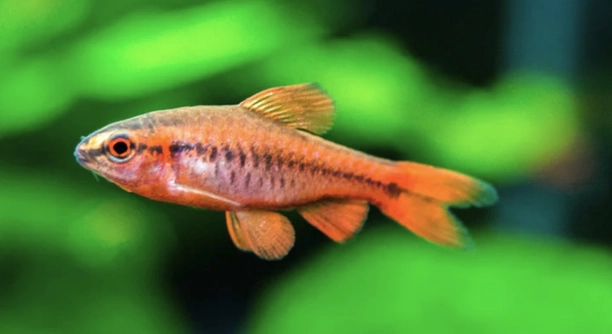
Sudden barb death can be a worrying experience for any fish owner. Understanding the factors behind this issue is important to prevent unnecessary losses. While various elements contribute to this, some are more common than others.
Several factors can lead to sudden barb death, including poor water quality, disease, insufficient diet, stress, and incompatible tank mates. Regular maintenance of the tank, along with proper care and monitoring, can help prevent these issues from arising.
By exploring these causes, you can better manage your fish’s health. Addressing these factors will ensure a more stable environment for your barbs and improve their overall well-being.
Poor Water Quality
Maintaining good water quality is crucial for the health of barbs. When water conditions are unstable, it can quickly lead to stress, weakening their immune systems. Ammonia, nitrites, and nitrates in the water are harmful to fish, causing gill damage and respiratory issues. These toxic substances often accumulate in tanks with poor filtration or inadequate water changes. Over time, low-quality water can make barbs more susceptible to diseases and even sudden death. Keeping the water at the right temperature, pH, and hardness level also plays a significant role in their health. It’s essential to test the water regularly and perform frequent water changes to prevent build-up.
Clean water is the foundation of healthy fish. Proper filtration and regular water changes can minimize toxins and improve the overall well-being of your fish.
Proper tank maintenance involves regular testing, water changes, and filtration cleaning. Ensure the temperature remains stable and monitor for signs of stress. A well-maintained environment gives barbs the best chance at living a long, healthy life.
Disease
Barbs, like any other fish, are vulnerable to various diseases. Some of the most common illnesses that affect them include fin rot, parasites, and bacterial infections. These diseases are often spread by poor water quality, stress, or contact with infected fish. For example, white spots or lesions on their bodies are often a sign of a parasite infection, while ragged fins can indicate bacterial issues. Even minor injuries can quickly become infected in a weakened fish, leading to rapid decline.
Recognizing disease early can make a significant difference in treatment. If you notice any abnormal behavior, take action right away.
When treating an infected fish, separate it from the rest of the tank to avoid spreading the illness. Use the appropriate medications and maintain water quality. Prevention is always better than cure, and keeping the tank clean can greatly reduce disease risks.
Incompatible Tank Mates
When choosing tank mates for barbs, compatibility is key. Some fish species can be too aggressive or territorial, causing stress and injury. This can weaken barbs, making them more susceptible to health issues. Incompatible fish can also compete for food and space, leading to an overall decline in the tank’s balance.
Barbs are active and social, so it’s best to keep them with similarly active species. Peaceful tank mates like tetras or rasboras often make good companions. However, avoid pairing barbs with overly aggressive or slow-moving fish, as they may end up stressed or harmed.
In some cases, even fish that seem compatible can cause issues. If the barbs show signs of stress, such as hiding or erratic swimming, consider removing the problematic tank mates. Pay attention to their behavior and make adjustments as needed to ensure a harmonious environment.
Stress
Stress is a significant factor in sudden barb death. Fish that are stressed have weakened immune systems, making them more likely to succumb to illness or environmental changes. Stress can be caused by overcrowding, poor water conditions, or constant disruption.
Barbs are active fish that thrive in a calm and spacious environment. When they feel cramped or threatened, their stress levels rise, which can lead to physical and mental health issues. Make sure the tank has enough room for the fish to swim freely and that the water is clean and stable.
To reduce stress, avoid sudden changes in water temperature, pH, or lighting. Maintaining a stable environment is essential. Barbs can handle some activity, but if the tank is overcrowded or the conditions are constantly changing, stress levels will increase, and their health may deteriorate.
Poor Diet
A poor diet is one of the most overlooked causes of sudden barb death. Barbs require a balanced diet rich in proteins, vitamins, and minerals to maintain their health. Without the proper nutrition, their immune systems weaken, making them more vulnerable to illness.
Feeding your barbs high-quality fish food that meets their dietary needs is essential. They should be given a variety of foods such as flakes, pellets, and live or frozen options like brine shrimp or daphnia. A diet lacking essential nutrients can cause stunted growth and poor health.
Ensure that you provide your barbs with the right balance of food and avoid overfeeding. Overfeeding can lead to water quality problems, while underfeeding may result in malnutrition. A healthy, varied diet helps your fish maintain strong defenses against diseases and stress.
Overcrowding
Overcrowding can significantly impact the health of your barbs. A tank that is too crowded causes increased competition for food, space, and oxygen. This leads to stress, weakened immune systems, and poor water quality.
To avoid overcrowding, follow the recommended tank size for your barbs. A good rule of thumb is to provide at least 10 gallons of water for every five fish. The larger the tank, the better it is for your fish’s well-being.
Barbs are active fish that need ample swimming space. Providing enough room will allow them to thrive and reduce stress-related health issues. Keep an eye on the population of your tank and avoid adding too many fish at once.
Temperature Fluctuations
Barbs are sensitive to temperature changes, and rapid fluctuations can cause stress. If the water temperature drops too low or spikes too high, your fish may experience shock, which can lead to sudden death.
To avoid temperature fluctuations, invest in a reliable heater and thermometer. Keeping the temperature within the ideal range for barbs (typically between 74-79°F) will help ensure their health. Sudden changes can disrupt their biological processes, leading to weakened immunity and susceptibility to disease.
FAQ
Why are my barbs swimming erratically?
Erratic swimming can be a sign of stress or discomfort. Barbs are active swimmers, but if they suddenly start darting around the tank, it could indicate poor water quality, temperature fluctuations, or the presence of aggressive tank mates. Check the water parameters, ensure the tank is spacious, and observe if any tank mates are causing stress. Sometimes, barbs may also swim erratically due to an illness, so look out for any other signs such as lethargy or abnormal behavior.
How can I prevent my barbs from getting sick?
Maintaining a stable and clean environment is key to preventing illness. Regular water changes, proper filtration, and monitoring water quality help ensure your barbs stay healthy. Also, make sure they’re not overcrowded, and provide them with a balanced diet. Avoid introducing new fish without quarantining them first to reduce the risk of introducing diseases.
What temperature is best for barbs?
Barbs thrive in temperatures between 74-79°F. Keeping the water temperature consistent within this range is important for their health. Fluctuations can stress them out, causing a weakened immune system and increased vulnerability to diseases. Use a reliable heater and thermometer to maintain a stable environment for your fish.
Can barbs live with other fish?
Yes, barbs can live with other fish, but the key is to choose compatible tank mates. Barbs tend to be active and sometimes a bit nippy, so avoid keeping them with slow-moving or overly passive fish. Species like tetras or rasboras work well, but aggressive or territorial fish can cause stress and harm.
How often should I feed my barbs?
Barbs should be fed once or twice a day, depending on their age and size. Only give them as much food as they can eat in a few minutes to avoid overfeeding. Overfeeding can lead to poor water quality, which can affect your fish’s health. A varied diet is essential for keeping them healthy.
Are barbs easy to care for?
Barbs are relatively easy to care for, but they do require some attention to detail. They need clean water, proper filtration, and a balanced diet. Additionally, ensuring that their tank is not overcrowded and providing compatible tank mates are important steps for a healthy environment. With the right care, barbs can live long, happy lives.
Why is my barb hiding?
Hiding can indicate stress, illness, or discomfort. If your barb is hiding more than usual, check the water quality and temperature. Stress from aggressive tank mates or overcrowding can also cause this behavior. If the hiding continues, look for signs of illness, such as loss of appetite or unusual swimming patterns.
How do I know if my barbs are happy?
Healthy barbs are usually active and curious. They’ll swim around the tank, interact with other fish, and explore their environment. If your barbs are swimming normally, eating well, and not showing signs of stress, then they are likely content in their surroundings.
Can barbs tolerate cold water?
Barbs are tropical fish and prefer warmer water, typically between 74-79°F. They are not well-suited for cold water and may experience stress or illness if the temperature drops too low. Always ensure that the water stays within the appropriate temperature range for their well-being.
How do I know if my barbs are overfed?
Overfed barbs may exhibit a bloated appearance or refuse food during the next feeding. Excess food left in the tank can lead to poor water quality, which can stress the fish and contribute to illness. A good rule is to feed them only what they can consume in a few minutes.
Can I keep different types of barbs together?
Yes, different types of barbs can be kept together, but be mindful of their temperament. Some barbs, like tiger barbs, can be more aggressive, while others are more peaceful. Make sure the species you choose are compatible in terms of behavior and size. Providing ample space and hiding spots will help prevent aggression.
Why is my barb losing color?
A barb losing color could be a sign of stress, poor water quality, or an illness. Stress from incompatible tank mates or environmental changes can cause them to fade in color. Additionally, some diseases like ich or velvet can lead to color loss. Check for other symptoms and adjust the tank environment as needed.
What size tank do barbs need?
The minimum tank size for barbs depends on the species, but a general rule is at least 20 gallons for a small group. Barbs are active swimmers and need ample space to thrive. Overcrowding can lead to stress and poor water quality, so always provide enough room for your fish to swim comfortably.
Are barbs sensitive to water changes?
Barbs can be sensitive to sudden changes in water quality, especially temperature fluctuations. Rapid changes in water parameters can cause stress, weakening their immune system. It’s important to gradually adjust water temperature and pH when performing water changes and monitor your fish for any signs of discomfort after.
Can barbs jump out of the tank?
Yes, barbs can jump out of the tank, especially if they feel threatened or are startled. It’s important to ensure the tank has a secure lid or cover to prevent them from escaping. Keeping the water levels at appropriate levels will also reduce the chance of jumping.
How can I tell if my barbs are healthy?
Healthy barbs are active, have bright coloring, and swim normally. Their fins should be intact, and they should eat regularly. If you notice them becoming lethargic, losing their color, or having trouble swimming, it could be a sign of stress or illness, and you should investigate further.
Do barbs need a filter?
Yes, barbs need a filter to maintain water quality. A filter helps remove toxins like ammonia and nitrites, which can be harmful to the fish. It also promotes water circulation, which is essential for barbs, as they prefer well-oxygenated water. Make sure the filter is appropriate for the size of your tank.
Can barbs live in low-light conditions?
Barbs can tolerate lower light conditions, but they prefer a moderate light level that mimics their natural habitat. If the light is too dim, it can affect their behavior and feeding. Avoid extremely low-light tanks, as barbs need a balanced environment to feel secure and healthy.
Final Thoughts
Taking care of barbs involves understanding their needs and providing them with the right environment. Their health and well-being depend largely on factors like water quality, diet, and tank conditions. Proper care will ensure that they thrive and live long, happy lives.
Regular maintenance, such as checking water parameters and ensuring proper filtration, is essential. Barbs are sensitive to changes in their surroundings, and providing stable conditions can prevent many health issues. Their diet should also be varied to ensure they receive all the nutrients they need. It’s important to avoid overfeeding, as this can lead to poor water quality and stress.
Lastly, while barbs are relatively hardy, they are not immune to diseases. Monitoring them for signs of illness and keeping their environment stress-free will reduce the chances of sudden health problems. By paying attention to these details, you can enjoy your barbs for years to come.

Hello,
If you enjoy the content that we create, please consider saying a "Thank You!" by leaving a tip.
Every little bit helps us continue crafting quality advice that supports the health, happiness, and well-being of pets around the world, for pets of all shapes, sizes, and species.
We really appreciate the kindness and support that you show us!