
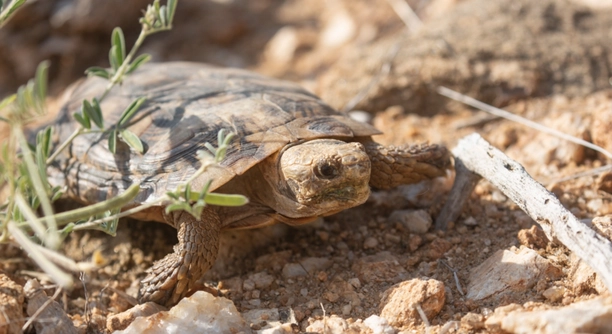
Pancake tortoises are fascinating creatures, but their shells can be fragile. Understanding what causes cracks in their shells can help ensure their well-being. Let’s explore seven key factors that contribute to shell damage in these turtles.
Shell cracks in pancake tortoises can result from various factors, including physical trauma, improper habitat conditions, poor diet, dehydration, temperature fluctuations, inadequate shell care, and natural aging. Identifying these causes is crucial for their overall health and protection.
Knowing what leads to these shell cracks helps prevent further harm and ensures that your pancake tortoise remains healthy. Keep reading to discover how you can help protect them.
Physical Trauma
One of the most common causes of shell cracks in pancake tortoises is physical trauma. These tortoises are naturally active and may experience accidents when climbing, burrowing, or interacting with their environment. Any sudden impact or force can result in cracks, especially in more delicate areas of their shells. Since their shells are not as hard as some other species, they are more vulnerable to breaks from drops, hard objects, or being stepped on. Even rough handling by humans can lead to shell damage.
Taking precautions when handling pancake tortoises is essential. Always ensure they are in safe, soft environments that limit the risk of accidents.
Physical trauma can also occur if the tortoise is housed with other animals that may cause harm. Ensuring the safety of their habitat is vital for preventing cracks in their shells. Avoid placing them near larger, more aggressive animals that might inadvertently cause injury.
Habitat Conditions
Inadequate habitat conditions are a major factor in shell cracks. Pancake tortoises require specific environmental conditions, including proper temperature and humidity. If their habitat is too dry or too cold, it can weaken their shells, making them more prone to damage.
Temperature fluctuations can affect the overall health of a pancake tortoise’s shell. Extreme cold can cause their shells to harden, making them brittle and vulnerable to cracks. Likewise, excessive heat can lead to dehydration, which also contributes to shell damage. Maintaining a stable, warm environment with proper humidity is crucial for keeping their shells strong.
Proper substrate in their enclosures also plays a role. Too much sand or rough surfaces can create pressure on their shells, leading to cracks. Providing soft bedding and ensuring the enclosure is not too crowded helps prevent unnecessary stress on their shells. Regularly monitoring and adjusting the habitat to meet the tortoise’s needs can significantly reduce the risk of shell damage.
Poor Diet
A poor diet can lead to weakened shells. Pancake tortoises need a balanced intake of calcium and other nutrients to maintain strong shells. Without these, their shells may become fragile and more likely to crack.
Low calcium levels are a common issue for pancake tortoises. If they’re not getting enough calcium from their food, their shells won’t develop properly, leading to weakness. A diet lacking in variety can also contribute to overall poor health, making the tortoise more susceptible to injuries.
It’s essential to offer a varied diet that includes dark leafy greens, calcium-rich vegetables, and occasional fruits to ensure they get the nutrients needed for shell strength.
Dehydration
Dehydration is another key factor that weakens pancake tortoises’ shells. Without enough water, their shells lose hydration and become more brittle.
Keeping your tortoise hydrated is vital for maintaining shell health. They should always have access to fresh water, and their enclosure should have adequate humidity levels.
FAQ
What should I do if I notice a crack in my pancake tortoise’s shell?
If you notice a crack in your pancake tortoise’s shell, it’s important to assess the severity of the damage. Small cracks might heal naturally if the tortoise is healthy and in the right environment. However, deeper cracks may require veterinary attention. If the crack is deep, exposing tissue, take your tortoise to a reptile vet immediately to prevent infection or further injury. Always monitor the tortoise’s behavior and appetite for signs of distress. Keeping the tortoise in a clean, safe, and appropriately humid environment will also aid in healing.
How can I prevent shell cracks in pancake tortoises?
Preventing shell cracks involves providing a safe and stable environment. Ensure that their habitat has proper temperature and humidity levels to prevent dehydration and shell weakness. Avoid rough handling and interactions with other animals that could cause injury. A balanced, calcium-rich diet will help maintain the integrity of their shells. Also, keeping the tortoise’s environment free from sharp objects and rough surfaces can help prevent accidental shell damage. Regularly inspect their shells to catch any potential issues early.
Can improper diet cause shell cracks in pancake tortoises?
Yes, an improper diet can contribute to shell cracks. Pancake tortoises need a diet that is rich in calcium to support healthy shell growth. A lack of calcium can result in a soft or weak shell that is prone to cracking. Along with calcium, the tortoise’s diet should also include a variety of dark leafy greens, vegetables, and occasional fruits. Offering a well-rounded diet will ensure the tortoise’s shell stays strong and healthy, reducing the likelihood of damage.
How does temperature affect a pancake tortoise’s shell?
Temperature plays a significant role in the health of a pancake tortoise’s shell. Extreme cold can cause the shell to harden and become brittle, making it more susceptible to cracks. On the other hand, excessive heat can lead to dehydration, which weakens the shell and causes it to dry out. Maintaining a stable temperature of around 80-85°F during the day and cooler temperatures at night is essential. Using a temperature gradient within the enclosure allows the tortoise to regulate its body temperature naturally.
What are the signs of dehydration in pancake tortoises?
Dehydration in pancake tortoises can cause their shells to become brittle and prone to cracks. Signs of dehydration include lethargy, dry skin, and a lack of appetite. The shell may also appear sunken or dry to the touch. To prevent dehydration, provide fresh water at all times and ensure the enclosure’s humidity is kept at appropriate levels. You can also mist the tortoise occasionally to encourage water absorption through its skin. If dehydration is suspected, increase water availability and consult a vet for advice.
Can I treat small shell cracks at home?
For small, superficial cracks, you can take steps to promote healing at home. Ensure the tortoise is kept in a clean, safe environment with proper temperature and humidity levels to prevent further stress on the shell. You can also apply a mild antiseptic to the crack if it appears dirty or infected. Avoid using harsh chemicals or trying to close the crack yourself, as this can cause more harm than good. If the crack doesn’t show signs of healing, or if it worsens, seek veterinary care.
How can I maintain the health of my pancake tortoise’s shell?
Maintaining a pancake tortoise’s shell health requires a balanced approach. Ensure the tortoise has a proper diet rich in calcium and other essential nutrients. Keep its habitat clean and free from rough surfaces or objects that might cause damage. Monitor temperature and humidity levels in the enclosure to keep the tortoise hydrated. Regularly inspect the tortoise’s shell for any signs of cracks, deformities, or infections. Providing a safe, enriched environment will help maintain the overall health of the tortoise and its shell.
Is it safe to house multiple pancake tortoises together?
While it is possible to house multiple pancake tortoises together, it is important to consider their individual personalities and the size of their enclosure. In smaller spaces, tortoises may become stressed or aggressive, which can lead to injury. Ensure there is enough room for each tortoise to have its own space. Providing plenty of hiding spots, climbing areas, and soft bedding can reduce the chances of conflict. If any tortoises show signs of aggression or stress, it may be necessary to house them separately.
What should I do if my pancake tortoise refuses to eat?
If your pancake tortoise refuses to eat, first check for any environmental issues. Ensure the temperature, humidity, and lighting are correct for the species. Stress, illness, or improper diet can cause a loss of appetite. Offer a variety of fresh, nutritious foods, including calcium-rich vegetables and dark leafy greens. If the refusal to eat continues for more than a few days, or if the tortoise shows other signs of illness, it’s important to consult a veterinarian to rule out any underlying health problems.
Can a shell crack heal on its own?
Superficial shell cracks may heal on their own, as long as the tortoise is healthy and kept in the right conditions. If the tortoise has a balanced diet, appropriate temperature, and adequate humidity, its shell may gradually repair itself. However, deeper or more serious cracks can lead to infection and require medical attention. It’s important to monitor the tortoise closely and provide a safe, stress-free environment to promote healing. If you’re unsure about the severity of the crack, it’s best to consult a vet.
Final Thoughts
Taking care of pancake tortoises requires attention to their environment, diet, and overall health. Their unique shells need special care to ensure they stay strong and free from cracks. A balanced diet rich in calcium and other essential nutrients is key to preventing shell damage. Along with a proper diet, providing a clean and safe habitat, free from sharp objects, will help keep them healthy. Regular monitoring of their shell and behavior will also allow you to spot any potential issues early.
Dehydration and stress can also contribute to weakened shells, so it’s important to ensure that pancake tortoises always have access to fresh water and are kept in stable conditions. Temperature and humidity levels in their enclosure should be carefully managed to prevent dehydration and other health problems. When everything is in balance, your pancake tortoise will thrive and have a strong, healthy shell. It’s a good idea to always monitor their behavior and adjust their care routine as needed.
If cracks do occur, early intervention can help prevent further issues. Minor cracks may heal naturally if the tortoise is kept in a healthy environment, while more serious damage may require veterinary attention. By staying proactive about your pancake tortoise’s care and being mindful of potential risks, you can ensure they lead a long, healthy life. Providing the right diet, hydration, and living conditions will support the health of their shell and overall well-being.

Hello,
If you enjoy the content that we create, please consider saying a "Thank You!" by leaving a tip.
Every little bit helps us continue crafting quality advice that supports the health, happiness, and well-being of pets around the world, for pets of all shapes, sizes, and species.
We really appreciate the kindness and support that you show us!