
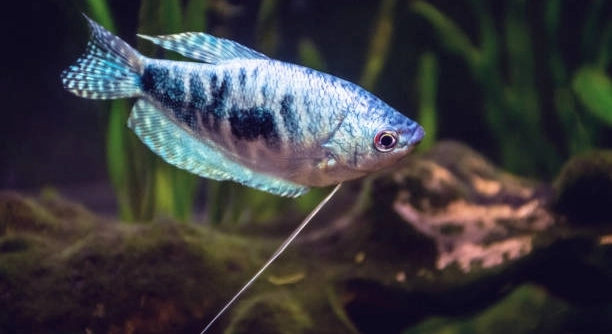
Gouramis are peaceful freshwater fish that often bring calm beauty to home aquariums. Sometimes, they jump at night, surprising their owners. Understanding the reasons behind this behavior can help maintain a safe and comfortable environment for them.
Several factors can cause gouramis to jump at night, including stress from poor water quality, sudden lighting changes, overcrowding, aggressive tank mates, insufficient hiding spots, dietary imbalances, and health issues. Addressing these elements is essential for preventing nighttime escapes.
Recognizing these causes early allows you to create a safer tank, ensuring your gouramis remain healthy and secure throughout the night.
Stress from Poor Water Quality
Gouramis are sensitive to their environment, and poor water quality can make them uneasy. High ammonia, nitrite, or nitrate levels can irritate their gills and skin, causing discomfort. Even small changes in pH or temperature can trigger stress. I noticed that when my tank water wasn’t filtered properly, my gouramis became restless at night. Frequent water changes and monitoring water parameters help maintain a stable environment. Proper filtration, regular testing, and partial water changes prevent toxins from building up. Uneven temperature caused by heaters or lights turning on and off can also lead to agitation. Providing a calm, clean tank reduces sudden jumps. Stress can weaken their immune system, making them more susceptible to disease. Observing their behavior daily helps identify water issues before they escalate. Gouramis prefer calm water with consistent conditions, so keeping it stable ensures they remain comfortable and less likely to leap unexpectedly.
Consistent water maintenance keeps gouramis calm and reduces nighttime jumping. Regular testing and cleaning are essential for their safety.
Monitoring water quality daily and adjusting filtration, temperature, and pH levels allows you to maintain a stable, healthy tank. Observing your gouramis’ behavior gives early signs of stress. Small improvements, like adding gentle filtration or testing kits, can make a significant difference. Over time, the fish will settle, showing fewer sudden movements and calmer nighttime behavior. Combining clean water with a quiet environment and stable temperature creates a safe space, preventing accidental jumps and injuries.
Sudden Lighting Changes
Abrupt changes in lighting can startle gouramis, especially at night. Sudden flicks of lights or shadow movements often trigger jumping. Maintaining a consistent lighting schedule helps them feel secure. Gradual dimming or using soft night lights prevents unnecessary stress.
Gouramis rely on stable lighting to regulate their sleep and activity patterns. Sudden brightness can cause panic and lead to leaping.
A consistent day-night cycle reduces disorientation and keeps gouramis relaxed. I noticed that after installing a dimmable light system, my fish became calmer during the night. Rapid changes, like turning the main room lights on or off, can ripple through the tank, startling them. Avoid placing tanks near areas with frequent motion or bright lights during the night. Using a timer ensures that lights change gradually, creating a predictable environment. Soft or low-intensity lighting at night can mimic natural dusk, helping gouramis feel safe. Stability in light conditions, combined with proper hiding spaces, prevents them from reacting impulsively. Gradual lighting changes give them time to adjust, reducing stress and nighttime jumps. By controlling light patterns, the tank becomes a secure space where gouramis sleep peacefully.
Overcrowding
Too many fish in one tank can make gouramis feel trapped and stressed. Limited space leads to competition for food and hiding spots, which often causes sudden jumping.
In my experience, overcrowded tanks trigger more nighttime activity. Gouramis need enough room to swim freely and establish territories. When space is restricted, aggression and stress increase, making them more likely to leap unexpectedly. Adding more tank volume or reducing the number of fish eases tension. Proper stocking ensures everyone has access to food, resting areas, and plants to hide in. Overcrowding not only causes jumps but can also compromise their health. Observing their swimming patterns helps identify if stress is from limited space. Adjusting the tank population creates a calmer environment where gouramis feel secure and display normal behavior without sudden bursts of movement.
Providing sufficient space for each fish encourages peaceful interaction and reduces nighttime jumping. A balanced tank environment is key for their comfort and safety.
Maintaining appropriate stocking levels improves the overall health of the tank. Gouramis thrive when they have room to explore, hide, and feed without pressure. Overcrowding causes competition, elevates stress hormones, and can lead to injuries from sudden jumps or fights. Plants, rocks, and decorations also help by creating natural barriers and private areas. I noticed my gouramis became calmer after reorganizing the tank and removing excess fish. Giving each fish its own territory and ensuring adequate space prevents nighttime leaping and promotes healthier interactions. A properly sized tank with enough hiding spots reduces stress, improves their sleep, and creates a more stable, predictable environment.
Aggressive Tank Mates
Gouramis often react to aggressive fish in the same tank, which can make them jump suddenly at night. Constant harassment or chasing triggers fear responses.
Keeping gouramis with calm, compatible species prevents stress and nighttime jumps. Aggressive interactions disturb their routine and can harm their health.
Aggressive tank mates significantly impact gouramis’ behavior. I had a tank where a few nippy fish constantly chased my gouramis, and they jumped repeatedly at night. Even if attacks are minor, constant tension creates fear and disrupts sleep. Choosing peaceful companions reduces stress, allowing gouramis to swim and rest without threat. Observing interactions is important, as aggression can be subtle but impactful. Adding more hiding spaces and visual barriers also helps gouramis feel secure. Ensuring compatibility minimizes unexpected jumps, lowers stress, and promotes healthier growth. By monitoring fish behavior and removing aggressive species if necessary, gouramis can remain calm, safe, and comfortable during both day and night.
Insufficient Hiding Spots
Gouramis feel vulnerable without enough places to hide. Lack of cover can make them anxious and more likely to jump at night.
Adding plants, caves, or decorations provides security. I noticed my gouramis became calmer once they had shaded areas to retreat to during nighttime.
Dietary Imbalances
A poor diet can affect gouramis’ energy levels and behavior. Overfeeding or feeding low-quality food may lead to restlessness. Balanced nutrition keeps them calm and reduces sudden jumping. Regularly varying their diet with flakes, pellets, and occasional live or frozen food ensures proper health and minimizes nighttime activity.
Health Issues
Illness or injury can cause discomfort, prompting gouramis to leap unexpectedly. Monitoring for signs of disease and treating promptly helps maintain their safety and stability.
FAQ
Why do my gouramis jump out of the tank at night?
Gouramis jump when they feel stressed, threatened, or uncomfortable. Poor water quality, overcrowding, aggressive tank mates, sudden lighting changes, or lack of hiding spots can trigger this behavior. I noticed my gouramis jumped more when the water parameters were inconsistent or the tank was too crowded. Addressing these issues reduces nighttime jumping.
How can I prevent my gouramis from jumping?
Ensuring stable water quality, proper tank size, compatible tank mates, and enough hiding places is key. Adding gentle filtration, regular water changes, and soft lighting at night helps gouramis feel secure. Plants and decorations provide shelter and reduce stress, making them less likely to leap.
Is jumping dangerous for gouramis?
Yes, jumping can cause injuries or even death if they land outside the tank. I once found one on the floor after a sudden startle. Covering the tank and maintaining a calm environment minimizes risk.
Do gouramis jump due to health problems?
Yes, illness, parasites, or injuries can make gouramis restless. Sudden leaps may indicate discomfort or pain. Regular observation, maintaining clean water, and treating diseases promptly keeps them healthy and reduces unexpected jumping.
Can poor diet cause jumping behavior?
Diet affects energy levels and stress. Overfeeding or low-quality food can make gouramis restless. I saw improvement after providing a balanced mix of flakes, pellets, and occasional live or frozen food. Consistent, nutritious feeding stabilizes their behavior.
Does tank location matter for preventing jumps?
Absolutely. Tanks near high traffic areas, loud noises, or fluctuating light can startle gouramis. I moved my tank to a quieter corner, and nighttime jumping decreased. A stable, peaceful location helps them feel safe.
Are certain gourami species more prone to jumping?
Some species, like dwarf gouramis, are more sensitive and prone to stress-related jumps. Knowing the behavior tendencies of your species allows better tank setup and preventive measures. Providing hiding spots and calm companions is especially important for sensitive types.
Can tank decorations reduce jumping?
Yes, plants, rocks, and caves create visual barriers and shelter. Gouramis feel protected and less likely to jump. I added floating plants and noticed calmer nighttime behavior. Decorations mimic natural habitats, helping them feel secure.
How often should I check water parameters?
Frequent testing is essential, ideally weekly. Stable ammonia, nitrite, nitrate, pH, and temperature levels prevent stress. I keep a log to track trends, making it easier to adjust before issues arise, which keeps gouramis calm.
Should I cover the tank at night?
Covering the tank with a secure lid is necessary. It prevents injuries from accidental jumps. I use a well-fitting lid and ensure ventilation. Even with other preventive measures, a cover is a practical safeguard for gouramis’ nighttime safety.
Can stress from other fish cause jumping?
Yes, aggressive or overly active tank mates create fear and tension. Gouramis may leap to escape perceived threats. Observing interactions and separating incompatible fish or providing hiding spots reduces stress-related jumps.
Does temperature affect jumping behavior?
Sudden temperature changes can cause restlessness. Gouramis prefer stable temperatures suited to their species. I use a reliable heater and thermometer to prevent fluctuations. Stable temperatures reduce nighttime jumps and keep them comfortable.
What should I do if my gourami keeps jumping?
First, check water quality, tank size, and tank mates. Ensure hiding spots, proper diet, and stable lighting. Observing behavior helps identify stress triggers. Covering the tank prevents injury while addressing the underlying cause. Gradual improvements lead to calmer, safer fish.
Can lighting adjustments help prevent jumps?
Yes, sudden light changes startle gouramis. I installed a timer and dimmable lights to create a smooth transition between day and night. Gradual changes reduce stress and prevent nighttime leaping. Consistent light cycles stabilize their behavior.
Is overcrowding a common reason for jumping?
Definitely. Limited space creates stress, competition, and territorial disputes. I reduced my tank population and added hiding spaces, which lowered jumping incidents. Proper stocking ensures peaceful interactions and reduces nighttime leaps.
How do I know if a jump was due to stress or health issues?
Observe behavior closely. Stress-related jumps are often linked to environmental factors, while health-related jumps may include lethargy, loss of appetite, or visible illness. Monitoring daily allows you to distinguish the cause and respond appropriately.
Can gouramis adapt to a tank and stop jumping over time?
Yes, once stressors are removed and a stable environment is maintained, gouramis usually adapt. I noticed calmer nights after improving water quality, lighting, and adding hiding spots. Patience and consistent care help them feel secure.
What signs indicate my gouramis are comfortable?
Calm swimming, regular feeding, and resting near plants or decorations are positive signs. Reduced nighttime jumps and minimal sudden movements indicate they feel safe. I often watch for these behaviors to ensure the tank environment remains suitable.
Are there any quick fixes for nighttime jumping?
Immediate measures include covering the tank, reducing lighting changes, and providing hiding spots. Long-term fixes involve water quality management, diet balance, and compatible tank mates. Quick actions prevent injuries while addressing the underlying issues gradually.
How important is observation in preventing jumps?
Observation is critical. Daily monitoring of behavior, water parameters, and tank interactions allows early detection of stressors. I keep notes on feeding, movement patterns, and hiding tendencies, which helps prevent nighttime jumps and maintain a stable environment for gouramis.
This FAQ covers the main factors affecting gouramis’ nighttime jumping and practical measures to reduce it, ensuring a safer and calmer aquarium environment.
Gouramis are delicate fish that respond strongly to their environment, and understanding their needs is key to preventing nighttime jumping. Many factors can influence this behavior, from water quality to tank conditions, lighting, and even the presence of aggressive tank mates. Maintaining a clean tank with stable water parameters is one of the most important steps. Ammonia, nitrite, nitrate, pH, and temperature should be monitored regularly. Sudden changes in any of these factors can cause stress, leading gouramis to leap unexpectedly. Partial water changes, proper filtration, and a consistent maintenance routine create a stable environment that supports their well-being. A healthy tank reduces restlessness and promotes calm behavior during the night.
Providing enough space and hiding spots also plays a critical role in keeping gouramis comfortable. Overcrowding can increase tension and cause competition for resources, which makes them more likely to jump. Decorations, plants, and caves offer security and mimic their natural habitats. Gouramis often feel safer when they can retreat to shaded areas, especially during the night. Lighting should be gradual rather than sudden, with timers or dimmable lights used to maintain a consistent day-night cycle. Gentle illumination at night can prevent startling reactions and allow the fish to rest properly. Choosing peaceful, compatible tank mates further reduces stress, ensuring that gouramis are not harassed or chased.
Diet and health are equally important for calm behavior. A balanced diet that includes flakes, pellets, and occasional live or frozen food ensures proper nutrition and prevents energy imbalances that could lead to sudden activity. Overfeeding or low-quality food may increase restlessness and nighttime jumps. Monitoring for signs of illness, injury, or parasites is essential, as discomfort from health issues can also trigger leaping. Observing behavior daily allows early detection of problems, so adjustments can be made quickly. By combining consistent water care, adequate space, hiding spots, stable lighting, proper nutrition, and attention to health, gouramis are more likely to remain calm, safe, and comfortable in the tank. These measures help create a peaceful environment, reducing stress and promoting healthier, happier fish.

Hello,
If you enjoy the content that we create, please consider saying a "Thank You!" by leaving a tip.
Every little bit helps us continue crafting quality advice that supports the health, happiness, and well-being of pets around the world, for pets of all shapes, sizes, and species.
We really appreciate the kindness and support that you show us!