
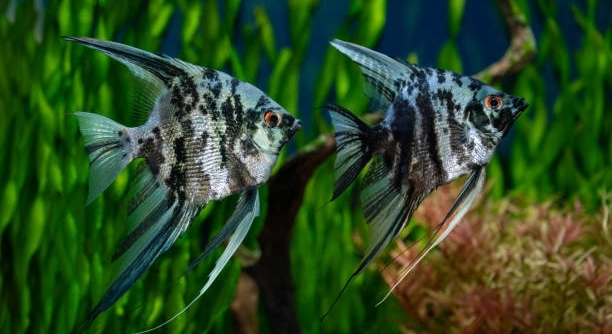
Are your angelfish acting differently or showing signs of stress that you can’t quite explain? It can be upsetting to see them struggle, especially when their tank seems perfectly fine at first glance.
Angelfish can become stressed due to poor water quality, incompatible tank mates, overcrowding, temperature fluctuations, improper feeding, sudden changes, or lack of hiding spaces. Identifying and correcting these stressors is key to maintaining their overall health and behavior.
Learning what affects their comfort can make a big difference in their daily life and help you maintain a more peaceful tank.
Poor Water Quality
Clean water is essential for angelfish to stay healthy and relaxed. When ammonia, nitrite, or nitrate levels rise, it can lead to stress, illness, or even death. Regular water testing helps you track these levels and keep everything in check. Make sure your filter is working properly and clean it as needed. Doing partial water changes weekly—about 25%—helps dilute waste and refresh the tank. Dechlorinate any tap water before adding it. Uneaten food and debris should also be removed quickly to prevent spikes in harmful compounds. A stable pH and temperature are also part of good water quality. Try to maintain a consistent pH between 6.5 and 7.5, and keep the temperature around 78°F. Sudden shifts in these numbers can trigger stress fast. When angelfish swim near the surface or breathe heavily, these can be early signs of water-related stress that need immediate attention.
Stable and clean water helps your angelfish feel secure and behave normally throughout the day.
Keeping up with maintenance doesn’t take much time, but it makes a huge difference. Avoid overfeeding, vacuum the substrate weekly, and check your filter’s condition often. Staying consistent with these steps helps prevent common issues. When the water stays balanced, angelfish tend to swim more freely and eat with ease.
Aggressive or Incompatible Tank Mates
Angelfish can be territorial, especially during breeding or if space is limited.
Housing them with nippy or overly active fish can lead to chronic stress and hiding. It’s best to pair them with calm, similarly sized fish like peaceful tetras, cory catfish, or dwarf gouramis. Avoid placing them with fin-nippers such as tiger barbs or hyperactive swimmers like danios. If you already have aggressive fish in your tank, consider rearranging the layout to reduce territorial behavior or adding plants to block line of sight. This creates natural breaks in aggression and helps each fish feel like it has its own space. Also, watch how many fish you keep in one tank. Too many fish can lead to tension even among compatible species. If your angelfish are hiding all the time or show torn fins, it’s a sign their tank mates may be too much for them. When you choose peaceful companions and maintain enough space, your angelfish can stay calm and swim more freely.
Overcrowded Tank
An overcrowded tank makes it hard for angelfish to find space, leading to stress and territorial behavior. Limited swimming room and too many fish competing for food or shelter can cause constant tension, which weakens their immune system over time.
To avoid overcrowding, aim for at least 10 gallons per angelfish, especially if you’re keeping them with other species. Angelfish grow fairly large and need vertical space as well as horizontal room to swim comfortably. Overcrowded conditions also create more waste, which affects water quality. When too many fish are in a small space, it’s harder to maintain stable water conditions. You may also see more aggressive behavior when fish feel boxed in. If your tank looks too full or you’re struggling to keep water levels balanced, it might be time to reduce the number of fish or consider a larger tank for long-term comfort.
Extra decorations and tall plants can help break up the space, but they shouldn’t be a substitute for proper tank size. If downsizing the number of fish isn’t possible, improving filtration and increasing water changes can help. Still, no amount of cleaning can fix a space issue entirely. Giving each fish enough room to swim without bumping into others is key to reducing stress.
Temperature Fluctuations
Temperature changes can quickly throw off your angelfish’s behavior. Sudden drops or rises, especially outside their comfort zone of 76–82°F, make them more vulnerable to illness, reduce activity, and create long-term stress in the tank.
Use a reliable aquarium heater and thermometer to maintain a steady temperature. Place the heater where water circulates well, like near the filter, so the heat spreads evenly. Avoid placing the tank near windows, vents, or doors, which can cause temperature swings during the day or night. If your area experiences cold nights, consider a backup heater or an aquarium cover to help retain warmth. Also, be careful during water changes—match the new water’s temperature to the tank water to avoid shocking the fish. Some signs of temperature-related stress include clamped fins, sluggish movement, or gasping near the surface. A consistent temperature helps angelfish stay active, eat well, and feel secure.
When your tank’s temperature is stable, angelfish show calmer, more predictable behavior. It also reduces the risk of illness since stress weakens their natural defenses. Keeping their environment warm and steady gives them one less thing to worry about.
Improper Feeding
Feeding your angelfish too much or too little can cause unnecessary stress. Overfeeding leads to water pollution, while underfeeding leaves them undernourished. Both situations affect their energy, immunity, and behavior.
Stick to small portions two to three times a day. Remove any uneaten food within a few minutes to keep the tank clean.
Sudden Environmental Changes
Angelfish are sensitive to change, and sudden shifts in their surroundings can throw them off balance. This includes big rearrangements in the tank, changes in lighting, loud sounds near their setup, or even moving the tank to a new location. If you need to make changes, do them slowly and one at a time. For example, when adding new plants or decorations, give the fish time to adjust before adding more. Keep lighting consistent each day, and avoid switching it on and off suddenly. A stable and predictable environment helps angelfish feel more at ease and prevents unnecessary stress-related issues.
Lack of Hiding Spots
A tank without enough cover can leave angelfish feeling exposed. They need plants or decorations to retreat behind when they feel threatened or overwhelmed.
FAQ
How can I tell if my angelfish is stressed?
Stressed angelfish often show visible and behavioral changes. You might notice faded colors, clamped fins, erratic swimming, or hiding more than usual. Some fish may stop eating or become more aggressive. They might stay near the surface or bottom for long periods, away from others. If something feels off or they’re acting differently, it’s often a sign that something in the tank needs to be checked—like water quality, temperature, or tank mates. Acting quickly can prevent the stress from leading to illness or long-term damage.
Can stress cause my angelfish to stop eating?
Yes, stress is one of the main reasons angelfish stop eating. This can happen when there’s a sudden change in their environment, poor water conditions, bullying from tank mates, or illness. When they feel unsafe or uncomfortable, eating becomes a lower priority. If your angelfish is skipping meals, test the water, check for signs of disease, and look at their surroundings. Make sure the tank feels stable and quiet, and try offering small amounts of their favorite food to encourage eating again.
What water conditions help reduce angelfish stress?
Keeping clean, balanced water is essential. Aim for a temperature between 76–82°F, a pH of 6.5–7.5, and low ammonia and nitrite levels (ideally zero). Do partial water changes weekly—about 25–30%—and use a good filter to keep things steady. Test your water regularly using a reliable test kit, and avoid making big changes too quickly. Consistency is what helps angelfish feel calm and stay healthy. Adding a few live plants and soft lighting can also make the tank feel more natural and relaxing.
Can tank mates stress out my angelfish?
Yes, not all fish make good neighbors for angelfish. Fin nippers, aggressive species, or fast swimmers can cause a lot of stress. Even peaceful fish, if too many are added, can crowd the space and make your angelfish feel uneasy. Stick with calm, slow-moving fish like corydoras, bristlenose plecos, or peaceful tetras. Keep an eye out for chasing or hiding, which could mean your angelfish feels threatened. If there’s tension in the tank, it’s usually best to separate the fish or adjust the tank setup to give everyone space.
How long does it take for a stressed angelfish to recover?
Recovery time depends on what caused the stress and how quickly it’s fixed. Some angelfish bounce back within a day or two once conditions improve. Others may need a week or longer, especially if the stress lasted a while or led to illness. During recovery, keep their routine simple and stable. Limit changes to the tank, feed them lightly, and avoid loud noises or tapping the glass. If your fish is still acting unusual after a week, double-check the water parameters and watch for signs of disease.
Do angelfish get stressed when moved to a new tank?
Yes, changing tanks is a major source of stress. Even if the new setup is better, the shift itself is overwhelming. To ease the transition, make sure the new tank is fully cycled and has similar water conditions to the old one. Use the same filter media or decorations if possible, so the environment feels more familiar. Give them time to explore without interruption, and avoid feeding for the first 24 hours to prevent digestive issues. A slow, gentle move always works better than rushing.
What’s the best way to calm a stressed angelfish?
Start by checking the water—make sure everything is within the right range. Reduce noise around the tank and dim the lights slightly for a calmer feel. If they’re being chased or picked on, add some hiding spots or divide the tank. Stick to a regular feeding schedule and avoid overhandling or sudden movements near the tank. In some cases, adding a little aquarium salt (if safe for your tank setup) can also help reduce stress. Keep things steady, and give them a few days to adjust.
Final Thoughts
Keeping angelfish healthy and stress-free takes time, patience, and consistency. These fish are sensitive to their surroundings and often react strongly when something feels off. Small changes in water quality, tank mates, lighting, or feeding habits can build up and cause stress if not handled properly. Learning how to spot the early signs of stress—like hiding, clamped fins, or not eating—is important. It helps you act quickly and make small adjustments before the problem grows. Once you understand what causes stress in your angelfish, you’ll be better prepared to create a stable environment they can thrive in.
Stress in angelfish isn’t always caused by one thing. Often, it’s a mix of factors working together. Maybe the water temperature drops a few degrees, and a new fish is added at the same time. Or perhaps the tank light stays on too long while the water is overdue for a cleaning. These might seem minor on their own, but combined, they can make your angelfish feel uneasy. That’s why it helps to look at the big picture—checking everything from the filter and food to the tank layout and lighting schedule. When everything is balanced and steady, your angelfish will feel more at ease and act more naturally.
Building a good routine is key. Feed them on a schedule, test the water regularly, and keep an eye on how they behave from day to day. If they start acting differently, don’t panic—just take a few minutes to go over the basics. Often, a quick water change, adjusting the light, or giving them more space is enough to make things better. The more attention you give to their comfort and environment, the more confident and healthy they’ll become. Over time, you’ll start to notice how small changes affect them, and that awareness will help you care for them more effectively. It doesn’t take fancy tools or expert knowledge—just a calm, steady approach and the willingness to check in on your angelfish a little each day.

Hello,
If you enjoy the content that we create, please consider saying a "Thank You!" by leaving a tip.
Every little bit helps us continue crafting quality advice that supports the health, happiness, and well-being of pets around the world, for pets of all shapes, sizes, and species.
We really appreciate the kindness and support that you show us!