
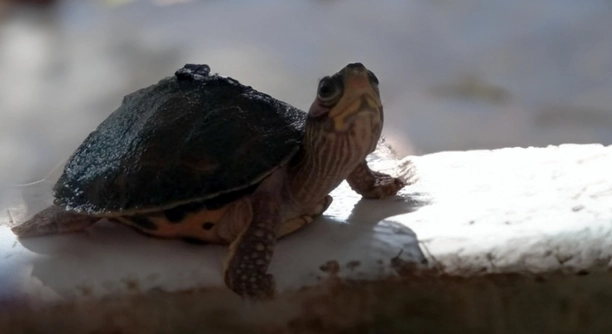
An Indian Roofed Tortoise is a fascinating pet that requires careful attention to its health. One important aspect to watch is its eyes, which can sometimes swell due to various factors.
Several factors can contribute to eye swelling in Indian Roofed Tortoises, including infections, improper diet, environmental stress, or injury. Conditions such as respiratory infections or vitamin A deficiency may also cause swollen eyes, requiring prompt veterinary attention.
By understanding these factors, you can take the necessary steps to prevent eye swelling and promote your tortoise’s overall health.
Infections and Eye Swelling
Infections are one of the most common reasons for eye swelling in Indian Roofed Tortoises. Bacterial or fungal infections can cause the eyes to become puffy or swollen. This may be accompanied by discharge, redness, or cloudiness in the eyes. When an infection occurs, the tortoise’s immune system works to fight off the pathogen, leading to inflammation and swelling. Without proper treatment, infections can worsen, potentially affecting the tortoise’s vision and overall health.
The main signs of an infection include swelling, cloudy eyes, and excessive tearing. If any of these symptoms are noticed, it’s important to consult a veterinarian for the appropriate medication. Early intervention can help prevent more serious complications.
Infections are often caused by unsanitary conditions, such as dirty enclosures or unclean water. Regular cleaning of the tortoise’s habitat can reduce the likelihood of infection. Additionally, proper diet and hydration are essential for maintaining a strong immune system, which helps the tortoise fight off infections more effectively.
Environmental Stress
Environmental stress can also lead to eye swelling. Changes in temperature, humidity, or light exposure can cause a tortoise to become stressed. These conditions might result in physical symptoms like swollen eyes, lethargy, and lack of appetite. Stress weakens the immune system, making the tortoise more vulnerable to infections and other health issues.
Maintaining a consistent and stable environment is crucial for your tortoise’s well-being. Providing the correct lighting, temperature, and humidity levels helps minimize stress and promotes better health.
Vitamin A Deficiency
A lack of vitamin A can lead to swelling in the eyes of an Indian Roofed Tortoise. This vitamin is essential for maintaining healthy vision and immune function. Without adequate amounts, the tortoise’s eyes may show signs of swelling or even become completely closed.
Vitamin A is crucial for maintaining the health of the eyes, skin, and internal organs. Tortoises that don’t get enough of this nutrient can suffer from poor eyesight and other health issues. The best way to prevent this deficiency is by offering a diet rich in vitamin A, including leafy greens like kale, dandelion, and carrots. Vitamin supplements may be used if necessary, but it’s important to follow a vet’s advice on proper dosage.
A consistent diet rich in vitamin A ensures your tortoise’s eyes remain clear and healthy. It’s important to avoid feeding them only one type of food, as this can lead to nutritional imbalances. Rotating their diet with different vegetables and fruits ensures they get the necessary nutrients for good health.
Injury or Trauma
Injury to the eyes can also lead to swelling in Indian Roofed Tortoises. A simple scratch or blunt force can cause immediate swelling or damage to the delicate eye tissues. The swelling may be accompanied by redness or discharge, which can worsen if left untreated.
Injuries can occur in various ways, such as through rough handling, fights with other animals, or accidental bumps. If you notice your tortoise’s eyes swelling after an injury, it’s important to monitor the situation closely. If the swelling doesn’t subside or worsens, seek professional help. A vet will assess the injury and provide the necessary care to avoid complications like infection or permanent damage.
Poor Habitat Conditions
Poor habitat conditions can contribute to eye swelling in tortoises. These can include improper temperature, humidity, and unclean living spaces. Tortoises that live in environments that don’t mimic their natural habitat are more likely to experience stress and health issues, including swollen eyes.
Keeping their habitat clean and well-maintained is essential. Regularly change the bedding, clean the water, and ensure the temperature and humidity levels are correct. A dirty environment can harbor bacteria and fungi, leading to infections that cause eye swelling. Ensuring a proper living space helps prevent health problems and ensures your tortoise thrives.
Dehydration
Dehydration is another common cause of eye swelling. When a tortoise doesn’t drink enough water, it can lead to various health issues, including eye problems. The lack of hydration causes the body to become imbalanced, and swelling may appear as a result.
Make sure your tortoise has constant access to fresh water. Hydration is crucial for their overall health and helps to maintain healthy skin and eye function. Regularly misting their enclosure can also help, especially in dry climates, to prevent dehydration and keep their eyes from swelling.
Respiratory Infections
Respiratory infections are known to cause eye swelling in tortoises. These infections often result from bacteria, viruses, or fungi and can lead to symptoms like discharge from the eyes, nasal discharge, and difficulty breathing. If left untreated, respiratory infections can cause severe health problems.
Respiratory infections can develop when tortoises are exposed to poor environmental conditions, like excessive humidity or cold temperatures. It’s important to monitor your tortoise for signs of respiratory illness and seek veterinary care if symptoms persist. The vet may prescribe antibiotics or antifungal treatments to address the infection.
FAQ
What are the signs that my tortoise’s eyes are swollen due to an infection?
If your tortoise’s eyes are swollen due to an infection, you may notice symptoms like redness, cloudiness, or excessive discharge from the eyes. The tortoise may also appear lethargic and may have difficulty opening its eyes. In severe cases, the swelling can cause the eyes to completely close. You should seek a vet if you notice any of these symptoms to ensure proper treatment.
Can stress cause my tortoise’s eyes to swell?
Yes, stress can lead to eye swelling in tortoises. When a tortoise experiences changes in its environment or is exposed to stressful situations, it can weaken its immune system. This makes it more susceptible to infections, which may cause eye swelling. Keeping your tortoise’s environment stable and calm can reduce stress and prevent this issue.
How can I prevent vitamin A deficiency in my tortoise?
To prevent vitamin A deficiency, provide your tortoise with a diet rich in this essential vitamin. Leafy greens like kale, dandelion, and collard greens, as well as vegetables like carrots and squash, are great sources of vitamin A. It may also be necessary to supplement their diet with vitamin A drops, but you should consult a vet before doing so.
Is it safe to give my tortoise a vitamin A supplement?
Vitamin A supplements can be helpful if your tortoise is not getting enough from its diet. However, it’s important not to over-supplement, as too much vitamin A can be toxic. Always consult a veterinarian before introducing supplements to ensure you are giving the right amount.
How do I know if my tortoise has an eye injury?
If your tortoise has an eye injury, you may notice swelling, redness, or discharge from the affected eye. The eye might be partially or completely closed, and the tortoise may appear to be in discomfort. Injuries can occur from rough handling or interactions with other animals. If you suspect an injury, it’s important to have the tortoise evaluated by a vet to prevent complications.
Can dehydration cause eye swelling in tortoises?
Dehydration can indeed cause eye swelling in tortoises. When a tortoise doesn’t get enough water, its body can become imbalanced, leading to swelling in various parts, including the eyes. Ensure your tortoise has access to fresh water at all times, and consider misting its enclosure if you live in a dry climate to keep it hydrated.
How do I treat a respiratory infection in my tortoise?
If your tortoise has a respiratory infection, it may show signs like nasal discharge, labored breathing, or swollen eyes. It’s important to take your tortoise to a vet as soon as possible for proper diagnosis and treatment. The vet may prescribe antibiotics or antifungal medications depending on the cause of the infection.
What temperature and humidity should I maintain for my tortoise?
Tortoises require a specific range of temperature and humidity to thrive. The temperature should be between 75-85°F (24-29°C) in the daytime, with a basking spot of 90-95°F (32-35°C). The humidity should be around 50-60%, although some species may require slightly higher humidity levels. Always check your tortoise’s species-specific needs to ensure the right environment.
Why is my tortoise’s eye swollen but it’s not showing any other symptoms?
Sometimes, a tortoise’s eye may become swollen due to minor irritation, stress, or small injuries that may not immediately show other symptoms. However, if the swelling doesn’t go away or gets worse, it’s a sign that something may be wrong, like an infection or vitamin A deficiency. It’s best to monitor the situation and consult a vet if necessary.
Can my tortoise’s diet cause eye swelling?
A poor diet can indeed cause eye swelling. If your tortoise isn’t getting the proper nutrients, especially vitamin A, it could lead to issues like swollen eyes. Ensure your tortoise has a balanced diet with a variety of leafy greens, vegetables, and occasional fruits to maintain its overall health.
How long does it take for a tortoise’s swollen eyes to heal?
The healing time for swollen eyes in tortoises depends on the cause. If it’s an infection, treatment with medication from a vet can start showing improvement within a few days. For vitamin A deficiency, once the diet is adjusted, the eyes may improve within a week or two. For injuries, the healing time can vary depending on the severity of the injury.
Should I isolate my tortoise if it has swollen eyes?
Yes, it’s a good idea to isolate your tortoise if it has swollen eyes, especially if you suspect it might be contagious or infected. This will prevent the spread of any potential infection to other animals. It also allows you to monitor the condition more closely without interference.
What should I do if my tortoise’s swollen eyes don’t improve?
If your tortoise’s swollen eyes don’t improve with home care or seem to worsen, it’s important to take it to a vet as soon as possible. The vet can assess the situation, run tests if needed, and provide the proper treatment. Prolonged swelling can lead to more severe issues if left untreated.
How often should I clean my tortoise’s habitat?
Cleaning your tortoise’s habitat regularly is crucial to its health. You should clean its enclosure at least once a week, ensuring that the water is changed and any waste is removed. Spot cleaning should be done daily to maintain a clean and safe environment, preventing infections and stress.
What can I do to help my tortoise with swollen eyes?
To help your tortoise with swollen eyes, ensure it has a proper diet rich in vitamin A, maintain a clean habitat, and reduce stress factors. If the swelling is caused by an infection or injury, seek veterinary care immediately. Proper hydration and a stable environment are essential for healing.
Can swollen eyes in a tortoise be a sign of something serious?
Yes, swollen eyes can sometimes be a sign of a more serious underlying issue, such as a severe infection, dehydration, or a vitamin A deficiency. If the swelling doesn’t subside with proper care, it’s important to seek veterinary advice to prevent long-term damage or complications.
Final Thoughts
Swollen eyes in an Indian Roofed Tortoise can be caused by various factors, ranging from infections to diet-related issues. Identifying the cause early is key to preventing further health complications. The most common causes include vitamin A deficiency, respiratory infections, and environmental stress. It’s important to keep a close watch on your tortoise and make necessary adjustments to its care routine. Whether it’s adjusting the diet to ensure enough vitamin A or improving the humidity and temperature in the enclosure, small changes can make a big difference in your tortoise’s well-being.
Ensuring your tortoise is getting a balanced and nutrient-rich diet is essential for its long-term health. In addition to offering a variety of leafy greens, vegetables, and fruits, consider supplementing the diet with vitamins if recommended by a vet. Always prioritize hydration and maintain a stable, calm environment. Avoid sudden changes that could stress your tortoise, and ensure that its habitat has the right temperature and humidity levels. The right care can prevent many common issues, including swollen eyes, and keep your tortoise healthy.
In the case that eye swelling persists, or if other symptoms accompany the condition, seeking veterinary advice is essential. A vet can help identify the underlying cause and provide treatment options that may include medications or changes in diet. While most minor cases can be handled at home with proper care, it’s always best to consult a professional if you’re uncertain. By staying proactive and attentive to your tortoise’s health, you can help prevent serious issues and ensure that it leads a healthy, happy life.

Hello,
If you enjoy the content that we create, please consider saying a "Thank You!" by leaving a tip.
Every little bit helps us continue crafting quality advice that supports the health, happiness, and well-being of pets around the world, for pets of all shapes, sizes, and species.
We really appreciate the kindness and support that you show us!