
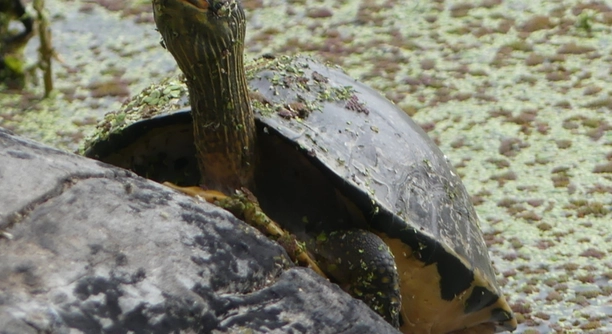
An Indian Roofed Tortoise can face a loss of appetite for various reasons. It is essential to recognize factors that may contribute to this issue. Knowing these factors will help you take better care of your pet’s well-being.
Several factors, including stress, temperature changes, improper diet, health issues, and environmental conditions, can affect a tortoise’s appetite. Ensuring a consistent environment and providing the right food can help maintain their healthy eating habits.
Understanding these causes will help address the issue and support your tortoise’s overall health in the long term.
Stress and Anxiety Can Affect Appetite
Stress can easily reduce your tortoise’s appetite. When they feel threatened or uncomfortable, they might stop eating. Changes in their surroundings, loud noises, or unfamiliar people can cause anxiety. Overcrowding in their enclosure can also add unnecessary stress, leading to decreased feeding behavior.
A quiet, calm environment is crucial for your tortoise’s well-being. Make sure the habitat is spacious and quiet enough to avoid overwhelming them. Reducing any sudden changes, like moving them to a new location or introducing new pets, will keep stress levels down.
It’s also important to note that certain handling practices can cause distress. Tortoises prefer a stable environment and may react negatively to excessive handling. Their instinct is to seek shelter and stay hidden when feeling insecure. Consistent care that avoids unnecessary disruptions will help maintain their feeding habits. Try to observe your tortoise’s behavior closely to identify any stress factors and adjust their living conditions accordingly.
Temperature Fluctuations Impact Eating Habits
Temperature plays a big role in a tortoise’s appetite. If their environment is too cold or hot, they may lose interest in food. A consistent temperature range is essential for them to feel comfortable and active.
Maintaining a warm, stable environment within the right temperature range ensures your tortoise remains active and hungry.
Diet Imbalances and Appetite Loss
If your tortoise’s diet isn’t balanced, it could affect their eating habits. A lack of variety in their food or the wrong nutrients can cause a decrease in appetite. Overfeeding certain foods can also lead to digestive issues, reducing their interest in eating.
Offering a variety of fresh vegetables, fruits, and high-quality protein can provide the nutrients they need. A proper diet includes foods that mimic their natural intake. A sudden change in diet may also cause stress, leading them to lose their appetite. Stick to a consistent feeding routine and avoid changing their meals too often.
You should also ensure that they’re getting the right amount of fiber, which is essential for digestion. If your tortoise isn’t getting the proper nutrition, they might feel sluggish or uncomfortable. This can make them less inclined to eat, so adjusting their food intake could bring their appetite back.
Health Issues and Appetite Decrease
Health issues are one of the main reasons your tortoise might lose their appetite. Infections, parasites, or internal issues like digestive problems can significantly reduce their desire to eat. If they are in pain or discomfort, they are less likely to engage in feeding.
Any signs of lethargy, swelling, or difficulty in movement should be monitored closely. If their behavior changes, it might indicate a health problem that requires veterinary attention. Tortoises can also stop eating if they are dehydrated, so always make sure they have access to fresh water.
A decrease in appetite due to illness is often accompanied by other symptoms. Look out for changes in their shell, skin, or eyes, as these could signal health problems. Seeking professional advice early can help prevent further complications and ensure your tortoise is back to eating well.
Environmental Conditions and Appetite
Changes in environmental conditions can directly affect your tortoise’s appetite. If their enclosure is too small or lacks sufficient hiding spots, they may feel insecure and stop eating. The temperature and humidity levels should be regularly checked to maintain a comfortable habitat.
A secure environment with appropriate lighting and temperature can help your tortoise feel more at ease. If they are constantly exposed to excessive heat or cold, it may lead to stress and loss of appetite. Ensuring that the habitat mimics natural conditions is key for maintaining their feeding habits.
Overfeeding and Lack of Activity
Overfeeding can lead to a lack of interest in food. If your tortoise is eating too much at one time or too frequently, it might not feel hungry for their next meal. This can also cause digestive problems, which affect their appetite.
Giving your tortoise a proper feeding schedule can help regulate their hunger. A healthy balance of food and rest will keep their digestive system functioning smoothly. It’s important not to overfeed them, as this can lead to inactivity, further impacting their appetite. Monitor how much they are eating and adjust accordingly.
Poor Water Quality and Appetite Issues
If the water in your tortoise’s enclosure isn’t clean, it could discourage them from drinking and eating. Contaminated water affects their overall health, making them feel unwell and causing a loss of appetite. Clean water is essential for maintaining their hydration and feeding habits.
Changing the water regularly and ensuring it’s clean will help prevent these issues. Always check for any signs of contamination, such as floating debris or unpleasant smells. Healthy water quality supports proper digestion and encourages your tortoise to stay hydrated and hungry.
FAQ
Why is my tortoise not eating?
A lack of appetite in tortoises can be caused by several factors, including stress, environmental changes, poor diet, or health issues. Stress from loud noises or unfamiliar environments can make them feel insecure, causing them to stop eating. Temperature fluctuations can also have a significant impact. Tortoises need a warm, stable environment to stay active and hungry. Illness, dehydration, or digestive problems can also reduce their desire to eat, so it’s important to monitor for any signs of health issues.
How can I tell if my tortoise is stressed?
Signs of stress in tortoises include excessive hiding, lack of movement, and not eating. If they seem lethargic, exhibit abnormal behavior like pacing or head-bobbing, or refuse food, stress might be the cause. Changes in their environment, such as being introduced to a new area or new pets, can contribute to stress. Providing a quiet, secure environment with plenty of hiding spaces can help reduce stress levels.
What is the best temperature for a tortoise’s habitat?
Tortoises require a temperature range of 75-85°F (24-29°C) during the day and a slight drop at night, typically 65-75°F (18-24°C). A basking area with temperatures around 90°F (32°C) is ideal. A consistent temperature helps regulate their metabolism and appetite. If the temperature is too low or too high, it can lead to a loss of appetite and other health issues.
Can I feed my tortoise fruit every day?
Fruit should be offered in moderation. While tortoises enjoy fruit, it is often high in sugar and low in fiber, making it unsuitable as a daily diet. Overfeeding fruit can lead to digestive issues and a loss of appetite. Stick to providing fruit once or twice a week and focus on a variety of leafy greens, vegetables, and high-fiber plants for their regular meals.
What should I do if my tortoise refuses to eat for several days?
If your tortoise refuses to eat for more than two to three days, it’s important to evaluate their environment, diet, and health. Check if their habitat is too hot, cold, or stressful. Ensure they are receiving the proper nutrients and hydration. If the refusal continues, consult with a veterinarian to rule out health issues such as parasites or infections.
How much should I feed my tortoise?
Tortoises should be fed a variety of vegetables, greens, and some fruits in amounts appropriate to their size and age. Adult tortoises typically eat every other day, while younger ones may eat daily. The amount varies depending on their species and activity level. Offer fresh, well-balanced meals with enough fiber to prevent overeating, which can lead to health problems and loss of appetite.
Can overfeeding cause a tortoise to lose its appetite?
Yes, overfeeding can lead to reduced appetite in tortoises. If they are given too much food at once or are overfed too frequently, their digestive system may become sluggish, and they may lose interest in eating. It’s important to follow a consistent feeding schedule with appropriate portion sizes based on their size and age.
Is my tortoise’s water important for eating habits?
Yes, clean, fresh water is crucial for a tortoise’s health and appetite. If the water is contaminated or stale, it can lead to dehydration, which might reduce their appetite. Make sure to change the water frequently and keep it clean. A tortoise that is well-hydrated is more likely to stay active and eat regularly.
Can health problems cause my tortoise to stop eating?
Health issues such as infections, parasites, or internal problems can cause tortoises to stop eating. Pain or discomfort from these conditions can make them lose their appetite. If your tortoise is showing other signs of illness, such as lethargy, swollen limbs, or abnormal behavior, it’s important to seek veterinary attention right away.
How do I know if my tortoise is dehydrated?
Signs of dehydration in tortoises include dry or wrinkled skin, sunken eyes, lethargy, and lack of appetite. Dehydration can affect their digestion and overall health. Always ensure that fresh water is available and consider soaking your tortoise in shallow water for a short period to rehydrate them if needed.
Can my tortoise’s diet cause a loss of appetite?
Yes, if your tortoise is not receiving a balanced diet, it may lose its appetite. A diet that is too high in protein or lacks fiber can cause digestive issues. Tortoises need a varied diet that includes leafy greens, vegetables, and some fruits to ensure they are getting all the nutrients they need.
How can I help my tortoise adjust to a new environment?
When introducing a tortoise to a new environment, it’s important to make the transition as smooth as possible. Keep the habitat similar to their previous setup in terms of temperature, lighting, and space. Provide plenty of hiding places and avoid handling them too much during the first few days. Allow your tortoise time to settle in and feel secure.
Are there specific species of tortoises that are more sensitive to appetite changes?
Yes, some tortoise species are more sensitive to changes in their environment or diet than others. For example, tropical species like the Red-footed Tortoise may be more sensitive to temperature fluctuations, while desert species such as the Leopard Tortoise are more resilient to temperature changes. It’s important to research the specific needs of your tortoise species to avoid appetite issues.
Is there a link between activity levels and appetite in tortoises?
Yes, tortoises that are more active are generally more likely to have a healthy appetite. Regular activity helps stimulate their metabolism, which encourages eating. If a tortoise is not moving around much, it may be a sign that they are either not feeling well or that their environment needs adjustment.
How can I ensure my tortoise is getting enough fiber?
Providing a diet rich in fiber is essential for a tortoise’s digestive health and appetite. Offer plenty of leafy greens such as dandelion greens, kale, and collard greens. Fiber helps regulate digestion and prevents issues like constipation, which can affect appetite. Avoid feeding them too much fruit, as it lacks fiber.
What are common mistakes when feeding a tortoise?
Common mistakes include overfeeding, offering too much fruit, or providing food that’s too high in protein. It’s also a mistake to feed them too much processed or commercial food. Stick to a natural diet of fresh, varied greens and vegetables. Overfeeding can also cause obesity, leading to a reduced appetite.
Final Thoughts
Understanding the reasons behind your Indian Roofed Tortoise’s reduced appetite is essential for addressing the issue effectively. A drop in appetite can result from factors such as stress, environmental changes, poor diet, or health problems. Monitoring their habitat and ensuring a consistent, comfortable environment can help prevent appetite issues. Additionally, offering a balanced diet with the right types of greens and vegetables is key to maintaining your tortoise’s health. Keeping a close eye on their behavior and eating habits will allow you to make necessary adjustments before the situation worsens.
Another important factor to consider is hydration. Dehydration can lead to a loss of appetite and other health problems. Providing clean, fresh water regularly and even soaking your tortoise occasionally can help maintain hydration. It is also essential to create a stress-free environment by limiting disturbances and offering hiding spots. A comfortable, stable space will encourage your tortoise to eat regularly and maintain a healthy routine. Taking care of their needs will support their overall well-being and make sure they’re happy in their home.
If your tortoise continues to refuse food or shows signs of illness, seeking professional help from a veterinarian is crucial. A vet can help identify underlying health issues such as infections or parasites, which may be contributing to the loss of appetite. Regular check-ups can ensure that your tortoise stays in optimal health. Taking these steps will allow you to address any concerns promptly and help your tortoise live a long and healthy life. Remember, paying attention to both their physical and emotional needs is key to maintaining their well-being.

Hello,
If you enjoy the content that we create, please consider saying a "Thank You!" by leaving a tip.
Every little bit helps us continue crafting quality advice that supports the health, happiness, and well-being of pets around the world, for pets of all shapes, sizes, and species.
We really appreciate the kindness and support that you show us!