
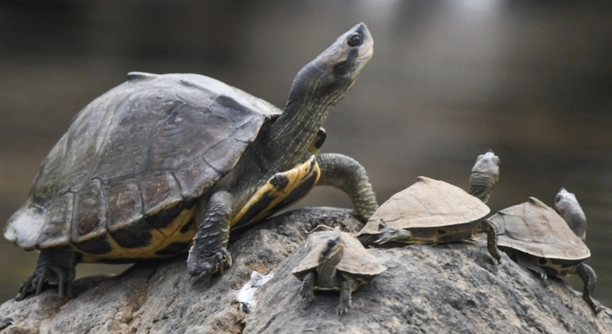
Do you have an Indian Roofed Tortoise that’s been acting a little strange lately?
Several factors can cause unusual behavior in an Indian Roofed Tortoise, such as stress, improper habitat, changes in diet, or even health issues. Understanding the underlying causes is essential to ensure your pet’s well-being.
If you want to understand why your tortoise is acting differently, exploring these factors will help you get to the bottom of it.
Stress and Anxiety Can Affect Your Tortoise
Stress can significantly impact your tortoise’s behavior. When your Indian Roofed Tortoise feels threatened, scared, or overwhelmed, it may become unusually active or lethargic. This can happen due to loud noises, too much handling, or even changes in their surroundings. Stress can make them hide more often or exhibit erratic behavior.
For tortoises, stress often leads to poor eating habits, lack of interest in moving around, or hiding excessively. Monitoring their environment is essential to reduce stress.
It’s also crucial to consider the temperature and humidity levels in their habitat. High or low temperatures, or an environment that’s too dry or humid, can create anxiety in tortoises. They need their habitat to resemble their natural environment, where they feel safe and secure. Regular monitoring of their enclosure and avoiding any sudden changes can help reduce stress. If you notice your tortoise acting out, reviewing these factors may help pinpoint the issue and lead to a more comfortable environment for your pet.
Improper Diet Can Lead to Behavioral Changes
A poor diet can also lead to strange behavior in your tortoise.
A balanced diet is essential for your tortoise’s health. Without the right nutrients, they may become lethargic or stop eating. This lack of nutrition can also affect their growth and overall well-being.
Tortoises primarily eat vegetables, fruits, and occasional protein. If they’re not receiving the right mix of vitamins and minerals, they can become weak or display unusual behavior, like not moving around much or avoiding their food. Ensure that you’re offering a variety of foods that mimic what they would find in the wild. Over time, an improper diet can lead to more serious health problems. Regularly checking what you feed your tortoise and adjusting their meals can help them thrive and act as they normally would. A balanced diet makes all the difference in your pet’s behavior and health.
Health Issues
Health problems can cause your tortoise to act strangely. Illnesses like respiratory infections, parasites, or shell issues can make them inactive, stop eating, or cause unusual behavior.
If your tortoise is acting lethargic or refusing food, it could be a sign of an underlying health problem. Checking for any signs of illness, such as discharge from their eyes or nose, labored breathing, or abnormal shell condition, can help identify the issue.
A visit to the vet is recommended if you notice anything unusual. Tortoises are good at hiding illness, so early detection is key to preventing further complications. If left untreated, health problems can lead to severe behavior changes, affecting their overall quality of life.
Environmental Factors
A change in the environment can make your tortoise act differently. Whether it’s moving their enclosure, altering the temperature, or introducing new pets, these changes can cause stress or confusion.
Tortoises are creatures of habit and don’t respond well to sudden changes. If their habitat doesn’t meet their needs, such as incorrect temperature or humidity levels, they may retreat into their shell, stop eating, or display aggressive behavior.
It’s essential to monitor their environment closely and avoid making drastic changes. Keeping their habitat consistent helps your tortoise feel secure and reduces stress. If you’ve recently changed anything in their surroundings, try to return to a previous setup to see if it affects their behavior. Small adjustments, like better lighting or adding hiding spots, can make a significant difference in how they act.
Inadequate Lighting
Tortoises require proper lighting to regulate their sleep cycles and metabolic processes. If your tortoise’s enclosure lacks UVB light, it can cause strange behavior like lethargy or lack of appetite.
UVB light helps in calcium absorption and overall health. Without it, your tortoise may become weak, refuse food, or act abnormally. Ensure the lighting setup meets their needs.
Lack of Proper Exercise
If your tortoise isn’t getting enough physical activity, it may start acting strange. A lack of exercise can cause stress, weight gain, or sluggishness.
Tortoises need space to roam and explore. If they are confined to a small enclosure or don’t have enough space to move around, they may act out. Make sure they have room to exercise freely, allowing them to stay active and healthy.
Overhandling
Handling your tortoise too much can stress them out. While tortoises can enjoy human interaction, too much handling may cause them to retreat into their shell or show aggression.
Tortoises prefer minimal interaction and may get stressed if they feel trapped or handled excessively. Make sure to give them time to relax and feel safe in their environment, handling them only when necessary.
FAQ
What should I do if my tortoise isn’t eating?
If your tortoise isn’t eating, the first thing to check is the temperature and humidity in its enclosure. Improper conditions can cause a lack of appetite. Make sure your tortoise has access to UVB lighting and that the temperature is within the recommended range (75-85°F during the day, with a basking spot of 90-95°F). Stress from too much handling or environmental changes can also cause them to stop eating. If they’re still not eating after adjusting these factors, a vet visit may be necessary to rule out any health issues, like parasites or respiratory infections.
How can I tell if my tortoise is stressed?
Signs of stress in a tortoise can include hiding more than usual, refusing food, or becoming more aggressive. They may also act more lethargic than normal or exhibit rapid, panicked movements when handled. Stress can stem from a variety of factors, such as environmental changes, improper lighting, or overhandling. To reduce stress, try to make their environment as stable as possible and limit handling to a minimum. If the behavior persists, consult a veterinarian to check for underlying health concerns.
Can changes in the weather affect my tortoise’s behavior?
Yes, changes in the weather can impact your tortoise’s behavior. Tortoises are sensitive to temperature and humidity, so shifts in the weather can stress them out. During colder months, they may slow down or become less active, and during hot weather, they may become dehydrated. Make sure the habitat conditions remain stable regardless of weather changes. If you’re unable to adjust temperatures or humidity to fit the weather, it’s worth considering an indoor enclosure to keep your tortoise comfortable year-round.
Why does my tortoise sleep so much?
Tortoises, particularly in cooler temperatures, tend to sleep more often. This is a normal part of their behavior, especially during colder seasons when they may go into a semi-dormant state. However, if your tortoise is sleeping excessively even during warmer months, it could be a sign of health issues, such as an infection or nutritional deficiency. Be sure to monitor their eating habits and overall activity levels. If excessive sleep continues, take your tortoise to the vet to rule out any medical concerns.
How do I know if my tortoise is sick?
Sick tortoises often show signs such as lethargy, loss of appetite, runny nose, or labored breathing. If your tortoise is hiding more than usual, not eating, or has abnormal droppings, it could indicate an illness. Another sign of illness is a soft or cracked shell, which might indicate a calcium deficiency or infection. If you notice any of these signs, it’s important to consult with a reptile vet. Early diagnosis is crucial for effective treatment, and delaying care could lead to more serious health issues.
Can my tortoise get too hot?
Yes, tortoises can overheat if their habitat is too warm. They rely on regulated temperatures to maintain their internal balance, and if their basking spot exceeds 95°F or their enclosure lacks proper ventilation, they can become stressed or even suffer heatstroke. Be sure to provide a cooler area in their habitat where they can retreat if they become too warm. Monitoring the temperature regularly and making adjustments based on seasonal changes will help prevent overheating.
Is it normal for my tortoise to burrow?
Burrowing is a natural behavior for tortoises, especially in the wild where they use burrows to protect themselves from extreme temperatures or predators. In captivity, your tortoise may burrow as a way to feel secure or regulate its temperature. However, if your tortoise is burrowing excessively, it may be due to stress, improper habitat conditions, or illness. Ensure that their enclosure is large enough for them to move around comfortably and check that the temperature and humidity are within the ideal range.
How often should I clean my tortoise’s habitat?
Cleaning your tortoise’s habitat regularly is essential for their health. A good rule of thumb is to spot clean daily, removing uneaten food and waste. Once a week, you should do a more thorough cleaning of the entire enclosure, including changing bedding and disinfecting surfaces. Keeping their environment clean helps prevent bacteria and parasites that could make your tortoise sick. Always use reptile-safe cleaning products and avoid harsh chemicals that could harm your pet.
Can my tortoise live with other pets?
It’s not always recommended to house your tortoise with other pets, especially if they are not of the same species. Many pets, like dogs or cats, can unintentionally stress or harm your tortoise. Even other reptiles may not always be compatible. If you plan to house multiple tortoises together, make sure they are the same species and that there is enough space for each to have its own territory. Always monitor their interactions to prevent bullying or stress. If you’re unsure, it’s safer to house them separately.
What should I do if my tortoise is shedding its scutes?
Shedding scutes, or the plates on a tortoise’s shell, is a normal part of their growth process. However, if the shedding is excessive or if the scutes are coming off unevenly, it could be a sign of poor health or environmental stress. Keep your tortoise’s habitat conditions optimal, particularly in terms of humidity and temperature, to ensure proper shell health. If the shedding seems abnormal, consult a vet to ensure there are no underlying issues, such as a fungal or bacterial infection.
Final Thoughts
Understanding why your Indian Roofed Tortoise may be acting strangely is key to keeping it healthy and happy. There are many factors that can cause unusual behavior, from stress and poor diet to environmental issues and health problems. It’s essential to pay close attention to your tortoise’s habits and make sure its habitat is appropriate. By observing your pet carefully, you can spot signs of distress or discomfort early on, which can help prevent more serious issues.
It’s also important to remember that tortoises, like all pets, have specific needs that must be met. From temperature and humidity to proper lighting and diet, ensuring your tortoise’s environment is right for them is crucial. If you notice anything out of the ordinary, don’t hesitate to make adjustments. Sometimes small changes, like adding a hiding spot or adjusting the temperature, can make a big difference. However, if strange behavior persists, seeking advice from a reptile vet is always a good step to take.
Caring for an Indian Roofed Tortoise can be a rewarding experience, but it requires attention and understanding. By learning more about the factors that influence their behavior, you’ll be better equipped to meet their needs and address any issues that come up. Keep their environment stable, provide a balanced diet, and give them the right amount of attention. In doing so, you can help your tortoise lead a long, healthy life while minimizing strange behaviors.

Hello,
If you enjoy the content that we create, please consider saying a "Thank You!" by leaving a tip.
Every little bit helps us continue crafting quality advice that supports the health, happiness, and well-being of pets around the world, for pets of all shapes, sizes, and species.
We really appreciate the kindness and support that you show us!