
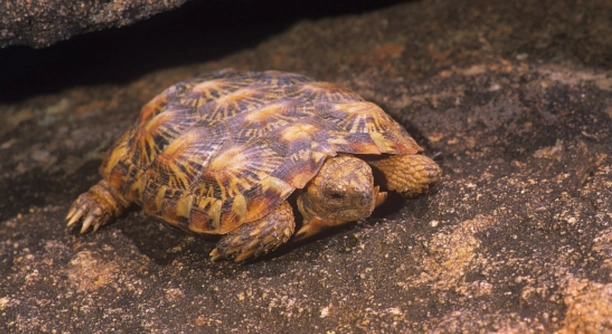
Tortoises are usually easy to care for, but sometimes they stop eating suddenly. This change in behavior can be worrying. Understanding the reasons behind this can help you get your tortoise back to normal quickly.
A tortoise may stop eating suddenly due to various reasons, such as stress, illness, improper temperature, or poor diet. Changes in their environment or routine can also lead to a loss of appetite, and immediate attention may be required.
Several factors can affect your tortoise’s appetite. Knowing how to identify these causes will help you take action and ensure your tortoise stays healthy and happy.
Stress and Changes in Environment
Stress can be a major factor in why your tortoise might stop eating. Tortoises are creatures of habit, and any sudden change in their environment can make them feel uneasy. For example, a new pet in the house, loud noises, or even moving to a new location can stress them out. This stress might cause them to refuse food for a while. If you’ve recently made changes around your tortoise, it’s important to consider how this could be affecting them.
Even small adjustments like a new light fixture or rearranged furniture might throw your tortoise off balance. It’s crucial to keep their living space calm and stable. If your tortoise is suddenly avoiding food, look for any environmental triggers that could be making them anxious.
Stress is a natural response, but it can be managed. Try to create a quiet, safe space for your tortoise to relax in. Avoid sudden movements or loud sounds around their habitat. If the stress persists, consider consulting a vet to help address the underlying cause and make sure your tortoise feels comfortable again.
Illness or Injury
Sometimes, a tortoise may stop eating because of illness or injury. Illness can affect their appetite, especially if they’re feeling unwell or in pain. A common problem could be a respiratory infection, which might cause them to become lethargic and uninterested in food. Injuries, such as a shell crack or leg strain, can also have the same effect.
If you notice other signs, like excessive sleeping, difficulty moving, or a runny nose, these may point to an underlying health issue. Always keep a close eye on your tortoise’s behavior, as subtle changes can indicate something more serious.
Prompt medical attention is important if your tortoise shows signs of illness or injury. A vet with experience in reptiles will be able to identify the cause and recommend treatment. Early intervention helps prevent further health problems and can get your tortoise back to eating normally.
Temperature and Lighting Issues
Tortoises are cold-blooded animals, meaning their body temperature depends on their environment. If their habitat is too cold, they might not feel hungry or energetic enough to eat. The right temperature is essential for their digestion and overall health. If the temperature in their enclosure is not properly regulated, they may go off food.
Check the basking area of your tortoise’s habitat to ensure it’s warm enough, usually between 85-90°F (29-32°C). If the area is too cold, their digestion will slow down, and they may lose interest in eating. Lighting is just as important. Tortoises require UVB light to stay healthy and to help with calcium absorption. Without proper lighting, they may feel weak or sluggish, leading to a decrease in appetite.
Make sure the temperature in your tortoise’s habitat stays consistent, and ensure they have access to proper UVB lighting. If these factors are not correctly maintained, it could result in your tortoise losing its appetite and even becoming ill over time.
Poor Diet and Feeding Habits
A poor diet can lead to a tortoise losing interest in food. If the food provided is not nutritious or varied enough, they may stop eating. Tortoises need a balanced diet with leafy greens, vegetables, and the occasional fruit. A lack of variety or offering too many high-protein foods can cause them to avoid their meals.
Feeding your tortoise the same foods every day might make them lose interest. If they’re not getting enough fiber or essential nutrients, their appetite could decrease. It’s important to offer a variety of safe vegetables, and avoid overfeeding them on fruits or pellets.
To help your tortoise eat properly, make sure you’re offering a good mix of leafy greens, weeds, and other plant matter they would find in the wild. Avoid foods that are high in oxalates or goitrogens, as these can cause health problems. Providing variety will keep their diet interesting and help ensure they stay healthy.
Overfeeding or Lack of Appetite
Overfeeding can also lead to a tortoise refusing food. If they are consistently offered too much food, they may become picky and stop eating. It’s important to find a balance in how much food you provide based on their size and age. Overfeeding can also lead to obesity, which can make your tortoise sluggish and less likely to eat.
Portion control is key. You don’t want to give them more than they can eat in one sitting. If food is left uneaten and becomes stale, it can further discourage your tortoise from eating. Offering fresh food daily is important, but don’t go overboard. If you notice food consistently being left, try reducing the amount you’re offering.
Understanding your tortoise’s eating habits and portioning food correctly will help prevent overfeeding. Aim to offer food that is appropriate for their size, and monitor how much they consume daily. This will keep them at a healthy weight and encourage regular eating habits.
Mating Behavior and Seasonal Changes
During certain seasons, tortoises can lose interest in food due to mating behavior or hibernation instincts. In the wild, they may eat less or stop eating when preparing to breed or hibernate. These natural cycles can affect their appetite.
If your tortoise is acting differently during specific times of the year, it could be due to these instincts. While it’s normal for their eating habits to slow down, ensure they’re still drinking water and staying hydrated during these periods.
Some tortoises may even stop eating entirely if they’re gearing up for hibernation. If your tortoise is indoors, the cooler temperatures may trigger this instinct. Monitor their weight and health during this time, and contact a vet if needed.
Dehydration
Dehydration is a common issue that can cause tortoises to stop eating. When they’re not getting enough water, they may become lethargic and lose interest in food. Proper hydration is essential for their digestion and overall well-being.
Make sure your tortoise has access to fresh water at all times. Soaking them in shallow water can help hydrate them, especially if they’re not drinking on their own. Dehydration can lead to more serious health issues if left untreated.
If you suspect your tortoise is dehydrated, offer them water regularly and provide a shallow soaking dish. Keeping them hydrated will encourage normal eating behavior and help them feel better overall.
FAQ
What should I do if my tortoise isn’t eating?
If your tortoise isn’t eating, the first step is to check their environment. Ensure the temperature is appropriate, with a warm basking area around 85-90°F. Make sure they have access to proper UVB lighting, which is essential for their health. If the environment is correct, check if they’re stressed or if there are any signs of illness like runny eyes or nose, lethargy, or abnormal behavior. Try offering a variety of foods to see if they prefer something different. If none of this works, it’s time to consult a veterinarian.
How long can a tortoise go without eating?
Tortoises can go without eating for several days or even weeks, depending on their age, size, and overall health. Adult tortoises typically can survive longer without food than younger ones. However, a long period without eating can lead to malnutrition and dehydration, which could harm them. It’s important to monitor their behavior and hydration, and if they continue to refuse food for more than a few days, seek veterinary help.
Can stress make a tortoise stop eating?
Yes, stress is a common reason why tortoises stop eating. They are sensitive to changes in their environment, such as new pets, loud noises, or moving to a different space. Even minor changes, like shifting their habitat around, can cause them stress and make them lose interest in food. Try to keep their environment calm, and if you suspect stress, look for any possible triggers to help reduce it.
How do I know if my tortoise is sick?
Signs that your tortoise may be sick include a lack of appetite, lethargy, swollen eyes, runny nose, or abnormal shell appearance (such as soft spots or cracks). They may also have difficulty moving or exhibit unusual behaviors. If any of these symptoms are present, it’s crucial to get your tortoise checked by a veterinarian who specializes in reptiles. Early detection can help prevent further complications.
Is it normal for a tortoise to stop eating during hibernation?
Yes, it is normal for a tortoise to eat less or stop eating when preparing to hibernate. Most tortoises reduce their food intake before entering a dormant state, usually during colder months. However, if your tortoise is not hibernating or showing signs of this natural cycle, a lack of appetite might point to other issues. Be sure to monitor your tortoise’s health during this time and consult a vet if anything seems unusual.
How often should I feed my tortoise?
The frequency of feeding depends on the age and species of your tortoise. Young tortoises need to be fed more often—usually once a day. Adult tortoises can be fed every other day or 3-4 times a week. Always provide fresh, varied foods to ensure they are getting the proper nutrients. Stick to a routine, but avoid overfeeding. A healthy, balanced diet is important for maintaining your tortoise’s overall well-being.
Can dehydration cause my tortoise to stop eating?
Yes, dehydration can make your tortoise lose interest in food. If they aren’t drinking enough water or their habitat is too dry, it can cause lethargy and a lack of appetite. Make sure your tortoise has access to fresh water at all times, and soak them in shallow water for about 20-30 minutes every few days. If dehydration persists, it’s important to consult a vet for advice.
How do I ensure my tortoise is eating a balanced diet?
To ensure your tortoise is eating a balanced diet, offer a variety of leafy greens, such as dandelion greens, collard greens, and kale. You can also add vegetables like carrots, squash, and bell peppers. Occasional fruits, such as strawberries or apples, can be offered in moderation. Avoid giving them too many high-protein foods like lettuce or spinach. Research your specific tortoise species to ensure you provide a diet suited to their needs.
Can my tortoise be picky about food?
Yes, tortoises can be picky eaters. They may refuse food that’s unfamiliar to them or not in the right condition. If your tortoise is avoiding certain foods, try offering a variety of fresh, safe options and make sure the food is clean and properly prepared. If your tortoise consistently refuses food, it could indicate a more serious health problem, and you should consult a veterinarian.
What are the signs of a respiratory infection in tortoises?
Signs of a respiratory infection in tortoises include nasal discharge, wheezing, coughing, or labored breathing. Their eyes may become watery or swollen, and they may appear lethargic or unwilling to eat. Respiratory infections are common in tortoises, especially in environments that are too cold or have poor ventilation. If you notice these symptoms, contact a vet immediately to prevent further complications.
Final Thoughts
When your tortoise stops eating suddenly, it can be a cause for concern. It’s important to remember that there are many potential reasons why this might happen. From stress and environmental changes to illness or improper diet, understanding the underlying causes is crucial to helping your tortoise get back to normal. By paying attention to your tortoise’s behavior and habitat, you can often identify what might be causing the problem. Sometimes, it’s just a matter of adjusting the temperature or lighting in their enclosure, while other times, it could indicate a more serious health issue that needs veterinary attention.
It’s also essential to keep in mind that tortoises are creatures of habit. Small changes to their environment can stress them out and lead to a loss of appetite. Offering a variety of food, providing a comfortable and calm space, and maintaining a proper temperature are simple steps that can help encourage your tortoise to eat again. It’s important to stay patient during this time and monitor their condition closely. If the issue persists, or if your tortoise shows signs of illness, it’s best to consult a vet who can provide expert advice and care.
Finally, while it’s common for tortoises to reduce food intake during certain seasons, such as before hibernation, it’s crucial to monitor them regularly. Ensure that they stay hydrated and that their diet is well-balanced to prevent any long-term health issues. A sudden loss of appetite could indicate an underlying problem, and catching it early can help prevent more serious complications. With the right care, most tortoises can get back to eating normally, ensuring they live a healthy and happy life. Keep a watchful eye on their health, and don’t hesitate to seek help if needed.

Hello,
If you enjoy the content that we create, please consider saying a "Thank You!" by leaving a tip.
Every little bit helps us continue crafting quality advice that supports the health, happiness, and well-being of pets around the world, for pets of all shapes, sizes, and species.
We really appreciate the kindness and support that you show us!