
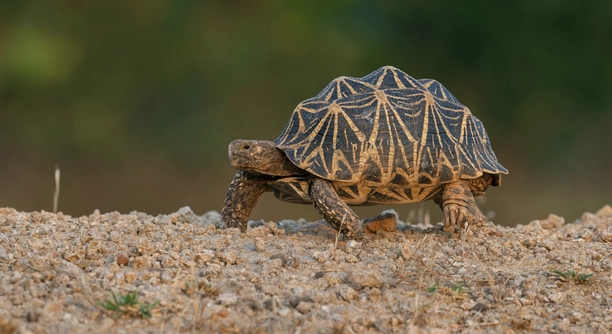
Turtles are fascinating creatures, but their behavior can be influenced by various factors. As a pet owner, it’s important to understand what might be affecting your turtle’s actions.
Several environmental, physical, and social factors can affect a turtle’s behavior. Changes in habitat, diet, lighting, temperature, or stress levels may all contribute to shifts in how your turtle behaves. Understanding these can help improve their well-being.
The way your turtle behaves can tell you a lot about its needs. Understanding these factors will help you ensure your turtle stays healthy and happy in its environment.
Temperature and Lighting
Turtles are cold-blooded, meaning their body temperature is influenced by the surrounding environment. If the water or air temperature isn’t right, it can cause stress or behavioral changes. For example, if the water is too cold, your turtle may become sluggish or less active. On the other hand, if the temperature is too high, it may become lethargic or avoid moving altogether. It’s essential to provide your turtle with a warm basking area where they can regulate their body temperature. A proper heat source like a basking lamp and a thermometer will help ensure their environment stays within the right range.
A proper temperature gradient helps your turtle stay active and healthy. If they can’t regulate their body temperature, they may not eat properly or interact with you as usual.
Without the correct lighting, especially UVB lighting, your turtle may have difficulty absorbing calcium, leading to shell deformities or other health issues. Lighting that mimics natural sunlight helps your turtle stay active and healthy by regulating its biological clock and promoting healthy behaviors.
Diet and Feeding Habits
A turtle’s behavior can change based on what and when it’s fed. Offering an improper diet can make your turtle more sluggish or even irritable. If your turtle isn’t getting the right nutrients, such as vitamins or minerals, it may refuse to eat or become stressed. It’s important to feed them a balanced diet that suits their species, whether it’s vegetables, protein, or both. Be sure to include variety to meet all their dietary needs. Overfeeding can also lead to health issues like obesity, which may cause them to slow down and display different behavior patterns.
Overfeeding may seem harmless, but it can lead to unnecessary weight gain. Providing the right portions is crucial for keeping your turtle in optimal condition.
Providing fresh food and removing uneaten portions promptly will keep your turtle’s habitat clean and prevent any potential bacterial growth. Also, monitor how your turtle reacts to different foods. Some may have preferences, and others may refuse certain items. Over time, you’ll learn what keeps them healthy and satisfied, making feeding easier and more enjoyable for both of you.
Stress and Anxiety
Turtles can become stressed due to changes in their environment or handling. If they’re in a noisy area, moved frequently, or not given enough time to adjust to a new habitat, it can affect their behavior. Signs of stress include hiding, reduced activity, or not eating.
Stress can be minimized by maintaining a calm environment. If you move your turtle, ensure its new space is quiet and secure. Changes in habitat should be gradual to help your turtle adjust. Additionally, handling your turtle too much can cause anxiety, leading to hiding or even defensive behavior like biting.
Stress can also occur if the tank is overcrowded or if your turtle feels threatened by other animals. Offering them a space where they feel safe and comfortable can make a big difference in their overall behavior. Try to minimize disruptions to their environment to keep them calm and happy.
Socialization and Interaction
Turtles can be more social than people think. If they feel neglected or isolated, it can lead to less active behavior. Some turtles enjoy interacting with their owners, while others are more independent. Regular interaction can help them feel more secure in their environment.
Though turtles are generally solitary animals, they still need attention. Talking to them or offering treats can create positive associations and help them feel less lonely. However, it’s important to know when to give them space. Overly frequent handling can lead to stress, making them less likely to engage with you.
If you have more than one turtle, it’s important to monitor their interactions. Sometimes, turtles can become territorial, especially when competing for food or basking spots. Ensuring each turtle has its own space can reduce aggression and promote better social behaviors.
Health Issues
Health problems can cause your turtle to act differently. If they are sick or in pain, they may become lethargic or stop eating. Keep an eye on any signs like swollen eyes, changes in shell appearance, or difficulty swimming. These could indicate an underlying issue.
If you notice any signs of illness, take your turtle to a vet who specializes in reptiles. Health issues can worsen quickly, so early detection is key. A proper diagnosis and treatment will help get your turtle back to its usual self and prevent further behavioral changes.
Tank Size and Environment
A cramped tank can affect your turtle’s behavior. Turtles need space to move around, swim, and bask comfortably. If their habitat is too small or cluttered, they may become stressed or less active. Ensure the tank is big enough to give them room to thrive.
A properly sized tank allows your turtle to feel secure and free to explore. It’s important to provide both swimming and basking areas that meet their needs. A spacious environment supports healthy behavior and prevents unnecessary stress.
FAQ
How do I know if my turtle is stressed?
Turtles show signs of stress in several ways. If your turtle starts hiding more often, becomes less active, or refuses to eat, these could be signs of stress. Additionally, excessive basking, excessive scratching at the sides of the tank, or erratic swimming behavior can also indicate discomfort. It’s important to observe these behaviors over time and adjust their environment accordingly.
What should I do if my turtle isn’t eating?
If your turtle isn’t eating, check its habitat first. Is the water temperature correct? Too hot or too cold can make a turtle lose its appetite. Also, consider if the food you’re offering is appropriate. Try offering a variety of fresh foods and ensure they’re clean and free of mold. If the issue persists, consult a reptile vet, as this can be a sign of health issues.
Can my turtle live with other pets?
Turtles can live with other pets, but caution is needed. They may not get along with other turtles, especially if they’re territorial or competing for food. Small, docile species may coexist with other small pets, but larger species could pose a risk to smaller animals. Always monitor interactions to ensure that neither your turtle nor other pets are stressed or in danger.
How much space does my turtle need?
Turtles require enough space to swim, bask, and move around freely. A small tank may lead to stress, while a tank that’s too large can be hard to maintain. Generally, a tank should be at least 40 gallons for one adult turtle. Larger tanks are better as they give turtles the space they need to stay active and healthy.
How often should I clean my turtle’s tank?
Cleaning your turtle’s tank regularly is essential to maintaining a healthy environment. A partial water change should be done weekly, and a full tank cleaning should occur every month. Remove uneaten food promptly and check the filtration system to make sure it’s working well. Regular cleaning will prevent the growth of harmful bacteria and help keep your turtle safe.
What temperature should my turtle’s tank be?
Turtles require a temperature gradient in their tank. The basking area should be between 85-90°F, while the water temperature should be maintained between 75-80°F. Using a thermometer to monitor these temperatures can ensure your turtle remains active and comfortable. Make sure the basking light is providing enough warmth for them to regulate their body temperature.
Do I need to provide UVB lighting for my turtle?
Yes, UVB lighting is essential for your turtle’s health. It helps them absorb calcium, preventing shell deformities and other bone-related issues. UVB lights should be on for about 10-12 hours a day, simulating natural daylight. Change the bulb every 6 months to maintain effective UVB output.
Can I feed my turtle just lettuce?
While lettuce is safe for turtles, it doesn’t offer enough nutrients for a balanced diet. Too much lettuce, especially iceberg, can lead to malnutrition. Turtles need a variety of foods, including leafy greens like kale, and vegetables like carrots, along with occasional protein such as worms or shrimp. A balanced diet helps support your turtle’s growth and overall health.
Why is my turtle basking so much?
Excessive basking could be a sign of several things. It may indicate that your turtle is regulating its body temperature, which is normal behavior. However, if your turtle is basking more than usual, it could be stressed, ill, or uncomfortable with the water temperature. Check the water and basking spot to ensure they’re at the correct temperatures and that there are no other environmental stressors.
How do I handle my turtle safely?
Handling your turtle gently and infrequently is important. Turtles are sensitive to excessive handling, which can cause stress. When you do need to handle them, support their body evenly with both hands, never grabbing them by the shell. Be gentle and avoid sudden movements. Always wash your hands afterward to prevent the spread of bacteria from the tank.
Can my turtle live without water for a long time?
No, turtles are aquatic animals and need water to live. While some species can tolerate brief periods without water, most turtles need to be in or near water regularly to stay healthy. Avoid keeping your turtle out of the water for extended periods, as this can cause dehydration and stress. Ensure your turtle has easy access to both water and a basking area for its well-being.
Final Thoughts
Taking care of a turtle requires attention to several factors that can affect its behavior and overall well-being. From maintaining the right temperature and lighting to providing a balanced diet, every detail plays a part in ensuring your turtle is happy and healthy. By keeping a close eye on your turtle’s environment and habits, you can easily identify any issues and address them promptly. Whether it’s adjusting the tank temperature, changing their food, or giving them the right amount of space, small adjustments can make a big difference in their behavior.
Stress, health issues, and poor living conditions can all lead to changes in your turtle’s behavior. It’s essential to create a stable, peaceful environment for your turtle. Make sure it has enough space to swim, bask, and hide when needed. Regular tank maintenance and proper hygiene are also critical to avoid stress or health issues caused by bacteria or other environmental factors. If you notice any signs of illness, seek professional help from a vet who specializes in reptiles to ensure your turtle stays in the best health possible.
Understanding what affects your turtle’s behavior and how to address it will help you become a better pet owner. It’s not just about meeting their basic needs; it’s about creating an environment where your turtle feels secure and comfortable. Regular observation of your turtle’s behavior and prompt action when needed can go a long way in making sure they thrive. By following these guidelines and being proactive, you can ensure that your turtle lives a happy, healthy life.

Hello,
If you enjoy the content that we create, please consider saying a "Thank You!" by leaving a tip.
Every little bit helps us continue crafting quality advice that supports the health, happiness, and well-being of pets around the world, for pets of all shapes, sizes, and species.
We really appreciate the kindness and support that you show us!