
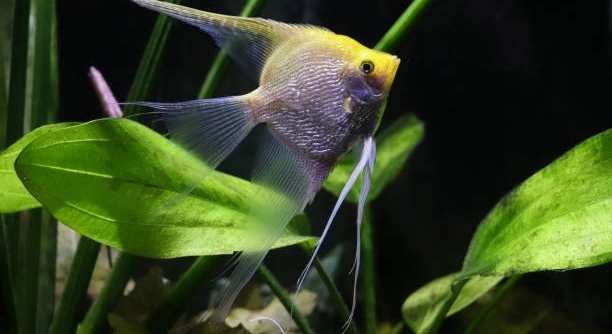
Angelfish are beautiful creatures, and their coloration can vary. It’s fascinating how different factors can influence their appearance. Understanding these elements helps keep your fish healthy while enhancing their vibrant colors.
Several factors, including water conditions, diet, genetics, stress, and environmental changes, can significantly affect an angelfish’s coloration. Proper care and maintaining optimal conditions can help enhance the natural hues of these fish.
Knowing these factors will help you create the best environment for your angelfish. By doing so, you can enjoy their beauty and ensure they thrive in your tank.
Water Conditions and Their Impact on Angelfish Coloration
Water quality plays a crucial role in the health and coloration of your angelfish. Parameters like temperature, pH, and hardness can directly affect how vibrant your fish look. If the water conditions are not ideal, your angelfish may lose some of their natural color. Maintaining proper water conditions helps prevent stress, which can lead to faded or dull colors. Angelfish thrive in warm water with a slightly acidic to neutral pH level. Ensuring that your tank’s water is free from toxins and pollutants is also essential for the overall health of your fish, which in turn promotes a more vibrant appearance.
Proper filtration and regular water changes are essential for keeping the tank clean and balanced. Additionally, testing your water regularly ensures that any imbalances are caught early. Healthy water not only supports the coloration but also enhances the overall well-being of the fish. When water conditions are consistently stable, the fish will exhibit their brightest and most natural colors.
A well-maintained tank gives your angelfish the best environment to thrive in. The result is a more vivid and healthier display of colors, adding to the beauty of your aquarium.
Diet and Its Role in Color Development
The food you provide plays an important role in the vibrancy of your angelfish’s colors.
A varied diet with high-quality food rich in essential nutrients will help maintain bright, healthy coloration. Feed your angelfish a balanced mix of pellets, flakes, and frozen foods to ensure they receive a full range of nutrients. Foods containing natural pigments, such as carotenoids, can enhance the red and orange hues in your fish, while other nutrients will support overall health and coloration. It’s important to avoid overfeeding, as this can lead to water quality issues that negatively affect the fish’s appearance.
For the best results, aim to feed a variety of foods that include ingredients like spirulina, brine shrimp, and bloodworms. These can help intensify the colors of your angelfish over time. Additionally, incorporating fresh vegetables or algae-based foods into their diet can support their health and promote consistent, vibrant coloration.
Stress and Its Effect on Angelfish Coloration
Stress can lead to significant changes in an angelfish’s appearance. It often results in fading or dull coloration.
Angelfish are sensitive to their environment, and even small changes can cause stress. Factors like tankmates, overcrowding, or improper water conditions can contribute to this. When stressed, your angelfish may display a lack of vibrancy and a more muted tone. It’s crucial to identify and eliminate stressors to help your fish regain their bright, natural colors.
Ensuring that the tank environment is calm and stable is key. Minimize disturbances, and give your fish space to move freely. By providing them with a peaceful environment, you can reduce stress and support their vibrant coloration.
Genetics and Its Influence on Coloration
Genetics play a major role in determining the coloration of your angelfish.
Each angelfish inherits its color traits from its parents. While environmental factors can enhance or dull those colors, genetics ultimately dictates the base color. Some angelfish are genetically predisposed to be brighter or darker, and this can vary depending on the specific strain or variety. For instance, certain angelfish species will always exhibit a specific hue, regardless of their environment.
While you can’t change your fish’s genetic makeup, understanding its inherited traits helps set expectations for its appearance. Certain angelfish strains may also exhibit unique color patterns or markings, which make them even more beautiful when cared for properly.
Lighting and Its Impact on Angelfish Coloration
Lighting plays a crucial role in the way your angelfish’s colors appear.
Angelfish can appear more vibrant when exposed to the right lighting conditions. Too much or too little light can make them appear dull. It’s essential to provide a balance that suits their natural habitat. Bright but not intense light will bring out their true colors.
The proper lighting not only enhances the colors but also helps in maintaining the health of your angelfish. Using natural light or aquarium-specific lights will help bring out their best appearance.
Tank Decorations and Their Influence on Coloration
Tank decorations can also influence the way your angelfish’s colors show.
Dark-colored substrates and plants tend to make lighter-colored angelfish appear brighter. Conversely, lighter decorations can make darker angelfish stand out more. It’s essential to choose decor that complements the natural colors of your fish.
By adjusting tank decorations, you can enhance or highlight certain hues in your angelfish. This gives you more control over their visual appeal and can help make your aquarium a more striking sight.
Temperature and Its Effect on Color
Temperature is another factor that can influence your angelfish’s color.
Keeping the water at the ideal temperature range for angelfish, typically between 76°F and 82°F (24°C to 28°C), supports their health and optimal coloration. If the water is too cold or too hot, your angelfish may appear stressed, leading to duller colors.
When the temperature is too extreme, it can also cause long-term damage to the fish. A consistent, stable temperature will encourage angelfish to display their full, vibrant colors, helping them thrive in a healthy, well-maintained tank.
FAQ
What causes angelfish to lose their color?
Angelfish can lose their color due to several reasons, including stress, poor water conditions, and improper diet. Stress factors like overcrowding, aggressive tankmates, and sudden changes in the environment can cause them to lose their vibrancy. Poor water quality, such as imbalanced pH levels or high levels of toxins, can also lead to fading colors. Additionally, a lack of proper nutrition can prevent them from maintaining their natural hues. To help your angelfish keep their color, ensure the tank conditions are stable and provide them with a balanced diet.
Can water changes improve angelfish color?
Yes, regular water changes can improve angelfish color. Maintaining clean and stable water is essential for their health and coloration. When the water quality deteriorates, it can lead to stress, which causes dull colors. Regular water changes remove toxins and provide fresh nutrients that support vibrant coloration. Make sure to test the water before making changes to ensure it’s within the ideal range for angelfish.
How does stress affect angelfish color?
Stress can have a significant impact on angelfish color, causing their colors to fade or become dull. Common stressors include poor water quality, overcrowding, aggressive tankmates, and sudden changes in the environment. When stressed, angelfish might also become more vulnerable to diseases, which can further affect their appearance. Reducing stress by keeping a peaceful tank environment, maintaining good water conditions, and avoiding overcrowding will help your angelfish maintain their natural, vibrant colors.
Can the color of angelfish be enhanced through diet?
Yes, diet plays a key role in enhancing the coloration of angelfish. Providing them with a variety of high-quality food that includes carotenoids, such as spirulina and brine shrimp, can help intensify their natural hues. Foods rich in antioxidants and essential fatty acids also contribute to overall health, which in turn supports vibrant coloration. It’s essential to feed your angelfish a balanced diet and avoid overfeeding, as excess food can lead to water quality issues that may negatively affect their color.
Does lighting affect angelfish color?
Lighting has a significant impact on how angelfish colors appear. The right lighting can make their colors more vibrant and striking, while inadequate or excessive lighting can cause them to appear dull. It’s best to use aquarium-specific lighting that mimics natural light and avoid overly bright or harsh lighting. Additionally, providing a balance of light and dark areas in the tank can give your angelfish a more natural environment, which will help them display their full range of colors.
What water temperature is best for angelfish coloration?
Angelfish thrive in water temperatures between 76°F and 82°F (24°C to 28°C). Keeping the water temperature within this range helps promote overall health and vibrant coloration. If the water temperature is too cold or too hot, it can stress the angelfish and cause them to lose their color. A consistent temperature is important to avoid fluctuations that can cause stress. Use a reliable heater to maintain a steady temperature in the tank.
Can tank decorations influence angelfish color?
Yes, tank decorations can affect how the colors of your angelfish are displayed. Darker substrates and plants tend to enhance the brightness of lighter-colored angelfish, while lighter decorations can make darker-colored angelfish stand out more. The contrast between the fish and the environment can make their colors appear more vivid. When choosing tank decorations, consider how they complement the natural hues of your angelfish to bring out the best in their appearance.
Are there any specific angelfish strains that are more vibrant in color?
Yes, some angelfish strains are naturally more vibrant than others due to their genetic makeup. For example, koi angelfish are known for their bright orange, white, and black patterns, while golden and marble varieties have unique and striking colorations. The level of brightness in the coloration depends on both genetic factors and environmental influences. When selecting angelfish, consider the strain’s inherent color traits and ensure they are kept in optimal conditions to showcase their natural beauty.
Can I increase the brightness of my angelfish’s colors through supplements?
While some supplements, like carotenoid-based additives, may help enhance color, a well-balanced diet and stable tank conditions are generally the best way to maintain bright coloration. Over-reliance on supplements may not have the desired effect and can lead to health problems. Focus on providing a varied diet and optimal tank environment for long-term results. If supplements are used, choose those that are specifically designed for fish and follow the recommended dosages.
How does genetics influence the color of angelfish?
Genetics plays a fundamental role in determining the base coloration of angelfish. The inherited traits from their parents influence their natural color patterns and intensity. Some strains of angelfish are genetically predisposed to brighter or more vibrant colors, while others may naturally have more muted tones. Although environmental factors like diet and water conditions can enhance or dull colors, genetics sets the foundation for an angelfish’s coloration.
Can angelfish colors change over time?
Yes, angelfish colors can change as they grow and age. Young angelfish often start out with lighter or less distinct colors, which become more defined as they mature. Additionally, their coloration can change due to environmental factors, like water conditions, stress levels, or diet. However, some color changes may be permanent, especially if they result from genetic factors. It’s important to monitor their overall health and ensure the tank conditions support vibrant coloration throughout their lifespan.
Final Thoughts
The coloration of your angelfish is influenced by a combination of factors, including diet, water quality, lighting, and stress levels. Understanding these elements and how they interact can help you maintain vibrant and healthy fish. By providing your angelfish with a well-balanced diet, clean water, and a stable environment, you can ensure they display their natural beauty to the fullest. It is important to remember that each angelfish may respond differently to changes in their environment, so paying attention to their individual needs is key.
Maintaining the right water temperature and lighting is essential for your angelfish’s well-being. Proper lighting helps to enhance the colors, while a stable temperature range supports overall health. Stress can have a significant impact on their appearance, so reducing stressors like overcrowding or aggressive tankmates is vital. When your angelfish feel safe and comfortable, they are more likely to show off their natural color and patterns. Be sure to test the water regularly to ensure the parameters are within the ideal range, and make adjustments as needed.
Ultimately, a healthy, stress-free environment is the foundation for vibrant coloration. As you care for your angelfish, it’s important to take a holistic approach, considering not just one factor but the combination of water quality, diet, lighting, and temperature. By creating the ideal conditions for your angelfish, you can help them thrive and enjoy their stunning colors for years to come. Regular maintenance and observation are key to understanding what works best for your fish, ensuring their long-term health and beauty.

Hello,
If you enjoy the content that we create, please consider saying a "Thank You!" by leaving a tip.
Every little bit helps us continue crafting quality advice that supports the health, happiness, and well-being of pets around the world, for pets of all shapes, sizes, and species.
We really appreciate the kindness and support that you show us!