
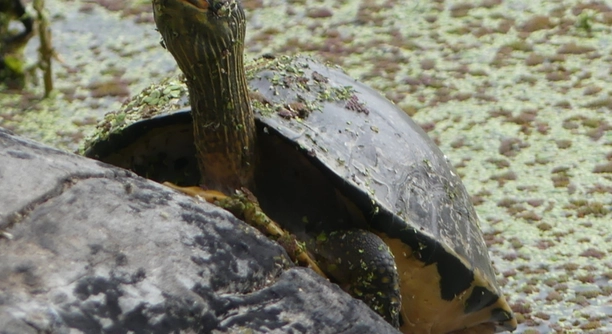
The growth rate of an Indian roofed tortoise can be influenced by various factors. These factors play a crucial role in determining how fast and healthy your tortoise grows over time.
Several factors affect the growth rate of an Indian roofed tortoise, including its diet, habitat conditions, genetics, and overall health. Proper care and an appropriate environment can significantly promote its growth, while neglecting any of these factors can slow it down.
Understanding these factors is essential for ensuring a healthy and thriving tortoise. With the right care, your tortoise will grow at an optimal rate, supporting both its physical development and well-being.
Diet and Nutrition
A proper diet is one of the most important factors that can impact the growth rate of an Indian roofed tortoise. These tortoises are primarily herbivores and require a balanced diet consisting of leafy greens, vegetables, and some fruits. Ensuring they receive a variety of foods can help provide the essential nutrients they need. A diet rich in calcium, fiber, and vitamins is crucial for healthy bone and shell development. It is also important to provide fresh water daily to support hydration and digestion. Feeding them the wrong foods, such as high-protein or fatty items, can lead to health problems that may stunt growth.
Proper nutrition plays a key role in the overall well-being of the tortoise. Without a balanced diet, the growth process can be hindered, and health issues can arise. Stick to a natural diet to avoid complications.
A good diet supports faster growth, as it ensures your tortoise has the necessary nutrients for optimal development. Nutrient deficiencies can lead to slow growth, poor shell quality, and weak bones. It’s important to consult with a vet to understand the best diet plan for your tortoise, tailored to its specific needs.
Habitat and Environment
The living environment is just as important as diet when it comes to promoting healthy growth in an Indian roofed tortoise. These tortoises need a spacious habitat where they can move around freely and explore. A well-maintained enclosure with adequate space helps them exercise, which contributes to their physical development. The environment should also mimic their natural habitat, with proper temperature and humidity levels. A warm, dry environment is ideal for these tortoises, while humidity helps with digestion and shedding. Additionally, providing hiding spots and areas for the tortoise to burrow gives them a sense of security, reducing stress.
Creating a comfortable environment can make a significant difference in the growth rate. Without it, your tortoise may experience stress, which can slow down its growth.
By maintaining the right temperature and humidity, your tortoise will feel at ease, leading to healthy development. A clean, secure habitat can ensure the tortoise is active and healthy. Regular cleaning and ensuring that the habitat is free from parasites will help keep it in top condition for growth.
Genetics
Genetics plays a crucial role in the growth rate of an Indian roofed tortoise. Tortoises inherit specific traits from their parents, such as growth patterns and overall health. These genetic factors can sometimes limit or enhance their growth potential, even if they are in the best living conditions.
Some tortoises may naturally grow slower due to inherited traits, while others may have a genetic predisposition for faster growth. Understanding the genetic makeup of the tortoise can give insights into its expected growth rate and lifespan. However, even if genetics may slow growth, proper care can still optimize it.
Genetic variations can also affect how well the tortoise adapts to environmental changes, such as diet or habitat. For example, some may handle dietary changes better than others. It’s essential to be patient, as genetics is something you cannot control, but consistent care can help maximize growth.
Health and Disease
The health of your tortoise can significantly impact its growth rate. Tortoises suffering from illness or parasites may not grow as quickly or develop properly. Keeping an eye on any signs of illness, such as lack of appetite, lethargy, or abnormal behavior, is important to ensure proper growth.
Regular checkups with a vet can help catch any underlying issues that might affect growth. Health problems like respiratory infections, shell rot, or digestive issues can slow growth and even cause long-term damage. Addressing these problems early on is key to maintaining a healthy, growing tortoise.
Proper hygiene and a clean environment help reduce the risk of diseases. Avoiding overcrowded enclosures, providing proper temperature and humidity, and maintaining a proper diet can prevent health issues. If your tortoise shows any signs of illness, consult a vet immediately. Keeping your tortoise healthy will allow it to reach its full growth potential.
Temperature and Lighting
Temperature and lighting are essential for the growth of an Indian roofed tortoise. These tortoises require specific temperature ranges to stay active and healthy. A basking spot that reaches around 90°F and a cooler area around 75°F will help them regulate their body temperature.
Proper lighting is also important. UVB light is necessary for vitamin D3 production, which helps in calcium absorption for strong bones and shell growth. Without adequate UVB exposure, growth can be stunted, and the tortoise may develop shell deformities. Ensure proper lighting and temperature throughout the day.
Exercise and Activity
Regular movement and activity are crucial for the growth of a tortoise. An active tortoise is more likely to have healthy muscles, bones, and a well-developed shell. Providing a large area for exploration allows them to exercise naturally.
Being in a spacious enclosure with enough room to move will promote physical activity. If they are confined to a small space for long periods, their growth can be restricted. Ensure they have access to a variety of terrains, like ramps or obstacles, to encourage movement and healthy muscle development.
Stress and Handling
Stress can greatly affect the growth rate of a tortoise. Handling a tortoise too much or introducing unfamiliar animals to its environment can cause anxiety. Excessive stress can lower its immune system and affect its growth.
FAQ
What is the ideal temperature for an Indian roofed tortoise?
The ideal temperature for an Indian roofed tortoise is around 85-90°F for the basking area, and 75-80°F for the cooler side of its habitat. This allows the tortoise to regulate its body temperature and remain active. During the night, the temperature can drop slightly but should not fall below 70°F.
How much space does an Indian roofed tortoise need?
Indian roofed tortoises need plenty of space to roam, with an enclosure that is at least 4×8 feet for an adult. Larger is better, as it provides room for exercise and a more natural environment. A cramped space can lead to stress and hinder growth.
How often should I feed my Indian roofed tortoise?
You should feed your tortoise daily, offering a variety of leafy greens, vegetables, and some fruits. A varied diet ensures they get all the necessary nutrients for growth. Make sure to remove uneaten food to keep the enclosure clean and prevent mold or bacteria.
What should I avoid feeding my Indian roofed tortoise?
Avoid feeding your tortoise high-protein foods like meat, dairy, or processed foods. These can cause digestive issues and unhealthy growth. Also, avoid feeding them foods high in oxalates like spinach, as they can interfere with calcium absorption and harm their shells.
Is UVB light necessary for an Indian roofed tortoise?
Yes, UVB light is crucial for the proper growth and health of your tortoise. It helps them produce vitamin D3, which is essential for calcium absorption and strong shell and bone development. Without UVB light, your tortoise may suffer from metabolic bone disease.
Can I house multiple tortoises together?
It is not recommended to house multiple tortoises together, as they can become territorial and aggressive, especially during feeding time. If you must house more than one, ensure there is plenty of space, hiding spots, and resources to reduce stress and avoid conflicts.
What is the best humidity level for an Indian roofed tortoise?
A humidity level of 50-60% is ideal for an Indian roofed tortoise. This helps with digestion and shedding. You can achieve this by misting the enclosure and providing a shallow water dish. Too much humidity can lead to respiratory issues, so be mindful of the balance.
How long does it take for an Indian roofed tortoise to reach full size?
Indian roofed tortoises typically reach full size at around 5-7 years old, although growth may slow down after the first few years. The growth rate can vary depending on factors such as diet, genetics, and the care they receive. Proper care can ensure steady growth throughout their early years.
How can I tell if my tortoise is growing at a healthy rate?
A healthy tortoise should be active, alert, and show consistent growth. You can track their growth by measuring the size of their shell regularly. Slow or stunted growth may indicate issues with diet, lighting, temperature, or health, which should be addressed immediately.
Can stress affect my tortoise’s growth rate?
Yes, stress can significantly affect your tortoise’s growth. Excessive handling, noisy environments, or overcrowding can cause stress, which in turn weakens their immune system and slows their development. To reduce stress, provide a quiet, spacious, and secure habitat.
What signs indicate that my tortoise is not growing properly?
Signs that your tortoise may not be growing properly include lack of appetite, lethargy, a soft or deformed shell, and slow movement. If you notice these signs, it is important to review their diet, habitat conditions, and consult a vet to rule out any underlying health issues.
Is it okay to let my tortoise roam freely outdoors?
It can be okay to let your tortoise roam outdoors, as long as you provide a secure, safe area free from predators and harsh weather. Make sure the outdoor space has access to shade, fresh water, and the correct temperature. Always supervise outdoor time to ensure safety.
How often should I clean my tortoise’s enclosure?
Clean your tortoise’s enclosure at least once a week, but spot cleaning daily is recommended. Remove any uneaten food, feces, and old bedding to keep the environment hygienic. A clean environment helps prevent diseases and ensures the tortoise remains healthy.
Can my tortoise’s growth be affected by the water quality?
Yes, poor water quality can affect your tortoise’s growth. Ensure the water in the enclosure is changed frequently and kept clean. Stagnant water can lead to bacteria and parasites, which could make your tortoise sick and stunt its growth.
Do Indian roofed tortoises need to be bathed?
While not essential, bathing your tortoise can help with hydration and shell health. It is particularly important if the tortoise is not drinking enough water. Gently bathe it in warm, shallow water a couple of times a week to encourage hydration and assist in the shedding process.
Can I feed my tortoise store-bought pellets?
Store-bought pellets should not be the primary food source for your tortoise. They can be given as a supplement but should not replace fresh vegetables and leafy greens. Pellets may lack important nutrients and fiber, which are necessary for healthy growth and digestion.
Final Thoughts
Caring for an Indian roofed tortoise involves many factors that affect its growth and overall health. Temperature, lighting, and humidity all play critical roles in ensuring your tortoise thrives. Providing the proper environment for your tortoise, such as the correct UVB lighting and temperature range, helps support its metabolism and growth. It’s also essential to offer a varied and balanced diet to meet its nutritional needs. Without these, the tortoise may face slow growth, shell deformities, or other health issues.
Handling your tortoise carefully and providing space for it to roam is just as important. These tortoises need room to exercise, explore, and interact with their surroundings. Regular physical activity not only keeps them healthy but also encourages natural growth patterns. Overcrowding or excessive handling can cause stress, which negatively impacts their growth. Ensuring that your tortoise has a quiet and comfortable environment will help it grow at a healthy rate.
By paying attention to all the key factors—environment, diet, and stress—you can ensure that your tortoise develops properly. While there might be some challenges along the way, consistent care will help them grow into healthy adults. Understanding these factors and making adjustments as needed will keep your tortoise on the right track. Your tortoise depends on you for a stable environment, and with the right care, you will see it flourish over time.

Hello,
If you enjoy the content that we create, please consider saying a "Thank You!" by leaving a tip.
Every little bit helps us continue crafting quality advice that supports the health, happiness, and well-being of pets around the world, for pets of all shapes, sizes, and species.
We really appreciate the kindness and support that you show us!