
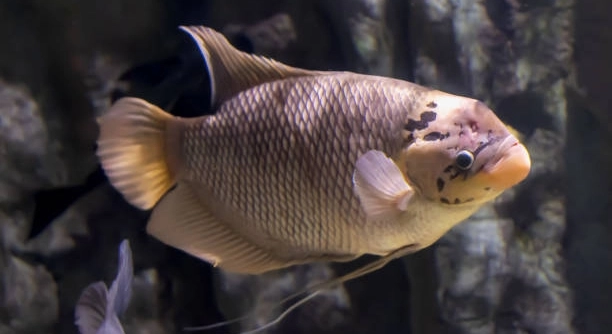
Gourami fish can experience stress for various reasons, from tank conditions to environmental changes. Understanding how to keep them calm can improve their overall well-being. Here are some helpful tips to make your gourami feel at ease.
Maintaining a calm environment for your gourami involves factors like proper tank conditions, water temperature, and avoiding sudden changes. Providing hiding spots, a steady diet, and reducing noise can all play crucial roles in calming stressed gourami fish.
These tips will help you create a more peaceful space for your gourami, ensuring their health and happiness. Keep reading to find out more.
Proper Tank Conditions
The tank environment plays a huge role in keeping your gourami calm. They are sensitive to changes in water quality, so maintaining clean water is essential. Regular water changes and filtering will help reduce toxins. Additionally, check the water temperature regularly, as gourami fish prefer stable, warm conditions. Aim for a water temperature between 75–80°F (24–27°C) to keep them comfortable. Avoid drastic temperature shifts, as this can cause stress.
When setting up the tank, be mindful of the decorations. Gourami fish enjoy having plants and rocks for hiding, which can make them feel secure. If your tank feels too open or barren, they may feel exposed, increasing anxiety. Also, ensure the tank is large enough to provide swimming space without overcrowding.
Adding a gentle filter is another great way to reduce stress. High water flow can be overwhelming for gourami fish, so choose a filter with adjustable settings. This ensures water movement remains calm, helping your fish feel more at ease.
Feeding and Diet
Proper feeding is key to calming stressed gourami. Ensure their diet consists of high-quality, varied food. Gourami fish enjoy a mix of pellets, flakes, and live or frozen food. Overfeeding or irregular feeding times can lead to stress, so stick to a regular feeding schedule.
A healthy diet helps maintain their immune system, ensuring they remain strong and less prone to stress. Gourami fish appreciate foods rich in vitamins and nutrients. With the right balance, they can enjoy a calm, healthy life.
Water Quality
Water quality is crucial for keeping gourami calm. Regularly test for ammonia, nitrites, and nitrates to ensure they are at safe levels. High levels of these chemicals can cause stress and even harm your fish. Using a reliable test kit can help maintain healthy water parameters.
Water changes should be done weekly to avoid a buildup of harmful substances. When replacing water, ensure it matches the temperature of the tank to prevent shock. Use a water conditioner to neutralize chlorine or chloramine found in tap water. Clean the filter regularly to maintain proper water flow and filtration, further contributing to a stable environment.
A stable pH level is equally important. Aim for a neutral to slightly acidic pH of 6.5–7.5. Fluctuations can stress your gourami, making them more susceptible to illness. Regularly checking these water parameters will help keep your fish calm and healthy.
Reducing Noise and Disturbance
Gourami fish are sensitive to loud noises and movement around their tank. Excessive noise or sudden movements can startle them and cause unnecessary stress. It’s important to place the aquarium in a quiet area where they are not constantly disturbed.
If your tank is in a high-traffic area, consider moving it to a more peaceful location. Avoid tapping on the glass or making sudden loud noises nearby. Gourami are naturally shy fish, so a calm, stable environment will help them feel secure. Keeping the tank away from direct sunlight and noisy appliances will also reduce stressors.
Reducing external disturbances helps create a safe and relaxing environment for your gourami. A quiet space allows them to feel more comfortable and less anxious, which is essential for their overall well-being.
Proper Tankmates
Choosing the right tankmates for your gourami is crucial to keeping them calm. Avoid aggressive species that might harass or stress them. Peaceful fish like tetras or catfish make better companions, creating a more relaxed atmosphere. Avoid placing gourami with fin-nipping or overly active fish.
Tankmates should not compete for food, as this can cause stress. Make sure everyone in the tank gets enough food, and be mindful of the size of the tank. Overcrowding can lead to territorial disputes, which increase anxiety for all fish, including gourami. Provide ample hiding spots to help them feel secure.
Lighting Conditions
Gourami fish prefer dim lighting over bright, intense lights. Constant exposure to strong light can cause stress, leading to health issues. Use soft, adjustable lighting that mimics their natural environment. Avoid harsh, direct lighting on the tank.
Adjust the lighting depending on the time of day. Gourami thrive with a day-night cycle. Providing a peaceful, dimly lit atmosphere helps them feel more relaxed and secure, reducing the chances of stress-related problems. A timer for the lights can help maintain a consistent schedule.
FAQ
What are the signs that my gourami is stressed?
Common signs of stress in gourami fish include erratic swimming, hiding, and reduced appetite. They may also swim near the surface or constantly dart around the tank. If their color fades or fins clamp to their body, it’s a clear indication of stress. In some cases, stressed gourami may also become more aggressive or territorial, especially if they feel threatened. It’s important to closely monitor their behavior, as prolonged stress can weaken their immune system, making them more prone to illness.
Can gourami fish live with other species?
Yes, gourami fish can live with other peaceful species. However, choosing compatible tankmates is crucial. Avoid aggressive fish that may nip at their fins or cause stress. Gourami do well with other calm species like tetras, peaceful catfish, or other slow-moving fish. Ensure the tank is large enough for everyone and has enough hiding spots to reduce territorial behavior. Overcrowding can lead to competition for resources, causing stress for all fish, including gourami.
What is the ideal water temperature for gourami?
Gourami fish thrive in water temperatures between 75–80°F (24–27°C). Maintaining a stable temperature is key to keeping them calm. Dramatic temperature changes can stress them out, so it’s important to monitor the water regularly. Using a reliable heater and thermometer can help maintain the right conditions. If the temperature fluctuates too much, gourami may become ill or more susceptible to stress, leading to potential health problems.
How often should I change the water in my gourami tank?
Water changes should be done weekly to maintain healthy water quality. Changing around 20-30% of the water each time will help remove toxins and excess nutrients. Be sure to match the temperature of the new water with that of the tank to avoid shocking your gourami. Regular water changes help prevent the buildup of harmful substances like ammonia and nitrates, which can stress your fish. Always use a water conditioner to neutralize chlorine and chloramine found in tap water. This will help keep your gourami and other fish healthy.
Can gourami fish tolerate bright light?
Gourami fish prefer low to moderate lighting. Bright lights can cause stress, so it’s better to use soft lighting or adjustable LED lights that mimic natural conditions. Constant exposure to intense light can make your gourami feel exposed and anxious, leading to a decline in health. A consistent day-night cycle helps them feel more secure, so it’s beneficial to use a timer for the lights. This way, your fish will have a predictable environment that reduces stress.
How do I know if my gourami is eating enough?
A healthy gourami will show interest in food and eat regularly. If they are consistently refusing food or seem uninterested in eating, this could be a sign of stress or illness. Overfeeding can also cause digestive issues and lead to poor water quality, which can further stress your fish. Monitor their eating habits closely, and offer a balanced diet of high-quality pellets, flakes, and occasional live or frozen food. If they continue to refuse food, check their water conditions and overall tank environment to ensure it’s not the cause.
Why is my gourami hiding all the time?
Hiding is a common behavior when gourami fish are stressed. They may feel unsafe or uncomfortable in the tank environment, especially if there are loud noises, aggressive tankmates, or inadequate hiding spots. Adding plants, rocks, or other decorations can give them a sense of security. Gourami fish are naturally shy and need a safe, calm space to feel relaxed. If they’re hiding constantly, check the tank conditions, temperature, and water quality to see if anything is causing discomfort.
Can I add live plants to my gourami tank?
Yes, live plants are a great addition to a gourami tank. They provide hiding spots, help maintain water quality, and offer a more natural environment for your fish. Gourami fish love to explore plants and can often be found resting among them. Just be sure to choose plants that thrive in the same conditions as your gourami, such as low-light plants like Java fern, Anubias, or hornwort. Live plants can also help absorb excess nutrients from the water, reducing the chances of algae growth and improving the overall health of the tank.
How can I reduce stress for my gourami fish?
To reduce stress for your gourami, ensure their tank is clean, with stable water conditions and the right temperature. Avoid sudden changes in the tank environment, like moving decorations or changing the water parameters drastically. Keep the tank quiet by avoiding loud noises and sudden movements near the tank. Provide hiding spots such as plants, rocks, and caves where your gourami can retreat when they feel threatened. Regularly check for compatibility with other tankmates, and maintain a consistent feeding schedule. Reducing stress involves creating a peaceful, stable environment where your gourami feels secure.
Final Thoughts
Maintaining a calm environment for your gourami is essential for their well-being. These fish are sensitive to changes in their surroundings, so keeping their tank clean, stable, and stress-free is key. Water quality, temperature, and the presence of peaceful tankmates all play important roles in keeping your gourami healthy and calm. Regular water changes, proper filtration, and testing the water regularly will help prevent stress-related issues. A well-maintained tank ensures your gourami will thrive and live comfortably.
Providing a quiet space is another critical factor in reducing stress for your gourami. Avoid placing the tank in high-traffic areas where they may be disturbed by loud noises or sudden movements. A calm environment can make a significant difference in their behavior and overall health. Keep lighting soft and adjustable to mimic natural conditions, as bright, harsh lights can cause stress and disrupt their sleep patterns. By creating a peaceful atmosphere, you help your gourami feel more secure, which can lead to fewer signs of anxiety.
Finally, paying attention to your gourami’s behavior and needs will go a long way in ensuring they stay calm. If they show signs of stress, take a close look at the tank conditions and make necessary adjustments. Keep track of their eating habits, water conditions, and interactions with other fish. By keeping a consistent routine and responding to their needs, you’ll provide a stress-free environment that allows your gourami to live a healthy and happy life.

Hello,
If you enjoy the content that we create, please consider saying a "Thank You!" by leaving a tip.
Every little bit helps us continue crafting quality advice that supports the health, happiness, and well-being of pets around the world, for pets of all shapes, sizes, and species.
We really appreciate the kindness and support that you show us!