
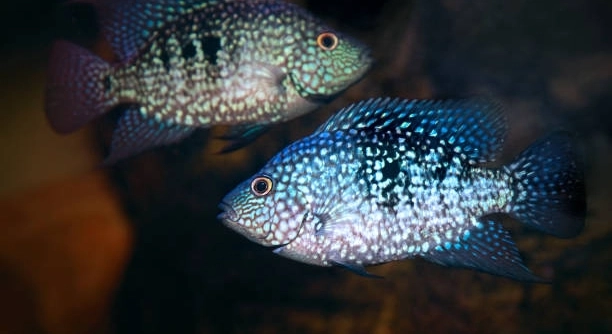
Is your fish constantly darting around the tank, leaving you worried about its well-being? Overactive fish can be stressful to watch, and maintaining a calm environment is essential for their health and happiness in home aquariums.
Managing an overactive fish involves optimizing tank conditions, adjusting feeding schedules, introducing calming décor, and monitoring water parameters. Each of these strategies helps reduce stress, promotes natural behavior, and ensures the overall welfare of the aquatic environment.
Following these simple yet effective steps can significantly improve your fish’s behavior and create a more peaceful, enjoyable aquarium for both you and your aquatic pets.
Adjust the Tank Environment
The first step I took to calm my overactive fish was rearranging the tank. Adding hiding spots like caves, plants, and driftwood gives fish a sense of security. Bright lighting and too little cover often make them restless. I noticed that after introducing these elements, my fish spent more time exploring calmly rather than darting around. Even small changes, like moving decorations slightly, can reduce stress. Water flow also plays a role. Strong currents can tire fish and increase erratic swimming. Reducing pump strength or adding a flow blocker helped create a gentler environment. Temperature stability is another factor; sudden shifts can make fish hyperactive. Keeping the water within the ideal range for the species made a visible difference in behavior. Maintaining clean water is equally important. Regular water changes and proper filtration keep toxins low, which prevents agitation. Observing the tank daily helps catch any signs of stress before they escalate.
Hiding spots and stable water conditions make fish feel secure, naturally reducing hyperactive behavior and creating a calmer tank environment.
Creating a peaceful environment goes beyond decoration. I learned that consistent routines, gentle water flow, and proper lighting all interact to influence fish behavior. Plants not only provide cover but also improve water quality. Fish that have a clear territory often swim less frantically, conserving energy and reducing stress. Using soft substrates instead of rough gravel also helped, as it minimized sudden bursts of activity. I adjusted feeding schedules, offering smaller portions more frequently, which prevented aggressive darting during meal times. Even minor changes, like dimming lights gradually instead of switching them on abruptly, produced calmer behavior. Combining all these measures created a balanced and visually pleasing tank where the fish appeared more relaxed, and their natural behavior was easier to observe. Watching them swim calmly made maintenance and feeding much more enjoyable and reinforced the importance of environmental care.
Monitor Feeding and Nutrition
Overfeeding or irregular feeding can make fish overactive.
Feeding smaller portions at regular intervals helps stabilize energy levels. High-protein foods can trigger bursts of activity, so adjusting diet supports calmer swimming habits.
I switched to controlled portions and varied the diet to include flake foods, occasional frozen treats, and plant-based options. This prevented sudden hyperactivity after meals and reduced aggression. Watching the fish during feeding times, I could see that they became less frantic and more focused. Maintaining a feeding log helped me track portions and timing, ensuring consistency. Some species are more sensitive to overfeeding, so adjusting the diet according to species-specific needs was essential. Proper nutrition not only calms behavior but also supports growth, immune function, and long-term health. The fish became noticeably more balanced in temperament, swimming smoothly and interacting naturally with the tank environment. By controlling what and when they ate, the tank atmosphere became more predictable, helping both the fish and me maintain a stress-free routine.
Reduce Noise and Vibrations
Fish are sensitive to external vibrations and loud noises. Placing the tank in a quiet area and avoiding sudden movements nearby helped my fish stay calmer and swim more steadily.
I noticed that when the tank was near a television or heavy foot traffic, the fish darted constantly. Even small vibrations from closing doors or tapping on the tank glass startled them. Moving the aquarium to a quieter corner of the room and placing a soft mat under the stand significantly reduced sudden movements. Over time, the fish appeared more relaxed and spent longer periods resting among the plants. This simple adjustment improved their overall behavior and made tank maintenance less stressful. Observing calmer swimming patterns reassured me that environmental noise directly affects their activity levels.
Additionally, I paid attention to maintenance routines. Gentle water changes and careful handling of equipment minimized disruptions. Avoiding tapping or banging on the tank glass helped establish a predictable, peaceful environment. Even changing filter placement slightly reduced turbulence. These small adjustments collectively lowered stress, allowing the fish to focus on normal behaviors like grazing, exploring, and interacting with each other without constant agitation. Consistency became key; maintaining a quiet routine reinforced stability and encouraged long-term calmness. The difference in activity was noticeable within a few days, showing how external noise and vibrations can significantly influence fish behavior.
Introduce Tank Mates Carefully
Choosing compatible tank mates prevents overactive chasing or territorial fights. Adding fish gradually gave everyone time to adjust.
I observed that when new fish were added too quickly, the original fish became hyperactive, constantly swimming to establish dominance. Introducing one or two at a time and monitoring interactions reduced stress. Separating aggressive individuals temporarily also prevented frantic behavior. Gradual introductions allowed fish to explore new companions without panic. Over a few weeks, they learned boundaries and began swimming more calmly, maintaining their territories without excessive chasing. This careful process minimized sudden bursts of activity and promoted a balanced community.
Monitoring social interactions helped me understand each fish’s temperament. Keeping notes on behavior during introductions ensured that no fish was overwhelmed. I also considered species-specific behavior, as some fish are naturally more active and need larger spaces or more hiding spots. Providing visual barriers and plants created territories that reduced conflict. Pairing slower, peaceful species with more active fish balanced energy levels across the tank. By observing and adjusting based on responses, I maintained a harmonious environment. Consistency in monitoring and gradual integration was key to preventing stress-induced hyperactivity, creating a stable, calmer aquarium overall.
Maintain Proper Water Quality
Regular water testing and changes kept the tank healthy. Clean water reduced stress and prevented erratic swimming caused by poor conditions.
I used a reliable test kit to monitor ammonia, nitrite, and nitrate levels. Weekly partial water changes helped maintain balance and clarity, supporting calmer fish behavior.
Use Gentle Lighting
Harsh lighting can make fish anxious and overactive. Soft, consistent lighting encouraged normal swimming patterns and reduced sudden bursts of speed.
Provide Enrichment
Floating plants, tunnels, and ornaments gave the fish areas to explore and hide. These enrichments prevented boredom and helped reduce restless swimming.
FAQ
Why is my fish constantly swimming back and forth?
This behavior is usually a sign of stress or excess energy. Overactive swimming can result from poor water quality, lack of hiding spots, or incompatible tank mates. Adjusting water parameters, providing plants or decorations, and monitoring fish interactions often calms this behavior.
Can overfeeding make fish hyperactive?
Yes. Large meals or high-protein foods can cause bursts of energy and erratic swimming. Feeding smaller portions more frequently and balancing diet with plant-based or slower-digesting options helps maintain steady energy levels and calmer behavior.
Do tank size and layout affect activity levels?
Absolutely. Small or overcrowded tanks often increase stress, while spacious setups with clear territories reduce frantic movement. Rearranging décor, adding plants, and creating hiding areas lets fish establish zones, which lowers hyperactive behavior.
Does water temperature influence activity?
Water temperature directly impacts metabolism. Temperatures too high or too low can make fish restless or sluggish. Maintaining species-specific temperature ranges and using a reliable heater or thermometer ensures stable conditions and calmer swimming patterns.
How do tank mates affect fish behavior?
Incompatible or aggressive species can trigger constant chasing and stress. Introducing new fish gradually and observing interactions reduces overactivity. Providing visual barriers and sufficient hiding spots helps fish establish territories without continuous conflict.
Will lighting changes help calm fish?
Yes. Sudden or intense lighting can startle fish, causing rapid swimming. Soft, consistent lighting, or a gradual transition between day and night cycles, helps fish adjust and reduces stress-induced hyperactivity.
Can vibrations or noise impact fish activity?
External vibrations, loud noises, and sudden movements often make fish dart frantically. Placing the tank in a quiet area and using mats to reduce vibrations helps create a stable environment and encourages calmer swimming.
How often should I check water quality?
Regular testing is essential. Weekly checks of ammonia, nitrite, nitrate, and pH levels ensure a healthy tank. Clean water prevents stress-related hyperactivity and supports overall fish health. Partial water changes help maintain balance without shocking the fish.
Is it normal for some fish to be more active than others?
Yes. Different species have varying energy levels. Providing enough space, enrichment, and compatible tank mates ensures naturally active fish do not disturb calmer species, balancing overall activity in the tank.
What enrichment works best for calming fish?
Plants, tunnels, rocks, and ornaments give fish places to hide and explore, preventing boredom and frantic swimming. Rotating or rearranging enrichment occasionally keeps the tank stimulating without causing stress or aggression.
Can diet alone solve overactivity issues?
Diet helps but is not the only factor. Proper feeding routines, portion control, and balanced nutrition reduce bursts of energy. However, environmental factors, tank mates, and lighting also significantly influence behavior, so a combined approach works best.
How long does it take for fish to calm down after changes?
It depends on the species and severity of stress. Some adjust within days, while others may take weeks. Observing behavior consistently and maintaining stable conditions accelerates the calming process and ensures long-term comfort.
Should I separate hyperactive fish from others?
Temporary separation can help if aggression or chasing is present. Using a divider or quarantine tank gives time for adjustment. Reintroducing gradually with monitoring reduces overall tank stress and restores balance.
Can tank decorations really reduce hyperactivity?
Yes. Hiding spots, caves, and plants create security and territory, preventing frantic swimming. Fish that feel safe are calmer, explore slowly, and show more natural behavior. Even small changes in décor can produce noticeable results.
Are all sudden darting behaviors stress-related?
Not always. Some species naturally exhibit quick movements or bursts of energy. Observing patterns, checking water quality, and monitoring interactions help determine if the behavior is normal or stress-induced.
How do I know if my fish is stressed or just energetic?
Stress signs include rapid breathing, rubbing against objects, constant darting, and hiding. Energetic but healthy fish swim actively but explore, feed normally, and interact with tank mates without frantic or destructive movements.
Can gradual environmental changes prevent hyperactivity?
Yes. Slowly adjusting light, décor, and introducing new fish allows adaptation without shock. Gradual changes support stable behavior, reduce stress, and make the tank a more peaceful space for all species.
Is it necessary to track behavior regularly?
Tracking behavior helps identify stress triggers and prevent hyperactivity. Observing swimming patterns, feeding reactions, and social interactions provides insight into tank health and ensures timely adjustments before issues escalate.
Do plants really make a difference in activity levels?
Live or artificial plants offer hiding spaces, reduce aggression, and provide enrichment. Fish that feel secure among plants are calmer, explore naturally, and exhibit less erratic swimming, improving the overall balance in the tank.
What combination of strategies works best to calm overactive fish?
The most effective approach combines proper diet, stable water quality, gentle lighting, compatible tank mates, and enrichment. Addressing all environmental and social factors together produces noticeable improvements in behavior and long-term calmness in the aquarium.
Final Thoughts
Maintaining a calm aquarium takes consistent attention and care. Overactive fish are often responding to their environment, and small adjustments can make a big difference. By focusing on water quality, tank layout, feeding routines, and compatible tank mates, it is possible to reduce frantic swimming and improve overall behavior. Clean water and stable temperatures are the foundation of a healthy tank, while hiding spots and decorations provide a sense of security. Lighting, noise, and vibrations also influence activity levels, so placing the aquarium in a quiet and stable area is essential. Over time, these adjustments create an environment where fish feel safe and can behave naturally, which makes caring for them more enjoyable. Observing fish daily allows for quick intervention if behavior indicates stress or imbalance.
Feeding routines play a significant role in managing hyperactivity. Large meals or inconsistent feeding schedules can lead to bursts of energy, so providing small, regular portions supports calmer behavior. A balanced diet that includes plant-based options along with occasional protein treats ensures energy levels are steady and health is maintained. While diet alone will not solve all activity issues, it works alongside environmental changes to create a stable routine. Enrichment in the form of plants, caves, tunnels, and ornaments encourages exploration without causing stress. Rotating decorations occasionally keeps the tank interesting, preventing boredom while supporting natural behaviors. Gradual introduction of new tank mates and careful monitoring of interactions helps prevent aggression or territorial disputes, which can increase frantic activity. Together, these strategies create a harmonious environment for all fish in the tank.
Consistency is the key to long-term success. Sudden changes in lighting, water conditions, or tank layout can trigger hyperactivity, so gradual adjustments are important. Observing fish behavior, maintaining a predictable feeding schedule, and keeping the environment stable all work together to encourage calm swimming patterns. Even naturally active species benefit from structure and security. By combining proper nutrition, environmental adjustments, enrichment, and careful management of social interactions, overactive fish gradually become more relaxed and balanced. This creates a healthier aquarium for the fish and a more enjoyable experience for the caretaker. Taking the time to implement these practices ensures that fish are not only calmer but also healthier, happier, and more active in a natural, controlled way, improving both their well-being and the overall harmony of the tank.

Hello,
If you enjoy the content that we create, please consider saying a "Thank You!" by leaving a tip.
Every little bit helps us continue crafting quality advice that supports the health, happiness, and well-being of pets around the world, for pets of all shapes, sizes, and species.
We really appreciate the kindness and support that you show us!