
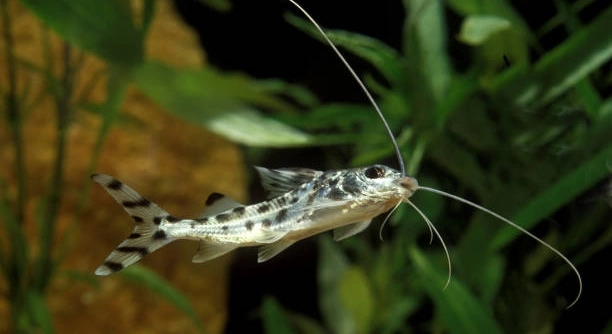
Pictus catfish are popular aquarium fish known for their active and social behavior. Their confidence in a tank can affect how they interact with other fish and their environment. Creating the right conditions helps these catfish thrive peacefully.
Building confidence in pictus catfish involves providing proper tank size, hiding spots, gentle water flow, consistent feeding, and a calm environment. These factors reduce stress and encourage natural behaviors, promoting overall health and social interaction within the aquarium.
Learning these simple steps will improve your catfish’s well-being and make your aquarium a more enjoyable place for all its inhabitants.
Providing Proper Tank Size
Pictus catfish need enough space to swim actively. A small tank can make them feel cramped and stressed, which lowers their confidence. Ideally, a tank should be at least 30 gallons for a small group of pictus catfish. This size allows them to explore and move freely. Without enough room, they might hide more or become aggressive toward other fish. A spacious tank also helps maintain good water quality, which is important for their health. Adding plants and decorations can create natural hiding spots, giving them places to rest and feel secure. Watching them swim confidently in a well-sized tank is rewarding, as they show more natural behaviors. Remember, a bigger tank helps your catfish feel more comfortable and active. This is key for their confidence and well-being.
Proper tank size supports both the physical and mental health of pictus catfish.
When their environment is spacious, pictus catfish display better swimming behavior and interact more with tank mates. A roomy tank reduces stress and encourages exploration. It helps maintain water conditions by diluting waste and balancing temperature. Providing at least 30 gallons ensures your fish have the space they need to thrive. This encourages them to be more active and confident. Overcrowding can cause hiding, aggression, and poor health, so avoid keeping too many fish in a small tank. By giving your pictus catfish enough room, you create a safe place where they can grow comfortable and lively, which benefits the entire aquarium community.
Creating Hiding Spots
Hiding spots are important for pictus catfish to feel safe. They use these places to rest and avoid stress.
Pictus catfish naturally seek shelter to feel secure. Without hiding places, they can become anxious or stressed, which lowers their confidence. Good hiding spots include caves, driftwood, and dense plants. These offer protection from bright lights or aggressive tank mates. When pictus catfish have safe areas, they feel less threatened and explore more often. This reduces their fear and helps them show normal behaviors. Providing multiple hiding spots throughout the tank allows them to choose where they feel best. This simple step helps create a calm and balanced environment where your catfish can grow confident and comfortable. It’s a small change that makes a big difference for their well-being.
Maintaining Gentle Water Flow
Pictus catfish prefer gentle water currents that mimic their natural habitat. Strong currents can stress them and reduce their activity.
A calm water flow lets pictus catfish swim comfortably without fighting against strong currents. They come from slow-moving rivers, so harsh water movement may tire them out or force them to hide. Using a filter with adjustable flow or adding decorations to break the current helps keep water gentle. When the flow is right, the catfish explore more and show confidence. Proper water movement also helps oxygenate the tank, which benefits all fish. Monitoring water flow ensures your catfish remain active and healthy.
Too strong a current can cause hiding and stress. A gentle flow encourages natural behavior and confidence in your pictus catfish.
Consistent Feeding Schedule
Feeding pictus catfish at regular times each day helps build trust and confidence. Erratic feeding can cause anxiety.
Regular feeding provides a sense of security, making catfish more confident in their environment. When they know when to expect food, they become less fearful and more active during feeding time. Offering a varied diet of sinking pellets, live or frozen foods supports their health and encourages natural foraging behavior. Overfeeding should be avoided, as it affects water quality and their well-being. A consistent schedule reduces stress and builds a routine they can rely on. This simple routine improves their mood and social interactions within the tank. Feeding on time is an easy way to boost your catfish’s confidence and overall health.
Keeping Water Quality High
Clean water is essential for pictus catfish confidence and health. Dirty water causes stress and illness, lowering their activity and well-being.
Regular water changes and proper filtration help maintain water quality. Testing parameters like ammonia, nitrite, and nitrate keeps conditions safe. Clear, clean water allows catfish to swim confidently and interact naturally with their environment.
Providing a Calm Environment
Pictus catfish do best in a calm tank without sudden noises or bright lights. Stressful surroundings make them hide or act skittish.
Reducing loud sounds, avoiding rapid movements near the tank, and using dim lighting helps keep the environment peaceful. A calm setting supports relaxed behavior and boosts their confidence over time.
Keeping Compatible Tankmates
Choosing peaceful tankmates helps pictus catfish feel safe. Aggressive or overly active fish can intimidate or stress them.
FAQ
How often should I feed my pictus catfish?
Feeding pictus catfish once or twice a day is enough. They do well with small amounts that they can finish within a few minutes. Overfeeding can cause water problems and harm their health, so it’s best to give them just what they need. A consistent feeding routine helps them feel secure and confident in their environment.
What is the ideal water temperature for pictus catfish?
Pictus catfish prefer temperatures between 72°F and 79°F (22°C to 26°C). Keeping the temperature stable helps reduce stress and supports their immune system. Sudden temperature changes can make them shy or cause illness. Using a reliable heater and thermometer will maintain a steady environment for your fish.
Can pictus catfish live with other species?
Yes, pictus catfish are peaceful and do well with other non-aggressive fish of similar size. Avoid housing them with large or aggressive species that may bully or stress them. Ideal tankmates include tetras, rasboras, and peaceful cichlids. Providing enough space and hiding spots helps all fish coexist comfortably.
How important are hiding spots for pictus catfish?
Hiding spots are very important. These fish naturally seek shelter to feel safe from predators or bright lights. Without proper hiding places, pictus catfish may become nervous or stressed, which lowers their confidence. Rocks, caves, plants, and driftwood create good hiding areas that help them feel secure.
What kind of substrate is best for pictus catfish?
Soft substrates like sand or smooth gravel work best. Pictus catfish have delicate barbels that they use to explore the bottom. Rough or sharp substrates can damage these sensitive whiskers. A gentle substrate keeps them comfortable and encourages natural behavior, helping boost their confidence.
How can I tell if my pictus catfish is stressed?
Signs of stress include hiding too much, loss of appetite, erratic swimming, or faded colors. Stress often comes from poor water quality, overcrowding, or aggressive tankmates. Addressing these issues by improving tank conditions will help your catfish regain confidence and health.
Do pictus catfish need a specific pH level?
They prefer a slightly acidic to neutral pH, around 6.5 to 7.5. Keeping pH stable is important because sudden changes can cause stress or illness. Regular testing and gentle adjustments with natural materials like driftwood or peat can maintain the right balance.
How large should the tank be for a group of pictus catfish?
A minimum of 30 gallons is recommended for a small group. They are active swimmers and enjoy space to roam. Larger tanks are better if you want more fish or to keep other species with them. A roomy tank supports their confidence and natural behavior.
What do pictus catfish eat in the wild?
In their natural habitat, pictus catfish feed on insects, small crustaceans, and plant matter found on the riverbed. In the aquarium, they accept sinking pellets, frozen or live foods like bloodworms, and occasional vegetables. A varied diet supports their health and confidence.
How often should I perform water changes?
Changing 20-30% of the water every one to two weeks is ideal. Regular water changes keep the environment clean and reduce toxins that stress fish. Consistent maintenance supports pictus catfish health and confidence, helping them thrive in your tank.
Can pictus catfish tolerate bright lighting?
They prefer dim to moderate lighting because bright light can cause stress. Using floating plants or shaded areas creates a more comfortable setting. Proper lighting mimics their natural habitat and helps them feel safe and confident.
What is the best way to introduce new pictus catfish to my tank?
Introduce new fish slowly by floating the bag in the tank to equalize temperature, then gradually mixing tank water into the bag. This reduces shock from changes in water conditions. After acclimation, gently release them into the tank. This careful process helps reduce stress and build confidence quickly.
Why do pictus catfish sometimes jump out of the tank?
Jumping can happen if the fish are stressed, startled, or if water conditions are poor. A secure lid is essential to prevent escapes. Improving water quality, providing hiding spots, and reducing disturbances helps prevent this behavior and keeps your catfish safe and confident.
How do I know if my pictus catfish is healthy?
Healthy pictus catfish are active, swim confidently, have clear eyes, and show vibrant coloration. They respond to feeding and explore their tank. Watch for signs of illness like lethargy, clamped fins, or spots, and act quickly to correct water or care issues to maintain their health and confidence.
Taking care of pictus catfish means paying attention to their needs so they feel comfortable and confident in their tank. Giving them enough space to swim, places to hide, and gentle water flow creates a safe environment where they can thrive. Keeping water clean and stable also plays a big role in their health. When these fish feel secure, they show more natural behaviors and are easier to enjoy watching. It’s important to remember that small changes in their environment can make a big difference in how confident they feel.
Feeding your pictus catfish regularly and on time helps build a routine that reduces their stress. They respond well to a varied diet, including sinking pellets and occasional live or frozen foods. Overfeeding should be avoided because it harms water quality, which affects their well-being. Choosing peaceful tankmates and keeping the environment calm also supports their confidence. Loud noises, bright lights, or aggressive fish can make them shy or nervous. Creating a calm and stable space helps these catfish feel safe and encourages them to explore their surroundings.
Overall, boosting your pictus catfish’s confidence is about creating a balanced, stable, and peaceful home for them. This includes proper tank size, hiding spots, clean water, gentle water flow, regular feeding, and a calm environment. Watching your catfish grow more confident and active is a sign that you are meeting their needs well. Taking time to understand their behavior and providing what they need leads to a healthier and happier aquarium. This care benefits not only your pictus catfish but also the entire tank community.

Hello,
If you enjoy the content that we create, please consider saying a "Thank You!" by leaving a tip.
Every little bit helps us continue crafting quality advice that supports the health, happiness, and well-being of pets around the world, for pets of all shapes, sizes, and species.
We really appreciate the kindness and support that you show us!