
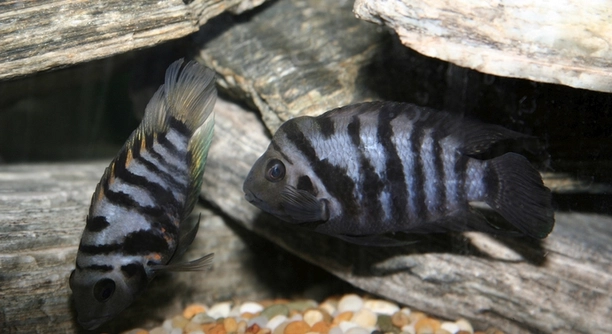
Cichlids are popular aquarium fish known for their vibrant colors and unique behaviors. Many hobbyists enjoy watching their activity and interactions. Keeping these fish lively can improve their health and make the tank more engaging to observe.
Boosting cichlid activity levels involves optimizing their environment, diet, and social conditions. Proper tank size, varied nutrition, appropriate lighting, and stimulation help maintain consistent movement and natural behaviors, enhancing both fish wellbeing and display quality.
Understanding these factors will help you create a more dynamic and healthy home for your cichlids. The tips shared here aim to support your fish’s natural energy and enjoyment in their aquatic environment.
Proper Tank Size and Setup
A spacious tank allows cichlids to swim freely and display their natural behaviors. Smaller tanks can restrict movement, leading to stress and inactivity. It’s important to provide enough space for each fish, especially since cichlids can be territorial. Including rocks, caves, and hiding spots mimics their natural environment and encourages exploration. A well-decorated tank also reduces aggression by giving fish places to retreat. Maintaining clean water with regular changes supports overall health, which directly affects activity levels. Proper filtration and consistent water parameters create a comfortable habitat where cichlids feel safe to move around. Temperature should be stable, generally between 75 to 82 degrees Fahrenheit, depending on the species. Lighting should be moderate, avoiding extremes that can stress the fish or make them hide. Setting up the tank with these conditions supports natural behavior and helps keep cichlids active and engaged.
Adequate space and natural hiding places reduce stress, promoting healthy movement and interaction among cichlids.
Tank size and environment play a critical role in cichlid activity. A minimum of 30 gallons is recommended for smaller species, with larger tanks for bigger or more aggressive fish. Rocks and caves provide stimulation, preventing boredom. Regular water changes keep the environment healthy, which is essential for energy and activity. Consistent temperature and proper lighting contribute to a stable habitat where cichlids can thrive. Avoid overcrowding to prevent stress and competition. When cichlids feel secure, they are more likely to explore and exhibit their natural, lively behaviors, making your aquarium more vibrant and enjoyable to watch.
Balanced Diet for Energy
Feeding cichlids a varied diet is key to maintaining their activity. Offering high-quality pellets, frozen or live foods, and occasional vegetables ensures they get necessary nutrients. Avoid overfeeding, which can cause lethargy and health problems.
A balanced diet fuels cichlids’ energy and supports vibrant activity throughout the day.
Providing a mix of protein and plant matter meets their nutritional needs. Live or frozen foods like brine shrimp and bloodworms stimulate natural hunting behavior, increasing movement. Pellets designed for cichlids contain essential vitamins and minerals to boost health. Including fresh vegetables like spinach or peas adds fiber and variety. Feeding small amounts two to three times daily keeps metabolism steady and prevents fatigue. Clean any leftover food to maintain water quality, as poor water conditions can reduce activity. Adjust diet based on species and observe how they respond to different foods. A thoughtful feeding routine encourages more energy and lively behavior in cichlids.
Appropriate Lighting and Temperature
Lighting influences cichlids’ activity by simulating their natural day-night cycle. Too much or too little light can cause stress or lethargy.
Using a timer to maintain consistent light periods—usually 8 to 12 hours daily—helps regulate their behavior. Natural-spectrum LED lights work well, enhancing their colors and encouraging movement. Avoid sudden brightness changes, which can startle fish and reduce activity.
Temperature should remain steady, as fluctuations stress cichlids. Most species thrive between 75 and 82 degrees Fahrenheit. Use a reliable heater and thermometer to monitor conditions closely. Stable lighting and temperature together create an environment where cichlids feel secure, resulting in increased energy and regular activity.
Social Environment and Tankmates
Cichlids are social fish but can be territorial. Choosing compatible tankmates and managing numbers keeps stress low and activity high.
A proper social environment balances group size and species. Overcrowding leads to fights and hiding, lowering activity. Keeping a small group or pairing species that tolerate each other improves interaction. Observing behaviors helps adjust the community for harmony.
Introducing tankmates with similar temperaments and sizes prevents bullying. Providing plenty of hiding spots reduces conflict and supports natural social behavior. A well-managed social setup encourages cichlids to swim actively and display their vibrant personalities, making the tank livelier.
Regular Water Changes
Regular water changes keep the tank clean and the environment healthy for cichlids. Poor water quality can make them sluggish and inactive.
Changing 20-30% of the water weekly removes toxins and maintains stable conditions, which supports consistent activity levels.
Environmental Enrichment
Adding decorations like plants, rocks, and tunnels encourages cichlids to explore and stay active. A varied environment stimulates natural behaviors and reduces boredom.
Changing the layout occasionally can renew their interest and increase movement, keeping the tank lively and engaging.
Feeding Frequency
Feeding cichlids small amounts multiple times a day helps maintain their energy and activity. Overfeeding once daily can lead to sluggishness and water quality issues.
Splitting meals into two or three portions encourages more natural feeding behavior and sustained activity throughout the day.
FAQ
How do I know if my cichlids are getting enough exercise?
Active cichlids swim regularly, explore their surroundings, and interact with tankmates. If they spend most of their time hiding or resting at the bottom, they might not be getting enough stimulation. Healthy movement includes chasing food, patrolling territory, and occasional social displays.
Can too much light cause cichlids to become less active?
Yes, excessive lighting can stress cichlids, making them hide or slow down. Bright, constant light disrupts their natural rhythm. It’s best to use a timer to simulate a natural day-night cycle, keeping light periods between 8 and 12 hours.
What are the best foods to boost cichlid activity?
A balanced diet with protein-rich foods like brine shrimp, bloodworms, and high-quality pellets helps keep cichlids energetic. Including vegetables such as peas or spinach adds fiber. Live or frozen foods also encourage natural hunting behaviors, which increase activity.
Is tank size really important for cichlid movement?
Absolutely. A larger tank offers more space to swim and explore. Overcrowded tanks lead to stress and territorial disputes, which reduce movement. A minimum of 30 gallons is recommended for smaller species, with bigger tanks for larger or more aggressive cichlids.
How often should I change the water to maintain activity?
Weekly water changes of 20 to 30 percent help remove waste and toxins. Clean water supports health and energy. Dirty water causes stress and lethargy, so regular maintenance is key to keeping cichlids lively.
What kind of tankmates work best with cichlids?
Choose tankmates that are similar in size and temperament to avoid aggression. Avoid small, slow, or very passive fish, as they may be bullied. Provide plenty of hiding spots to reduce stress and promote peaceful coexistence, which encourages active behavior.
Can temperature changes affect cichlid activity?
Yes, fluctuations in temperature can cause stress and lower activity. Most cichlids prefer stable temperatures between 75 and 82 degrees Fahrenheit. Using a reliable heater and thermometer helps maintain steady conditions.
Does rearranging the tank help increase cichlid activity?
Changing the tank layout occasionally can stimulate exploration and curiosity. New hiding spots or decorations encourage movement and reduce boredom. Just be careful not to disrupt them too often, which might cause stress.
How does feeding frequency impact cichlid energy?
Feeding smaller portions two or three times a day keeps metabolism steady and energy levels up. Large, infrequent meals can cause sluggishness and water pollution, reducing activity.
What signs indicate stress in cichlids that affect activity?
Signs include hiding excessively, loss of appetite, rapid breathing, or erratic swimming. Stress lowers activity and can lead to illness. Check water quality, tank mates, and environment if these symptoms appear.
Final Thoughts
Keeping cichlids active requires attention to several important factors. A well-sized tank with plenty of space to swim is the foundation. When fish have room to move and explore, they show more natural behaviors and stay healthier. Along with tank size, providing a clean environment through regular water changes helps maintain their energy. Dirty or poorly maintained tanks can cause stress, which makes fish less active. Stability in water temperature and lighting also plays a key role in encouraging movement. Sudden changes or extremes can make cichlids hide or become sluggish. Creating a stable and comfortable home encourages them to swim and interact more often.
Diet is another key aspect of keeping cichlids lively. Feeding a balanced mix of foods ensures they get the nutrients needed to stay healthy and energetic. High-quality pellets, live or frozen foods, and some fresh vegetables provide variety and support natural behaviors like hunting and grazing. Feeding smaller portions multiple times a day helps keep their metabolism steady and prevents them from becoming too full or lazy. Overfeeding or feeding the wrong kinds of food can lead to health problems and lower activity. Watching how your cichlids respond to their diet and adjusting accordingly helps maintain their vitality.
Finally, social conditions and tank setup affect how active cichlids are. These fish often display more movement when housed with compatible tankmates and when their environment includes places to hide and explore. Too many fish or aggressive companions can cause stress and reduce activity. Providing plenty of rocks, caves, or plants helps reduce conflicts and encourages natural behavior. Occasionally rearranging decorations can renew their interest and stimulate exploration. Paying attention to these details supports their well-being and helps create a lively aquarium. By focusing on these simple but important factors, you can enjoy watching your cichlids stay active and healthy over time.

Hello,
If you enjoy the content that we create, please consider saying a "Thank You!" by leaving a tip.
Every little bit helps us continue crafting quality advice that supports the health, happiness, and well-being of pets around the world, for pets of all shapes, sizes, and species.
We really appreciate the kindness and support that you show us!