
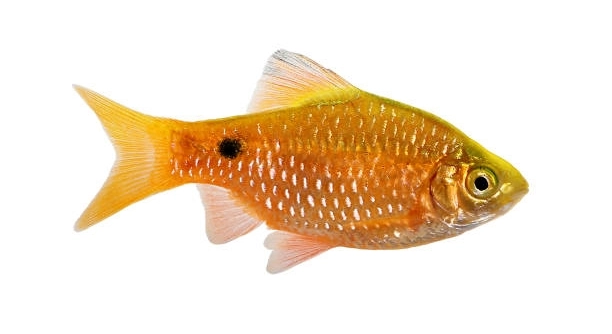
Rosy barbs are popular freshwater fish known for their vibrant colors and active nature. Many fishkeepers enjoy watching them grow and thrive in home aquariums. Growth rate varies depending on several key factors in their environment and care.
The growth rate of rosy barbs is influenced by water quality, temperature, diet, tank size, stress levels, genetics, and tank mates. Each factor plays a significant role in how quickly these fish develop and maintain health throughout their life cycle.
Knowing what affects rosy barb growth helps improve their care and ensures a healthier, more vibrant aquarium over time. This article covers the main elements that influence their development.
Water Quality and Its Impact on Growth
Maintaining clean and stable water conditions is essential for rosy barbs to grow well. Poor water quality stresses fish and can stunt their growth. Regular water changes help remove toxins like ammonia and nitrates that build up in tanks. Testing water parameters often keeps levels within safe ranges. Rosy barbs prefer slightly alkaline water with a pH around 7.0 to 8.0 and moderate hardness. Chlorine and heavy metals must be removed from tap water before adding it to the tank. When water is clean, fish can use energy for growth instead of fighting illness. Overfeeding and leftover food also pollute water, so feed in moderation and remove uneaten food promptly. Proper filtration supports water clarity and chemical balance, further promoting healthy growth.
Water quality directly affects rosy barb growth. Keeping the water clean reduces stress and allows them to grow at their natural pace.
Regular maintenance and monitoring improve the tank environment, helping rosy barbs stay healthy and grow steadily. Paying close attention to water chemistry prevents common problems that slow growth or cause disease.
Temperature and Growth Rate
Rosy barbs grow best in stable temperatures between 72°F and 78°F (22°C to 26°C). If water is too cold, their metabolism slows down, reducing appetite and growth speed. Higher temperatures can increase metabolism but may stress fish or lower oxygen levels, causing health issues. Fluctuating temperatures are harmful and can stunt growth or cause disease. Using a reliable aquarium heater with a thermostat keeps temperature steady. Avoid placing the tank where room temperature changes dramatically, like near windows or air conditioners. A consistent environment supports their digestive system and overall development. Monitoring the temperature daily ensures optimal conditions for growth and vitality.
Stable temperature promotes healthy metabolism in rosy barbs, supporting steady growth and preventing stress-related problems.
Maintaining a steady temperature within the ideal range helps rosy barbs digest food better and grow faster. Temperature swings can disrupt their health, so careful regulation is important for long-term success.
Diet and Nutrition
Proper nutrition is key to rosy barb growth. A balanced diet with protein, vitamins, and minerals supports their development and coloration. Overfeeding can cause health issues and water quality problems, so feeding appropriate portions is important.
Providing high-quality flakes or pellets as the staple food ensures they get essential nutrients. Supplementing with live or frozen foods like brine shrimp or bloodworms promotes faster growth and stronger immune systems. Vegetables such as blanched spinach or peas add fiber and variety, helping digestion. Feeding small amounts two to three times daily encourages consistent eating without overloading the tank. Avoid relying solely on one food type to prevent nutrient gaps that slow growth. A varied diet also reduces boredom and promotes natural foraging behavior.
When diet meets their nutritional needs, rosy barbs grow more quickly and maintain vibrant colors. Consistent feeding routines and varied foods improve overall health and reduce risks of disease, helping them reach their full potential in size and vitality.
Tank Size and Space
Rosy barbs need enough space to swim freely, which directly affects their growth rate. Overcrowded tanks stress fish and limit their development.
A minimum of 20 gallons for a small group is recommended, providing room for swimming and reducing aggression. More space allows better water quality and less competition for food. Crowding can stunt growth by causing stress and increasing disease risk. Well-planted tanks with open swimming areas balance comfort and stimulation. Proper tank size reduces territorial behavior and encourages natural movement, supporting muscle development and overall health. Providing ample space also helps maintain stable water parameters, which are vital for steady growth.
Choosing the right tank size helps rosy barbs thrive, promoting healthier growth and longer life spans. Prioritizing space over quantity improves their well-being and makes maintaining the aquarium easier.
Stress Levels
Stress slows down rosy barb growth by weakening their immune system. Causes include sudden changes in environment, aggressive tank mates, or poor water conditions.
Keeping the tank stable and peaceful helps reduce stress. Providing hiding spots and avoiding overcrowding supports their well-being and steady development.
Genetics
Genetics determine the potential size and growth rate of rosy barbs. Some strains naturally grow faster or larger than others due to hereditary traits.
Selective breeding can improve growth characteristics, but poor genetics may limit maximum size regardless of care quality. Understanding genetic background helps set realistic expectations.
Tank Mates
Tank mates influence rosy barb growth by affecting stress and competition for food. Aggressive or territorial species can inhibit growth by causing constant stress.
Choosing peaceful companions encourages a calm environment, allowing rosy barbs to feed and grow without interruption.
FAQ
What is the ideal temperature range for rosy barbs to grow well?
Rosy barbs grow best between 72°F and 78°F (22°C to 26°C). Temperatures below this range slow their metabolism and growth, while higher temperatures may stress them and reduce oxygen levels. Keeping the temperature steady within this range supports healthy growth and overall well-being.
How often should I change the water to maintain good water quality?
Changing 20-25% of the water weekly helps keep toxins like ammonia and nitrates low. Regular water changes prevent harmful buildup that can stress fish and stunt growth. Testing water parameters frequently ensures conditions stay safe for your rosy barbs.
What type of diet promotes faster growth in rosy barbs?
A varied diet including high-quality flakes or pellets, supplemented with live or frozen foods like brine shrimp or bloodworms, encourages faster growth. Adding vegetables like peas or spinach provides fiber and nutrients. Feeding small portions two to three times daily supports steady development without polluting the tank.
Can overcrowding slow down rosy barb growth?
Yes, overcrowding causes stress, increases competition for food, and lowers water quality, all of which reduce growth rates. Providing enough space—at least 20 gallons for a small group—helps maintain a peaceful environment and promotes healthy growth.
How do tank mates affect rosy barb growth?
Aggressive or territorial tank mates can stress rosy barbs, preventing them from feeding properly and slowing growth. Choosing peaceful companions reduces stress and allows rosy barbs to thrive in a calm environment.
Does genetics influence how fast rosy barbs grow?
Genetics play a significant role in determining rosy barb growth potential. Some strains naturally grow faster or larger. While good care improves health and development, genetics set the baseline for maximum size and growth rate.
How important is tank maintenance for rosy barb growth?
Consistent tank maintenance, including water changes, filter cleaning, and monitoring water quality, is crucial. Clean water and a stable environment reduce stress and disease risk, helping rosy barbs grow at a healthy pace.
What signs indicate poor water quality affecting growth?
Signs include sluggish behavior, faded colors, gasping at the surface, and reduced appetite. These symptoms often precede slower growth or illness. Testing water parameters and addressing issues promptly can prevent long-term problems.
Is it better to feed rosy barbs once or multiple times a day?
Feeding small amounts two to three times daily is better than one large feeding. Frequent, moderate feedings help maintain consistent nutrition, reduce waste buildup, and support steady growth without overfeeding.
Can stress from sudden changes affect rosy barb growth?
Yes, sudden changes in water temperature, chemistry, or tank setup can cause stress, which weakens the immune system and slows growth. Introducing changes gradually and maintaining stable conditions helps prevent stress-related growth issues.
Rosy barbs are a lively and colorful addition to any freshwater aquarium. Their growth rate depends on several important factors that must be carefully managed. Water quality is one of the most critical elements. Clean, stable water with proper pH and low toxins allows rosy barbs to use their energy for growth rather than fighting illness. Regular water changes and good filtration are necessary to maintain these conditions. When water is well-maintained, fish experience less stress and tend to grow faster and healthier.
Temperature also plays a major role in rosy barb growth. Keeping the water temperature consistent within the ideal range of 72°F to 78°F supports a healthy metabolism. If temperatures drop too low, their activity and growth slow down. If it gets too warm, it can cause stress or reduce oxygen levels in the tank. A reliable heater with a thermostat helps keep the temperature steady. Avoiding sudden changes or fluctuations in temperature is just as important as hitting the right target number. Stable conditions encourage regular feeding and proper digestion, which contribute to steady development.
Besides water and temperature, diet, tank size, and tank mates all influence how well rosy barbs grow. Feeding a balanced diet with a variety of foods ensures they get essential nutrients for growth and color. Overfeeding or poor food choices can harm water quality and fish health. Providing enough space in the tank reduces stress and aggression, giving rosy barbs room to swim and develop muscles. Selecting peaceful tank mates also prevents stress that can stunt growth. Understanding these factors and paying attention to each will help you create an environment where rosy barbs can grow strong and vibrant over time.

Hello,
If you enjoy the content that we create, please consider saying a "Thank You!" by leaving a tip.
Every little bit helps us continue crafting quality advice that supports the health, happiness, and well-being of pets around the world, for pets of all shapes, sizes, and species.
We really appreciate the kindness and support that you show us!