
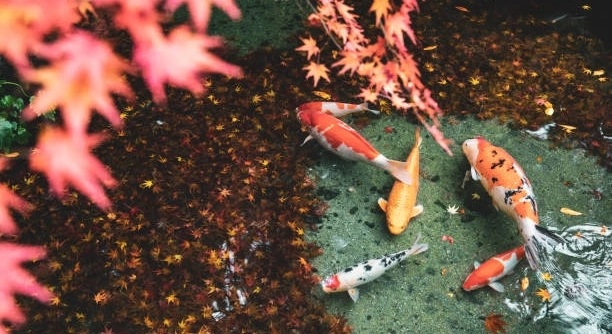
Koi fish are admired for their beautiful colors and patterns. Many hobbyists enjoy keeping them in ponds and aquariums for their striking appearance. Understanding what affects their color can help maintain their vibrant looks.
Several factors influence koi fish color, including genetics, diet, water quality, light exposure, temperature, age, and stress levels. Each of these elements plays a significant role in determining how bright and rich the koi’s colors appear over time.
Knowing these key influences will help koi keepers support healthy, vivid fish and improve the overall enjoyment of their aquatic companions.
Genetics and Inherited Traits
Genetics is the foundation of koi fish coloration. Each koi inherits specific color patterns and pigment cells from its parents, which largely determine its base colors like red, white, black, and yellow. Breeders carefully select koi with desirable traits to produce offspring with vibrant and unique colors. However, even with good genetics, the expression of color can vary depending on other factors such as diet and environment. Some koi naturally have stronger pigment genes, resulting in deeper colors, while others may have lighter or more muted hues. Understanding the genetic background helps koi keepers set realistic expectations for their fish’s color development. Although genetics sets the base, the visible color can change over time depending on external influences, so it’s important to support koi health in other ways as well.
Strong genetics are essential but not the only factor influencing koi color. They provide the basic color palette from which other elements can enhance or diminish vibrancy.
Maintaining koi with strong genetic backgrounds ensures you start with good potential. It allows other care factors to work more effectively in supporting bright, healthy coloration.
Diet and Nutrition
Diet plays a crucial role in koi coloration. Foods rich in carotenoids, such as shrimp and spirulina, enhance red and orange pigments. High-quality koi pellets often include these ingredients to promote vibrant colors. Proper nutrition supports overall health and helps koi maintain their natural beauty. Without the right diet, colors may fade, and fish might appear dull or pale. It’s important to provide a balanced diet tailored to the seasons, as koi metabolism changes with temperature. Feeding smaller amounts more frequently encourages consistent nutrient absorption, which benefits color retention. Avoid overfeeding, as poor water quality from excess food can stress koi and negatively affect their color. Including natural foods like insects or vegetables can add variety and improve pigment development.
A well-rounded diet strengthens koi colors by supplying the pigments and nutrients necessary for vibrant skin and scales.
To support koi color through diet, choose foods designed to boost pigment and adjust feeding habits based on seasonal needs. This ensures koi remain healthy and colorful year-round.
Water Quality
Clean water is vital for koi to show their best colors. Poor water conditions can cause stress, which dulls their appearance. Regular testing and maintenance keep water parameters stable and healthy.
Maintaining balanced water parameters like pH, ammonia, nitrite, and nitrate levels prevents harmful conditions. Clean water reduces toxins and supports koi’s immune systems. When water quality is high, koi can develop richer colors and stronger scales. Dirty or poorly maintained water leads to fading or patchy colors due to stress and disease. Consistent filtration, partial water changes, and removing debris help keep the pond environment ideal. Good water circulation and aeration also contribute to healthier fish.
Water temperature impacts water quality too, affecting oxygen levels and waste breakdown. Keeping the pond environment stable encourages koi to display bright, vivid colors. By paying close attention to water quality, you create the best setting for your koi to thrive visually and physically.
Light Exposure
Koi need proper light to develop and maintain vibrant colors. Natural sunlight enhances pigment production, especially in red and orange tones. Too little light can cause colors to fade over time.
Sunlight triggers pigment cells to activate, allowing colors to deepen and intensify. However, excessive direct sunlight can cause algae growth and increase water temperature, which may stress the fish. Providing a balance of shaded areas and sunlit spots helps koi regulate their exposure naturally. Using pond plants or partial covers gives koi places to retreat from harsh light. Artificial lighting can also support coloration in indoor or shaded ponds but should mimic natural day-night cycles. Regular exposure to moderate light levels supports healthy, bright color development without risking damage from too much sun.
Temperature
Koi color is influenced by water temperature. Cooler temperatures often make colors more vivid, while warmer water can cause colors to fade. Extreme temperature changes may stress koi and affect their pigmentation negatively.
Maintaining a stable temperature helps koi keep bright colors. Sudden drops or rises can weaken their immune system and dull their appearance.
Age
As koi grow older, their colors can change naturally. Young koi often have brighter, more intense colors that may fade or shift as they mature. This color evolution is a normal part of their development.
Older koi might show softer, more muted tones. Their skin may become less reflective, causing colors to appear less vibrant than in youth.
Stress
Stress affects koi coloration by dulling their colors and making them more prone to illness. Causes include poor water quality, overcrowding, and sudden changes in environment. Managing stress is important to keep colors bright and fish healthy.
Reducing stress involves maintaining good water conditions, providing enough space, and minimizing disturbances to ensure koi show their best colors.
FAQ
What is the best way to keep koi colors bright?
Maintaining bright koi colors involves several key steps. Providing a balanced diet rich in pigments like carotenoids supports natural coloration. Keeping water clean and stable reduces stress and prevents color fading. Proper light exposure, especially natural sunlight, helps pigment cells develop fully. Stable temperatures and a stress-free environment also play major roles. Regular pond maintenance, including filtration and water changes, ensures koi stay healthy and vibrant. Combining all these efforts creates ideal conditions for koi to show their best colors consistently.
How does diet specifically affect koi color?
Koi need certain nutrients to produce and maintain their colors. Carotenoids found in foods like shrimp, spirulina, and special pellets enhance reds and oranges. Without these pigments in their diet, koi colors can dull or fade. Protein and vitamins are also essential to keep their skin healthy and scales shiny. Feeding a variety of quality foods adapted to the season ensures koi receive all necessary nutrients. Overfeeding or poor-quality food can harm water quality, indirectly affecting color.
Can poor water quality cause koi colors to fade?
Yes, poor water quality is a common reason for dull koi colors. High levels of ammonia, nitrites, or nitrates can stress fish and damage their skin and pigment cells. Low oxygen or unbalanced pH also negatively impacts coloration. Maintaining clean, well-filtered water and regular testing helps prevent these issues. Even minor water problems can reduce koi’s ability to display their full color range.
Does light exposure really affect koi pigmentation?
Light exposure directly impacts koi color. Natural sunlight stimulates pigment cells and enhances red and orange hues. Without enough light, koi colors can become pale and less vibrant. However, too much direct sun can cause overheating and algae growth, which may stress koi and affect their appearance. Balancing sunlight with shaded areas is important. Artificial light can be used to support color in indoor or shaded ponds, but it should mimic natural day and night cycles.
How does temperature influence koi coloration?
Temperature changes affect koi metabolism and pigment production. Cooler water often intensifies colors, especially reds and blacks. Warmer water can cause colors to fade or appear washed out. Sudden temperature fluctuations stress koi, leading to duller colors and health problems. Keeping pond temperature stable helps koi maintain vibrant coloration and overall well-being.
Why do koi colors change as they age?
Koi naturally change colors as they grow. Young koi often show bright, bold patterns that may soften or shift over time. This is due to changes in pigment cell activity and skin structure. Some koi develop new colors, while others lose intensity. Color changes with age are normal but can be influenced by diet, water quality, and stress. Understanding this helps koi keepers appreciate the evolving beauty of their fish.
What are common signs of stress that affect koi color?
Signs of stress include faded or dull colors, erratic swimming, loss of appetite, and clamped fins. Stress weakens the immune system and disrupts pigment cells, causing colors to dull. Causes include poor water quality, overcrowding, sudden environment changes, or illness. Reducing stress by maintaining clean water, proper space, and a calm environment helps koi keep bright colors and stay healthy.
Can adding plants to the pond improve koi coloration?
Yes, plants help improve pond conditions by providing shade, reducing algae, and enhancing water quality. Shade helps koi avoid too much sun, which can stress them and dull colors. Plants also absorb excess nutrients, preventing algae blooms that cloud water and harm fish health. A well-planted pond creates a balanced environment that supports koi color and overall well-being.
Is it normal for koi colors to fade during winter?
Yes, koi colors often fade in winter due to cooler temperatures and reduced metabolism. They eat less and produce fewer pigments in cold water. Colors typically return in spring when temperatures rise and koi become more active. Providing a nutritious diet and keeping water clean during colder months helps minimize color loss.
How often should I test pond water to protect koi colors?
Testing pond water weekly is ideal to catch changes early. Key parameters include pH, ammonia, nitrite, nitrate, and temperature. Regular testing ensures water quality remains safe and stable, preventing stress and color fading. Keeping a log helps track trends and address problems before they affect koi health or coloration.
Final Thoughts
Koi fish color is influenced by many factors that work together to create the beautiful patterns and shades we enjoy. Genetics provide the basic blueprint for color, but the environment and care play a huge role in how those colors develop and stay vibrant. By paying attention to diet, water quality, light exposure, temperature, and stress levels, koi keepers can help their fish maintain healthy and bright colors over time. Each of these elements contributes in its own way, so balancing all of them is key to successful koi care.
Taking good care of koi means more than just feeding them or cleaning the pond. It involves understanding how different factors affect their health and appearance. For example, clean water keeps koi healthy and reduces stress, which allows their colors to shine. Feeding foods rich in pigments helps enhance reds and oranges. Providing the right amount of sunlight encourages pigment cells to develop fully without causing harm. When koi experience sudden temperature changes or stressful conditions, their colors can fade quickly. Keeping a stable and calm environment supports their natural beauty and wellbeing.
In summary, the color of koi fish is not fixed but changes based on their care and surroundings. Observing your koi and adjusting their environment when needed can make a big difference in how they look. Even small improvements in water quality or diet can lead to more vibrant colors. Remember that koi color also changes naturally as they age, so patience is important. Understanding these factors helps koi owners create the best environment for their fish, ensuring they stay healthy, colorful, and enjoyable for many years.

Hello,
If you enjoy the content that we create, please consider saying a "Thank You!" by leaving a tip.
Every little bit helps us continue crafting quality advice that supports the health, happiness, and well-being of pets around the world, for pets of all shapes, sizes, and species.
We really appreciate the kindness and support that you show us!