
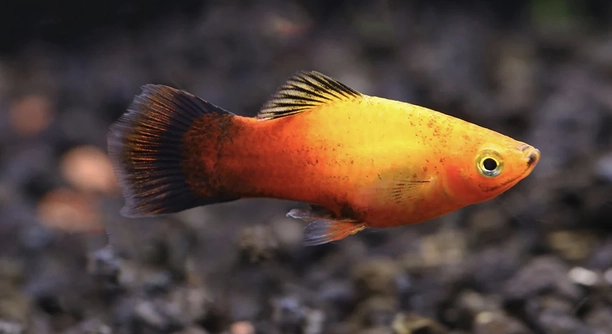
Have you ever kept platies in your aquarium and noticed they seem to breed at different times without a clear pattern?
Platies breed more or less often depending on factors like water temperature, tank size, diet, and how many males are present. Environmental stress and genetics also play a role in how frequently they reproduce.
From tank setup to feeding routines, each detail influences how often your platies have fry. Let’s look at what actually affects their breeding habits.
Tank Size and Population Balance
When your tank is too small or overcrowded, it can stress your platies and affect how often they breed. Platies do best in a spacious environment with enough room to swim freely. A larger tank helps maintain water quality and gives females places to hide if they feel pressured by males. Overcrowding can cause competition for food and territory, leading to reduced breeding activity. Ideally, a 20-gallon tank or larger gives them enough space to thrive. Keeping a balanced male-to-female ratio, such as one male for every two or three females, also helps reduce stress and encourages more frequent breeding.
A tank that’s too packed with fish can lead to aggression and hiding, which lowers the chances of successful mating.
Giving your platies enough room, along with a balanced mix of males and females, makes them feel safe and less stressed. This often results in healthier fish and more frequent breeding cycles.
Water Temperature and Quality
Platies breed more when the water is warm, clean, and steady. A good range is between 72°F and 78°F.
Temperature plays a big role in how often your platies breed. Warmer water usually boosts their metabolism and encourages them to mate more often. If the tank water gets too cold or changes too much, it can slow down their breeding. Clean water is also important. If ammonia or nitrate levels rise, it can cause stress or even illness, which stops them from reproducing. Try doing weekly water changes and using a reliable filter. A heater helps keep the temperature stable. Make sure to test your water regularly with a test kit to catch any problems early. Stable water conditions make your platies feel safe and ready to breed. If the water feels too different from what they’re used to, they’ll likely stop reproducing until things improve.
Diet and Nutrition
Platies breed more often when they’re fed a balanced, high-quality diet. Poor nutrition can delay or prevent breeding altogether.
A mix of protein, fiber, and vitamins helps keep platies healthy and ready to reproduce. Good food choices include flakes, pellets, freeze-dried bloodworms, brine shrimp, and blanched vegetables like zucchini or spinach. Feeding them once or twice a day in small amounts is enough. Overfeeding can pollute the water and cause health issues. Try rotating their food to give them variety and prevent nutrient gaps. Healthy females tend to carry fry more often and produce stronger offspring. When fish feel nourished, their energy goes toward natural behaviors like mating and breeding.
Feeding plays a big role in reproductive success. If your platies look weak, aren’t active, or don’t show signs of mating, their diet might be the reason. Providing the right nutrients regularly can help bring their breeding cycle back on track.
Age and Health Condition
Younger and healthier platies usually breed more often than older or sick ones. Females that are too old or weak may stop carrying fry.
Most platies start breeding as early as four months old. Their breeding tends to be most frequent during their first year. After that, the frequency often slows down. A sick platy or one with signs of stress like clamped fins, dull color, or inactivity might not breed at all. Illnesses like fin rot, parasites, or internal infections can interfere with their cycle. Make sure they are kept in a clean tank, have access to good food, and don’t face too much competition or stress from other fish. Isolating sick fish early helps protect the others. Even something simple like poor lighting or low oxygen levels can affect health. Healthy platies not only breed more often but also raise stronger fry with a higher chance of survival.
Male-to-Female Ratio
When there are too many males in the tank, females can become stressed from constant chasing, which reduces how often they breed.
A good rule is to keep one male for every two or three females. This gives females time to rest and recover between pregnancies.
Genetics and Breeding History
Some platies are naturally more likely to breed often because of their genetics. If they come from a strong line of frequent breeders, they may continue that pattern. On the other hand, fish from weaker or overbred lines might not reproduce as much. You can’t always see this from appearance, but you may notice it through behavior and fry count over time. If you bought your platies from a reliable breeder, they likely have stronger genes. Also, avoid breeding siblings too often. Inbreeding can weaken their health and reduce breeding success. Good genes give your fish the energy and ability to keep reproducing regularly.
Stress and Tank Conditions
Stress from noise, sudden lighting changes, or aggressive tank mates can stop platies from breeding. Calm, steady conditions help them feel safe enough to mate.
How often do platies typically breed?
Platies can breed every 4 to 6 weeks under good conditions. Females carry the fry for about 21 to 30 days before giving birth. With proper care—like stable water, good food, and a balanced tank—they often produce healthy babies regularly. However, if conditions aren’t ideal, breeding slows down or stops altogether.
Can platies breed without males?
No, platies need males to fertilize the eggs. Without males, females won’t produce fry. However, females can store sperm from previous mating for several months and give birth multiple times from that stored sperm, but after that, they need to mate again to continue breeding.
How many fry do platies usually have at once?
A female platy can give birth to anywhere from 20 to 50 fry in one batch. The number depends on her age, health, and environment. Younger and healthier females tend to have more babies. Stress or poor nutrition can reduce the number of fry in each birth.
Is it normal for female platies to look pregnant all the time?
Female platies can appear pregnant often because they can store sperm and give birth multiple times from one mating. After giving birth, they might get pregnant again quickly. This can make it seem like they’re always carrying fry, especially in a healthy, stable tank.
How can I tell if my platy is pregnant?
Pregnant females have a rounded belly and a dark spot near their anal fin called the gravid spot. This spot becomes more visible as the fry develop inside. You may also notice her behavior changes; she might hide more or seem less active as she approaches giving birth.
What should I do when my platy gives birth?
If you want to protect the fry, consider moving the mother or the babies to a separate nursery tank. Adult platies sometimes eat their fry, so providing hiding spots or a breeding box helps keep the babies safe. Feed the fry small, frequent meals like crushed flakes or baby brine shrimp.
Can I keep multiple pregnant females together?
Yes, but keep in mind that a crowded tank with many pregnant females may increase stress. Providing plenty of hiding spaces and plants helps reduce competition and aggression. Also, make sure the tank is large enough to support the population growth after births.
Does changing the water affect breeding?
Regular water changes improve water quality and encourage breeding by reducing toxins. Avoid drastic or sudden changes in temperature or pH, as this can stress platies and halt breeding. Aim for gentle weekly water changes with water that matches the tank’s temperature and parameters.
Why might my platies stop breeding suddenly?
Sudden stops in breeding often happen due to stress, illness, poor water conditions, or aging fish. Check for signs of disease or changes in water quality. Adjust diet and tank environment if needed. Sometimes females need a break, especially after several births in a row.
Can I speed up breeding in platies?
You can encourage more frequent breeding by maintaining warm, stable water temperatures around 75°F, feeding nutritious and varied foods, and keeping a good male-to-female ratio. Avoid overcrowding and reduce stress factors in the tank. Healthy, comfortable platies breed more regularly.
How long do platies live?
Platies generally live 2 to 3 years, sometimes longer with excellent care. Breeding frequency usually decreases as they get older. Keeping them healthy with good water quality, diet, and tank mates helps them live their full lifespan and breed successfully during their prime years.
Can platies breed with other fish?
Platies can breed only with other platies or very close relatives like swordtails. They won’t breed with unrelated species. Crossbreeding is sometimes possible with closely related livebearers, but it’s not common in home aquariums and may produce less healthy offspring.
What happens if there are too many males?
Too many males can stress females by constant chasing and mating attempts. This stress lowers breeding rates and harms female health. Keeping one male for every two or three females balances breeding activity and reduces aggression.
How important is lighting for breeding?
Consistent lighting helps regulate platies’ natural rhythms. About 10 to 12 hours of light daily is ideal. Sudden changes or too much light can stress fish and disrupt breeding. A steady light cycle supports normal behavior and reproductive cycles.
Can platies breed in cold water?
Platies prefer warmer water and breed best between 72°F and 78°F. Cooler water slows their metabolism and breeding frequency. Keeping water temperature stable and warm encourages regular reproduction.
Do platies need plants for breeding?
Plants aren’t necessary but they help. Live plants provide hiding spots for fry, reduce stress, and improve water quality. Dense planting creates a safer environment where fry can avoid being eaten and females feel secure during pregnancy.
When keeping platies in your aquarium, understanding the factors that affect how often they breed can help you create the best environment for them. These small fish need stable water conditions, a proper diet, and enough space to feel comfortable. Changes in temperature, tank size, or the number of males can make a big difference in how frequently they reproduce. Paying attention to these details not only helps your platies breed more regularly but also keeps them healthy and active. Maintaining good water quality through regular cleaning and monitoring is a simple but important step.
Breeding platies also depends a lot on their health and age. Younger, well-fed fish tend to breed more often, while older or stressed fish may slow down or stop. It’s natural for females to have multiple pregnancies when conditions are right, but constant stress or poor nutrition can reduce breeding chances. Keeping a balanced number of males and females helps prevent stress from constant chasing, which can negatively affect reproduction. Also, genetics play a role, so platies from strong breeding lines usually have better success. Providing a calm, safe environment with plenty of hiding places encourages natural behavior and gives fry a better chance of survival.
Overall, successful platy breeding requires patience and care. There is no single trick to make them breed faster, but a combination of good tank conditions, balanced diet, and attention to their needs will improve results over time. Watching how your fish respond to changes and adjusting accordingly will help you find the right routine. Whether you want to grow your platy population or just keep your fish happy, understanding these factors can make the experience more rewarding. Small efforts in maintaining their environment go a long way in supporting healthy, frequent breeding.

Hello,
If you enjoy the content that we create, please consider saying a "Thank You!" by leaving a tip.
Every little bit helps us continue crafting quality advice that supports the health, happiness, and well-being of pets around the world, for pets of all shapes, sizes, and species.
We really appreciate the kindness and support that you show us!