
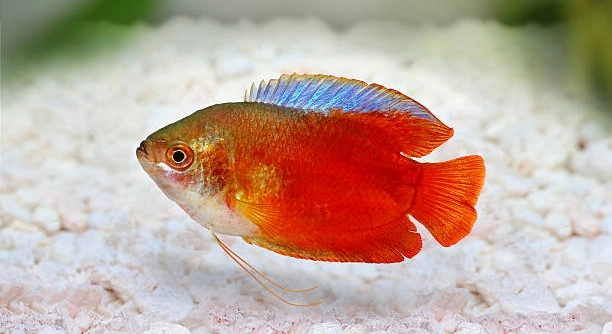
Gouramis are beautiful fish known for their vibrant colors and graceful movements. Observing their skin can be fascinating, especially when you notice subtle changes in hue or intensity over time. These changes often reflect more than just age or mood.
Gourami skin color is influenced by a combination of environmental, dietary, genetic, and health-related factors. Water quality, lighting, temperature, nutrition, stress levels, breeding conditions, and diseases all play significant roles in determining the vibrancy and consistency of their coloration.
Understanding what affects gourami skin color can help maintain their health and appearance. This guide will highlight key aspects that impact their coloration daily.
Water Quality and Clarity
Maintaining clean water is essential for gourami skin color. Dirty or poorly maintained tanks can dull their natural hues and stress the fish, affecting their overall appearance. Regular water changes and testing for ammonia, nitrites, and nitrates help keep the water safe and balanced. Filtration also plays a key role in removing debris and harmful chemicals that can alter the vibrancy of their skin. Temperature stability is another factor, as sudden shifts can weaken their immune system and cause temporary color fading. Observing your gourami daily will help you notice any changes in behavior or color early. A balanced environment supports not only their coloration but also their activity and appetite. Even small improvements in water quality can lead to brighter, healthier-looking fish.
Consistent water quality supports bright, vivid coloration and reduces stress, keeping gouramis healthy and visually appealing over time.
Monitoring water clarity, temperature, and chemical balance creates an optimal environment. A steady routine of partial water changes, careful feeding, and attentive observation ensures gouramis maintain strong, vibrant skin while minimizing health issues.
Diet and Nutrition
A balanced diet directly influences gourami skin tones. High-quality foods rich in carotenoids, proteins, and vitamins enhance their natural colors. Supplementing with fresh or frozen foods like bloodworms or brine shrimp can improve overall vibrancy. Overfeeding or providing low-quality flakes may lead to faded colors and health problems. Consistent feeding schedules help maintain digestive health and nutrient absorption. Including color-enhancing ingredients in their diet encourages deeper reds, oranges, and blues in their scales. Variety is important to prevent deficiencies, which can dull pigmentation over time. Observing which foods make your gourami shine helps adjust their meals for optimal results. Treats should be given occasionally, not regularly, to avoid water contamination and obesity. A strong nutritional plan supports both skin color and immune system resilience, keeping your gouramis active and lively.
Proper nutrition strengthens skin coloration, overall health, and energy levels. Careful attention to diet ensures gouramis remain colorful and vigorous.
Lighting Conditions
Proper lighting enhances gourami coloration. Too little light can make their colors fade, while excessive light can stress them and cause dull skin. A balance of natural and artificial light is ideal.
Consistent lighting schedules help regulate their biological rhythms, which affects both activity and color expression. Full-spectrum LED or fluorescent lights simulate natural daylight, making reds, oranges, and blues more vivid. Avoid placing tanks in direct sunlight, which can cause algae growth and sudden temperature fluctuations, both of which harm coloration. Timers are useful to maintain steady light periods without human error, ensuring gouramis get enough exposure for healthy pigment development. Observing how colors shift under different light intensities allows you to adjust the environment for optimal vibrancy.
Lighting also impacts mood and behavior, which indirectly influences skin tone. Bright, balanced lighting encourages natural movement and feeding, contributing to healthier, more vivid coloration over time. Combining proper intensity with consistent duration gives gouramis the ideal environment for showing off their true colors.
Stress and Environment
Stress is a major factor that affects gourami skin color. Crowded tanks, aggressive tank mates, or sudden environmental changes can lead to color fading and health issues.
Reducing stress improves coloration and overall well-being. Providing hiding spots like plants, caves, or decorations gives gouramis a sense of security. Stable water conditions, minimal disturbances, and gentle handling also lower stress levels. Even changes like moving the tank or introducing new fish gradually can prevent sudden fading. Observing behavior helps identify stress triggers, such as frequent hiding, loss of appetite, or erratic swimming. Stress not only dulls colors but also weakens immunity, making gouramis more prone to illness. Maintaining a calm, predictable environment ensures they display vibrant skin naturally, without unnecessary fading caused by fear or discomfort.
A stress-free environment promotes consistent color expression. Managing tank dynamics, offering shelters, and maintaining stability encourages gouramis to retain strong, vivid skin tones while supporting long-term health.
Genetics and Breed Variations
Gourami skin color is partly determined by genetics. Different breeds naturally display varying shades and patterns, and some may be more vibrant than others.
Selective breeding emphasizes certain colors, but it cannot override the effects of poor care. Healthy conditions are still needed for colors to appear as intended.
Temperature Fluctuations
Sudden or extreme temperature changes can stress gouramis and dull their skin. Stable, appropriate temperatures support strong coloration. Consistency is key for maintaining natural pigment and overall health.
Disease and Parasites
Infections and parasites can lead to discoloration, patches, or fading. Prompt treatment and proper tank hygiene are essential for restoring vibrant skin.
How can I naturally enhance my gourami’s color?
Providing a varied, nutrient-rich diet is the most effective way. Foods high in carotenoids, such as krill, shrimp, and certain pellets, encourage deeper reds, oranges, and blues. Including live or frozen foods occasionally stimulates natural hunting behavior and promotes health. Maintaining stable water quality, proper lighting, and low stress also ensures that the colors display fully.
Why does my gourami’s color fade suddenly?
Sudden color fading is usually a sign of stress or poor environmental conditions. Check for water parameter shifts, temperature fluctuations, aggressive tank mates, or overcrowding. Even minor changes, like moving the tank or adding new fish, can cause temporary dulling. Consistent routines and a calm environment allow skin pigmentation to recover naturally.
Can lighting affect my gourami’s skin color?
Yes, lighting plays a critical role. Proper intensity and spectrum make natural colors more visible, while insufficient or harsh lighting can dull them. A full-spectrum light for 8–10 hours daily, combined with shaded areas, promotes vibrant coloration without causing stress. Timers help maintain a steady schedule for consistent results.
Does stress really change color permanently?
Stress typically causes temporary fading, but prolonged or repeated stress can weaken the immune system and slow pigment production over time. Addressing the source of stress, such as aggression or environmental instability, usually restores the original skin tones. Hiding spots and calm water conditions are essential preventive measures.
How does water quality influence coloration?
Poor water conditions, including high ammonia, nitrite, or nitrate levels, can cause dull skin and poor health. Regular testing, partial water changes, and proper filtration maintain ideal water chemistry. Clear, stable water allows gouramis to display their full natural vibrancy and reduces stress-related color loss.
Do genetics determine color potential?
Yes, genetics set the baseline for color range and pattern. Some breeds are naturally brighter, while others are more muted. Good care, proper diet, and low stress allow these genetic colors to show fully, but poor conditions can prevent even the most vibrant genes from being expressed.
Can temperature changes affect color?
Extreme or rapid temperature shifts can cause stress, leading to faded colors. Stable, appropriate temperatures for the specific gourami species support both pigment expression and overall health. Avoid placing tanks in direct sunlight or near heating or cooling vents. Gradual acclimation helps prevent sudden changes.
Are diseases responsible for color changes?
Yes, infections and parasites often cause spots, patches, or overall fading. Early identification and treatment are critical. Quarantining new fish, maintaining clean tanks, and monitoring behavior help prevent illnesses that impact both color and health. Healthy fish show brighter, more consistent coloration.
How often should I feed to maintain color?
Consistent, moderate feeding supports strong skin pigmentation. Overfeeding can pollute the water, dull colors, and lead to health problems, while underfeeding may cause nutrient deficiencies that affect skin tone. A balanced, varied diet administered once or twice daily usually works best.
Can adding plants or decorations improve color?
Yes, a well-decorated tank reduces stress and provides visual contrast that highlights natural coloration. Plants, hiding spots, and soft substrates allow gouramis to feel secure and show their brightest skin. It also encourages natural behavior, which indirectly supports pigment expression.
What role does age play in coloration?
Young gouramis may have brighter colors initially, which can intensify as they mature. Older fish may experience gradual fading, but good care, diet, and stable environments can maintain vibrant hues well into adulthood. Pigmentation changes are a natural part of growth and health.
Is it normal for colors to change during breeding?
Yes, breeding can temporarily alter skin coloration. Males often display more vivid colors to attract mates, while females may show subtle fading or muted tones. After breeding, colors generally return to their baseline if environmental conditions remain stable.
Can stress from tank mates affect skin color?
Aggressive or overly active tank mates can intimidate gouramis, causing stress-related fading. Ensuring compatible species and adequate space helps maintain calm behavior and allows full expression of natural colors. Observing interactions daily can prevent long-term color loss.
Does tank size influence coloration?
Yes, overcrowding or too small a tank increases stress, which can dull skin. Adequate space, proper hiding spots, and a stable environment promote healthy behavior and bright colors. Matching tank size to species requirements ensures both well-being and visual vibrancy.
How long does it take for color to return after fading?
Recovery time depends on the cause. After correcting diet, water, or stress issues, most gouramis regain their natural coloration within days to a few weeks. Persistent problems, like disease or poor genetics, may require longer-term management to see improvement.
Can supplements improve coloration?
Color-enhancing supplements containing carotenoids or vitamins can help, but they should complement a balanced diet, not replace it. Overuse may harm water quality or fish health. Use supplements sparingly, following manufacturer instructions, and observe the effects on pigment intensity carefully.
Are all color changes a sign of a problem?
Not always. Temporary color changes can occur due to mood, rest, or minor environmental shifts. Stress, illness, or poor care cause longer-lasting fading. Monitoring behavior, appetite, and tank conditions helps distinguish natural variations from concerning changes.
How do I prevent fading in the long term?
Maintain stable water parameters, consistent lighting, balanced nutrition, and a low-stress environment. Regular observation, proper tank size, and disease prevention are essential. Combining these factors ensures gouramis retain vivid, healthy skin color throughout their lifespan.
Gouramis are naturally vibrant fish, and maintaining their skin color requires attention to several key factors. Water quality, temperature stability, proper lighting, and a balanced diet all work together to support bright, healthy skin. Small changes in any of these areas can lead to noticeable fading, so consistent care is essential. Observing your gouramis regularly allows you to catch early signs of stress, illness, or environmental issues before they affect coloration. Even minor improvements, like adjusting water parameters or feeding higher-quality foods, can have a significant impact on their overall appearance and health. Understanding the natural needs of gouramis helps ensure they display their true colors consistently, making them a more enjoyable and lively addition to your tank.
Stress management plays a crucial role in maintaining skin color. Crowded tanks, aggressive companions, or sudden changes in the environment can cause temporary or long-term fading. Providing hiding spots, plants, and a calm, stable environment reduces anxiety and encourages natural behavior, which directly impacts pigment expression. Proper handling and gradual acclimation to changes, such as introducing new fish or rearranging decorations, help minimize stress. Over time, a stress-free environment supports not only better coloration but also stronger immune function and overall vitality. Focusing on these factors ensures your gouramis remain healthy, active, and colorful without requiring unnecessary interventions.
Finally, genetics and species variations set the baseline for how vibrant your gouramis can appear. While care, diet, and environmental stability enhance their natural colors, certain breeds are predisposed to brighter or more muted shades. Accepting these natural differences while providing optimal living conditions allows you to maintain the best possible coloration for each fish. Consistent care, including proper nutrition, lighting, and clean water, combined with stress reduction, creates the ideal conditions for gouramis to thrive. Paying attention to these details over the long term ensures their skin remains vivid, their health stays strong, and their presence in your aquarium continues to be visually rewarding.

Hello,
If you enjoy the content that we create, please consider saying a "Thank You!" by leaving a tip.
Every little bit helps us continue crafting quality advice that supports the health, happiness, and well-being of pets around the world, for pets of all shapes, sizes, and species.
We really appreciate the kindness and support that you show us!