
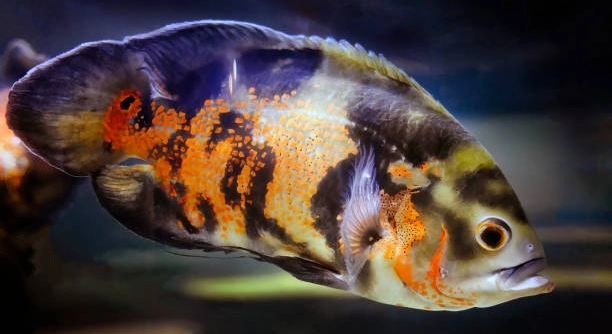
Convict cichlids are popular aquarium fish, known for their bright colors and lively behavior. Many fish keepers enjoy breeding them, but success depends on several environmental and biological factors in their tank setup.
Breeding convict cichlids is influenced by water temperature, pH levels, tank size, diet, pairing compatibility, hiding spaces, and stress levels. Each factor directly affects spawning behavior, egg viability, and fry survival, making careful management essential for successful reproduction.
Knowing how these conditions affect breeding can help you create a healthier environment. Paying attention to small changes often leads to better results with your fish.
Water Temperature
Convict cichlids breed best in stable, warm water. Maintaining a temperature between 78°F and 82°F encourages spawning and increases egg viability. Sudden drops or rises in temperature can stress the fish, slowing their breeding activity or even causing them to abandon eggs. Using a reliable heater and thermometer ensures consistent conditions. Many keepers notice that pairs become more active and aggressive when the water is in this ideal range, which is a natural part of their breeding behavior. Observing the fish daily helps detect any temperature-related stress, like lethargy or color changes, which can impact their willingness to mate. Additionally, water temperature affects the development rate of the eggs and fry. Warmer water speeds up hatching but may shorten the lifespan of fry if too hot. Cooler water slows development, increasing the risk of fungus on eggs. Maintaining a proper balance is essential for both adult fish and the next generation.
Stable water temperature supports consistent breeding behavior and healthier fry. It is one of the easiest factors to control in a home aquarium.
Even small fluctuations in temperature can trigger stress responses in convict cichlids. Pairing activity, nest building, and egg care all depend on stable water conditions. Using a digital thermometer and adjusting the heater gradually can prevent sudden changes. Keeping the water within the recommended range also reduces disease risks and supports overall fish health. Observing the fish’s behavior, such as how often they guard their nesting site, can indicate if the temperature is optimal. Avoid placing the tank near drafts, air conditioners, or windows that receive direct sunlight, as these can cause swings. Consistency helps establish a routine, making pairs more likely to spawn regularly. Over time, maintaining the correct temperature improves fry survival rates and ensures healthier, more active fish.
Tank Size and Setup
A larger tank gives convict cichlids more space to breed safely and reduces territorial aggression. Proper hiding spots also make them feel secure.
Tank size affects aggression levels, movement, and comfort. A 20-gallon tank or larger is ideal for a breeding pair. Adequate space allows fish to establish territories without constant conflict. Adding rocks, caves, and plants provides natural hiding spots that protect fry and reduce stress. Decorations should not overcrowd the tank but be arranged to allow clear swimming paths. Substrate type also plays a role; sand or fine gravel works best for digging and egg laying. Proper filtration ensures clean water while minimizing strong currents, which can disturb the pair during spawning. Lighting should mimic natural day-night cycles to regulate behavior. Observing the pair’s interaction with the tank setup can indicate if changes are needed. A well-planned environment encourages natural behaviors, including courtship, egg care, and fry protection, which all contribute to successful breeding outcomes. Over time, this careful arrangement leads to a healthier, more stable aquarium ecosystem.
Diet and Nutrition
A proper diet is essential for convict cichlid breeding. Feeding high-quality protein and varied foods boosts their energy and increases egg production, directly supporting healthy fry development.
A diet rich in protein, including live or frozen foods like brine shrimp, bloodworms, and daphnia, enhances reproductive readiness. Supplementing with high-quality pellets or flakes ensures balanced nutrition, including vitamins and minerals needed for egg and fry development. Regular feeding schedules also help maintain consistent energy levels. Avoid overfeeding, as excess food can pollute the tank, causing stress or illness, which negatively affects breeding behavior. Healthy, well-fed fish are more likely to pair successfully, build nests, and care for their eggs. Observing their feeding habits can indicate overall health and reproductive readiness, helping you adjust portions or food types as needed.
Proper nutrition strengthens the fish, improves egg viability, and supports fry survival. Balanced meals and occasional live food encourage natural breeding behaviors.
Even slight dietary deficiencies can reduce egg production and weaken fry. Consistent, high-quality food directly influences spawning frequency and parental care, making it a key factor in breeding success. Providing variety ensures the fish receive essential nutrients for long-term health. Live foods stimulate activity and courtship, while flake or pellet options supply steady daily nutrition. Avoid sudden diet changes, which may stress the fish or reduce feeding interest. Monitoring fish weight, color, and energy levels helps track dietary adequacy. Healthy, well-nourished convict cichlids are more likely to engage in nesting, defend territories effectively, and care for eggs, resulting in higher survival rates.
Pairing Compatibility
Pair compatibility affects breeding success and aggression levels. Mismatched pairs may fight, reducing egg survival and fry care.
Convict cichlids form strong pairs that require careful observation before breeding. Matching sizes and temperaments reduces conflicts and improves cooperative behavior during spawning and parenting. Aggressive or stressed pairs may damage eggs or ignore fry. Observing interactions over several days helps identify compatible pairs, ensuring smoother nesting and brood care. Natural bonding is strengthened when fish feel secure in their environment, minimizing territorial disputes. Providing separate tanks for new pair introductions can reduce initial aggression. Adjusting the setup, like adding hiding spots, further encourages positive pair dynamics and supports reproductive success.
Hiding Spaces
Providing hiding spaces reduces stress and protects eggs and fry. Rocks, caves, and plants allow convict cichlids to feel secure while breeding.
Hiding spots also help manage aggression between pairs. When each fish has a territory or safe area, conflicts decrease, and parental care improves, supporting successful spawning and fry survival.
Water pH and Hardness
Convict cichlids prefer slightly alkaline water with a pH between 7.0 and 8.0. Consistent pH and moderate hardness encourage spawning and egg development. Monitoring and adjusting water parameters helps maintain ideal conditions, reducing stress and promoting healthier fry.
Stress Levels
High stress disrupts breeding behavior and reduces egg viability. Avoid sudden changes in the tank, overhandling, or introducing aggressive tank mates, as these factors can negatively impact spawning and parental care.
FAQ
How often do convict cichlids breed?
Convict cichlids can breed multiple times a year if conditions are right. In optimal water temperature, clean water, and with a proper diet, a pair may spawn every few weeks. Frequent breeding depends on the health of both the male and female, as well as the stability of their environment.
How can I tell if my pair is ready to spawn?
Signs include increased territorial behavior, digging in the substrate, and cleaning potential nesting sites. The male often becomes more colorful, while the female may carry eggs visibly. Pairs that are compatible will stay close together and display cooperative behavior around the chosen nesting area.
What is the best food for breeding convict cichlids?
A protein-rich diet is ideal. Live or frozen foods like brine shrimp, bloodworms, and daphnia stimulate reproductive readiness. High-quality pellets or flakes provide essential vitamins and minerals. Feeding small portions multiple times a day helps maintain energy levels without polluting the tank.
How many eggs do convict cichlids lay?
A female can lay anywhere from 50 to over 300 eggs per spawn, depending on age, health, and environmental conditions. Larger, well-fed females generally produce more eggs. Parental care plays a crucial role in protecting eggs and ensuring fry survival.
How long does it take for eggs to hatch?
Eggs usually hatch within 3 to 5 days, depending on water temperature. Warmer water accelerates development but must remain stable to avoid stress. After hatching, fry rely on their parents for protection and guidance while they grow.
Do parents eat their eggs or fry?
Healthy, well-fed pairs rarely eat their eggs or fry. However, stress, poor water conditions, or aggression between the pair can lead to eggs being eaten. Providing hiding spots for fry can reduce this risk and improve survival rates.
Can convict cichlids breed in community tanks?
They can, but it is risky. Aggressive behavior toward other fish is common during breeding. Providing enough space and hiding spots can help, but separating pairs in a dedicated breeding tank is usually safer for both the parents and the fry.
When should I remove the fry from the parents?
Fry can stay with the parents for several weeks if there is enough space and hiding spots. Removing them is usually necessary only if aggression arises or the tank becomes overcrowded. Observing parental care helps determine the best timing.
What water changes are necessary during breeding?
Frequent, small water changes maintain cleanliness and reduce stress. Avoid large or sudden changes, which can harm eggs and fry. Monitoring parameters like temperature, pH, and hardness ensures optimal conditions for both adults and young fish.
How can I reduce stress during breeding?
Keep a consistent routine, avoid overhandling, and limit disturbances around the tank. Providing hiding spaces, stable water conditions, and a compatible pair reduces stress and improves breeding success. Observing behavior regularly allows early intervention if any problems arise.
Can I breed convict cichlids without a tank heater?
It is possible in tropical climates, but maintaining stable temperatures is challenging without a heater. Temperature fluctuations can stress the fish and reduce egg viability. A reliable heater ensures consistent warmth, supporting frequent and successful breeding.
How important is tank decoration for breeding?
Decorations like rocks, caves, and plants are essential for providing security and nesting areas. They help reduce aggression, encourage territorial behavior, and give fry hiding spots, increasing survival rates. A well-arranged tank supports natural breeding habits and healthier offspring.
Do water hardness and pH affect fry survival?
Yes, slightly alkaline water with moderate hardness is ideal. Stable water chemistry ensures proper egg development and reduces stress for both adults and fry. Sudden shifts in pH or hardness can lead to poor hatching rates and weaker fry.
How can I tell if eggs are fertilized?
Fertilized eggs are usually clear or slightly yellow and develop tiny black dots, indicating embryos. Unfertilized eggs often turn white or cloudy and may get fungus. Removing unfertilized eggs helps prevent fungal growth and protects healthy eggs.
How long until fry are independent?
Fry typically become more independent around 3 to 4 weeks after hatching, as they grow and learn to swim actively. During this time, they gradually eat tiny foods like crushed flakes or baby brine shrimp while still relying on parental protection.
Is it necessary to separate male and female after breeding?
It is not usually necessary if they are compatible and have enough space. Separation is only required if aggression appears or if fry are at risk. Observing interactions ensures the pair can continue caring for their young without conflict.
Can stress affect future breeding attempts?
Yes, stressed fish may delay or skip spawning. Consistent water quality, diet, and environmental stability are critical. Recovering from stress before introducing new breeding attempts improves chances of successful reproduction.
Do convict cichlids mate for life?
Pairs can remain bonded for multiple breeding cycles but are not strictly monogamous. Compatibility depends on temperament, environment, and health. Observing behavior over time helps identify stable pairs that cooperate effectively during spawning.
How can I tell if fry are healthy?
Healthy fry are active, swim freely, and show clear coloration. They feed regularly and grow steadily. Lethargic or malformed fry may indicate poor water quality, insufficient food, or parental neglect. Monitoring growth and behavior helps ensure survival.
What are common mistakes to avoid during breeding?
Overcrowding, poor water quality, inadequate diet, and lack of hiding spaces are frequent issues. Ignoring compatibility or handling fish too often also reduces success. Addressing these factors carefully improves egg survival, fry health, and overall breeding outcomes.
How long can fry survive without parental care?
Fry can survive for short periods on suitable food in a safe tank, but parental care greatly improves survival rates. Providing hiding spots and appropriate feeding can help, but attentive parents increase fry growth and protection from stress or aggression.
Can I breed more than one pair in the same tank?
It is possible with a large, well-structured tank, but competition and aggression increase. Multiple hiding spots and clearly defined territories help, yet separate breeding tanks are safer for consistent fry survival. Managing space and monitoring interactions is critical in these setups.
How do I prevent fungus on eggs?
Maintain clean water and remove unfertilized eggs promptly. Adequate water flow, proper temperature, and healthy parents reduce fungus growth. Some keepers use antifungal treatments cautiously if necessary, but prevention through environment and care is most effective.
Can I breed convict cichlids year-round?
Yes, with stable temperature, proper diet, and good tank conditions, they can breed multiple times per year. Frequent water monitoring, consistent feeding, and minimal stress encourage regular spawning cycles and higher fry survival rates.
What should I do if the pair fights excessively?
Separate the fish temporarily or provide additional hiding spaces. Aggression can lead to damaged eggs or abandoned fry. Observing their behavior closely helps determine if reintroduction is safe, ensuring both adults and young remain protected.
How do I know when fry can eat solid food?
Fry begin accepting finely crushed flakes or baby brine shrimp within a few days after hatching. Initially, they rely on yolk sacs or parental feeding. Gradual introduction of solid food supports growth while maintaining proper nutrition and survival rates.
What tank maintenance is crucial during breeding?
Frequent small water changes, stable temperature, and monitoring pH and hardness are essential. Avoid major disturbances, remove waste, and maintain filters carefully. Proper maintenance reduces stress and supports egg viability, fry health, and overall breeding success.
Can I breed convict cichlids without a pair?
No, breeding requires a compatible male and female. Single fish cannot spawn on their own, and forcing incompatible pairs can lead to aggression and failure. Observing natural pairing behavior ensures safer and more productive breeding outcomes.
How do I handle weak or sick fry?
Provide a clean, safe environment and suitable food, separate them if needed, and monitor for illness. Weak fry often recover with proper care, but maintaining water quality and reducing stress is essential for survival and growth.
What is the average lifespan of convict cichlids in captivity?
They typically live 8 to 10 years in well-maintained aquariums. Proper diet, water quality, and tank conditions contribute to longevity and multiple successful breeding cycles over their lifespan.
Do convict cichlids need a specific light cycle for breeding?
A regular day-night cycle supports natural behavior. About 10 to 12 hours of light per day encourages activity and spawning, while darkness allows rest. Sudden changes in lighting can stress the fish and disrupt breeding routines.
How do I know if my pair is compatible long-term?
Compatible pairs display cooperative nesting, minimal aggression, and shared parental care. Observing interactions over time ensures they can continue breeding successfully. Compatibility improves egg survival, fry protection, and overall health of both adults.
Can breeding affect adult health?
Frequent breeding can stress adults if diet, water quality, or space are inadequate. Monitoring their condition, providing rest periods, and ensuring proper nutrition prevents health issues and supports future successful spawns.
How do I prevent overcrowding in the tank?
Limit the number of fish and fry in one tank. Separate fry or pairs as needed. Overcrowding increases stress, aggression, and disease risk, negatively affecting breeding success and overall fish health.
Is it possible for a single pair to produce multiple broods at once?
Yes, with optimal conditions, a pair can spawn several times per year. However, each brood requires care and space to ensure survival. Maintaining proper nutrition, water quality, and stress-free conditions is essential for repeated successful spawns.
How do I encourage parental care from both adults?
Provide a secure, spacious tank with hiding spots. Stable water conditions and adequate food reduce stress. Compatible pairs naturally share responsibilities like guarding eggs and guiding fry, improving survival and promoting healthy development.
Can environmental changes trigger breeding?
Yes, slightly increasing temperature or providing fresh hiding spots can stimulate spawning behavior. Gradual, controlled changes are more effective than sudden shifts, which can stress the fish and disrupt breeding.
How long should I wait before introducing a new pair?
Wait until water conditions are stable, and the tank is prepared with sufficient space. Observing the new pair for compatibility before introducing them reduces aggression and ensures a safer breeding environment.
Are convict cichlids aggressive toward other fish during breeding?
Yes, they become territorial and protective of their nest. Aggression is normal but can harm other tank mates. Providing separate tanks or ample hiding spaces helps manage conflicts and protects both adults and young fish.
What is the most important factor for successful breeding?
Stable water conditions, proper diet, hiding spots, and a compatible pair are the most critical factors. Balancing these elements ensures cooperative behavior, healthy eggs, and higher fry survival, forming the foundation for successful breeding.
Can breeding pairs survive in small tanks?
Pairs can survive in smaller tanks, but stress, aggression, and fry survival become major concerns. Providing at least 20 gallons per pair with hiding spots improves conditions and increases the likelihood of successful spawning.
How often should I monitor the breeding tank?
Daily observation is best. Check water parameters, fish behavior, and tank cleanliness. Early detection of stress, aggression, or illness allows timely intervention, supporting successful breeding and healthy fry development.
Do convict cichlids require any special equipment for breeding?
Basic equipment includes a heater, thermometer, filter, and suitable substrate. Optional additions like caves and plants support hiding and nesting. No complex tools are necessary, but stable conditions and proper setup are essential.
What happens if eggs are left unattended?
Unattended eggs may get fungus, be eaten, or fail to develop properly. Parental care or close monitoring is crucial for survival. Providing hiding spots and a safe environment reduces risks and improves hatching success.
Can I breed convict cichlids in soft water?
Soft water is less ideal but possible if pH remains stable. Slightly alkaline, moderately hard water generally produces better results, with higher egg viability and healthier fry development.
How do I prevent fry from being eaten by parents?
Provide plenty of hiding spots and monitor the pair. Ensuring adults are well-fed and not stressed reduces the risk. Removing fry is only necessary if aggression occurs or survival is threatened.
Can I rebreed a pair immediately after one spawn?
Pairs may breed again if conditions are stable, but giving adults a short rest period helps maintain health. Continuous spawning without recovery can weaken fish and reduce egg quality.
How do I transport fry safely?
Use a small container with clean water from the tank. Maintain stable temperature, minimal movement, and limited light exposure. Gradually acclimate fry to the new tank to reduce stress.
Do convict cichlids breed better in planted tanks?
Plants provide hiding spots and security, encouraging natural breeding behavior. They help reduce aggression, give fry shelter, and contribute to overall tank stability, supporting healthier adults and successful spawning.
How long does it take fry to grow into adults?
Fry reach adult size in about 6 to 8 months under proper conditions. Nutrition, water quality, and minimal stress influence growth rates and long-term health, preparing them for future breeding cycles.
Can temperature fluctuations stop breeding entirely?
Yes, sudden changes in temperature stress the fish and can halt spawning. Consistent warmth within the ideal range encourages regular breeding and improves egg and fry survival.
How do I prevent mold or algae in the breeding tank?
Maintain clean water, remove uneaten food, and ensure proper filtration. Controlled lighting and regular maintenance reduce algae growth, while antifungal measures help protect eggs and fry without stressing adults.
What is the ideal number of hiding spots for a pair?
Multiple caves, rocks, or plant clusters are recommended. At least 3 to 4 hiding spots allow each fish to establish a territory and give fry safe spaces, reducing stress and aggression while supporting successful breeding.
Can I breed convict cichlids in a bare-bottom tank?
Yes, bare-bottom tanks simplify cleaning and reduce fungal growth, but adding hiding structures is essential. Rocks, caves, or artificial shelters protect fry and provide security for the breeding pair.
Do convict cichlids ever stop breeding naturally?
Pairs may pause breeding due to age, stress, poor diet, or health issues. Proper care, stable conditions, and attentive management help maintain reproductive activity over several years.
Is frequent observation stressful for the fish?
Gentle, brief observation is generally safe. Avoid tapping on glass or sudden movements. Watching behavior calmly helps track breeding progress and spot problems early without causing unnecessary stress.
How do I choose a compatible male and female?
Select fish of similar size, temperament, and health. Observe interactions before breeding. Compatible pairs show cooperative nesting, minimal aggression, and mutual care for eggs and fry, improving reproductive success.
What is the role of the male during breeding?
The male guards the territory, defends the nest, and chases off intruders. He may help protect fry, but the female primarily tends to eggs. Cooperation between the pair increases survival rates and reduces stress.
What is the role of the female during breeding?
The female lays eggs, cares for them, and guides fry. She may dig in the substrate to prepare the nest. Her attention to the eggs and fry is essential for hatching success and early development.
Can I breed convict cichlids without plants or decorations?
Yes, but it is not ideal. Lack of hiding spots can increase aggression, stress, and fry mortality. Even minimal structures improve security, support nesting, and increase breeding success.
How do I handle overpopulation after successful breeding?
Separate fry into a different tank once they grow large enough to avoid overcrowding. Monitor numbers to maintain water quality, reduce stress, and ensure healthy growth for both adults and offspring.
Do convict cichlids need specific water flow for breeding?
Moderate flow is ideal. Strong currents can disturb eggs or fry, while still water may reduce oxygen levels. Proper filtration ensures clean water without disrupting spawning behavior or parental care.
What should I do if eggs do not hatch?
Check water parameters, temperature, and parental behavior. Remove dead or fungus-infected eggs to prevent spread. Adjusting conditions and providing proper care improves the chances of future successful spawns.
Can I breed convict cichlids in cold climates?
Yes, with a reliable heater to maintain stable tropical temperatures. Without proper heating, breeding is unlikely due to stress and slowed egg development.
Is it possible to breed hybrid convict cichlids?
Hybrids may occur, but they often show reduced fertility or health issues. Purebred pairs are recommended for predictable results and healthier offspring.
How do I ensure both parents share responsibilities?
Provide sufficient space, hiding spots, and stable conditions. Observing interactions helps ensure cooperative care. Compatible pairs naturally divide tasks, improving egg and fry survival without excessive intervention.
Can breeding affect water quality?
Yes, frequent feeding, fry waste, and increased activity can pollute the tank. Regular water changes and monitoring maintain a healthy environment for both adults and young fish.
Do convict cichlids require any special breeding triggers?
No special triggers are needed beyond proper water temperature, diet, hiding spots, and compatible pairs. Gradual environmental adjustments may encourage spawning but are not mandatory.
How long does breeding take from eggs to independent fry?
Typically 3 to 4 weeks from hatching to the point where fry begin swimming and feeding independently. Parental care during this period ensures higher survival rates.
What is the ideal lighting for breeding tanks?
A stable day-night cycle of 10 to 12 hours encourages activity and spawning. Avoid sudden changes, which can stress the pair or disrupt fry development.
Can I breed convict cichlids with other species in the same tank?
It is risky. Aggression during breeding can harm other fish. Separate tanks for breeding pairs are safer and protect eggs and fry from predation.
How do I know if the pair will breed successfully?
Signs include nest preparation, territorial behavior, cooperative interactions, and consistent feeding. Observing these behaviors over time helps predict a successful spawning attempt.
Can I breed convict cichlids in a small community tank?
Small community tanks increase aggression risk and reduce fry survival. Larger tanks with hiding spots or separate breeding tanks are recommended for safer reproduction.
What is the best way to introduce a new pair for breeding?
Place fish in a neutral tank with hiding spots. Observe interactions and ensure compatibility before allowing full access. Gradual introduction reduces aggression and increases successful spawning chances.
How do I care for fry after they leave the parents?
Provide a clean, spacious tank, suitable small foods, and gentle filtration. Maintain stable water parameters, observe growth, and remove weak fry if necessary to prevent disease spread
Convict cichlids are resilient and active fish, but breeding them successfully requires careful attention to several key factors. Water temperature, pH, hardness, and overall quality all play a role in their willingness to spawn and the survival of eggs and fry. Maintaining stable conditions helps reduce stress, which is one of the main reasons breeding attempts fail. Even small fluctuations in temperature or water chemistry can cause the pair to abandon their eggs or fry. A consistent, well-monitored environment ensures that both adults are healthy, energetic, and able to focus on nesting and protecting their young. It also increases the chances of the eggs developing properly and hatching into strong, active fry. Observing the fish daily allows you to notice subtle changes in behavior that may indicate stress or discomfort, giving you the opportunity to make adjustments before it impacts breeding success.
Proper nutrition is another critical factor for breeding convict cichlids. A balanced diet with plenty of protein supports reproductive health and boosts egg production. Live or frozen foods such as brine shrimp, bloodworms, and daphnia provide essential nutrients and stimulate natural breeding behavior. Supplementing with high-quality pellets or flakes ensures that the fish receive a steady supply of vitamins and minerals needed for healthy growth and energy. Overfeeding should be avoided, as it can pollute the tank and increase stress, both of which can negatively affect breeding. Feeding small portions several times a day keeps the fish active and in good condition, preparing them for courtship, spawning, and caring for their fry. Observing how the fish respond to food can also provide clues about their overall health and readiness to breed.
Creating a suitable tank setup is equally important. Convict cichlids thrive when they have enough space to establish territories and hide when needed. Rocks, caves, and plants provide security for both adults and fry, reducing aggression and allowing the pair to focus on breeding. Tank size should be large enough to accommodate their natural behaviors without crowding, ideally twenty gallons or more for a single pair. Even the arrangement of decorations and substrate affects nesting behavior, as the fish often clean and dig in their chosen area before laying eggs. Providing hiding spots for fry improves their chances of survival, especially if parents become overly protective or aggressive. Monitoring interactions between the pair and making adjustments to the environment as needed ensures that breeding conditions remain optimal. By paying attention to water quality, diet, and tank setup, breeders can create a stable, supportive environment that encourages natural behaviors, increases egg viability, and helps fry grow into healthy adult fish. Overall, careful preparation, observation, and maintenance make convict cichlid breeding a manageable and rewarding process.

Hello,
If you enjoy the content that we create, please consider saying a "Thank You!" by leaving a tip.
Every little bit helps us continue crafting quality advice that supports the health, happiness, and well-being of pets around the world, for pets of all shapes, sizes, and species.
We really appreciate the kindness and support that you show us!