
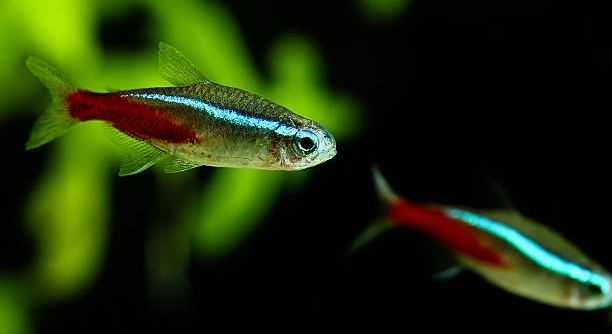
Tetras are popular freshwater fish known for their vibrant colors and active swimming. Many people assume feeding them is enough, but these small fish require more than just food to thrive in a home aquarium. Providing the right environment is essential for their health.
Tetras need clean, well-oxygenated water, proper tank size, stable temperature, hiding spots, compatible tank mates, regular water changes, and a balanced diet. These factors collectively support their well-being beyond basic feeding requirements.
Understanding these essentials will help you create a healthy habitat for your tetras, ensuring they live longer and display their natural behaviors.
Clean, Well-Oxygenated Water
Maintaining clean water is critical for tetra health. These fish are sensitive to poor water quality, which can quickly lead to stress and illness. It is important to regularly check water parameters such as ammonia, nitrite, and nitrate levels. A properly cycled tank with beneficial bacteria helps break down waste, keeping the water safe. Oxygen levels should also be monitored because tetras need well-oxygenated water to breathe properly. Installing an air pump or a good filtration system can improve oxygen circulation. Performing partial water changes weekly, usually 20-30%, helps remove toxins and refreshes the tank. Avoid overcrowding the tank, as too many fish can lead to waste buildup and depleted oxygen. Using a water conditioner will remove harmful chlorine or chloramine from tap water. Taking these steps will provide a stable and healthy environment that supports the natural behavior and vitality of tetras.
Regular water maintenance is key to preventing health issues and promoting long-term well-being in your tetra fish.
Controlling water quality and oxygenation directly impacts how active and vibrant your tetras remain. Consistent care creates a balanced aquarium where fish can thrive and show their true colors.
Proper Tank Size and Stable Temperature
Tetras require enough space to swim freely, which means a tank that suits their size and group needs. A small tank can cause stress and stunt growth, while a larger tank provides room for exercise. Generally, a 10-gallon tank or bigger is recommended for a small group. Stability in temperature is also essential. Most tetras thrive between 72°F and 80°F. Sudden temperature changes can weaken their immune system, making them vulnerable to diseases. Using a reliable aquarium heater and thermometer helps maintain a constant temperature. Avoid placing the tank near windows or heating vents to prevent fluctuations. By giving tetras proper space and stable conditions, you create an environment closer to their natural habitat, allowing them to live healthier, longer lives.
Hiding Spots and Tank Mates
Tetras feel safer with places to hide. Plants, rocks, and decorations offer shelter from stress and give them comfort. Without hiding spots, they can become anxious and less active.
Adding live or artificial plants creates natural cover that mimics their environment. Smooth rocks and driftwood also work well for hiding places. Avoid sharp decorations that might injure delicate fins.
Choosing compatible tank mates is important. Aggressive or larger fish can stress or harm tetras. Peaceful species like small rasboras, guppies, or Corydoras catfish usually coexist well. Keeping the tank community balanced supports the health and behavior of all fish.
Regular Water Changes and Balanced Diet
Frequent water changes reduce toxins and maintain water clarity, which is vital for tetras’ health. Changing 20-30% of the water weekly prevents harmful buildup. It also replenishes minerals important for fish metabolism.
A balanced diet includes more than flakes or pellets. Supplementing with frozen or live foods like brine shrimp and daphnia adds nutrients and variety. Feeding small portions twice a day prevents overfeeding and water contamination.
Monitoring feeding habits ensures all fish get enough without leftover food polluting the tank. Proper nutrition and clean water together keep tetras energetic and colorful over time.
Monitoring Water Parameters
Regularly testing water parameters ensures a safe environment for tetras. Parameters such as pH, ammonia, nitrite, and nitrate should be checked weekly.
Keeping these levels stable prevents stress and illness. Using reliable test kits makes this process easier and more accurate.
Avoid Overcrowding
Overcrowding increases waste and reduces oxygen, stressing tetras. A proper fish-to-tank ratio is essential to maintain water quality and fish health.
Lighting Conditions
Tetras benefit from moderate lighting that mimics their natural habitat. Too bright or too dim lighting can affect their behavior and stress levels.
Adjust lighting duration to about 8-10 hours daily to support natural cycles and plant growth.
Tank Cleaning
Regular cleaning removes excess waste and algae buildup. Cleaning should be done gently to avoid disturbing beneficial bacteria.
Avoid using harsh chemicals that can harm fish or disrupt the tank’s balance.
How often should I change the water in my tetra tank?
Water changes are essential for maintaining a healthy environment. For most tetra tanks, a partial water change of about 20-30% weekly is ideal. This routine helps remove toxins like ammonia and nitrates that build up over time. It also replenishes essential minerals and keeps water clear. Doing too large or infrequent water changes can stress the fish, so consistency matters more than quantity. Use a water conditioner to neutralize chlorine or chloramine in tap water before adding it to the tank. If the tank is heavily stocked, more frequent changes might be necessary to maintain water quality. Monitoring water parameters regularly can help you adjust the schedule as needed.
What is the ideal tank size for tetras?
Most tetras do best in tanks starting at 10 gallons for a small school of 6 to 8 fish. This provides enough space for swimming and establishing territories. Larger tanks are better if you want a bigger group or to include other species. Avoid very small tanks, as they can lead to poor water quality and stress from overcrowding. A properly sized tank supports stable water parameters, reducing the risk of illness. Tetras are schooling fish, so they need space to swim together comfortably, which also helps reduce aggression and anxiety.
Can I keep tetras with other fish?
Tetras are generally peaceful and do well with other non-aggressive species. Good tank mates include small rasboras, guppies, Corydoras catfish, and some dwarf gouramis. Avoid larger, aggressive fish that may bully or eat tetras. When introducing new fish, ensure they have similar water requirements to avoid stress. Watch for any signs of aggression or bullying, especially during feeding times. Keeping a peaceful community tank helps all fish thrive and display their natural behaviors.
What temperature should I keep my tetra tank?
Tetras prefer water temperatures between 72°F and 80°F. Stability is crucial, as sudden fluctuations can weaken their immune system and cause stress. Use a reliable heater and thermometer to maintain a consistent temperature. Avoid placing the tank near windows, air conditioners, or heating vents where temperature can vary. Maintaining proper temperature supports their metabolism, activity, and overall health.
Do tetras need live plants in their tank?
Live plants are beneficial for tetras, providing hiding places and improving water quality by absorbing nitrates. They also create a more natural environment that encourages natural behaviors. Popular easy-to-care-for plants include Java fern, Anubias, and Amazon sword. Live plants help reduce algae growth and oxygenate the water. However, tetras can also do well with artificial plants if live ones are difficult to maintain, as long as there are sufficient hiding spots.
What do I feed my tetras?
Tetras thrive on a varied diet that includes high-quality flakes or pellets supplemented with frozen or live foods like brine shrimp, daphnia, or bloodworms. Feeding small amounts twice daily prevents overfeeding and water pollution. Variety ensures they get all necessary nutrients for vibrant colors and good health. Avoid feeding only one type of food, as this can cause nutritional deficiencies. Remove uneaten food promptly to keep the tank clean.
How do I know if my tetras are stressed or sick?
Signs of stress or illness include faded colors, hiding more than usual, loss of appetite, clamped fins, or erratic swimming. White spots, ragged fins, or lethargy can indicate disease. Regular observation helps catch problems early. Poor water quality, temperature swings, overcrowding, or aggressive tank mates often cause stress. Quarantining new fish before adding them can prevent the spread of disease. Prompt treatment and maintaining a clean environment improve recovery chances.
Is it necessary to use a filter in a tetra tank?
Yes, a good filter is important for keeping the water clean and well-oxygenated. Filters remove waste, debris, and harmful chemicals while promoting beneficial bacteria growth. These bacteria break down toxic ammonia and nitrites into less harmful nitrates. Choose a filter appropriate for your tank size and avoid strong currents that stress tetras. Regular filter maintenance ensures it continues working efficiently without disrupting the tank balance.
How much light do tetras need?
Moderate lighting of about 8 to 10 hours daily supports fish health and plant growth if live plants are present. Too much light can cause algae blooms, while too little can affect fish behavior. Using a timer helps maintain consistent lighting cycles, mimicking natural day and night. Adjust light intensity based on tank setup and plant needs.
Can I keep tetras alone?
Tetras are schooling fish and prefer to live in groups of at least six. Keeping a single tetra can lead to stress and loneliness, which negatively affects their health and lifespan. Groups provide security and encourage natural swimming patterns. A school also reduces aggression and improves overall well-being.
Final Thoughts
Taking care of tetras involves more than just feeding them. These fish need a clean and well-maintained environment to stay healthy. Providing clean water with the right temperature and good oxygen levels is essential. Regular water changes and proper filtration help keep harmful substances under control. This creates a stable home where tetras can thrive and show their natural behaviors.
It is also important to consider the tank setup. Tetras need enough space to swim freely, so avoid overcrowding. Adding hiding spots with plants or decorations helps reduce stress and offers safety. Choosing compatible tank mates supports a peaceful community, which benefits all the fish. Feeding a balanced diet with variety keeps tetras strong and colorful. Overfeeding or poor nutrition can lead to health problems and water quality issues.
By paying attention to these basic needs, you can enjoy a lively and healthy tetra tank. Small daily efforts in maintenance and care make a big difference in your fish’s well-being. Tetras are rewarding pets when given the right conditions, showing vibrant colors and active behavior. Creating the right environment is key to helping these fish live longer, happier lives in your home aquarium.

Hello,
If you enjoy the content that we create, please consider saying a "Thank You!" by leaving a tip.
Every little bit helps us continue crafting quality advice that supports the health, happiness, and well-being of pets around the world, for pets of all shapes, sizes, and species.
We really appreciate the kindness and support that you show us!