
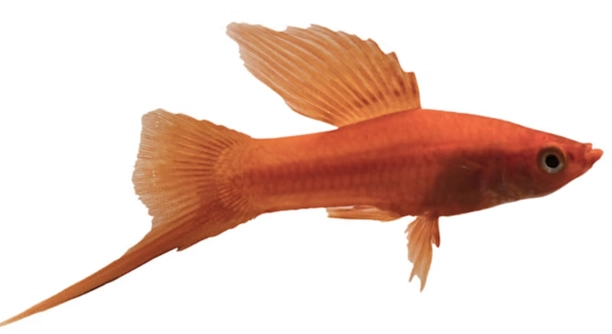
Swordtails are fascinating creatures known for their vibrant colors and playful behaviors. If you’ve ever observed one, you may have noticed them acting in peculiar ways when they seem intrigued by something in their environment.
Swordtails exhibit a variety of curious behaviors that help them explore and understand their surroundings. These fish may swim up to objects, follow movements, or interact with other fish, showing an instinctive drive to learn about their environment.
This article will highlight the key actions swordtails perform when they are curious. Understanding these behaviors can help you better care for your fish and enhance their environment.
Swimming in Circles
Swordtails often swim in tight circles, which is a classic sign of curiosity. They might swim around plants, decorations, or other fish in the tank. This behavior is not just playful; it’s a way for swordtails to assess their surroundings. They use this repetitive motion to explore new objects or changes in their environment.
By swimming in circles, swordtails can investigate areas of interest from different angles. This helps them gain a better understanding of the space, allowing them to locate food or interact with other fish. It’s their way of mapping out the area to feel more secure and confident.
This circular swimming motion could also be triggered by changes in their environment. A new tank mate, a shift in water temperature, or a change in water flow can prompt them to investigate more thoroughly. Swordtails are naturally curious creatures, and this behavior is a simple yet effective way for them to stay engaged with their surroundings.
Following Movements
Swordtails tend to follow movements they find interesting. If you move around their tank, they will often follow you or any objects you introduce. They may do this out of curiosity or because they associate movement with potential food sources.
Swordtails are naturally attracted to motion. Their sharp vision helps them spot small changes in their environment, such as the movement of their owners or the introduction of food. By following these movements, they are not only exploring but also reacting to the stimuli around them. They may even follow each other in a similar way, showing that social interaction plays a role in their behavior.
When swordtails follow movements, they display their natural curiosity, looking for signs of safety or food. This behavior is instinctive, driven by a desire to understand their surroundings and respond to potential opportunities. Even subtle shifts in the environment can prompt them to start following and investigating.
Investigating Tank Decorations
Swordtails are often seen investigating their tank decorations. Whether it’s a new rock, plant, or piece of driftwood, these fish will swim around and explore these objects in detail. The decorations in their tank can become focal points for their curiosity, drawing them in for a closer look.
Their inquisitive nature leads them to touch or swim around these objects, looking for possible hiding spots or food particles. They may even rub against them, testing out the textures or trying to find areas where they can interact. This behavior shows that swordtails enjoy their surroundings and need stimulation to stay active.
If you’re adding new decorations to your tank, don’t be surprised to see your swordtails show extra interest. They will likely inspect every corner to see what’s new. This behavior is a natural part of their need for environmental enrichment, as it provides both physical and mental stimulation.
Interacting with Tank Mates
Swordtails are social fish, and they often show curiosity by interacting with their tank mates. They will swim close to other fish, observe their movements, and even mimic their actions. This behavior is a sign of their inquisitive nature and desire to learn from those around them.
In many cases, swordtails will engage in playful chases, swimming around other fish in an attempt to figure out how they react. This kind of interaction helps them establish social dynamics within the tank. They also learn from each other, picking up behaviors that may be useful for survival or social bonding.
If you add new fish to your tank, your swordtails may display more of this curious behavior. They might approach the newcomers cautiously, following their movements closely. It’s a way for swordtails to assess the new fish’s role in the tank environment and determine if they are safe or if there is a need for territorial behavior.
Investigating the Surface
Swordtails also show curiosity by exploring the water surface. They will often swim near the top of the tank, observing changes in the water’s surface tension or reacting to reflections. This behavior is often seen when they are trying to find food.
Swordtails have sharp eyesight, and their exploration of the surface helps them spot insects or floating food. They may nudge the surface gently or swim just beneath it to inspect. This type of behavior indicates that swordtails are constantly aware of their surroundings and are not easily distracted. They are constantly seeking out new things to discover.
Sometimes, swordtails might even leap out of the water to catch something they’ve spotted above the surface. This rare behavior shows their active interest in hunting or finding food. It’s a natural response to any movement or object that seems promising, reflecting their constant need to explore.
Inspecting New Objects
Swordtails will often inspect new objects placed in their tank. When you add something unfamiliar, they swim around it, touch it with their mouths, and study it closely. This behavior is driven by curiosity, as they try to understand any changes in their environment.
By examining new objects, swordtails learn if they are safe or if they need to be cautious. This is an instinctive response, ensuring that they are aware of any potential risks. The act of exploring also keeps them mentally stimulated, as they are constantly learning about their surroundings.
New additions, like plants or decorations, often spark this behavior. Swordtails will circle around the object and even nibble on it, trying to figure out what it is and if it’s useful or interesting to them.
Searching for Food
Swordtails are constantly on the lookout for food. They will eagerly swim around the tank, investigating any movement that might indicate food. This is a clear sign of their curiosity, as they associate food with survival and comfort.
When you feed them, swordtails will immediately engage in a flurry of activity. They move quickly, searching for every possible piece of food, showing their instinctive drive to find sustenance. This behavior is especially noticeable if you’ve recently added live or frozen food to their diet.
This curiosity also leads them to inspect corners and areas of the tank where food may have settled. Swordtails don’t leave any stone unturned when it comes to satisfying their hunger.
Watching the Environment
Swordtails tend to observe everything happening around them. They will focus on any movement, whether it’s a change in the water’s flow, the actions of tank mates, or even your presence. This shows their awareness and curiosity about their environment.
Their keen eyesight allows them to react to subtle shifts, making them excellent at noticing potential threats or changes. Whether it’s a shadow passing by or a change in light, swordtails stay alert, always watching. This helps them stay safe and aware of their surroundings.
FAQ
Do swordtails get along with other fish?
Swordtails are generally peaceful and social fish, making them a good choice for community tanks. They tend to get along with other peaceful species, especially those of similar size. However, male swordtails can sometimes become territorial, especially when competing for attention from females. To prevent any aggression, it’s best to keep more females than males.
If you’re planning to introduce new fish, make sure they are non-aggressive and have similar water requirements. Swordtails are also active swimmers and may not fare well with very slow or bottom-dwelling species, as they prefer having space to roam.
How do I know if my swordtail is curious or stressed?
Swordtails show curiosity by swimming around the tank, inspecting objects, and interacting with their tank mates. However, if they’re swimming erratically or hiding, it may indicate stress rather than curiosity. Stressed swordtails may display other signs like rapid gill movement, reduced appetite, or staying near the tank’s surface.
The key to distinguishing curiosity from stress is observing their behavior in context. Curious swordtails will move confidently and interact with the environment, while stressed swordtails tend to avoid interaction and appear uneasy. Changes in water quality, temperature, or tank mates can lead to stress, so ensure their environment is stable.
Can swordtails be kept in a tank with live plants?
Yes, swordtails can thrive in tanks with live plants. In fact, they enjoy having plants around for hiding spots and places to explore. Swordtails often swim through the plants, seeking food or shelter. Plants can also help improve water quality by absorbing excess nutrients and providing oxygen.
However, it’s important to choose plants that can withstand the activity of swordtails. Swordtails are known to nibble on soft plants, so opting for hardier plants like java fern or anubias will help avoid them being eaten. Make sure the plants have enough space to grow and thrive alongside your fish.
How can I tell if my swordtail is sick?
Signs of illness in swordtails include a loss of appetite, changes in swimming behavior, unusual spots or discoloration on the skin, and difficulty breathing. They may also become lethargic and hide more than usual. It’s important to keep a close eye on their behavior and look for any sudden changes.
If you notice any of these symptoms, it’s best to isolate the sick fish to prevent potential spreading of disease. Check the water parameters and make sure they are within the optimal range for swordtails. You may also want to consult a vet or an experienced aquarium keeper for advice on treating specific illnesses.
What size tank do swordtails need?
Swordtails do well in a tank that is at least 20 gallons, though a larger tank is always better for them. They are active swimmers, and a larger space gives them room to explore and interact. Overcrowding can cause stress and lead to aggressive behavior, so it’s important to keep the fish in an appropriately sized tank with enough space for each one.
If you plan on keeping multiple swordtails, aim for a 30-gallon tank or larger. This will ensure there’s plenty of room for them to swim freely and reduce the risk of territorial disputes.
How do swordtails reproduce?
Swordtails are livebearers, meaning they give birth to live young rather than laying eggs. Female swordtails can become pregnant after mating with a male. The pregnancy lasts about 4 to 6 weeks, depending on factors like water temperature. During this time, the female will become noticeably rounder as the fry develop inside her.
Once the fry are born, they will be fully formed and can swim immediately. If you want to protect the fry from being eaten by the adult swordtails, it’s a good idea to separate the newborns or provide plenty of hiding spots. The fry grow quickly and will soon be able to join the rest of the tank.
Do swordtails need special care when they’re curious?
No special care is required when swordtails are curious. This behavior is completely natural and helps them stay engaged with their surroundings. However, you should ensure that their environment is clean and stimulating enough to encourage healthy curiosity. Adding plants, decorations, and other fish can help keep your swordtails active and content.
Be sure to keep their tank environment stable, with regular water changes and proper filtration. Swordtails will naturally explore their surroundings, but providing them with a safe and secure space to do so is important for their well-being. Keep an eye on their behavior, and if they show signs of stress, adjust the tank conditions as needed.
Why is my swordtail constantly swimming near the surface?
Swordtails may swim near the surface for several reasons. They could be searching for food, especially if it floats near the top. Sometimes, they swim near the surface to get more oxygen or to explore the surface area of the tank. If your swordtail is constantly at the surface, it might also be a sign of low oxygen levels or poor water quality.
It’s important to monitor the water quality regularly and ensure there is proper filtration and aeration in the tank. Swordtails tend to swim near the surface more often in poorly oxygenated water, so increasing water circulation or adding an air stone can help alleviate this issue.
Final Thoughts
Swordtails are curious and active fish that enjoy exploring their environment. Their behavior is often driven by a need to understand their surroundings, whether it’s investigating new objects, interacting with tank mates, or searching for food. Observing their curiosity can be an enjoyable experience, as they constantly engage with their habitat. This natural behavior not only keeps them entertained but also promotes their overall well-being, ensuring they stay active and healthy.
Creating an environment where swordtails can explore and engage with their surroundings is essential. Providing decorations, plants, and sufficient space for them to swim will help satisfy their curiosity. It’s also important to keep their tank clean and stable, as changes in water quality can lead to stress or discomfort. Swordtails are sensitive to their environment, so maintaining the right balance will allow them to thrive and exhibit their curious behaviors without concern.
Understanding the signs of curiosity versus stress is also key to caring for swordtails. While curiosity shows through active exploration, stressed swordtails may display hiding or erratic swimming patterns. By paying close attention to their behavior, you can ensure that your swordtails remain healthy and comfortable in their home. The more you learn about their actions and needs, the better you can provide an enriching environment for these lively and inquisitive fish.

Hello,
If you enjoy the content that we create, please consider saying a "Thank You!" by leaving a tip.
Every little bit helps us continue crafting quality advice that supports the health, happiness, and well-being of pets around the world, for pets of all shapes, sizes, and species.
We really appreciate the kindness and support that you show us!