
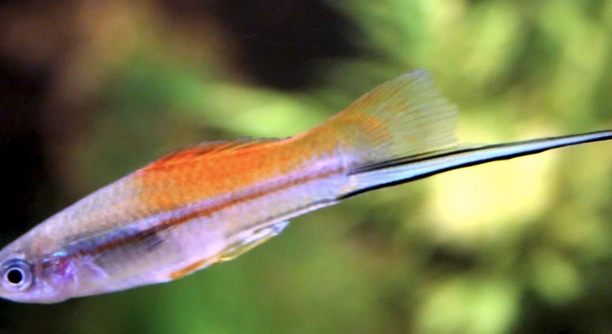
Swordtails are fascinating fish often found in freshwater aquariums. Understanding their mating habits can give you insight into their behavior. There are several steps swordtails take before mating, making their courtship quite interesting to observe.
Before mating, swordtails engage in several courtship behaviors. These include displaying their colorful fins, chasing each other, and performing a series of movements to signal readiness. These actions help ensure a successful mating process in the species.
These behaviors are crucial for understanding how swordtails prepare for reproduction. Knowing what to look for can help you identify when your swordtails are ready to mate and what steps to take to support their health.
Swordtail Male Displays to Attract Females
Swordtail males have a distinct way of showing off to potential mates. They display their colorful fins and elongated tails, often swaying them back and forth. These movements are designed to grab the attention of females and showcase their fitness. A healthy male with vibrant colors is more likely to attract a female for mating. The brighter and more noticeable the fins, the more appealing the male appears. This courtship ritual is important because it allows females to choose the best mate based on visual cues.
Male swordtails can also show off their physical strength by performing vigorous swimming patterns, which demonstrate stamina and agility. These displays serve as a way to signal that the male is not only healthy but capable of fending off other males and successfully mating. These visual signals are essential in ensuring that only the strongest males reproduce, which benefits the species’ genetic health.
For a female swordtail, the decision to mate often depends on these factors. A male that displays clear signs of fitness is more likely to be chosen. Observing these interactions can be fascinating, as each movement plays a part in ensuring successful reproduction.
Male Swordtail Aggression During Courtship
Males also show aggression toward each other as part of their courtship behavior. When two males are competing for the attention of a female, they will chase each other around. This behavior isn’t just about showing off; it also helps establish dominance. The more dominant male will usually get the chance to mate with the female.
These aggressive encounters can involve darting through the water quickly, trying to intimidate or outmaneuver the other male. This displays strength and determination, important traits for males in the mating process. The female will often observe these displays before making her choice.
Female Swordtail Selection
Female swordtails are selective when choosing a mate. They tend to favor males that display the brightest colors and the most vibrant fins. This selection process helps ensure that they mate with the healthiest males, leading to stronger offspring. Females are more likely to mate with males who have shown dominance in behavior and appearance.
Once a female selects a male, the courtship process becomes more intense. The male will begin to chase her, trying to maintain her interest while continuing to show off his colorful tail. This behavior is often a mix of displays and short bursts of swimming around the female. Female swordtails are not passive during this phase. They may swim away or dart about, testing the male’s determination and stamina. A male that can keep up with her movements is more likely to succeed in mating.
The courtship dance involves more than just the male trying to impress. The female plays a role by either accepting or rejecting the male’s advances. If she is interested, she will allow him to follow her closely. This interaction is a critical moment in ensuring that mating will take place.
Swordtail Male Follows Female Closely
Once a female swordtail shows interest, the male follows her closely. This behavior signals to the female that he is serious about mating. The male remains near the female, swimming alongside her or trailing her closely. This close following can sometimes be a form of constant attention.
This phase is essential for a successful courtship. The male often mimics the female’s movements, showing he can keep up with her pace. The synchronization between the two is part of the process of building trust and ensuring that the female is comfortable enough to mate. The male may also engage in short bursts of rapid swimming to show off his stamina.
Males that can stay close without being overly aggressive are more successful in winning the female’s favor. This period of following helps the male prove his ability to maintain focus and consistency.
Swordtail Male Displays Tail Movements
Male swordtails use their tails to attract females. The movements of their tails are often exaggerated, waving them in sweeping motions to show off their length and strength. This behavior is meant to highlight the male’s health and genetic quality.
The more pronounced the tail movements, the more likely the female will notice and be impressed. These movements are often done in conjunction with vibrant displays of their fins. The tail itself is not just a visual attraction; it’s a tool to communicate strength, vitality, and readiness to mate.
By moving their tails in a rhythmic pattern, males demonstrate their agility and stamina, which are important for the female’s decision-making process. These movements are crucial, as they help the male stand out in a crowded tank, making his advances clear and noticeable.
Male Swordtail Chases Female
Chasing is an important part of the swordtail mating process. After the initial courtship, the male often starts to chase the female. This chase is not just playful; it’s an effort to encourage the female to show interest in him.
The male’s chase may involve quick bursts of speed and sharp turns to keep the female in sight. It is important for him to maintain a consistent pursuit without being too aggressive. The female’s response to this chase will determine if the mating will continue.
The chase serves as a final step to ensure that the female is ready. It’s a combination of showing endurance and excitement, signaling to the female that the male is a good mate.
Female Swordtail Signals Acceptance
Female swordtails also play a key role in signaling when they are ready to mate. Once they are interested in a male, they will typically slow down or stop swimming. This is the female’s way of showing acceptance.
By halting her movement, the female gives the male a clear sign that she is open to mating. However, this still depends on the male’s persistence and the quality of his displays. If the male continues to chase her in a way that is appealing, she will often engage.
This behavior is a subtle but important signal in the mating process.
FAQ
What is the purpose of the male swordtail’s tail movements?
The tail movements of male swordtails serve to attract females and demonstrate their strength and fitness. By waving their tails in broad, exaggerated motions, they signal their health, stamina, and readiness to mate. This behavior is vital for showcasing the male’s physical capabilities. The more noticeable and rhythmic the tail movements are, the more likely they are to grab the female’s attention. These tail displays are not only visual but also communicate vital information about the male’s genetic quality, which is key to ensuring healthy offspring.
How do swordtail males compete for a mate?
Swordtail males often compete with each other by showing off their tail movements and engaging in physical displays of aggression. They may chase each other in an attempt to establish dominance and prove they are the stronger and more capable mate. The more dominant male will typically get the chance to mate with the female. These interactions are important because they allow females to choose the healthiest and most fit male, which increases the chances of producing strong offspring. The competition ensures that the best genetics are passed on to the next generation.
Why do female swordtails prefer brightly colored males?
Females tend to favor brightly colored males because these colors signal good health and genetic strength. Bright colors are a sign of a male’s ability to thrive in his environment and are often linked to his immune system and overall vitality. A healthy male with vivid colors is more likely to pass on these good genes to his offspring. This preference for brightly colored males is a natural selection mechanism, helping to ensure that only the fittest males reproduce, benefiting the species as a whole.
Do swordtail males ever get aggressive with females?
While male swordtails can be aggressive toward each other, they generally show gentler behavior toward females. However, in some cases, if the male is particularly eager to mate, he may chase the female more aggressively or persistently. This chasing can sometimes cause stress to the female if it’s too forceful. However, swordtails typically avoid overly aggressive behavior toward females, as it could result in her rejecting the male. The key to successful mating is persistence without causing harm or excessive stress.
How long does the courtship behavior last?
The courtship behavior in swordtails can last anywhere from a few minutes to an hour or more, depending on the level of attraction between the male and female. Once the male starts displaying his fins and tail, he may chase the female for a while, and she may stop to show interest. The length of the courtship often depends on the female’s readiness and the male’s persistence. Some swordtails may engage in a longer, more intense courtship if both fish are not yet ready to mate. However, once the female signals acceptance, the mating process typically happens quickly.
What happens after swordtails mate?
After mating, female swordtails will carry the fertilized eggs in their bodies. Unlike some fish species, swordtails are livebearers, meaning they give birth to live young rather than laying eggs. The female will typically carry the eggs for about 3 to 4 weeks before giving birth. During this time, it’s important to provide a safe environment for her, as she may experience stress from other fish. Once the fry (baby swordtails) are born, they are fully formed and can swim immediately, although they will benefit from a protective and quiet space to grow.
Can swordtail males mate with other species of fish?
Swordtails typically do not mate with other species of fish in the wild. They are very specific about mating with their own kind, mainly because they rely on certain physical cues and behavioral patterns for successful reproduction. While hybridization with closely related species, such as platies, may occur in some instances, it is rare. Even then, the hybrids may not always be fertile. Swordtails have evolved specific traits that make mating with other species highly unlikely. In an aquarium setting, keeping different species of livebearers together can lead to occasional hybridization, but this is not typical in nature.
Why do swordtail males chase each other so much?
Male swordtails chase each other as part of their courtship behavior and to establish dominance. This competition ensures that the strongest and most capable male will mate with the female. These chases allow males to show off their speed, stamina, and agility, which are important traits for females in selecting a mate. The chases can sometimes get intense, with males trying to intimidate each other. The winner of the chase often gets the chance to mate with the female, as dominance in the aquatic environment is a key indicator of genetic quality.
How can I tell if my swordtails are ready to mate?
You can tell your swordtails are ready to mate when you see the males displaying their fins and performing their tail movements to attract the females. The males may also start chasing the females around the tank. The females will often stop swimming or slow down when they are ready to mate. They may also start showing interest in certain males, responding positively to their courtship displays. It’s also important to look for signs of increased activity and aggression, as swordtails typically become more energetic during mating season. If you notice these behaviors, your swordtails are likely ready to reproduce.
Final Thoughts
Understanding the mating behaviors of swordtails can be quite fascinating. These fish, with their colorful displays and active courtship rituals, offer a glimpse into how animals communicate and choose mates. Observing how male swordtails show off their vibrant fins and tails, or how they compete with each other, adds an interesting layer to keeping them in your aquarium. These behaviors are not only crucial for reproduction but also help ensure the survival and health of the species. By understanding these actions, you can better appreciate the complexity behind what seems like a simple courtship process.
For anyone keeping swordtails in their aquarium, knowing when they are ready to mate and how they behave before doing so is important. Not only does it give you a chance to observe nature at work, but it also ensures you are providing the best environment for these fish to thrive. Whether it’s through selecting the right mates or creating a space where they feel comfortable, the health of both the male and female is essential for successful breeding. Swordtails, like many fish species, rely on visual signals and courtship displays to mate, and these signals should be respected and understood for the well-being of the fish.
Lastly, it’s essential to remember that swordtail mating, like any natural behavior, has a cycle. It’s a part of their life process and contributes to maintaining healthy populations in the wild and in captivity. By recognizing the steps they take before mating, you can ensure you’re not only supporting their reproductive needs but also promoting their overall health. These simple yet important actions play a vital role in the success of swordtails as a species, and understanding them is key to keeping these lively fish happy in your aquarium.

Hello,
If you enjoy the content that we create, please consider saying a "Thank You!" by leaving a tip.
Every little bit helps us continue crafting quality advice that supports the health, happiness, and well-being of pets around the world, for pets of all shapes, sizes, and species.
We really appreciate the kindness and support that you show us!