
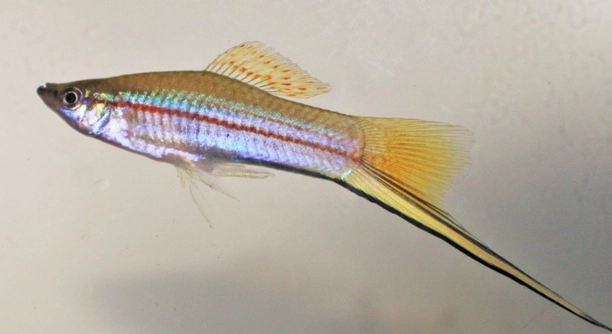
Swordtails are fascinating fish, and understanding their behaviors before giving birth can provide important insights. These behaviors help ensure the survival of their fry and can even give you clues about their reproductive health.
Before giving birth, swordtails engage in several behaviors that signal labor is approaching. They may become more reclusive, spend time near plants, and display restlessness. These behaviors help them prepare for the birthing process and protect their young.
Learning about these behaviors is essential for successful breeding. It will help you provide a more supportive environment for your swordtail, ensuring the safety and health of both mother and fry.
Swordtail Behavior Before Birth: A Sign of Labor
Before swordtails give birth, they often show certain behaviors. These signs can help you anticipate when the fry will arrive. One of the first signs is a change in the mother’s activity. She may become more reclusive, hiding among plants or near rocks. Swordtails are known to prefer areas where they feel secure during labor, so don’t be alarmed if she starts spending more time in these spots.
Another behavior you may notice is an increase in restlessness. The female may swim more erratically, pacing around the tank. This is often due to the discomfort of carrying the fry. You might also observe a shift in their appetite. The mother may eat less as she prepares for the birth.
Understanding these behaviors can help you support your swordtail during the birthing process. Providing a calm environment and ensuring the water quality is optimal will make the experience less stressful for her. Swordtails are protective of their fry, so you may also see her trying to find hiding spots for the newborns.
The Role of Water Temperature
The water temperature plays a significant role in the birthing process. Swordtails, like other livebearers, prefer warmer water temperatures. When the temperature is too low, the mother may delay giving birth. In contrast, higher water temperatures can speed up the process, though it can also cause stress.
Maintaining a stable temperature around 75 to 80°F (24 to 27°C) is ideal for swordtails. Keeping the water in this range ensures that the mother feels comfortable and ready to give birth. If the temperature fluctuates too much, it can lead to complications for both the mother and her fry.
By closely monitoring the water temperature and making adjustments as needed, you can create an environment that promotes a smoother birthing process. Stable conditions are important for minimizing stress, which could affect the health of both the mother and the fry.
Protective Instincts Kick In
Swordtails are known for their protective instincts, especially when they are about to give birth. As the labor approaches, you may notice the female becoming more territorial. This behavior is part of her effort to create a safe space for her fry. She will often seek out secluded areas in the tank where the fry can hide once they are born.
In some cases, the female swordtail may even exhibit aggressive behavior toward other tankmates, especially if she feels threatened. She may chase other fish away from her favorite spots, warning them not to get too close. This is a natural protective instinct and part of her way of ensuring the survival of her fry.
During this time, it is a good idea to monitor the tank carefully. Make sure there are plenty of hiding places for the fry, such as plants or decorations. This will give them a safe space once they are born, allowing them to grow without the risk of being eaten by other fish.
Swelling Belly and Increased Size
As swordtails approach their birthing time, their bellies grow noticeably. The female’s abdomen will swell with developing fry, making her appear rounder. This physical change is one of the clearest signs that birth is near. You’ll also notice her body becoming more rigid as she prepares to release her young.
The swelling occurs as the fry grow inside the mother, pushing against her abdomen. This increase in size is a sign of her readiness to give birth. Keep an eye on her belly; it can change over the course of a few days as the fry grow larger and more developed.
It’s important to avoid disturbing her during this time. Stress can cause her to delay the birthing process. If the water quality and temperature are optimal, her body will naturally progress toward giving birth. The swelling is a crucial sign that labor is imminent, so make sure to provide her with a peaceful environment.
Appetite Changes During Pregnancy
Pregnant swordtails often show a decrease in appetite, especially in the final stages of pregnancy. You might notice that the female eats less or refuses food altogether. This is normal behavior and often indicates that the mother is focused on preparing for labor rather than eating.
Her reduced appetite is not necessarily a cause for concern, but you should ensure she’s still getting enough nutrients in the earlier stages of pregnancy. Providing her with a balanced diet early on is important for her health and the development of the fry.
During this period, it’s also essential to maintain clean water conditions. Stress from poor water quality can also affect her appetite and the health of her fry. As the birthing process approaches, her body will focus less on eating and more on the energy needed for labor.
Seeking Solitude
In the final days before giving birth, swordtails often become more reclusive. They seek out hidden spots in the aquarium, such as plants, rocks, or other structures. This behavior is a natural instinct to ensure that the fry are born in a safe, quiet environment away from potential threats.
It’s helpful to provide these hiding spots before labor begins. Swordtails are more likely to stay calm if they have plenty of places to rest. Avoid rearranging the tank or adding new fish during this time. Disruptions can stress the mother, which may delay or interfere with the birth process.
Observing this change in behavior will allow you to better understand when she’s close to giving birth. She’ll spend more time in seclusion, especially as her discomfort increases. These natural behaviors are part of her preparation to ensure the survival of her fry after birth.
Increased Swimming and Restlessness
As labor approaches, swordtails often exhibit increased swimming and restlessness. This behavior may include erratic movements or pacing back and forth. It’s a sign that the female is preparing for the delivery of her fry. You may notice her swimming faster and spending less time in one place.
In some cases, the female may also begin to swim more near the surface of the water. This is a way for her to regulate her body temperature and create a more comfortable environment as the birthing process begins. Pay attention to these subtle changes, as they indicate that labor is drawing closer.
Changes in Fin Position and Body Posture
During pregnancy, a swordtail’s body posture and fin position can change. As the fry grow, the mother may hold her fins in a more rigid or stiff position. This can happen as her body prepares for birth, making her more aware of the space around her.
The fins may seem more spread out, especially when the female is resting. This shift in posture allows her to better control her movements when the fry start to emerge. It’s important to avoid stressing the female at this stage, as discomfort can hinder the birthing process.
Decrease in Activity After Labor
After giving birth, the swordtail will often show a marked decrease in activity. She will spend more time resting, recovering from the birthing process. During this time, the mother may appear tired and less social. Her focus will shift to protecting and looking after her newly born fry.
While she may be inactive for a few days, it’s essential to maintain clean water and a calm environment. This period of rest is crucial for her recovery. She will likely be more protective of her fry and will avoid interactions with other fish during this time.
FAQ
Why is my swordtail hiding more as it gets closer to giving birth?
When a swordtail is nearing birth, it instinctively seeks out quiet, secluded areas. This behavior is a protective measure to ensure the safety of the fry. Swordtails prefer hiding spots like plants or decorations in the tank where they can give birth without disturbance from other fish. It’s a natural behavior and signals that the birthing process is imminent. You can support her by providing ample hiding spaces in your tank, allowing her to feel secure.
How can I tell when my swordtail is about to give birth?
You can often tell when a swordtail is about to give birth by observing physical and behavioral changes. Her abdomen will become significantly larger and swollen as the fry grow inside. Additionally, she may become more restless, swimming around the tank more than usual. Other signs include a decrease in appetite, as she prepares for the birthing process. Watching her closely for these signs will help you anticipate the birth.
Should I remove the male swordtail before birth?
It’s not always necessary to remove the male before the birth of the fry, but it can be a good idea if you want to prevent further breeding. After giving birth, the female may still be receptive to mating, and removing the male ensures that she has a break before her next pregnancy. Additionally, male swordtails can sometimes become aggressive toward the female during or after birth, so it’s important to monitor their behavior and remove the male if necessary for her comfort.
How long does a swordtail pregnancy last?
Swordtail pregnancies typically last between 28 to 30 days. This period can vary slightly depending on factors like water temperature and the overall health of the mother. Warmer water temperatures can speed up the process, while cooler temperatures may extend it a bit. Pay attention to signs of swelling and restlessness to predict when the birth will occur.
What should I do with the fry after birth?
After the swordtail gives birth, the fry will need a safe space to grow. Many breeders recommend setting up a separate breeding tank or using a breeding box to keep the fry protected from other fish. You can also add plenty of plants or decorations to create hiding spots for them. Ensure the fry have access to small foods like finely crushed flakes or specialized fry food to help them grow.
Will the mother swordtail eat her fry?
It’s common for swordtail mothers to eat their fry if they feel stressed or if there are no hiding spots available. To prevent this, ensure that the fry have plenty of cover, such as plants or decorations, where they can hide. It’s also important to keep the mother and other fish in the tank calm and avoid stressing them during this time.
Can swordtail fry survive in a community tank?
Swordtail fry can survive in a community tank if there are enough hiding spots and if the other fish aren’t aggressive. However, many breeders prefer to keep the fry in a separate tank to ensure they get the proper care and nutrition they need to grow. If you decide to keep the fry in the main tank, make sure to provide plants, decorations, or other structures where they can hide from larger fish that may prey on them.
How often can swordtails give birth?
Swordtails can give birth every 4 to 6 weeks, depending on the conditions of the tank and the health of the female. After giving birth, the female may need some time to recover, so it’s important to give her proper care and nutrition to ensure she is healthy for future pregnancies. Keeping the tank water clean and at an optimal temperature will also help ensure the female remains healthy between births.
How can I tell if my swordtail is sick during pregnancy?
If your swordtail is sick during pregnancy, you may notice signs such as a loss of appetite, lethargy, or abnormal swimming behavior. She may also have visible signs of illness, such as cloudy eyes or lesions on her body. If you suspect that your swordtail is sick, it’s important to isolate her from other fish to prevent the spread of illness. Consult a veterinarian or experienced breeder for advice on how to treat her condition.
What should I feed my pregnant swordtail?
A pregnant swordtail needs a balanced and nutritious diet to support the development of her fry. Offer a mix of high-quality flakes, pellets, and live foods like brine shrimp or daphnia. Providing variety ensures she gets the nutrients she needs to stay healthy. Avoid overfeeding, as this can cause stress or poor water quality, which could negatively affect the pregnancy.
What’s the best water temperature for a pregnant swordtail?
Pregnant swordtails thrive in warm water temperatures, typically between 75 to 80°F (24 to 27°C). Keeping the water in this range helps the female stay comfortable and ensures that her pregnancy progresses smoothly. If the water temperature is too cold, it may slow down the process and cause unnecessary stress. On the other hand, excessively high temperatures can lead to stress and possibly premature birth.
How can I tell if my swordtail has given birth?
After giving birth, you’ll notice that the female swordtail’s abdomen will shrink considerably, as it no longer carries the fry. She may also appear more relaxed, swimming slower and less actively. The fry will be small and move quickly to hide. It’s a good idea to check the tank for fry shortly after birth, as they can be hard to spot, especially if there are many hiding places in the tank.
Do I need to separate the mother swordtail after giving birth?
It’s not strictly necessary to separate the mother swordtail after giving birth, but it can help her recover in peace. Some mothers may continue to give birth to more fry if left with the male, while others need time to rest. Separating her from other fish can also reduce stress, allowing her to focus on her recovery and care for her fry.
Final Thoughts
Caring for a pregnant swordtail can be a rewarding experience, especially when you witness the birth of new fry. However, it does come with its challenges. Understanding the signs that indicate a swordtail is nearing birth, such as increased swimming, restlessness, and changes in body posture, helps prepare for the arrival of the fry. Proper tank conditions, like maintaining a stable water temperature and providing plenty of hiding spots, are crucial for the well-being of both the mother and her young. Taking these steps ensures that the birthing process is as stress-free as possible for the female swordtail.
It’s important to remember that swordtails, like many livebearers, are highly resilient, but they still require attention and care during pregnancy and after giving birth. Providing a separate space for the fry, away from larger fish, can help protect them until they are old enough to be integrated into the community tank. Additionally, ensuring that the mother has time to rest and recover after birth is just as vital as preparing for the birth itself. With the right environment and care, both the mother and her fry will thrive.
In the end, while breeding swordtails and caring for their fry can seem like a lot of work, it is a fulfilling process for any aquarium hobbyist. Monitoring the mother’s health, keeping the tank clean, and offering proper nutrition will go a long way in ensuring the health of both the adult swordtails and their young. As you get more experience with swordtails, you’ll develop a better understanding of their needs, making each pregnancy and birth a smoother process.

Hello,
If you enjoy the content that we create, please consider saying a "Thank You!" by leaving a tip.
Every little bit helps us continue crafting quality advice that supports the health, happiness, and well-being of pets around the world, for pets of all shapes, sizes, and species.
We really appreciate the kindness and support that you show us!