
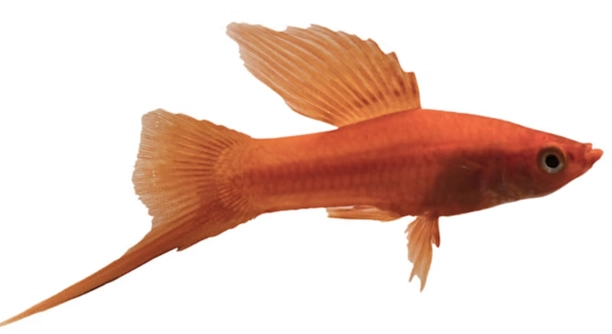
Swordtail fish are social creatures that thrive in the company of others. When left alone, they can show certain behaviors signaling their loneliness. Observing these signs can help you understand how to keep them happy and healthy.
Swordtail fish often exhibit stress-related behaviors when lonely, including lethargy, hiding, reduced activity, loss of appetite, and sometimes even tail biting. Providing a companion or environmental enrichment can alleviate these signs and improve their well-being.
Understanding these behaviors is essential for providing the best care for your swordtail fish. Taking action to ensure they are not isolated will lead to a happier, healthier environment for them.
Lethargy and Decreased Activity
When swordtail fish are left alone, they often become noticeably less active. You may find them staying in one spot or swimming slowly around the tank. These fish typically enjoy moving and interacting with others, so if they aren’t showing their usual energy, it’s a clear sign they’re feeling lonely.
Without a companion, swordtails can lose interest in swimming and exploring their environment. This behavior can last for days, and their energy levels may stay low, making them seem uninterested in food or other activities.
If you notice this in your fish, providing them with a companion is key. Swordtail fish are social by nature, so adding another fish can help restore their energy. However, be sure to choose compatible tank mates to avoid potential aggression. Creating a lively, engaging tank environment can also stimulate them, making their habitat feel less empty.
Hiding and Seeking Shelter
Swordtail fish will often seek shelter or hide when they are lonely. They may retreat to the corners of the tank or position themselves behind decorations, plants, or rocks. This behavior can be concerning, as it signals that your fish is stressed.
While it’s normal for swordtails to hide occasionally, loneliness can cause them to do it more frequently. They tend to hide as a way of coping with their feelings of isolation. The stress from being alone can make them feel vulnerable, and they often look for places to retreat for comfort.
A quick solution to this is introducing a new fish or providing more hiding spots in the tank to give them a sense of security. Additionally, adjusting the tank’s lighting or adding plants can help create an environment where your swordtail feels more secure, reducing the tendency to hide.
Reduced Appetite
Swordtail fish that are lonely often lose their appetite. When alone, they may refuse to eat or show little interest in food. This is because stress from isolation affects their feeding behavior.
Without the presence of other fish, swordtails may feel less motivated to eat. They are naturally social, and being alone can cause them to lose the drive to feed. It’s important to monitor their food intake and offer a variety of options to encourage eating. However, introducing a tank mate can help reignite their interest in food, as they tend to feed more when they see others eating.
If the fish’s appetite continues to decline, consider examining the tank’s conditions as well. Check the water temperature, pH levels, and filtration system to make sure these factors are not contributing to their stress. A properly maintained tank will provide a better environment for your swordtail, reducing the chances of appetite loss.
Tail Biting
Another behavior exhibited by lonely swordtail fish is tail biting. This can occur when the fish feels stressed and frustrated from isolation. Tail biting often leads to physical damage, which can result in long-term health problems.
When swordtails don’t have other fish to interact with, they can resort to self-destructive behavior. Tail biting might seem like a small issue, but it’s a sign that your fish is experiencing stress. Providing a companion or increasing tank activity can help reduce this behavior. Additionally, ensuring that there are no sharp objects or rough surfaces in the tank can prevent further injury.
It’s essential to monitor your swordtail closely to make sure the tail biting doesn’t become worse. If the behavior continues despite social enrichment, try adjusting the tank layout, lighting, or adding plants to give your fish a sense of security. Keeping your swordtail fish mentally and physically stimulated is key to reducing this harmful habit.
Decreased Interaction with Environment
Swordtail fish may interact less with their environment when feeling lonely. They may stop exploring the tank, showing a lack of curiosity and interest in their surroundings.
When there’s no one to interact with, swordtails often retreat into themselves. They tend to swim in the same area and avoid investigating new tank features. This lack of engagement is a sign of stress caused by loneliness. To remedy this, consider introducing other fish or adding more decorations and plants to the tank. This will give your swordtail something new to explore, which can help encourage natural behavior.
Excessive Hiding
When lonely, swordtail fish might also start to hide more often. They retreat to corners or dark spots in the tank, away from the light and open areas.
Excessive hiding can be linked to stress from isolation. Swordtails are naturally social, and without companionship, they seek security in seclusion. If you notice this behavior, try adding another swordtail or a peaceful tank mate. This will give your fish a companion to interact with, reducing the need for constant hiding. Additionally, adjusting the tank’s layout to include more hiding spots can provide a sense of security without feeling trapped.
FAQ
How can I tell if my swordtail fish is lonely?
If your swordtail is showing signs of lethargy, reduced appetite, tail biting, or excessive hiding, these are clear indicators of loneliness. Swordtails are active and social fish, and isolation can lead to stress and these behaviors. Keep an eye on their overall activity level and their interaction with the environment. If you notice your swordtail becoming less engaged or hiding more frequently, it may be feeling lonely.
Should I get another swordtail fish if mine is lonely?
Yes, adding another swordtail can help alleviate the loneliness. Swordtails are naturally social creatures, and having a companion in the tank can improve their well-being. Be mindful of tank size and compatibility when introducing a new fish to avoid stress or aggression. Ensure the new fish is similar in size and temperament to keep the peace.
Can other types of fish be companions for a lonely swordtail?
Yes, other peaceful species can be good companions for a lonely swordtail. Fish like guppies, platies, and mollies often get along well with swordtails due to similar water and care requirements. However, avoid aggressive species or overly large fish that could bully or outcompete the swordtail for food and space.
How can I prevent my swordtail from becoming lonely?
To prevent loneliness, keep your swordtail in groups of at least two or three. This will allow for social interaction and reduce stress. Additionally, providing plenty of hiding spots, plants, and decorations in the tank can help make the environment feel more secure. Regularly observing your swordtail and responding to any signs of stress can also help keep them happy.
Is it normal for swordtails to hide for a short time?
Yes, it is normal for swordtails to hide occasionally. Like most fish, they need to rest or seek security from time to time. However, if hiding becomes excessive or if the fish is not coming out for extended periods, it could be a sign of stress or loneliness. Monitoring their behavior closely can help determine if it’s a temporary phase or something more concerning.
Can a lonely swordtail develop health problems?
Yes, prolonged loneliness can lead to stress-related health problems in swordtail fish. Stress weakens their immune system, making them more susceptible to illnesses. Furthermore, stress behaviors like tail biting or reduced appetite can lead to physical harm or malnutrition. Ensuring your swordtail has enough stimulation, both social and environmental, is crucial to maintaining their health.
How can I improve the living conditions for my lonely swordtail?
To improve their living conditions, start by providing them with tank mates and making sure your tank is well-maintained. Swordtails prefer a tank with plenty of plants, hiding spots, and open swimming space. Check that the water temperature and pH levels are ideal for swordtails (typically 72–82°F and a pH of 7.0–8.0). Keeping the environment clean and ensuring regular water changes can also help reduce stress.
What if my swordtail doesn’t seem to interact with the new fish?
It’s common for swordtail fish to be cautious when introduced to new tank mates. Give them time to adjust and observe their behavior. Initially, your swordtail may feel threatened or overwhelmed, especially if the new fish is more dominant. Over time, they will likely become more comfortable. Be patient and continue monitoring their interactions.
Can swordtails get lonely if there are other fish in the tank?
Yes, swordtails can still experience loneliness even if there are other fish in the tank. This is especially true if the other fish are not compatible or if they do not engage with the swordtail. Swordtails need social interaction with their own kind or peaceful companions to feel secure. If your swordtail seems isolated from others, consider adding more swordtails or compatible fish.
How many swordtails should I keep together to avoid loneliness?
It’s recommended to keep at least two to three swordtails together, but ideally, a group of four or more is best. This allows for more interaction and reduces the risk of one fish being left alone. Keeping them in groups helps mimic their natural social structure and makes them feel more comfortable.
Will a lonely swordtail breed?
Lonely swordtail fish are unlikely to breed if they don’t have a compatible mate or the right environment. Breeding requires a healthy, stress-free setting, and stress from isolation can prevent your swordtail from reaching its full breeding potential. To encourage breeding, make sure you have both male and female swordtails in a balanced, well-maintained tank.
How can I tell if my swordtail is stressed?
Signs of stress in swordtail fish include erratic swimming, excessive hiding, loss of appetite, rapid gill movement, and a faded or dull color. If your swordtail displays these behaviors, check the water quality, tank conditions, and consider the social environment. Stress can also cause health issues, so it’s essential to address the root cause.
Do swordtails prefer a certain type of tank mate?
Swordtails prefer tank mates that are peaceful and non-aggressive. They get along well with other livebearers, such as platies, mollies, and guppies. Avoid pairing swordtails with aggressive or fin-nipping species, as they can cause stress or injury. Always ensure that your tank mates share similar water requirements to keep the environment stable for all fish.
Final Thoughts
Loneliness in swordtail fish is a serious issue that can affect their health and behavior. As social creatures, swordtails thrive when surrounded by other fish, particularly their own kind. Without companionship, they can become stressed, which leads to various negative behaviors like hiding, lack of appetite, and excessive lethargy. It’s important to keep an eye on your swordtail’s behavior and be aware of signs that it might be feeling isolated. Offering companionship, whether through another swordtail or compatible tank mates, can help improve their quality of life and reduce stress.
Maintaining a healthy environment is just as important as providing social interaction. Swordtails need plenty of space to swim and hide, so having a well-planted tank with hiding spots is essential. The water quality should be regularly checked to ensure it meets the ideal temperature and pH levels for swordtails. This will help create a stress-free environment where your fish can feel safe and comfortable. A well-maintained tank, combined with the right social setup, will encourage your swordtail to display more natural behaviors and remain healthy.
Ultimately, keeping swordtail fish happy requires a balance of social interaction, proper tank conditions, and regular care. While they can manage short periods of being alone, it’s important to make sure they are not isolated for too long. Adding a companion fish, maintaining a clean tank, and ensuring the right water parameters are in place will support the well-being of your swordtail. By paying attention to their needs and providing the right environment, you can help your swordtail fish lead a long, healthy, and happy life.

Hello,
If you enjoy the content that we create, please consider saying a "Thank You!" by leaving a tip.
Every little bit helps us continue crafting quality advice that supports the health, happiness, and well-being of pets around the world, for pets of all shapes, sizes, and species.
We really appreciate the kindness and support that you show us!