
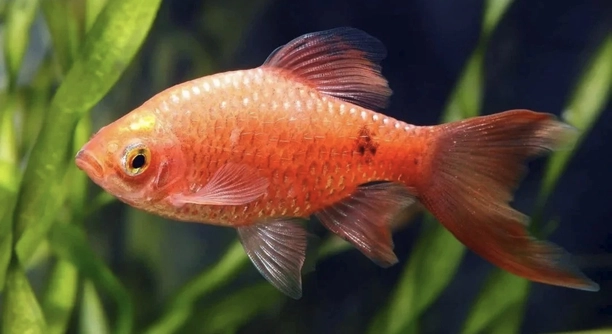
Rosy barbs are popular freshwater fish known for their vibrant colors and active nature. When they settle into a new tank, they display certain behaviors that indicate comfort and adjustment. Observing these signs helps understand their well-being.
Once settled, rosy barbs establish a consistent swimming pattern, interact with tank mates, and explore their environment. They also display healthy feeding behavior, maintain vibrant coloration, and exhibit social hierarchy through gentle chasing or grouping.
Recognizing these behaviors provides insight into their health and helps create a supportive environment for long-term care.
Recognizing Settled Behavior in Rosy Barbs
When rosy barbs settle into their environment, they often swim steadily in mid to upper levels of the tank. This steady movement shows they feel safe and comfortable. They also tend to explore new decorations or plants, which indicates curiosity rather than stress. Interaction with other fish becomes more frequent but calm. They may swim in small groups or chase gently without aggression. Feeding times become more predictable as rosy barbs respond eagerly to food. Their colors brighten, signaling good health. These behaviors combined show that the fish have adapted well and are thriving in their habitat. Monitoring these signs regularly helps to ensure their environment continues to meet their needs.
Settled rosy barbs maintain consistent swimming habits, show lively colors, and respond promptly during feeding, signaling good adaptation.
Understanding these behaviors allows for better tank management. Observing changes early helps prevent stress-related issues. Consistent water quality and balanced nutrition support these positive behaviors, making sure the fish remain healthy and active.
Social Dynamics Among Rosy Barbs
Rosy barbs are naturally social fish that prefer groups of five or more. Keeping them in adequate numbers reduces stress and encourages natural behaviors. When settled, they often form loose schools, swimming together in coordinated patterns. Social interaction involves gentle chasing, which helps establish a hierarchy but rarely leads to harm. This hierarchy keeps the group stable and peaceful. Aggression is minimal when the tank provides enough space and hiding spots. In crowded or poorly arranged tanks, stress can cause increased aggression and color fading. A well-structured environment with plants and open swimming areas supports healthy social dynamics and prevents conflicts, ensuring a balanced community where each fish has its place.
Feeding Habits of Rosy Barbs
Rosy barbs eat a variety of foods including flakes, pellets, and live or frozen treats. When settled, they show regular feeding patterns and respond quickly during feeding times.
Feeding behavior reveals much about their comfort level. Rosy barbs that are well-adjusted eagerly swim to the surface or middle of the tank when food is introduced. They display no hesitation or signs of stress such as hiding or darting. Their appetite remains consistent, which is important for their overall health. Providing a balanced diet with occasional protein-rich treats supports their vibrant colors and energy levels.
It’s important to feed small amounts multiple times a day rather than one large feeding. Overfeeding can lead to water quality issues and health problems. Watching how much they consume helps adjust portions correctly. When feeding, avoid sudden changes to the type or amount of food. Gradual adjustments ensure they continue to eat well and maintain their settled behavior.
Tank Environment and Comfort
A clean, stable tank with plenty of space helps rosy barbs feel secure. Proper filtration and regular water changes maintain water quality.
The tank should have both open swimming areas and places to hide, such as plants or decorations. These features mimic their natural habitat and reduce stress. Temperature between 74 and 79°F suits them best. Consistent lighting with a day-night cycle supports their natural rhythms. Monitoring water parameters like pH, ammonia, and nitrate ensures a healthy environment. Sudden changes in these can cause discomfort or illness. Observing how rosy barbs react to their surroundings gives clues about the tank’s suitability. If they hide excessively or lose color, it may be time to adjust conditions. Creating a stable, balanced environment helps rosy barbs maintain their settled behaviors over time.
Signs of Stress in Rosy Barbs
Rosy barbs that are unsettled may hide frequently or stay near the tank bottom. They might lose color or show erratic swimming.
Stress often causes a decrease in appetite and increased aggression toward tank mates. Recognizing these signs early helps prevent serious health issues.
Interaction with Tank Mates
Rosy barbs get along well with other peaceful fish. They often swim in groups, showing social behavior without aggression. Proper tank size reduces conflict and supports a peaceful community.
Resting Behavior
Rosy barbs rest quietly near plants or decorations, often staying still for short periods. This is normal and indicates they feel safe.
Color Changes and What They Mean
Faded colors can indicate stress or poor water quality. Bright colors usually show good health and comfort in their environment.
FAQ
How often should I feed my rosy barbs?
Feeding rosy barbs two to three times daily with small portions is ideal. They have fast metabolisms and need regular nourishment. Overfeeding can cause water issues, so it’s better to give smaller amounts that they can eat within a few minutes.
What types of food do rosy barbs prefer?
Rosy barbs eat flakes, pellets, and live or frozen foods like bloodworms or brine shrimp. A varied diet helps maintain their color and health. Including plant-based flakes or spirulina can also support their nutritional needs.
How many rosy barbs should be kept together?
Rosy barbs are social and thrive best in groups of at least five. Keeping fewer than this may cause stress and lead to aggressive behavior. Groups help them feel secure and show more natural behaviors.
What water temperature is best for rosy barbs?
The ideal water temperature for rosy barbs ranges from 74°F to 79°F (23°C to 26°C). Maintaining a stable temperature within this range keeps them active and healthy. Sudden changes can stress the fish.
How do I know if my rosy barbs are stressed?
Signs of stress include hiding, loss of appetite, faded colors, and erratic swimming. If you notice these, check water quality, tank mates, and feeding habits. Stress can lead to illness if not addressed promptly.
Can rosy barbs live with other fish species?
Yes, rosy barbs generally get along with peaceful, similarly sized fish. Avoid very slow-moving or long-finned species, as rosy barbs may nip fins if bored or stressed. Proper tank size and hiding spots help reduce conflicts.
How often should I change the water in the tank?
Changing 20-30% of the tank water weekly helps keep the environment clean and healthy. Regular water changes remove toxins and replenish minerals important for fish health. Use a water conditioner to remove chlorine from tap water.
Do rosy barbs need plants in their tank?
Plants provide hiding spots and improve water quality by absorbing nitrates. While not strictly required, live plants create a more natural habitat that helps reduce stress and encourages natural behavior.
What size tank is suitable for rosy barbs?
A minimum tank size of 20 gallons is recommended for a small group of rosy barbs. Larger tanks provide more swimming space and reduce territorial behavior. Ensure good filtration and regular maintenance for best results.
How can I prevent diseases in rosy barbs?
Maintaining stable water conditions, feeding a balanced diet, and avoiding overcrowding are key to preventing disease. Quarantine new fish before adding them to the tank to avoid introducing infections. Watch for early signs of illness like white spots or lethargy.
How long do rosy barbs typically live?
With proper care, rosy barbs can live up to 5 years. Their lifespan depends on tank conditions, diet, and stress levels. Regular monitoring and maintenance help them reach their full lifespan.
What should I do if my rosy barbs are aggressive?
Aggression often results from overcrowding, lack of hiding spots, or boredom. Increasing tank size, adding plants or decorations, and ensuring enough group members can reduce aggression. Avoid mixing with very passive or slow-moving fish.
Are rosy barbs good for beginners?
Yes, rosy barbs are hardy and adapt well to a range of water conditions. Their active nature and colorful appearance make them popular among beginner aquarists. Basic care routines and stable tank conditions ensure their well-being.
Can rosy barbs tolerate different water pH levels?
Rosy barbs prefer a pH between 6.5 and 7.5. Slight variations are tolerated but rapid changes can cause stress. Regular testing and water adjustments help maintain a stable pH.
What kind of filtration is best for a rosy barb tank?
A good filter provides gentle but efficient water flow, removing waste and maintaining water clarity. Sponge or hang-on-back filters are commonly used. Avoid strong currents that may stress the fish.
How do I encourage rosy barbs to breed?
Breeding requires a separate tank with slightly warmer water around 78°F to 80°F. Provide fine-leaved plants or spawning mops where females can lay eggs. Feeding high-quality live foods helps condition them for spawning.
Can rosy barbs jump out of the tank?
Yes, they can jump, especially if startled or stressed. A secure lid is important to prevent escapes and protect them from outside dangers. Make sure there are no gaps in the tank cover.
How can I tell the difference between male and female rosy barbs?
Males are generally slimmer and display brighter, more intense coloration. Females are fuller-bodied, especially when carrying eggs. During breeding, males may show more vivid red or orange tones.
Is it necessary to use a heater for rosy barbs?
Heaters are recommended if room temperature drops below their ideal range. Consistent temperature helps prevent stress. In tropical climates, heaters may be less necessary, but temperature stability is always important.
What are common health issues in rosy barbs?
Common problems include fin rot, ich, and swim bladder issues. These are often related to poor water quality or stress. Prompt treatment with appropriate medications and improved tank care can resolve most illnesses.
Can rosy barbs live in a community tank with aggressive fish?
It is not advisable. Aggressive fish may bully or injure rosy barbs. Selecting peaceful tank mates and ensuring enough space and hiding places reduces stress and promotes harmony.
How do I introduce new fish to my rosy barb tank?
Quarantine new fish for at least two weeks to avoid disease introduction. When adding them to the main tank, rearrange decorations to reduce territorial behavior. Monitor interactions closely during the first few days.
Should I turn off the tank lights at night?
Yes, rosy barbs benefit from a regular day-night cycle. Darkness helps them rest and reduces stress. Use a timer to maintain consistent lighting periods, typically 8 to 12 hours of light daily.
What is the best way to clean the tank without disturbing the fish?
Perform partial water changes and gently clean decorations or substrate with a soft brush. Avoid strong chemicals or soap. Cleaning the filter media carefully helps maintain beneficial bacteria. Doing this regularly keeps the tank healthy with minimal stress.
Can rosy barbs adapt to different types of water?
They are adaptable but prefer freshwater with moderate hardness and stable parameters. Sudden changes in water type or chemistry can cause stress. Acclimate them slowly to any new conditions to help them adjust comfortably.
How often should I check water parameters?
Testing water weekly is recommended, especially for ammonia, nitrite, nitrate, and pH levels. Keeping parameters stable prevents many common problems and supports fish health.
What decorations are best for rosy barb tanks?
Smooth rocks, driftwood, and live plants are excellent choices. They provide hiding places and mimic natural habitats. Avoid sharp or rough decorations that could injure the fish.
Can rosy barbs recognize their owners?
While not as interactive as some species, rosy barbs can learn to associate feeding times with a person’s presence. They may swim closer when someone approaches the tank, showing some level of recognition.
Are rosy barbs suitable for small tanks?
A minimum of 20 gallons is best for a small group. Smaller tanks may cause stress due to limited swimming space and water quality challenges. Adequate space supports healthier and more active fish.
Rosy barbs are lively and colorful fish that bring energy to any aquarium. When they settle in, they show clear signs of comfort and well-being. Watching their steady swimming, social interactions, and eagerness to eat helps confirm they are adjusting well. These behaviors also indicate that the environment supports their needs. A balanced diet, proper tank size, and clean water are key factors in keeping rosy barbs healthy and active. Taking time to observe their habits provides valuable insight into their health and happiness.
Maintaining a stable and clean tank environment is crucial for rosy barbs. They thrive in water that is kept within a proper temperature range and free of harmful chemicals. Regular water changes and good filtration help ensure this stability. Providing plenty of space and hiding spots in the tank reduces stress and encourages natural behavior. When these basic needs are met, rosy barbs develop consistent feeding habits and display vibrant colors. Stress and poor water conditions often show up in faded colors, erratic swimming, or reduced appetite. Recognizing these signs early allows for timely adjustments that can prevent illness.
Understanding rosy barbs’ behaviors and requirements is important for any fish keeper. These fish are social creatures that benefit from being in groups and living in a well-maintained environment. They are generally hardy but still require attention to diet, water quality, and tank setup to stay healthy. Observing their behavior regularly and making necessary changes helps provide a stable home where they can thrive. By following simple care guidelines and paying attention to their needs, rosy barbs can live long, healthy lives and add beauty to the aquarium for years to come.

Hello,
If you enjoy the content that we create, please consider saying a "Thank You!" by leaving a tip.
Every little bit helps us continue crafting quality advice that supports the health, happiness, and well-being of pets around the world, for pets of all shapes, sizes, and species.
We really appreciate the kindness and support that you show us!