
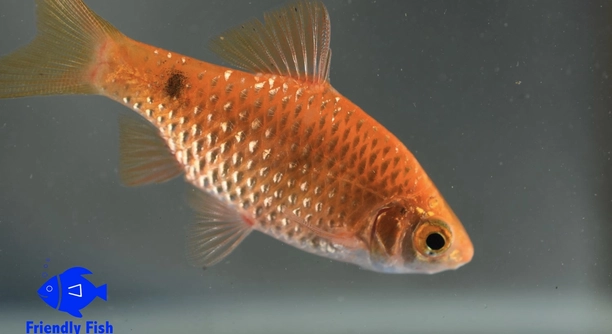
Rosy barbs are lively fish known for their bright colors and active behavior. They often show distinct actions when something in their environment catches their attention or sparks their interest. Understanding these behaviors helps in caring for them better.
When curious, rosy barbs exhibit specific behaviors such as increased swimming activity, inspecting objects closely, flicking their fins, changing colors subtly, interacting more with tank mates, pausing to observe surroundings, and sometimes nibbling on unfamiliar items. These actions indicate heightened awareness and exploration.
Recognizing these signs provides insight into the natural instincts of rosy barbs and helps maintain a stimulating environment for their well-being.
Increased Swimming Activity
When rosy barbs become curious, they often swim more actively around their tank. This movement is not random but focused, as they explore different areas or objects that catch their eye. You might notice them darting quickly or making short, deliberate swims to investigate. This behavior helps them gather information about new items or changes in their environment. Increased swimming also indicates they feel safe enough to explore without hiding. As they move, they may flick their fins more often, showing alertness. This activity is part of their natural instinct to stay aware of potential food sources or changes in their surroundings. Observing these swimming patterns gives clues about what captures their attention and how they respond to new stimuli. Keeping the tank environment enriched encourages this natural curiosity, promoting healthier, more engaged fish.
Curious swimming behavior helps rosy barbs learn about their environment and signals their interest in nearby changes or objects.
Providing varied decorations or plants in the tank can stimulate their curiosity and encourage more natural, active behavior patterns.
Inspecting Objects Closely
Rosy barbs often swim slowly near new items, using their mouths and eyes to examine them carefully. This inspecting behavior shows their natural caution and interest. They might nibble gently on objects to understand texture and safety before interacting more freely. This slow approach lets them avoid danger while satisfying curiosity. You might see them lingering near plants, rocks, or decorations after you add something new. Inspecting objects also helps them find potential food or hiding spots. Their attention to detail reflects an instinct to explore without risking harm. Watching how your rosy barbs investigate changes can help you spot signs of comfort or stress. Ensuring objects are safe and appropriate for the tank supports their healthy curiosity. This behavior shows they actively engage with their environment and adjust based on what they discover.
Flicking Their Fins
Rosy barbs often flick their fins when they feel curious or alert. This small movement signals heightened attention to their surroundings.
Fin flicking can serve as a way to communicate with other fish or express interest in something new. It may also help them adjust their balance while moving carefully. This behavior is subtle but noticeable if you watch closely. When they flick their fins, it shows they are actively processing what is around them. It’s a sign of their awareness rather than just random motion.
Sometimes fin flicking accompanies other curious actions, like swimming near an object or changing position frequently. It reflects a combination of alertness and exploration, which is healthy for their mental stimulation. Observing this behavior alongside other signs gives a clearer picture of their mood and interest level.
Changing Colors Subtly
Rosy barbs sometimes change their colors slightly when curious. This shift can indicate emotional or physical responses to stimuli.
Color changes may be due to excitement or cautiousness. When exploring new objects, they might darken or lighten to blend better or signal to others. These subtle variations help them communicate within their group or respond to environmental changes. The changes are not dramatic but enough to notice over time. Color shifts are normal and healthy, showing their sensitivity to surroundings.
Maintaining proper lighting and water conditions supports these natural responses. If colors become dull or inconsistent, it could indicate stress or poor health. Watching for these color changes alongside behavior helps in understanding their curiosity and comfort levels. It’s another way rosy barbs show engagement with their environment.
Interacting More with Tank Mates
Rosy barbs often become more social when curious, spending time near other fish. This interaction helps them gather information about their environment.
They may swim together or follow one another closely. Increased social behavior shows their interest in the surroundings through group activity.
Pausing to Observe Surroundings
Rosy barbs sometimes stop moving to carefully watch their environment. This pause helps them process new information and feel secure before acting.
This behavior indicates their thoughtful nature, allowing them to assess potential changes or threats calmly before responding.
Nibbling on Unfamiliar Items
Rosy barbs may gently nibble on new objects in the tank. This action helps them understand texture and safety before interacting more confidently.
Nibbling is part of their exploration process, showing how they investigate unfamiliar items with care and curiosity.
What does it mean when rosy barbs swim rapidly around the tank?
Rapid swimming often signals curiosity in rosy barbs. They use this behavior to explore their surroundings quickly, checking for new objects or changes. It’s a natural way for them to gather information about their environment. This increased activity usually means they feel safe and interested, not stressed. However, if the rapid swimming continues for too long or seems frantic, it might be a sign of discomfort or poor water conditions. Watching for other behaviors alongside rapid swimming helps understand their true state.
Why do rosy barbs flick their fins when exploring?
Fin flicking is a subtle communication tool. When rosy barbs flick their fins, they are alert and paying close attention to what’s around them. This motion can also help them maintain balance during slow, deliberate movements while inspecting new items. It’s a sign they are actively processing their environment. This behavior usually appears when they feel comfortable but curious. If fin flicking happens alongside hiding or erratic swimming, it might indicate stress instead.
Can color changes in rosy barbs show their mood?
Yes, color shifts are often linked to rosy barbs’ emotional and physical states. When curious, they may show slight color changes like darkening or lightening. These changes can signal excitement, caution, or an attempt to blend with the environment. Color variation is part of their natural communication and response system. Consistent, healthy fish will display subtle shifts rather than drastic fading or blotchiness. Watching these color changes over time helps gauge their overall well-being.
How do rosy barbs use social behavior when curious?
Rosy barbs become more social when curious by swimming closer to their tank mates or following them around. This group behavior helps them learn about new things together and feel safer while exploring. Increased interaction can include synchronized swimming or gentle nudges. This social curiosity is natural for them as they rely on the group to detect changes or potential food sources. Encouraging social behavior by keeping them in groups supports their mental health and engagement.
Why do rosy barbs pause and observe their surroundings?
Pausing allows rosy barbs to assess potential risks or changes calmly before taking action. This behavior shows they are thoughtful and careful explorers, not rushing into unknown situations. It helps them stay safe while gathering information. You may see them hover in one spot, watching new objects or movements closely. This moment of stillness is a key part of their curiosity and survival instincts.
Is nibbling on new objects a sign of curiosity or stress?
Nibbling is usually a curiosity-driven action where rosy barbs test new items’ texture and safety. It’s a gentle investigation method that helps them decide if an object is food or just part of the environment. When nibbling is slow and careful, it shows healthy exploration. However, if nibbling becomes excessive or frantic, it might indicate stress or boredom. Offering safe, varied objects for nibbling encourages positive curiosity and reduces destructive behavior.
How can I encourage healthy curiosity in my rosy barbs?
Providing a varied and enriched tank environment encourages natural curiosity. Adding plants, decorations, and safe hiding spots gives them new things to explore regularly. Changing the tank layout occasionally also stimulates their interest. Keeping water quality stable and feeding a balanced diet supports their overall health, making them more likely to engage with their surroundings. Observing their curious behaviors helps tailor the environment to their needs, promoting mental and physical well-being.
What should I avoid to prevent stressing my rosy barbs during exploration?
Avoid sudden changes in water temperature, lighting, or tank decorations, as these can cause stress rather than curiosity. Introduce new items slowly and ensure they are safe for fish. Overcrowding the tank or mixing incompatible species can also increase stress levels. Monitor their behavior after changes and revert if signs of distress appear. A calm, stable environment encourages curiosity and exploration without fear.
Understanding the curious behaviors of rosy barbs helps create a better environment for them to thrive. These fish show curiosity through specific actions like swimming actively, flicking their fins, and closely inspecting objects. Recognizing these signs allows caretakers to provide stimulating and safe surroundings. When their natural curiosity is supported, rosy barbs tend to be more active and healthier. Paying attention to their behavior helps identify when they feel comfortable or when something may be causing stress. This knowledge is valuable for maintaining a balanced aquarium.
Curiosity in rosy barbs also involves social interactions and subtle changes in color. They often engage more with tank mates or pause to observe their environment carefully. These behaviors reflect their need to gather information and feel secure before exploring. Color changes, although slight, indicate emotional responses to new stimuli or conditions. When these natural behaviors are encouraged through a varied and enriched tank setup, rosy barbs show better mental and physical well-being. Proper care includes clean water, good nutrition, and thoughtful attention to how they behave daily.
Overall, watching how rosy barbs respond to changes and new objects offers insight into their health and happiness. Providing a consistent, safe, and interesting environment supports their natural curiosity and keeps them engaged. Understanding these fish’s behaviors is essential for anyone caring for them, making it easier to notice when something is wrong or when they are content. This awareness promotes a more rewarding experience for both the fish and their caretakers.

Hello,
If you enjoy the content that we create, please consider saying a "Thank You!" by leaving a tip.
Every little bit helps us continue crafting quality advice that supports the health, happiness, and well-being of pets around the world, for pets of all shapes, sizes, and species.
We really appreciate the kindness and support that you show us!