
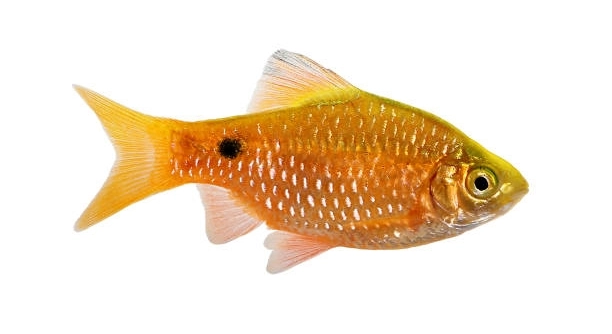
Rosy barbs are colorful, active fish often kept in home aquariums. They have unique behaviors that happen just before they eat. Understanding these actions helps fish owners care for them better.
Before eating, rosy barbs typically swim near the surface, flick their fins, and dart quickly. They also explore their surroundings actively and sometimes display slight body vibrations. These behaviors prepare them to spot food and react promptly.
These subtle habits reveal how rosy barbs get ready for feeding. Observing them can improve your aquarium experience and help maintain their health.
Swimming Near the Surface
Rosy barbs often swim close to the water’s surface just before they eat. This behavior helps them spot any food falling into the tank quickly. When food is dropped, they don’t waste time and move fast to grab it. You might notice them flicking their fins or gently moving their bodies as they prepare to feed. This swimming near the surface also shows they are alert and ready. Watching this can be quite calming, and it gives a clear sign that feeding time is near. Their bright colors become even more noticeable in this area, adding life to your aquarium.
Swimming near the surface is a clear signal that rosy barbs expect food. It helps them be ready for quick feeding.
This behavior also helps them stay aware of other fish or changes around them. By staying near the top, they can react quickly if there’s danger or competition for food. This readiness is part of their survival instinct. In an aquarium setting, it shows they are comfortable and healthy enough to anticipate feeding. Recognizing this sign makes caring for them easier and more rewarding.
Flicking Fins and Darting
Flicking their fins and quick darting movements are common before rosy barbs eat. These motions prepare their muscles and help them get ready to move fast. It is almost like a warm-up before they catch food. This quick movement also signals excitement or hunger, which is easy to see. Watching these little bursts of energy can make feeding time feel lively and fun.
Before feeding, rosy barbs flick their fins and dart around to stay alert and energized.
These rapid movements help increase their blood flow and sharpen their focus on the food. They use these bursts to test the water and check their surroundings. In the wild, quick reactions mean a better chance of catching prey or avoiding predators. In your aquarium, it means they are healthy and active. Noticing this behavior gives you a glimpse into their natural instincts and adds more enjoyment to observing them. It also tells you when they are eager to eat, making feeding more interactive and engaging.
Exploring Their Surroundings
Rosy barbs move around actively before eating, checking their tank carefully. This helps them find food and feel safe. They use quick glances and small swims to understand what’s happening nearby.
This behavior is part of their natural curiosity. In the wild, checking surroundings helps them avoid threats and locate food. In an aquarium, it shows they feel comfortable but alert. They may swim near decorations or plants, inspecting every corner for snacks. This movement also keeps them physically ready to catch food quickly when it arrives. Watching them explore can be relaxing and shows their healthy nature.
By moving around like this, rosy barbs maintain a good balance between play and caution. It keeps them sharp and ready to eat without stress. This behavior signals a well-maintained tank where the fish feel safe enough to be active and curious. It also helps you notice when something in their environment changes, as they will react differently if they feel uneasy or hungry. Paying attention to their exploration habits can improve how you care for them daily.
Slight Body Vibrations
Slight vibrations in rosy barbs’ bodies are common just before feeding. These subtle shakes indicate their excitement and readiness to eat. It’s a natural way for them to prepare.
These small vibrations help increase their alertness and focus. Similar to a gentle shake before running, this movement signals that the fish is gearing up for action. Vibrations also encourage blood flow and muscle readiness, making quick movements easier. It is a sign that they are engaged and waiting for food to arrive. When you see this, it means your fish are active and healthy.
The vibrations also show a connection between their senses and movement. They react not just to food presence but to sounds or vibrations from outside the tank. This sensitivity keeps them aware and ready. Recognizing this behavior can help you better understand their mood and well-being. It also adds to the enjoyment of watching their subtle but meaningful signs before mealtime.
Gathering in Groups
Rosy barbs often gather together before eating. This behavior helps them feel safer and more confident. Being in a group allows them to watch for food more easily.
Grouping also reduces stress and signals social bonding. It encourages feeding activity and creates a lively environment in the tank.
Quick Sniffing Movements
Before feeding, rosy barbs use quick, small head movements to “sniff” the water. This helps them detect food particles nearby. This behavior is similar to how other animals use their senses to locate meals. It shows their keen ability to sense changes in their environment.
Alert Posture
Rosy barbs hold an alert posture before feeding. Their bodies are straight, and fins are slightly spread. This stance helps them react quickly once food is spotted or dropped.
How often do rosy barbs eat?
Rosy barbs usually eat once or twice a day. It is best to feed them small amounts that they can finish within a few minutes. Overfeeding can cause water quality problems and make the fish unhealthy. Feeding too little, on the other hand, may slow their growth and lower their energy.
A balanced feeding schedule keeps rosy barbs healthy and active. You can split their daily food into two portions, offering one in the morning and another in the evening. This routine mimics their natural feeding habits, where they look for food multiple times throughout the day. Watching how quickly they eat helps you decide the right amount. If leftovers remain after five minutes, reduce the next feeding. If they finish quickly and seem hungry, you can slightly increase the portion.
Adjust feeding depending on their activity level and water temperature. In warmer water, fish tend to be more active and may need more food. During cooler periods, their metabolism slows, and less food is necessary. Feeding regularly while observing their behavior will help you maintain a healthy tank environment.
What types of food do rosy barbs prefer?
Rosy barbs are omnivores, which means they eat both plant and animal matter. They enjoy a varied diet including flakes, pellets, and live or frozen foods like brine shrimp and bloodworms. Including plant-based food is also important, such as algae wafers or vegetable flakes.
Providing different food types ensures they get all the nutrients needed for growth and color. Flake food is convenient for daily feeding, while live or frozen treats offer protein and stimulate natural hunting behavior. Vegetables like blanched spinach or peas add fiber and vitamins.
A diverse diet keeps rosy barbs interested and active. It also supports their immune system and helps maintain their bright colors. Changing their food types occasionally prevents boredom and encourages natural feeding instincts. Feeding quality food suited for tropical fish is essential to keep them healthy long term.
Why do rosy barbs swim near the surface before eating?
Swimming near the surface before eating allows rosy barbs to spot food quickly. In the wild, many of their natural foods float or fall onto the water surface. This behavior helps them react fast and get their share before other fish do.
Being near the surface also keeps them alert to any changes in the tank. They can see movement and sense vibrations better from this position. This readiness helps protect them from threats and improves their chances to catch food.
In an aquarium, this habit signals healthy and active fish. If rosy barbs avoid the surface or act lethargic, it might indicate stress or illness. Encouraging surface swimming with floating food or feeding at the top can help maintain their natural behavior and keep feeding interesting.
What causes rosy barbs to flick their fins before feeding?
Flicking fins before feeding is a natural behavior that prepares rosy barbs for quick movement. It helps increase blood flow and muscle readiness, allowing them to dart and catch food more effectively.
This motion also shows excitement and alertness. Fish use body language to communicate their mood, and flicking fins often means they are focused and eager to eat. It can also be a way to display dominance or establish social order within the group.
Observing fin flicking is a good sign of healthy, active fish. If the flicking seems excessive or is paired with clamped fins, it might indicate stress or irritation. Normal flicking is quick and light, occurring just before or during feeding time.
How do slight body vibrations help rosy barbs before eating?
Slight body vibrations prepare rosy barbs to react quickly to food. These gentle shakes increase alertness and muscle tone, making fast movements easier when food appears.
The vibrations are a way for fish to “wake up” their senses and coordinate their body. It’s similar to how humans might stretch or shake their hands before starting an activity.
This subtle behavior also helps rosy barbs sense vibrations in the water, alerting them to food or changes around them. It shows they are engaged and ready to eat, which is important for their survival in the wild and their well-being in captivity.
Why do rosy barbs gather in groups before feeding?
Rosy barbs gather in groups before feeding as a natural safety and social behavior. Being in a group reduces the chance of being singled out by predators. It also increases their chances of finding food quickly.
Group feeding encourages social interaction and competition, which stimulates their natural instincts. This behavior is common among schooling fish like rosy barbs.
In an aquarium, grouping before eating signals comfort and good tank conditions. If fish isolate themselves or avoid others, it may indicate stress or illness. Maintaining proper water quality and space encourages healthy group behavior during feeding times.
What does quick sniffing mean in rosy barbs?
Quick sniffing movements help rosy barbs detect food particles in the water. By moving their heads rapidly, they use their sensory organs to identify the presence and location of food.
This behavior is essential for survival in the wild and helps them locate scattered food in an aquarium. It also shows they are actively searching and interested in feeding.
If sniffing stops or the fish appear disinterested, it could signal health problems or poor water conditions. Regular observation of sniffing behavior helps keep track of their feeding habits and overall health.
How important is an alert posture before feeding?
An alert posture allows rosy barbs to react quickly once food arrives. Their bodies straighten, and fins spread slightly to prepare for sudden movements. This stance helps them stay balanced and ready.
This posture also signals focus and eagerness. Fish that appear relaxed or sluggish before feeding may be unhealthy or stressed. Watching for alert postures can help detect early signs of problems.
Maintaining a healthy tank environment encourages this natural behavior, promoting active and responsive fish during feeding times.
Understanding the behaviors of rosy barbs before they eat can make caring for them much easier. These little fish show clear signs when they are ready to feed. By paying attention to their movements, such as swimming near the surface, flicking fins, and slight body vibrations, you can better meet their needs. These actions are not just random; they help the fish prepare for feeding and stay alert in their environment. Knowing these signs means you can create a more comfortable and healthy space for your rosy barbs.
It is also important to remember that these behaviors show the overall health of your fish. When rosy barbs move actively, explore their surroundings, and gather in groups before eating, it is a good sign. It means they feel safe and are getting enough food. On the other hand, if they act differently, such as hiding or refusing to eat, it could mean something is wrong. Watching their pre-feeding habits closely helps you catch any problems early and provide better care.
Taking care of rosy barbs includes observing their natural behaviors and feeding them properly. Feeding them the right amount and type of food keeps them healthy and happy. Also, keeping the tank clean and stable supports their well-being. These simple steps, combined with understanding their pre-eating actions, lead to a more enjoyable experience as a fish owner. Paying attention to these small details makes a big difference in the life of your rosy barbs and helps them thrive in your aquarium.

Hello,
If you enjoy the content that we create, please consider saying a "Thank You!" by leaving a tip.
Every little bit helps us continue crafting quality advice that supports the health, happiness, and well-being of pets around the world, for pets of all shapes, sizes, and species.
We really appreciate the kindness and support that you show us!