
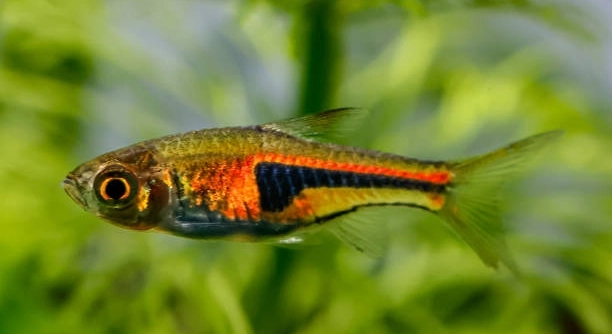
Do your rasboras seem uneasy despite clean water and steady care, leaving you unsure which tank conditions quietly disrupt their comfort and natural behavior each day within a shared community aquarium environment for small fish.
Rasboras typically avoid environments with strong water currents, aggressive tankmates, harsh lighting, unstable parameters, and frequent disturbances, as these conditions elevate stress, suppress feeding behavior, and interfere with schooling patterns essential for long-term health and stability in captive aquarium systems.
By recognizing these avoided elements, aquarists can create calmer habitats that support natural movement, color, and social harmony for rasboras.
Strong Water Currents
Rasboras prefer gentle water movement that allows them to swim in relaxed groups without constant resistance. Strong currents force them to expend energy unnecessarily, often causing fatigue and uneven schooling. In tanks with powerful filters or wavemakers, rasboras may hide near corners, plants, or the substrate. Over time, this stress can reduce feeding activity and dull their coloration. A calm flow supports natural behavior, encourages steady movement, and allows rasboras to remain visible and active. Maintaining balanced circulation also helps distribute oxygen without overwhelming these small, delicate fish in shared community aquariums. From personal observation, adjusting spray bars downward and using sponge filters created noticeable calm within days, making the tank feel stable. Simple changes like diffusing output or adding driftwood can soften flow while preserving filtration efficiency and overall water quality without disrupting biological balance or maintenance routines commonly followed by careful home aquarists seeking long term consistency daily.
When flow is reduced, rasboras school evenly and feed more confidently. Their movements appear smoother, and hiding behavior becomes less frequent. These subtle changes indicate improved comfort and reduced stress within the aquarium environment. This stability supports long term health and helps maintain consistent daily activity patterns for schooling species.
High current areas can also disrupt surface feeding, causing food to scatter before rasboras can react. This leads to uneven nutrition and increased waste accumulation. By slowing water movement, food remains accessible longer, supporting proper intake. I noticed fewer leftovers and clearer water after making this adjustment. Gentle flow also benefits tank plants, allowing them to grow upright and provide shelter. Together, these elements create a balanced environment where rasboras display natural color, calm swimming, and predictable social behavior over extended periods. Such consistency reduces stress related behaviors and supports reliable care routines for aquarists maintaining peaceful community tanks successfully.
Aggressive Tank Mates
Rasboras thrive alongside calm species that respect personal space. Aggressive tank mates introduce constant tension, leading to chasing and fin nipping. Even occasional displays of dominance can disrupt schooling, feeding routines, and overall stability within shared aquariums over time for sensitive fish kept in close quarters with limited escape space.
Small rasboras lack the physical defenses needed to compete with territorial or fast moving species. When housed with aggressive fish, they often retreat into dense plants or remain motionless for long periods. This behavior limits natural swimming and reduces feeding opportunities. Chronic stress weakens immune response, making rasboras more susceptible to common infections. I have found that peaceful companions like small tetras, dwarf catfish, or gentle bottom dwellers allow rasboras to remain visible and active. Community balance improves when fish share similar size, temperament, and activity levels. Rearranging decorations rarely resolves aggression rooted in species behavior. Selecting appropriate tank mates from the start prevents repeated disruptions and loss. A calm social structure supports consistent feeding, stable water conditions, and predictable daily movement. Over time, rasboras display stronger coloration, tighter schooling, and calmer interactions when social pressure is removed from their environment. This approach simplifies maintenance and observation. Fewer conflicts mean less intervention, reduced stress signs, and steadier routines. Watching rasboras move freely without interruption reinforces the value of thoughtful planning and patient stocking choices. Over months, this stability supports longevity, consistent growth, and a more enjoyable viewing experience for attentive aquarists at home with minimal unexpected behavioral changes appearing naturally.
Harsh Lighting Conditions
Bright, unfiltered lighting often causes rasboras to retreat and remain inactive. Sudden light exposure increases stress and disrupts natural schooling behavior. Without shaded areas, they struggle to feel secure. Consistent, moderate lighting helps them remain visible, feed calmly, and display natural coloration throughout the day in calm aquarium settings daily.
Rasboras originate from shaded streams where overhead cover softens light penetration. Excessively bright fixtures remove this sense of safety, leading to skittish movement and prolonged hiding. I noticed reduced activity when upgrading to stronger LEDs without adjustment. Floating plants, driftwood, and adjustable intensity settings restore balance. Light should follow a predictable schedule, avoiding sudden on and off changes. When illumination remains stable and diffused, rasboras resume midwater swimming and respond more confidently during feeding times. Proper lighting also reduces reflective glare, which can cause confusion and unnecessary stress within glass aquariums found in small community tanks kept at home setups.
Lighting intensity also influences plant growth, which directly affects rasbora comfort. Sparse vegetation offers little refuge, while balanced growth provides visual breaks and resting zones. I prefer warm toned lighting paired with dense planting along tank edges. This combination creates gentle contrast without overwhelming open swimming space. Over time, rasboras adapt to routines built around consistent brightness. Erratic lighting adjustments often reverse progress, triggering avoidance behaviors again. Maintaining stable light conditions supports calm behavior, predictable feeding responses, and long term comfort in shared aquariums that benefit observation and reduce daily maintenance concerns for careful aquarists over time in home tanks.
Unstable Water Parameters
Rasboras avoid environments with fluctuating temperature, pH, or hardness. Sudden changes interrupt biological processes and increase stress. Even small swings can suppress appetite and reduce activity. I learned consistency matters more than chasing perfect numbers. Stable parameters allow rasboras to school calmly, breathe evenly, and maintain coloration without constant adjustment from filtration or frequent water chemistry alterations that often occur during rushed maintenance or overcorrection attempts by inexperienced keepers at home aquariums setups today commonly.
Wild rasboras experience gradual environmental shifts, not abrupt swings common in poorly managed tanks. Heater failures, missed water changes, or inconsistent source water introduce instability. I monitor temperature daily and test parameters weekly to avoid surprises. Using conditioned water and matching temperatures during changes reduces shock. Stability also supports beneficial bacteria, which helps maintain clear water and predictable waste processing. When parameters remain steady, rasboras feed regularly and display relaxed swimming patterns. Over time, this consistency builds resilience and reduces stress related behaviors. Simple routines, recorded observations, and patience play a larger role than constant adjustments. A steady environment allows rasboras to thrive without unnecessary intervention while simplifying care for aquarists managing community tanks long term with confidence and fewer corrective actions required overall consistently.
Overcrowded Tank Setup
Crowded tanks limit swimming space and disrupt schooling behavior. Rasboras become withdrawn when surrounded by too many fish. Limited territory increases competition during feeding and raises stress levels. Adequate space allows smooth movement, stable groups, and consistent daily behavior within community aquariums over time for small schooling fish kept together.
Overstocking also affects water quality faster than expected. Waste builds quickly, oxygen drops, and filtration struggles to keep pace. I noticed calmer feeding and clearer water after reducing stock. Fewer fish created balance, reduced maintenance, and allowed rasboras to remain active instead of hiding constantly during observation periods at home.
Excessive Noise and Disturbance
Rasboras avoid tanks with excessive noise and frequent movement around the glass. Constant vibration from doors, speakers, or heavy foot traffic causes startle responses. I noticed darting behavior when the tank sat near a hallway. Relocating it reduced sudden movements. A calm placement supports regular feeding and predictable schooling. Quiet surroundings also help fish rest during low light hours. When disturbances are minimized, rasboras spend more time midwater and less time hiding. This stability improves observation and reduces stress related behaviors linked to environmental pressure over extended periods in shared living spaces common in homes today for aquarists managing tanks.
Lack of Shelter and Cover
Rasboras often avoid bare tanks lacking plants or cover. Open spaces without refuge increase anxiety and reduce natural movement. Adding live plants, wood, or decor creates visual breaks. I found even simple additions encouraged exploration, tighter schooling, and calmer feeding behavior across the tank during regular observation periods at home.
Do rasboras avoid certain tank areas even when conditions seem correct?
Yes, rasboras may still avoid specific zones despite stable parameters. Flow direction, lighting angles, or reflections can influence their movement. I have seen them ignore one side of the tank simply because light hit the glass differently. Minor layout adjustments often resolve this behavior.
Can rasboras avoid food if the tank environment feels stressful?
Rasboras may hesitate to eat when stress levels rise. Strong currents, aggressive fish, or sudden movements nearby can interrupt feeding. I noticed delayed feeding responses during busy hours at home. Once the surroundings quieted, feeding behavior returned to normal without changes to diet.
Do rasboras avoid certain substrates?
While rasboras spend most time midwater, substrate still matters. Very bright or reflective gravel can increase stress by amplifying light. I switched to darker sand and saw calmer movement. Substrate choice also affects plant growth, which indirectly improves comfort.
Is temperature inconsistency something rasboras actively avoid?
Rasboras respond quickly to temperature shifts. Even small fluctuations can push them toward corners or lower levels. Consistent heating reduced this behavior in my tank. Stable temperature supports steady metabolism and prevents avoidance patterns linked to discomfort.
Do rasboras avoid tanks without other rasboras?
Rasboras are schooling fish and feel exposed when kept alone or in very small groups. Isolation often leads to hiding and reduced activity. Increasing group size encouraged tighter schooling and visible confidence. Social structure plays a major role in how secure they feel.
Can rasboras avoid certain tank mates even if they are not aggressive?
Yes, overly active species can still cause avoidance. Fast swimmers create constant motion that rasboras may find overwhelming. I observed them staying low when housed with hyperactive fish. Choosing calmer companions restored balanced movement patterns.
Do rasboras avoid newly changed water?
Fresh water can cause brief avoidance if parameters differ slightly. Matching temperature and conditioning water properly minimizes this response. I noticed less darting when water changes were smaller and more frequent instead of large weekly changes.
Is surface agitation something rasboras tend to avoid?
Heavy surface movement can disrupt feeding and schooling. Rasboras often stay lower when bubbles or splashing are excessive. Adjusting filter output reduced this behavior. Gentle agitation still provides oxygen without forcing avoidance.
Do rasboras avoid tanks with sparse planting?
Yes, limited plant cover increases visibility and stress. Rasboras rely on visual barriers to feel secure. After adding more plants, I noticed longer swimming periods and fewer retreats. Plant density influences confidence more than decoration style.
Can lighting color cause avoidance behavior?
Cool, intense lighting sometimes triggers hiding. Warmer tones feel less harsh and reduce glare. Switching spectrum settings led to more consistent activity in my tank. Light quality matters as much as intensity.
Do rasboras avoid tanks placed in busy rooms?
Frequent movement around the tank creates constant disturbance. Rasboras react to shadows and vibrations. Relocating the aquarium away from heavy traffic reduced startle responses. A stable environment encourages predictable behavior.
Is frequent rearranging of decor something rasboras avoid?
Constant changes disrupt established swimming paths. Rasboras rely on familiarity to feel secure. I learned to make changes gradually. Once layouts stabilized, schooling behavior improved and stress signs diminished.
Do rasboras avoid strong filtration noise?
Loud humming or rattling can contribute to stress. While subtle, vibration travels through water. Fixing a noisy filter noticeably reduced erratic swimming. Quiet equipment supports calm daily patterns.
Can poor oxygen levels lead to avoidance?
Low oxygen pushes rasboras toward the surface or filter output. This behavior signals discomfort. Improving circulation gently resolved the issue. Balanced oxygen supports even distribution throughout the tank.
Do rasboras avoid tanks without routine?
Inconsistent feeding times, lighting schedules, or maintenance disrupt predictability. Rasboras respond best to routine. Once I established consistent timing, behavior stabilized. Predictable care reduces avoidance and supports long term comfort.
Final Thoughts
Creating a comfortable tank for rasboras often comes down to paying attention to small details that add up over time. These fish respond strongly to their surroundings, even when changes seem minor to us. Flow strength, lighting balance, social structure, and consistency all influence how secure they feel. From personal experience, stability matters more than perfection. Rasboras do not need constant adjustments or complicated setups. They benefit most from predictable routines and thoughtful planning. When their environment remains calm and balanced, their behavior becomes easier to read. Schooling tightens, feeding becomes reliable, and hiding decreases. These signs indicate comfort rather than chance. Observing them daily helps reveal what works and what does not. Small corrections made slowly often bring better results than sudden changes. A steady approach supports their natural behavior and reduces stress without requiring advanced equipment or frequent intervention.
Rasboras also remind keepers that restraint plays an important role in aquarium care. Overcrowding, overdecorating, or overcorrecting water chemistry often creates more problems than it solves. Allowing the tank to settle and mature encourages balance. I have found that leaving successful setups untouched for longer periods leads to healthier fish and clearer water. Rasboras thrive when they can rely on familiar swimming paths, stable companions, and consistent lighting cycles. Their avoidance behaviors usually signal discomfort rather than disobedience or randomness. Paying attention to these signals helps guide better decisions. Instead of reacting quickly, observing patterns over days provides clearer answers. This patience reduces unnecessary stress for both fish and keeper. Over time, the tank becomes easier to maintain, and the fish appear more confident and visible throughout the day.
Ultimately, keeping rasboras comfortable is about respecting their nature rather than forcing adaptation. They prefer calm environments that mirror gentle streams and shaded waters. By minimizing extremes and maintaining routine, their behavior becomes predictable and relaxed. I have found that once these needs are met, rasboras require very little additional effort. Their subtle movements, steady schooling, and consistent feeding habits reflect a stable environment. This balance allows aquarists to enjoy observation rather than constant troubleshooting. A well planned setup supports long term health and reduces avoidable issues. When rasboras feel secure, they reward that care with natural behavior and quiet activity that brings a sense of calm to the aquarium.

Hello,
If you enjoy the content that we create, please consider saying a "Thank You!" by leaving a tip.
Every little bit helps us continue crafting quality advice that supports the health, happiness, and well-being of pets around the world, for pets of all shapes, sizes, and species.
We really appreciate the kindness and support that you show us!