
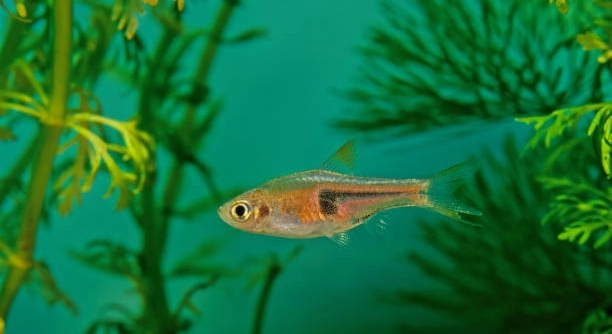
Rasboras are small, peaceful fish that brighten any aquarium with their presence. They often show subtle behaviors that reveal their comfort level and overall well-being. Observing these behaviors can help you understand their needs more clearly.
When rasboras are comfortable, they exhibit consistent schooling behavior, explore their environment without hesitation, maintain healthy swimming patterns, display vibrant colors, interact gently with tank mates, rest calmly near plants, and feed eagerly during feeding times, indicating a secure habitat.
Recognizing these behaviors helps ensure your rasboras thrive and enjoy a stress-free environment in your aquarium. Paying attention to these signs supports their long-term health and happiness.
Schooling Together
Rasboras are naturally social and love to swim in groups. When they feel safe, you’ll notice them moving in tight, coordinated schools, gliding smoothly through the water. This behavior isn’t just for show; it helps them feel protected and reduces stress. Watching them swim together can be calming, almost like a silent conversation between the fish. The more confident they feel in their environment, the more synchronized their movements become. You might also notice them changing direction together quickly or hovering near plants in unison. Their coordination shows they are not anxious and trust the tank setup. Over time, you may start predicting their movements, noticing patterns that reveal their comfort level. Comfortable rasboras often swim freely around all corners of the tank, exploring without hiding. If your tank is quiet and plants or decorations provide enough cover, this schooling behavior becomes more visible. Their confidence is a good indicator of water quality and tank stability.
Consistent schooling indicates that rasboras feel secure in their environment, interacting naturally with each other and exploring their habitat without fear or hesitation.
When rasboras school, it reflects a healthy balance in the tank. They are less likely to hide or show signs of stress. Schooling also encourages activity and interaction, keeping each fish alert and engaged. It’s fascinating to see how they move together, almost like they are aware of each other’s presence. If one fish leads, the others follow, creating a gentle rhythm in the tank. This pattern strengthens their social bonds and helps maintain a peaceful environment. Observing this behavior can help you notice any changes in their mood or health early, allowing timely care adjustments. Comfortable rasboras show confidence and a willingness to explore, signaling that your tank setup, water conditions, and feeding routines support their needs. Their schooling can even guide where decorations or plants should be placed to enhance both safety and enjoyment. By paying attention to these behaviors, you can ensure your rasboras continue to thrive.
Resting Near Plants
Rasboras often rest near plants when they feel comfortable. They stay calm, sometimes hovering or lightly touching leaves, showing they trust the surroundings.
Resting near plants provides shelter and security. Comfortable rasboras choose areas with gentle cover, avoiding stressful spots.
Plants offer more than safety. They create shaded areas and help reduce strong currents, making resting easier for rasboras. When fish feel safe, they may linger in these spots without darting away. You can notice subtle movements, like gentle fin adjustments or slow breathing patterns, which indicate relaxation. Resting near plants also supports natural behaviors, allowing them to maintain energy and prepare for active periods. Watching this behavior can be rewarding; it shows that the fish have adapted well to the environment and feel unthreatened. Over time, you may see certain plants or areas becoming favorite resting zones. Their choice reflects comfort with temperature, light, and water flow. Providing plants and decorations that mimic natural habitats encourages healthy routines and reduces stress. It also gives the aquarium a peaceful aesthetic. When rasboras feel secure, these resting moments become longer, more frequent, and easier to observe.
Active Exploration
Comfortable rasboras move confidently around the tank, inspecting plants, decorations, and open spaces without hesitation. They swim to different corners, showing curiosity and security in their surroundings.
Exploration is a clear sign of comfort. When rasboras feel safe, they venture beyond hiding spots and interact with the environment. You might notice them nibbling lightly on leaves or inspecting small crevices. Their movements are calm, smooth, and consistent, with no sudden bursts of frantic swimming. This behavior indicates they trust the water conditions, temperature, and lighting. Active exploration also keeps them physically fit and mentally engaged, preventing boredom. Watching them explore can be surprisingly entertaining, as they follow patterns and sometimes return to favorite spots. Their willingness to move freely reflects a balanced habitat and proper care.
Over time, patterns of exploration can become predictable. Comfortable rasboras often favor certain areas while still moving throughout the tank. They may circle plants or hover near gentle currents, demonstrating confidence. By observing these routines, you can adjust decorations and plant placement to create a more enriching environment. Exploration also encourages natural feeding behavior, helping them find food distributed across the tank. Providing hiding spaces alongside open areas allows rasboras to choose where they feel safest. Their active investigation reflects both curiosity and a low-stress environment. It’s a positive indicator that your tank setup supports healthy social and individual behavior.
Feeding Eagerly
Rasboras that are comfortable show interest in food, swimming quickly to the feeding area and eating without hesitation. Their appetite is steady and consistent.
Eager feeding is a strong comfort signal. Comfortable rasboras approach food confidently, competing calmly with tank mates and consuming meals with interest. Their behavior is focused yet relaxed, showing that the environment is secure.
Feeding behavior provides insight into the overall health and comfort of rasboras. When they eat eagerly, it demonstrates trust in the surroundings and confidence in their position within the tank. Fish that hesitate or hide during feeding may be stressed or unwell. Comfortable rasboras often recognize feeding routines, swimming to the surface or mid-level areas when food is introduced. They may chase flakes or pellets gently, showing social interaction without aggression. Observing their eagerness helps ensure proper nutrition and indicates that tank conditions, including water quality and temperature, support their needs. This behavior also allows for easy monitoring of individual fish health, as changes in appetite are often early signs of stress or illness. By maintaining a stable feeding routine and providing suitable food, you encourage natural, healthy feeding habits and reinforce the comfort of your rasboras.
Displaying Vibrant Colors
Comfortable rasboras show brighter, more vivid colors. Their scales shine, and patterns are more noticeable, reflecting good health and low stress levels.
Color intensity can indicate their well-being. When rasboras feel secure, pigments appear more pronounced, signaling a stable environment and proper nutrition.
Gentle Interaction
Rasboras often swim close to tank mates without aggression. They show calm, non-threatening behavior, maintaining peaceful group dynamics. Their interactions are smooth, coordinated, and consistent. This behavior reflects comfort and trust in the environment. Gentle social interaction reduces stress, encourages schooling, and strengthens bonds within the group.
Resting Calmly
When comfortable, rasboras rest with minimal movement, often near plants or decorations. They stay relaxed, showing no signs of distress or sudden darting.
Engaging With the Environment
Comfortable rasboras actively explore decorations, substrate, and plant areas. Their movements are steady and confident, showing curiosity and comfort in the tank. They may nibble lightly or hover in certain spots, demonstrating a secure, low-stress environment that encourages natural behavior.
How can I tell if my rasboras are comfortable in the tank?
Comfortable rasboras display consistent schooling, smooth swimming patterns, bright colors, and eagerness to feed. They rest calmly near plants, explore decorations without hesitation, and interact gently with other tank mates. Observing these behaviors over time helps determine if your tank conditions meet their needs and reduce stress.
Why do rasboras stay close to plants or decorations?
Rasboras feel secure near plants and decorations because these areas offer shelter and low-stress zones. Comfortable fish often hover or lightly touch leaves, showing trust in their surroundings. Plants also provide shade and reduce water flow, making resting easier and supporting natural behaviors.
What does active exploration indicate about rasboras?
Active exploration is a clear sign of comfort and security. Fish that swim confidently throughout the tank, inspecting corners, decorations, and plants, show trust in the environment. They are more likely to remain healthy, display natural behaviors, and maintain energy levels when comfortable.
Is schooling behavior important for rasboras?
Yes, schooling is vital for rasboras’ sense of safety. When they move together in tight, coordinated groups, it reduces stress and fosters natural social interactions. Comfortable fish exhibit synchronized swimming patterns, respond quickly to changes, and maintain calm coordination within their group.
How does feeding behavior reflect comfort?
Eager and confident feeding indicates low stress and satisfaction with the environment. Comfortable rasboras approach food quickly, compete calmly with tank mates, and consume meals without hesitation. A strong appetite also reflects trust in the tank setup, water conditions, and feeding routines.
Why do rasboras show brighter colors when comfortable?
Color intensity is linked to stress levels and health. Comfortable rasboras display vivid scales and clear patterns, which reflect proper nutrition and secure surroundings. Dull colors may indicate stress, illness, or unsuitable tank conditions.
Can gentle interaction with other fish show comfort?
Yes, calm, non-aggressive behavior around tank mates signals comfort. Comfortable rasboras maintain peaceful group dynamics, swim close without threatening others, and show smooth, coordinated movements. These interactions reinforce social bonds and reduce stress.
How often do comfortable rasboras rest?
Comfortable rasboras rest periodically without sudden movements or hiding. Resting usually occurs near plants or low-flow areas. Observing relaxed fin movements and slow breathing patterns can indicate their comfort and overall well-being.
Do tank conditions affect comfort levels?
Absolutely. Water quality, temperature, lighting, and tank decoration impact rasboras’ sense of security. Stable conditions promote natural behaviors like schooling, exploring, resting, and feeding. Sudden changes or poor maintenance can cause stress, affecting health and coloration.
What can I do to keep rasboras comfortable long-term?
Maintain consistent water parameters, provide sufficient plants and hiding spots, ensure a balanced diet, and observe daily behaviors. Encourage social interaction with compatible tank mates and avoid overcrowding. Comfort comes from a secure, low-stress environment that supports natural habits and overall well-being.
How does observing comfort behaviors help with fish care?
Tracking schooling, feeding, resting, and exploration helps identify early signs of stress or illness. Noticing changes in color, appetite, or movement allows timely adjustments to water quality, decorations, or tankmates. Understanding comfort behaviors ensures healthy growth, peaceful social dynamics, and a thriving aquarium environment.
Can individual rasboras show different levels of comfort?
Yes, even within a group, some fish may be more confident or exploratory than others. Factors like age, health, personality, and social hierarchy influence comfort levels. Observing each fish helps address individual needs while supporting overall group harmony.
How do decorations and plants impact comfort?
Decorations and plants create hiding spots, shaded areas, and resting zones. Comfortable rasboras often choose favorite locations to hover or rest. Strategic placement of plants and ornaments encourages exploration, reduces stress, and allows fish to maintain natural routines safely.
What signs indicate that a rasbora is not comfortable?
Signs include hiding excessively, erratic swimming, pale coloration, loss of appetite, and aggressive or withdrawn social behavior. Recognizing these symptoms early allows prompt intervention through water quality checks, tank adjustments, or dietary changes.
Does comfort affect breeding behavior?
Yes, comfortable rasboras are more likely to engage in mating behavior. Secure and stress-free conditions encourage pairing, egg-laying, and care for fry. Stressful environments can inhibit breeding and impact overall health.
How can I encourage more comfort in new rasboras?
Introduce fish slowly to a prepared tank with stable water conditions, plants, and hiding spots. Maintain a consistent feeding schedule, avoid sudden changes, and allow them to acclimate. Observing schooling, exploration, and feeding will show when they feel secure.
Why is consistent observation important?
Daily observation helps track comfort behaviors and detect changes early. Monitoring movement, color, feeding, and interaction allows for timely adjustments in water quality, decorations, or social dynamics, ensuring rasboras remain happy and healthy.
How long does it take for rasboras to feel comfortable?
Comfort levels vary depending on tank setup, acclimation, and individual temperament. Some adjust in days, while others may take weeks. Patience, stable conditions, and gradual introductions help fish feel secure and exhibit natural behaviors consistently.
Can a comfortable environment prevent illness?
A stable, low-stress environment strengthens immune function, reduces susceptibility to disease, and promotes longevity. Comfortable rasboras maintain regular feeding, activity, and social behaviors, all of which contribute to overall health and resilience.
What role does social interaction play in comfort?
Social interaction supports emotional and physical health. Comfortable rasboras engage with tank mates through gentle swimming and coordinated schooling, reinforcing security, reducing stress, and encouraging natural behaviors. Observing these interactions provides insight into group harmony and tank dynamics.
How can I tell if a rasbora is exploring or stressed?
Exploration is calm, deliberate, and consistent, with gentle interactions with decorations and plants. Stressful swimming is erratic, fast, or includes hiding. Recognizing the difference ensures timely adjustments to water quality, tank setup, or social conditions to maintain comfort.
How do feeding routines affect comfort?
Consistent feeding routines build trust in the environment. Comfortable rasboras recognize patterns, swim confidently to food, and eat without hesitation. Irregular feeding can increase stress, reduce appetite, and affect social dynamics, so maintaining a schedule supports long-term comfort.
Can water quality changes affect comfort immediately?
Yes, sudden changes in pH, temperature, or cleanliness can cause stress. Comfortable rasboras respond to stable conditions, while fluctuations may trigger hiding, erratic swimming, or reduced appetite. Regular monitoring is essential for sustained comfort.
What is the most reliable indicator of comfort?
A combination of behaviors—schooling, exploring, resting calmly, feeding eagerly, and vibrant coloration—is the strongest indicator. Observing these together gives a clear picture of overall well-being and environmental suitability.
How often should I observe my rasboras for comfort signs?
Daily observation is ideal. Brief checks while feeding or monitoring tank conditions help identify early changes in behavior or appearance. Frequent monitoring ensures prompt intervention and maintains a secure, low-stress environment.
Do rasboras show comfort differently in small versus large tanks?
Yes, tank size influences exploration, schooling, and interaction. Larger tanks allow more movement and territorial choice, while smaller tanks require careful decoration placement to reduce stress and support natural behaviors. Comfort is achieved through adequate space, hiding spots, and social balance.
How important is diet for comfort?
Balanced nutrition supports energy, color vibrancy, and overall health. Comfortable rasboras approach food eagerly and maintain consistent feeding behaviors. Poor diet can reduce appetite, dull colors, and increase stress, making nutrition an essential factor in comfort.
Can observing comfort improve long-term tank management?
Yes, tracking behaviors informs water maintenance, decoration placement, and social compatibility. Recognizing comfort patterns helps prevent stress-related issues, promotes healthy growth, and ensures a peaceful, thriving aquarium environment for years.
Rasboras are small, peaceful fish that bring life and movement to any aquarium. Observing their behavior can tell a lot about their comfort and well-being. When rasboras are relaxed, they swim confidently, school together, and explore their environment without hesitation. Their movements are smooth and deliberate, showing trust in the tank setup and water conditions. Comfortable fish also interact gently with tank mates, avoiding aggression while maintaining social bonds. Watching these behaviors over time allows you to notice patterns and understand how your fish respond to changes in their surroundings. Even small signs, like hovering near plants or resting calmly, can indicate that they feel safe and secure in the environment you’ve created. Paying attention to these details helps ensure that their habitat supports both physical and emotional health.
Feeding behavior is another clear indicator of comfort. Comfortable rasboras approach food confidently, eating steadily without hiding or hesitation. Their appetites are reliable, and they often show interest in meals at regular times. This behavior reflects not only their trust in the environment but also proper water quality, temperature, and nutrition. Along with feeding, vibrant colors are a sign that your fish are thriving. When rasboras feel secure, their scales appear brighter, and their natural patterns become more noticeable. Dull coloration or changes in activity may indicate stress, illness, or discomfort, so observing these details regularly is important. Consistency in tank maintenance, decoration placement, and social balance all contribute to the overall comfort of your fish. By providing a stable and low-stress environment, you allow rasboras to display natural behaviors that indicate happiness and health.
Long-term care of rasboras is closely tied to observation and responsiveness. By noticing behaviors such as schooling, resting, feeding, and exploring, you can make informed adjustments to improve the environment. Simple steps like adding plants, creating hiding spaces, maintaining water quality, and ensuring proper diet can make a significant difference in their comfort. Each rasbora may show different levels of confidence, and it’s important to support individual needs while maintaining group harmony. Observing their daily habits also helps identify early signs of stress or illness, allowing prompt action to prevent larger issues. Ultimately, a comfortable environment allows rasboras to thrive, maintain vibrant colors, and exhibit calm, natural behaviors. Consistent care, attention, and understanding of their needs will create a peaceful and healthy tank where these small, lively fish can flourish over time.

Hello,
If you enjoy the content that we create, please consider saying a "Thank You!" by leaving a tip.
Every little bit helps us continue crafting quality advice that supports the health, happiness, and well-being of pets around the world, for pets of all shapes, sizes, and species.
We really appreciate the kindness and support that you show us!