
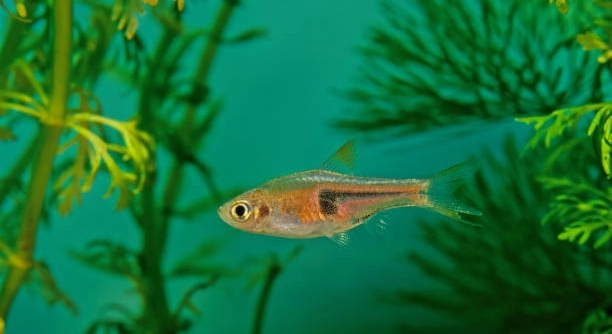
Rasboras are small, peaceful fish that often brighten up any aquarium. Watching them can be relaxing, and their behavior reveals a lot about their comfort and safety in their environment. Observing them carefully helps understand their habits.
When rasboras feel safe, they swim calmly in groups, explore their surroundings, and interact with other fish without fear. They eat regularly, rest confidently, display vibrant colors, and often hover near plants or hiding spots, indicating a secure environment.
Recognizing these behaviors can improve your aquarium setup and ensure your rasboras thrive in a stress-free habitat.
Swimming in Tight Schools
Rasboras often swim close together when they feel safe. In my aquarium, I notice they form tight groups, moving as one. This behavior makes me feel confident they are comfortable in their environment. They rarely stray far from the group, sticking near plants or corners. Their coordinated swimming is not random. Each fish seems aware of the others’ movements. It gives the tank a calm rhythm. I’ve read that schooling reduces stress and keeps them alert without panic. Even during feeding, they maintain this formation, circling together. Watching them, I can tell they trust their surroundings. The way they glide around decorations or rocks shows they feel secure. There is little sudden darting, which usually signals fear. I often use this behavior to gauge if the tank conditions are right. The more synchronized their movement, the more relaxed they appear.
Tight schooling is a clear indicator of comfort and safety in rasboras, reflecting trust in their environment and companions.
Observing their coordinated swimming helps me improve tank layouts and maintain a peaceful aquarium.
Bright Colors and Clear Fins
When rasboras feel safe, their colors brighten, and their fins are fully spread.
Safe rasboras display vibrant, intense colors. Their scales reflect light beautifully, and their fins are never clamped. In my experience, a stressed rasbora often appears dull, hiding behind plants or rocks. Color brightness is a simple but effective sign of well-being. I check my fish daily, noting changes in shade or fin condition. Healthy fish show energy and confidence, swimming openly rather than darting. Fins fully extended indicate relaxation and readiness to interact with their surroundings. The color changes can also signal readiness to feed, showing they are comfortable approaching food. Vibrancy is especially noticeable in natural or well-planted tanks, where the light highlights their patterns. When I notice dullness, I review water quality and feeding habits. This visual cue helps me ensure the fish remain happy and stress-free. Their appearance is a direct reflection of their sense of safety, giving reassurance about the aquarium environment.
Resting Near Plants
Rasboras often rest close to plants when they feel safe. I notice mine linger near leaves, sometimes hovering quietly. This behavior shows comfort. Plants provide a sense of security, letting them relax without constantly swimming. It also reduces stress in a bright or busy tank.
Safe rasboras use plant cover to rest and observe. I often see them hovering just above the substrate, moving only slightly to adjust their position. They don’t hide entirely, which shows trust in the surroundings. The plants give them a gentle shield while allowing them to interact with other fish. This behavior helps them conserve energy while staying alert for any changes in the environment. Regular observation of these resting spots helps me understand which areas of the tank they prefer and ensures plants remain healthy and plentiful for their comfort. It’s fascinating to see their calm and subtle movements.
Resting near plants also helps rasboras feel balanced in their environment. They return to the same spots consistently, showing trust. I’ve noticed that when they feel unsafe, they avoid open areas completely. Their choice of resting zones is a clear sign of how secure they feel. Watching their quiet moments offers insight into their preferences, revealing which parts of the tank are most comforting. Over time, I adjust decorations and plants based on these observations. This creates a more harmonious aquarium where fish can rest confidently and display natural behaviors without fear. Recognizing these patterns is essential for maintaining a healthy, stress-free habitat for rasboras.
Interacting with Tank Mates
Rasboras swim close and follow each other, often nudging gently. I notice mine rarely isolate themselves. This shows comfort and social confidence.
Interaction among rasboras is a sign of safety. I see them coordinating movements, sometimes brushing lightly against one another while exploring the tank. They chase playfully but never aggressively, showing their comfort with companions. This behavior reduces stress and creates a balanced group dynamic. When new fish are added, the existing rasboras often approach calmly, testing the newcomer without fear. Their social engagement includes synchronized swimming, shared feeding spots, and resting nearby. These interactions indicate trust in both the environment and each other. I often adjust tank decorations to allow open swimming spaces, supporting these social behaviors. Observing their connections helps me gauge overall fish well-being. It’s satisfying to watch them thrive together in a calm, safe setting, reinforcing the importance of group harmony.
Exploring the Tank
Rasboras move confidently through the tank when they feel safe. I notice mine swimming around decorations, inspecting corners without hesitation. This shows they trust their environment. Safe fish explore regularly, keeping curiosity active while avoiding signs of stress or panic.
They often investigate new plants or rocks slowly. I watch them circle each item, sometimes hovering nearby before moving on. Their exploration is calm, not frantic, and shows confidence in the tank’s layout.
Feeding Without Hesitation
Rasboras eat readily when they feel secure. In my experience, they approach food calmly and maintain regular feeding patterns. There is no hesitation or sudden darting, which usually signals fear. They accept flakes, small pellets, or live food without struggle, showing confidence. Regular observation of feeding behavior helps me track health and comfort. I adjust feeding times and amounts based on their activity and appetite. When fish feed calmly together, it reflects trust in both their surroundings and the people maintaining the tank. This behavior ensures they get proper nutrition and remain active.
Hovering Midwater
Rasboras often hover in midwater when they feel safe, showing confidence and ease.
FAQ
How can I tell if my rasboras feel safe?
When rasboras feel safe, they show consistent, calm behaviors. They swim in tight schools, hover confidently in midwater, explore decorations, and interact gently with tank mates. Their colors are bright, and fins are fully spread. Feeding is steady, without hesitation. Observing these behaviors daily can help you gauge their comfort level. Safe rasboras rest near plants but do not hide entirely, indicating trust in their surroundings. Any sudden changes, like clamped fins, darting, or hiding, may signal stress or discomfort. Maintaining stable water conditions, a planted tank, and peaceful companions encourages these safety behaviors.
Why do rasboras swim in groups?
Rasboras are naturally social and feel secure in numbers. Schooling reduces stress by allowing each fish to sense safety in the group. I notice mine rarely wander alone, even during feeding. Tight swimming also helps them navigate the tank confidently while keeping an eye on potential threats. When they feel unsafe, the group may break apart or scatter. Providing a suitable number of tank mates ensures they can display this natural behavior fully.
Why do their colors become brighter?
Bright colors are a clear sign of comfort. In my aquarium, when water conditions are stable and stress is minimal, rasboras display vibrant scales. Dull colors often indicate fear or poor water quality. Safe rasboras also extend their fins fully, showing relaxation. Color brightness can signal readiness to feed or interact, which makes monitoring them easier. Adjusting lighting and plant placement can highlight their natural hues and support a stress-free environment.
What does hovering in midwater indicate?
Hovering calmly in midwater shows that rasboras feel secure and confident. I notice mine often remain in the middle levels of the tank, gently adjusting their position without sudden movements. This behavior indicates they are alert but not fearful. Fish that feel unsafe tend to dart to the bottom or hide behind decorations. Midwater hovering also allows them to interact with their school and observe surroundings efficiently. Maintaining proper oxygen levels and water quality supports this relaxed posture.
Why do they rest near plants?
Plants provide a safe area for resting while allowing visibility. I often watch my rasboras hovering quietly near leaves or stems, rarely clinging to the substrate. This behavior reduces stress and gives them a comfortable retreat without complete hiding. Safe fish return to the same resting spots regularly. Ensuring enough plant coverage encourages natural behavior while keeping the tank visually balanced and secure.
How can I encourage safe behavior in my tank?
Providing a stable, well-planted environment is key. Regular water changes, proper filtration, and peaceful companions reduce stress. I also place decorations that create hiding spots and open swimming areas for exploration. Feeding consistently and avoiding sudden disturbances helps rasboras feel secure. Observing their daily habits allows me to adjust the tank layout to suit their comfort. A stress-free environment encourages schooling, bright colors, calm midwater hovering, and confident feeding.
What should I do if my rasboras seem stressed?
Signs of stress include clamped fins, hiding, erratic swimming, or loss of color. I first check water parameters—temperature, pH, and ammonia levels—as these are common stress triggers. Removing aggressive tank mates and ensuring adequate space helps as well. Adding plants or decorations for shelter can immediately improve comfort. Gradual feeding and limiting sudden disturbances also support recovery. Observing their behavior over several days ensures that changes are effective and long-term stress is minimized.
Can tank mates affect rasboras’ sense of safety?
Yes, peaceful companions promote secure behavior. Aggressive or overly active fish may cause rasboras to hide or scatter. In my experience, choosing calm species of similar size supports schooling and relaxed interaction. Safe tank mates allow rasboras to explore, rest near plants, and hover midwater without fear. The overall harmony of the group plays a major role in their well-being.
Do lighting and decoration impact their comfort?
Proper lighting and well-placed decorations are important for security. Too bright or uneven lighting can stress rasboras, while plants and hiding spots help them feel protected. I adjust lighting gradually and arrange plants to allow open swimming spaces. Safe rasboras use these spaces confidently for exploration, resting, and social interaction. Thoughtful decoration enhances both their physical comfort and visual display.
How often should I monitor their behavior?
Daily observation is ideal. I watch swimming patterns, feeding habits, color intensity, and interactions with tank mates. Frequent monitoring helps detect early signs of stress and ensures water and environmental conditions remain optimal. Consistent attention allows me to maintain a safe, stable environment for my rasboras, supporting long-term health and natural behaviors.
Why do they sometimes hover near each other without moving?
This behavior shows comfort and alert relaxation. Rasboras may hover in midwater near their school while remaining still, observing surroundings. I notice this often in quiet tanks with stable conditions. It indicates trust in both the environment and companions. Hovering together like this is a positive sign of safety and social confidence.
Can changes in the tank disrupt their sense of safety?
Yes, sudden rearrangements, new tank mates, or water parameter shifts can stress rasboras. I try to introduce changes gradually, such as adding plants slowly or acclimating new fish over time. Maintaining stability helps them retain normal schooling, feeding, and resting behaviors. Consistency in environment supports their ongoing sense of safety.
How do feeding habits reflect their comfort level?
Rasboras that feel safe eat calmly and consistently. I notice mine swim confidently toward food and share feeding areas with others. Hesitation, hiding, or aggressive food competition often signals stress. Proper feeding routines, appropriate portion sizes, and gentle distribution of food encourage relaxed behavior and a healthy appetite.
What role does water quality play in their sense of safety?
Water quality is crucial. High ammonia, nitrites, or extreme pH changes cause stress and dull colors. I maintain regular water testing, consistent temperature, and gentle filtration to keep conditions stable. Safe rasboras thrive in clean, well-oxygenated water, displaying bright colors, calm swimming, and active schooling.
Do rasboras show different behaviors at night?
Yes, they tend to rest near plants or hover midwater quietly. I notice reduced movement but no panic. Safe rasboras use nighttime hours to rest while staying aware of surroundings. Providing dim lighting or hiding areas encourages calm nighttime behavior, supporting overall health.
How can I improve my tank setup for safety?
Focus on plants, hiding spots, open swimming space, and stable water parameters. I also choose peaceful companions and monitor daily. Safe rasboras benefit from balance—enough shelter to feel secure, space to swim, and consistent conditions to reduce stress. Proper setup encourages natural behavior, bright colors, and social interactions.
What are common signs that rasboras feel unsafe?
Clamped fins, darting, hiding excessively, loss of color, or disrupted schooling are key indicators. I watch for sudden behavior changes after tank adjustments. Recognizing these early allows me to correct water conditions, rearrange the tank, or remove stressors quickly, helping rasboras regain comfort.
How important is tank size for their safety?
Adequate space supports schooling, exploration, and resting behaviors. I provide enough room for midwater hovering and free swimming without overcrowding. Overcrowded tanks increase stress, reduce natural interactions, and limit hiding spots. Safe rasboras need space to move confidently while maintaining social cohesion and comfort.
Can seasonal changes affect their behavior?
Yes, temperature fluctuations and lighting changes can impact comfort. I maintain stable conditions year-round, adjusting heaters and lights gradually. Safe rasboras continue normal feeding, schooling, and resting habits when seasonal changes are managed properly. Sudden shifts may trigger hiding or clamped fins.
Do rasboras react differently to humans when safe?
Yes, they approach calmly and show curiosity. I notice mine swim near the glass during feeding without panic. Safe fish trust their environment, including caretakers, which encourages interaction during feeding or observation. This behavior is a subtle but reliable indicator of comfort and security in the tank.
How long does it take for rasboras to feel safe in a new tank?
It varies but often several days to weeks. I monitor behavior, looking for schooling, feeding confidence, bright colors, and midwater hovering. Providing plants, stable water, and peaceful tank mates accelerates adjustment. Patience and observation ensure they reach a comfortable, secure state.
Can introducing new decorations disturb them?
Yes, sudden changes can trigger stress. I add new items gradually, letting rasboras explore at their own pace. Observing reactions to new plants or rocks ensures they maintain calm behavior. Gradual adjustments support natural exploration while preserving a sense of safety.
Why do rasboras sometimes nibble on plants?
Occasional nibbling is normal and shows curiosity. I notice mine investigate leaves gently, often testing texture or taste. It rarely damages plants and is part of natural behavior. This behavior indicates a relaxed environment where they feel confident exploring freely.
How does water flow affect their sense of safety?
Gentle water flow encourages calm swimming and midwater hovering. Strong currents may stress them, causing hiding or frantic movement. I adjust filters to create steady, manageable flow, allowing rasboras to swim naturally while maintaining comfort and social cohesion.
What tank decorations help rasboras feel safe?
Plants, rocks, and gentle hiding spots are best. I arrange decorations to allow open swimming while providing cover. This balance lets rasboras explore, rest, and interact confidently. Proper decoration supports schooling, midwater hovering, and feeding behavior.
Can stress affect their lifespan?
Yes, chronic stress reduces health, feeding, and coloration. I prioritize stable water conditions, appropriate tank mates, and sufficient space to ensure long-term well-being. Safe rasboras thrive, display natural behaviors, and live longer, healthier lives in a calm environment.
How do I know if my water parameters are optimal?
I test pH, temperature, ammonia, nitrites, and nitrates regularly. Safe rasboras show bright colors, calm swimming, and normal feeding. Maintaining these parameters reduces stress, supports natural behavior, and encourages a secure, thriving community in the aquarium.
What behaviors show social confidence?
Schooling, gentle nudging, coordinated swimming, and shared feeding spots indicate social confidence. I watch my rasboras interact without fear or aggression. Safe fish maintain these behaviors consistently, showing trust in both tank mates and their environment.
Do rasboras ever act differently in planted versus bare tanks?
Yes, planted tanks offer shelter, resting spots, and visual security. I notice my rasboras feel calmer, hover midwater more often, and display brighter colors. Bare tanks may increase stress, causing darting or hiding, even if water parameters are ideal.
Can introducing other fish disrupt their sense of safety?
Aggressive or much larger fish can cause stress, hiding, or disrupted schooling. I choose calm species of similar size to maintain harmony. Safe companions support confident feeding, social interactions, and midwater hovering. Gradual introductions help preserve comfort.
How can I track changes in behavior over time?
Daily observation is key. I note swimming patterns, schooling, feeding, resting, and color intensity. Tracking behavior allows early detection of stress or discomfort, helping me adjust tank conditions and maintain a safe, comfortable environment for all rasboras.
Are there seasonal adjustments for maintaining safety?
Gradual temperature and lighting adjustments prevent stress. I maintain stable conditions and monitor behavior during seasonal shifts. Safe rasboras continue normal schooling, feeding, and resting patterns when changes are managed carefully. Sudden fluctuations can cause darting, hiding, or clamped fins.
What is the most reliable indicator of safety?
Consistent schooling, bright colors, midwater hovering, confident feeding, and gentle interaction with tank mates show security. I use these behaviors as daily checks, ensuring the tank supports natural, stress-free activity for my rasboras.
How can I ensure long-term comfort?
Stable water parameters, peaceful companions, proper tank size, plenty of plants, and gradual environmental adjustments maintain comfort. I observe behaviors consistently, responding to any signs of stress. A balanced, thoughtfully arranged tank ensures rasboras thrive confidently for years.
Do they communicate stress to each other?
Yes, stressed rasboras may dart or hide, influencing others. I notice calm fish help reassure newcomers or returning individuals. Maintaining a safe environment prevents negative chain reactions, supporting a stable, confident group.
How do I adjust feeding for multiple rasboras?
Distribute food evenly to reduce competition. I feed at multiple spots, ensuring each fish eats calmly. Safe feeding encourages healthy growth, supports social harmony, and reflects confidence in their environment.
Can too many decorations be harmful?
Overcrowding with plants or ornaments can restrict swimming and increase stress. I balance open space with hiding spots, allowing safe exploration, resting, and schooling. Proper arrangement encourages natural behavior without overwhelming the fish.
Are there subtle signs of comfort I might miss?
Yes, slight hovering, gentle nudging, or synchronized swimming are positive indicators. I watch these daily, noting consistent calm behaviors. Subtle cues often reveal long-term safety and well-being, even if fish appear quiet or inactive.
Do water temperature fluctuations affect behavior?
Yes, sudden changes can cause hiding, clamped fins, or reduced activity. I maintain a stable range ideal for rasboras. Consistent temperature ensures normal schooling, midwater hovering, feeding, and resting behaviors.
How do I balance open space and hiding spots?
I place plants and rocks to create midwater paths for swimming while offering resting areas. Safe rasboras use both confidently. Proper balance supports exploration, social interaction, and stress reduction, keeping the aquarium calm and harmonious.
Can stress affect breeding behavior?
Yes, unsafe conditions reduce spawning and egg care. I ensure calm tank mates, stable water, and sufficient plants. Safe rasboras exhibit normal breeding activity, including pairing, spawning, and egg protection.
How long should I observe before making changes?
A few days to a week allows patterns to emerge. I monitor schooling, feeding, and hovering. Sudden adjustments without observation can increase stress. Safe rasboras respond positively when changes are gradual and monitored carefully.
Do they react to sudden noises or vibrations?
Yes, loud disturbances may cause darting or hiding. I minimize sudden movement around the tank. Calm handling helps maintain trust in their environment, supporting secure behaviors and confidence.
What role does diet play in comfort?
Proper nutrition supports health and energy for swimming, schooling, and resting. I provide varied food and monitor appetite. Safe rasboras eat confidently, maintaining bright colors and consistent behavior.
Can overfeeding cause stress?
Yes, excess food leads to poor water quality and aggression. I feed controlled portions. Safe feeding routines prevent stress and support natural behaviors like midwater hovering, schooling, and calm exploration.
How do I know if tank mates are compatible?
Observation is key. I watch for peaceful interaction, shared feeding, and normal schooling. Aggressive or dominant species disrupt comfort. Compatible companions support confident, stress-free behavior and harmonious group dynamics.
Does water clarity impact their sense of safety?
Yes, murky or cloudy water can cause hiding or reduced activity. I maintain filtration and perform regular water changes. Clear water encourages exploration, schooling, midwater hovering, and overall confidence.
Are there signs of chronic stress?
Persistent hiding, dull colors, clamped fins, erratic swimming, or poor feeding indicate long-term stress. I address water quality, companions, and tank setup promptly. Safe rasboras show consistent, relaxed behavior.
How do I acclimate new rasboras safely?
I float the bag in the tank, gradually mix water, and introduce them slowly. Safe acclimation reduces shock, encourages schooling, feeding, and midwater hovering. Observing reactions ensures smooth integration.
Can overcrowding disrupt behavior?
Yes, too many fish reduce swimming space, cause competition, and increase stress. I maintain proper stocking density. Safe rasboras maintain schooling, feeding, and resting behaviors in a spacious, balanced environment.
Do rasboras prefer certain plants?
They often rest and explore near broad-leafed plants. I provide a variety to support midwater hovering, hiding, and gentle exploration. Plant choice influences comfort, feeding confidence, and social interaction.
How long do they typically adjust to a new tank?
Adjustment can take several days to weeks. I observe schooling, feeding, and hovering behaviors. Safe rasboras gradually explore and show bright colors once comfort is established.
Do lighting cycles matter?
Yes, consistent day-night cycles support natural behaviors. I use timers for lights to encourage feeding, resting, and midwater hovering. Gradual transitions prevent stress and maintain a safe environment.
Can adding new fish change social dynamics?
Yes, new fish may temporarily disrupt schooling or feeding. I introduce them slowly and monitor interactions. Safe rasboras regain normal behavior once the group adjusts.
How do I recognize subtle stress signals?
Slight fin clamping, hesitation during feeding, or minor color dulling indicate early stress. I adjust water, companions, and environment. Observing these small signs helps maintain safety and comfort.
Are there behaviors that only appear when they feel very safe?
Yes, confident midwater hovering, synchronized exploration, bright colors, and gentle nudging occur only in stress-free conditions. I notice these consistently in my tank when they feel fully secure.
Do seasonal light changes affect behavior?
Gradual light adjustments prevent stress. I maintain stable cycles and observe schooling, feeding, and resting. Safe rasboras continue normal behavior under well-managed seasonal changes.
How do I handle sudden water parameter changes?
Immediate testing and gradual correction prevent stress. I monitor behavior closely. Safe rasboras resume normal schooling, feeding, and hovering once conditions stabilize.
Can tank temperature drops affect behavior overnight?
Yes, sudden drops may cause hiding or clamped fins. I use heaters or insulation to maintain a stable range. Safe rasboras maintain consistent midwater hovering and feeding patterns.
What is the most effective way to ensure ongoing safety?
Stable water parameters, peaceful tank mates, appropriate space, abundant plants, and careful observation support long-term comfort. I monitor behaviors daily, adjusting gradually when needed to maintain secure, healthy, and confident rasboras.
Do they respond differently to varied diets when safe?
Safe rasboras accept flakes, pellets, and live food confidently. I notice they approach all food calmly and share feeding spaces without aggression. Dietary variety supports natural behavior, energy, and comfort.
How do I maintain trust over time?
Consistent care, calm handling, proper feeding, and environmental stability maintain confidence. I observe daily and make gradual adjustments. Safe rasboras continue normal schooling, midwater hovering, feeding, and social interaction.
Can stress behaviors become habitual?
Yes, prolonged unsafe conditions may cause chronic hiding, darting, or poor feeding. I correct water quality, companions, and space
Rasboras are small fish, but their behavior reveals a lot about how they feel. When they feel safe, they swim in schools, explore the tank calmly, rest near plants, hover in midwater, and show bright, vibrant colors. Observing these behaviors helps me understand their comfort level and overall health. Their interactions with tank mates are also telling. Confident rasboras approach each other gently, share feeding spots, and swim together without aggression. When I watch them, it is clear that safety in their environment is essential for natural behavior. A calm and well-maintained tank encourages these habits and reduces stress. Over time, I have noticed that small changes in the aquarium setup, such as adding plants or rearranging decorations, can have a significant effect on how secure they feel. Even subtle shifts in water temperature or light can change their swimming patterns or resting habits. This makes careful observation and consistent maintenance important for keeping rasboras comfortable.
Feeding is another clear indicator of safety. Rasboras that feel secure approach food without hesitation and eat consistently. In my tank, I see that confident fish will gather together for meals without displaying signs of stress, such as darting or hiding. When they are unsure or frightened, they may avoid the food entirely or compete aggressively, which can be a sign of discomfort. Providing a variety of foods, such as flakes, pellets, and live options, helps them stay healthy and active. I have also learned that the location and timing of feeding can make a difference. Offering food in open areas while keeping the water calm allows them to feed naturally and reduces stress. Watching feeding behavior regularly gives me a good sense of which fish are thriving and which may need extra care. It also helps me adjust my care routine to maintain a stable, safe environment for all of them.
Tank setup plays a major role in their sense of security. Plants, rocks, and open swimming areas provide balance between shelter and space for exploration. I place taller plants near corners for resting and mid-height plants for midwater hovering. Decorations create natural hiding spots while leaving room for swimming, which encourages confident and natural behavior. Maintaining clean water, stable temperature, and proper lighting supports bright colors, calm movement, and active schooling. When I ensure that these conditions are consistent, the rasboras spend more time exploring and interacting without signs of stress. Their comfort reflects the quality of care in the tank and shows that simple measures can make a big difference. Over the years, I have realized that attention to small details like water testing, gradual introduction of new tank mates, and observing subtle behavior changes are all important. Safe rasboras are active, social, and vibrant, and creating an environment that supports these behaviors leads to a healthy, balanced, and peaceful aquarium that is enjoyable to watch every day.

Hello,
If you enjoy the content that we create, please consider saying a "Thank You!" by leaving a tip.
Every little bit helps us continue crafting quality advice that supports the health, happiness, and well-being of pets around the world, for pets of all shapes, sizes, and species.
We really appreciate the kindness and support that you show us!