
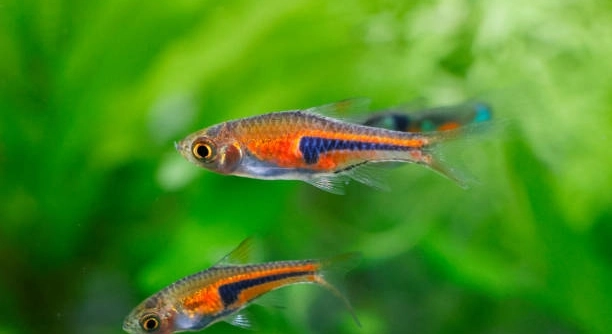
Rasboras are small, peaceful fish often kept in home aquariums. Their behavior at night is quite different from their daytime activity, showing a quieter and more cautious side. Understanding their night habits can help improve their care.
At night, rasboras usually rest near plants or decorations, reduce movement to conserve energy, and become less social. They may also seek shelter to avoid predators, engage in minimal feeding, and display subtle changes in coloration linked to their circadian rhythm.
Knowing what rasboras do after dark helps aquarium owners create a comfortable and safe environment that supports their natural habits and well-being.
Resting Spots and Shelter
Rasboras tend to find quiet, sheltered areas in the aquarium when night falls. They often gather near plants, rocks, or decorations that provide cover. This behavior helps them feel secure and protected. Unlike during the day, when they swim more actively in groups, at night they become more solitary and cautious. These resting spots reduce stress and conserve energy, which is important for their health. Keeping plenty of plants and hiding places in the tank supports their natural instinct to seek shelter. It also mimics their environment in the wild, where safety is essential during low light. Observing where your rasboras rest can give clues about how comfortable they feel in the tank. If they seem restless or avoid certain areas, it might indicate a need for better hiding spots or less disturbance during the night.
Rasboras rely on shelter to feel safe and reduce stress during nighttime hours.
Nighttime shelter is a key part of rasboras’ routine. Providing dense plant cover and natural decorations gives them secure places to rest. This helps lower stress and promotes a healthier environment. It also encourages natural behavior, improving their overall well-being. If your tank lacks sufficient hiding places, rasboras may become anxious or hide excessively during the day. Adding floating plants or leafy stems can create soft, dim spaces. These areas also help break the tank’s light, creating more natural night conditions. Keeping the aquarium in a quiet area with minimal nighttime disturbances further supports their comfort. Proper shelter combined with stable water conditions ensures your rasboras remain calm and healthy through the night and into the day.
Nighttime Feeding and Activity
Rasboras reduce feeding activity during the night and often rest more than feed.
At night, rasboras eat less and move more slowly. Their metabolism slows, so they need less food until daylight returns. In nature, many small fish avoid feeding after dark to lower risk from predators. They use this time to digest food eaten during the day and conserve energy. This natural rhythm helps keep them healthy. Offering food only during daylight hours supports this cycle. Overfeeding at night can cause water quality issues and stress. Watching your rasboras’ behavior at night shows how much energy they save by resting. Maintaining a proper feeding schedule that matches their activity levels will promote longevity and vibrancy.
Rasboras display minimal activity during the night, focusing on energy conservation. Feeding should be limited to daytime to maintain water quality and fish health. Nighttime rest is essential for their digestion and overall well-being. Adjusting care routines to their natural rhythms improves their comfort and reduces stress.
Changes in Coloration
Rasboras often show subtle changes in coloration during the night. Their colors usually become less vibrant as a way to blend into the dim environment. This helps them avoid attention from potential threats.
These color changes are part of their natural adaptation to low light. At night, their bodies reduce brightness, making them appear duller or darker. This shift is controlled by their circadian rhythm and hormone levels. It helps rasboras stay hidden from predators when visibility is low. The less vibrant colors do not indicate illness but rather a normal nighttime adjustment. Understanding this can prevent unnecessary worry when you see your fish looking different in the evening. This temporary change helps them survive and feel secure.
In some cases, if the tank lighting is too bright at night, it may interfere with this natural process. Dimming the lights gradually or using a night-specific low light can help maintain their natural coloration cycle. This small adjustment creates a comfortable environment that respects their natural behaviors.
Social Behavior at Night
Rasboras tend to reduce social interaction after dark, spending more time apart or in small groups. This behavior lowers risk from predators and conserves energy during resting periods.
Although rasboras are schooling fish by nature, their nighttime behavior is more subdued. They do not swim actively in large groups as they do during the day. Instead, they find quiet spots and may rest separately or in pairs. This helps each fish remain alert to any danger while minimizing movement. Nighttime social reduction is typical and not a sign of illness or stress. It’s a survival tactic that balances safety with rest. Providing enough space and hiding places supports this natural behavior, allowing rasboras to feel comfortable and safe even when apart. Observing these shifts in social patterns can help you better understand their needs and maintain a balanced tank environment.
Minimal Movement During Night
Rasboras stay mostly still at night to save energy. This behavior helps them rest and recover from daytime activity.
Reduced movement also lowers their chances of being noticed by predators. It is a natural survival tactic that supports their health and well-being.
Sensory Awareness at Night
Even while resting, rasboras keep their senses alert. They rely on their lateral line system to detect vibrations and nearby movement in the dark.
This heightened sensory awareness allows them to respond quickly if a threat approaches. It ensures they remain safe even during periods of low activity.
Light Sensitivity
Rasboras are sensitive to sudden changes in light. Bright or flashing lights can startle them and cause stress.
Keeping the aquarium lighting stable at night helps maintain calm and supports their natural rest cycle. Gentle, gradual dimming is best.
Nighttime Breathing Rate
Rasboras slow their breathing during rest. A slower gill movement reflects their reduced activity and energy use at night.
Why do rasboras hide more at night?
Rasboras hide more during the night as a natural defense mechanism. Darkness increases the risk of predators, so they seek shelter among plants, rocks, or decorations to feel safer. Hiding also helps them conserve energy and reduce stress. This behavior mimics their instincts in the wild, where nighttime is often more dangerous than daytime. Providing plenty of hiding spots in your aquarium supports this need, helping your fish feel secure and comfortable while resting.
Is it normal for rasboras to change color at night?
Yes, it is completely normal for rasboras to show less vibrant colors at night. Their bodies adjust to lower light by dulling their coloration, which helps them blend into the environment and avoid drawing attention. This change is temporary and controlled by their internal biological clock. If the tank lighting is too bright or sudden, it may interfere with this process, causing stress. Using dim or gradual lighting during the evening supports their natural color changes.
Do rasboras eat at night?
Rasboras generally eat very little or not at all during nighttime. Their metabolism slows down, and they focus more on resting than feeding. In their natural habitat, feeding at night can be risky because predators are more active. It is best to feed them during the day when they are more active and able to digest food properly. Overfeeding at night can lead to poor water quality and stress for the fish.
How can I tell if my rasboras are stressed at night?
Signs of stress in rasboras at night include erratic swimming, excessive hiding during the day, rapid breathing, or loss of appetite. Stress can also show in faded coloration that doesn’t return during the day. Stress often results from poor water conditions, too much light, or lack of proper hiding places. Monitoring their behavior regularly and maintaining stable tank conditions helps prevent stress and keeps your rasboras healthy.
Should aquarium lights be turned off completely at night?
Turning off aquarium lights at night is generally recommended to simulate natural day-night cycles. Rasboras need darkness to rest properly and maintain their internal rhythms. However, some low-level or moonlight LED lights can be used if you want to observe them without disturbing their rest. The key is to avoid bright or sudden lighting changes, which can stress the fish. A gradual dimming schedule works best.
What happens if rasboras don’t get enough rest?
Lack of proper rest can weaken rasboras’ immune systems and increase their susceptibility to illness. Without enough rest, they may become more active at inappropriate times, leading to stress and exhaustion. This can affect their growth, coloration, and overall health. Ensuring a quiet, dark environment during night hours allows them to rest and recharge for the next day’s activity.
Do rasboras communicate at night?
Rasboras reduce social interaction at night but still communicate in subtle ways. They use body movements and positioning to stay aware of each other’s presence while resting. This low-level communication helps maintain group cohesion and alertness. At night, their communication is less active compared to daytime schooling but remains important for safety.
Can nighttime behaviors indicate health problems?
Unusual nighttime behavior such as constant hiding, frantic swimming, or lack of breathing control can signal health issues. Parasites, infections, or poor water quality often affect fish more during rest periods. If rasboras behave abnormally at night, it’s important to check water parameters and observe for signs of disease. Early detection helps address problems before they worsen.
How can I create a better nighttime environment for rasboras?
To support rasboras’ nighttime needs, provide plenty of plants and decorations for shelter. Use dim or gradually dimming lights to mimic natural dusk. Keep the tank area quiet to avoid sudden disturbances. Maintain stable water quality with regular cleaning. Avoid overfeeding and remove leftover food to prevent water pollution. These steps create a calm and safe environment that respects their natural nighttime behaviors.
Do rasboras sleep like humans do?
Rasboras don’t sleep in the same way humans do but enter periods of rest. During these times, they reduce movement and metabolic activity while staying alert to danger. Their eyes remain open, and they can quickly respond to threats. This restful state allows them to conserve energy and recover without becoming fully unconscious. It is an important part of their daily rhythm and health.
Rasboras have simple but important habits at night that help them stay safe and healthy. They tend to rest more, move less, and seek shelter in plants or decorations. These behaviors are natural and help them conserve energy after a day full of swimming and socializing. By understanding their nighttime routine, it becomes easier to provide the right environment that supports their needs. A calm and secure space during the night helps rasboras feel comfortable and reduces their stress levels, which is important for their overall well-being.
Lighting plays a key role in how rasboras behave at night. Their colors often become less bright, which is a normal adjustment to low light conditions. Too much light during nighttime can confuse them and cause unnecessary stress. Gradually dimming aquarium lights or using low-intensity lighting helps maintain their natural day and night cycle. Proper lighting also encourages good sleep patterns, which contributes to their health and longevity. When lighting is matched to their needs, it allows rasboras to rest fully and prepare for the next day.
Providing enough hiding spots and keeping water conditions stable are also essential for nighttime comfort. Rasboras rely on plants, rocks, and decorations to feel safe when resting. If the aquarium lacks these, they may become anxious or restless. Clean water with the right temperature and proper filtration supports their health and prevents illness. Watching how rasboras behave at night gives clues about whether their environment meets their needs. Making small changes to lighting, shelter, or water quality can improve their comfort and help maintain a peaceful tank where they thrive.

Hello,
If you enjoy the content that we create, please consider saying a "Thank You!" by leaving a tip.
Every little bit helps us continue crafting quality advice that supports the health, happiness, and well-being of pets around the world, for pets of all shapes, sizes, and species.
We really appreciate the kindness and support that you show us!