
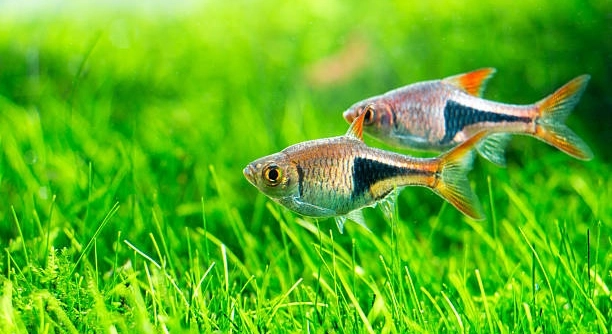
Rasboras are small, peaceful fish that many enjoy keeping in home aquariums. They have specific needs and behaviors that help them stay healthy and comfortable. Understanding what they might be avoiding can improve their care and environment.
Rasboras typically try to avoid poor water quality, sudden changes in temperature, aggressive tank mates, overcrowding, insufficient hiding spots, bright lighting, and loud vibrations. These factors cause stress, which can negatively affect their health and behavior in captivity.
Recognizing these factors can help you create a better habitat for your rasboras. The following details explain what to watch for and how to maintain a calm, safe environment for them.
Poor Water Quality
Poor water quality is one of the main reasons rasboras feel stressed or try to avoid their surroundings. If ammonia, nitrite, or nitrate levels rise, it can harm their health quickly. Regular water testing and changes help keep the water clean and safe. Filtration systems are important, but they need maintenance to work properly. Rasboras prefer water that is slightly acidic to neutral, with stable parameters. Sudden changes or pollution can cause them to hide or swim erratically. It is essential to remove leftover food and waste to prevent water contamination. Keeping the tank clean also supports beneficial bacteria that break down toxins. Avoid overcrowding, which can worsen water quality and increase stress. Monitoring water parameters regularly allows you to catch problems early and act before your fish suffer.
Testing water weekly helps maintain a safe environment. Regular water changes of 20-30% remove harmful substances and keep conditions stable.
Maintaining good water quality is key to healthy rasboras. Use a reliable test kit to monitor ammonia, nitrites, and nitrates. Remove uneaten food promptly and perform partial water changes often. Avoid drastic changes in water chemistry to prevent stress. A clean tank with stable conditions reduces the risk of illness and improves their overall well-being. Keeping water parameters consistent helps rasboras feel secure and behave naturally.
Sudden Temperature Changes
Rasboras are sensitive to quick shifts in water temperature. Sudden drops or rises can cause stress and illness. They thrive best in stable water between 72°F and 79°F (22°C to 26°C). Using a heater with a thermostat prevents fluctuations. Avoid placing the tank near windows or heating vents where temperature can vary. Consistent temperature helps maintain their metabolism and immune system. When introducing new water during changes, make sure it matches the tank temperature closely. Sudden temperature swings often lead to hiding behavior or lethargy in rasboras, signaling discomfort.
Keeping temperature stable helps rasboras stay healthy and active.
Rasboras rely on steady water temperature for comfort and survival. Fluctuations can weaken their immune system and increase susceptibility to disease. It is best to use equipment designed for precise temperature control and to avoid rapid water changes with colder or warmer water. Pay attention to seasonal changes and indoor heating or cooling that may affect the aquarium. Gradual adjustments in temperature are less stressful than sudden shifts. A stable environment supports their natural behaviors, encouraging activity and reducing stress-related problems. Monitoring and maintaining consistent warmth ensures your rasboras live longer and healthier lives.
Aggressive Tank Mates
Aggressive fish cause stress for rasboras by chasing or nipping at them. Rasboras are peaceful and do best with calm, small species.
Choosing tank mates that are similar in temperament helps prevent bullying. Aggressive fish often intimidate or injure rasboras, which leads to hiding or poor health. A crowded tank with incompatible fish increases tension and stress.
Keeping rasboras with peaceful species such as tetras or small gouramis creates a safer environment. Avoid fish known for aggression or territorial behavior. Monitor fish interactions regularly and be ready to separate aggressive individuals. Stress from aggressive tank mates weakens rasboras’ immune system and can shorten their lifespan.
Overcrowding
Overcrowding limits swimming space and increases waste buildup. Rasboras need room to swim freely and hide comfortably. A tank that is too crowded can cause stress and reduce water quality.
Providing enough space per fish helps maintain balance and reduces competition for food and territory. Overcrowding also leads to oxygen depletion and higher ammonia levels, which are harmful to rasboras. A general rule is one inch of fish per gallon of water, but more space is always better. Overstocking makes it harder to keep the water clean and can cause aggression among fish.
Proper stocking prevents stress and health issues. If your tank is too full, consider upgrading or relocating some fish. Regular maintenance becomes more difficult in crowded tanks, so keeping a manageable number of fish ensures a healthier environment for rasboras.
Insufficient Hiding Spots
Rasboras need places to hide to feel safe and reduce stress. Without enough cover, they may stay hidden or become restless.
Adding plants, rocks, or decorations provides necessary shelter. These spots help rasboras feel secure and encourage natural behavior.
Bright Lighting
Bright or constant lighting can stress rasboras. They prefer dimmer, natural light that mimics their habitat. Too much light can make them shy away and reduce activity.
Adjusting light duration and intensity helps create a comfortable environment. Using floating plants or shaded areas also softens the light and gives rasboras options to retreat.
Loud Vibrations
Loud vibrations or constant noise near the tank disrupt rasboras. They may become agitated or hide more often. Quiet surroundings help them stay calm and healthy.
Limiting external noise and avoiding tapping on the glass protects rasboras from unnecessary stress. A peaceful environment supports their well-being.
FAQ
Why do my rasboras hide all the time?
Rasboras often hide when they feel stressed or unsafe. This can be caused by poor water quality, aggressive tank mates, or lack of hiding spots. Sudden changes in temperature or bright lighting may also make them seek shelter. Ensuring a calm environment with stable conditions and enough cover helps them feel secure.
How can I improve water quality for my rasboras?
Regular water testing is essential. Change 20-30% of the water weekly to remove toxins like ammonia and nitrates. Use a good filtration system and clean the tank to prevent waste buildup. Avoid overfeeding, as leftover food pollutes the water. Keeping water parameters stable keeps rasboras healthy and active.
What tank mates are best for rasboras?
Peaceful, small fish are best. Species like neon tetras, danios, or small gouramis usually coexist well with rasboras. Avoid aggressive or territorial fish that might chase or nip at them. Choosing compatible tank mates reduces stress and encourages natural behavior in rasboras.
How important is tank size for rasboras?
Tank size matters a lot. Overcrowding causes stress and poor water quality. Rasboras need space to swim freely and hide comfortably. A general rule is at least one gallon per inch of fish, but bigger tanks are better. Providing enough room supports their health and social behavior.
What temperature is ideal for rasboras?
Rasboras thrive between 72°F and 79°F (22°C to 26°C). Sudden temperature changes cause stress and illness. Use a reliable heater with a thermostat to keep the temperature steady. Avoid placing the tank near windows or vents where temperatures fluctuate. Stable warmth supports their immune system and activity.
How much light do rasboras need?
Rasboras prefer dim or moderate lighting. Too much bright light can cause stress and hiding. Using floating plants or shaded areas softens the light, making the tank feel safer. Keep lighting on for about 8-10 hours a day to mimic natural conditions without overwhelming the fish.
Why do my rasboras act restless or jump?
Restlessness or jumping can be signs of stress or discomfort. It might be caused by poor water quality, aggressive tank mates, or sudden environmental changes. Ensuring stable water parameters, calm tank mates, and enough hiding spots usually reduces this behavior.
How do vibrations affect rasboras?
Loud noises and vibrations stress rasboras, making them hide or behave erratically. Avoid tapping on the glass or placing the tank near noisy appliances. Creating a quiet environment helps them feel safe and healthy.
Can rasboras live with shrimp or snails?
Yes, rasboras usually get along well with peaceful invertebrates like shrimp and snails. They don’t see them as food or competition. However, be sure the tank is large enough and has enough hiding spots for all species to coexist peacefully.
What signs show my rasboras are stressed?
Signs include hiding often, loss of appetite, lethargy, erratic swimming, or faded colors. Stress weakens their immune system and increases disease risk. Addressing water quality, tank mates, lighting, and environment usually improves their condition quickly.
Final Thoughts
Taking care of rasboras involves paying close attention to their environment and behavior. These fish are sensitive to changes and stress, so providing stable water conditions, proper temperature, and a peaceful tank is essential. Regular water testing and maintenance help keep harmful substances in check, which supports their health. Ensuring the tank is not overcrowded allows rasboras enough space to swim freely and reduces stress from competition or poor water quality.
Another important factor is choosing compatible tank mates. Aggressive or territorial fish can cause rasboras to hide or behave nervously. Selecting peaceful species and watching how fish interact helps maintain a calm community. Adding enough plants, rocks, or decorations also gives rasboras places to hide and feel safe. Lighting should be adjusted to avoid too much brightness, which can make them uncomfortable. A well-balanced environment that mimics their natural habitat encourages healthy and natural behavior.
Stress is the main cause behind many health problems in rasboras. Avoiding sudden changes in temperature, loud noises, and vibrations will help keep them calm. Paying attention to these details may seem small, but they have a big impact on the fish’s well-being. Taking the time to create a stable and comfortable home for rasboras allows them to thrive and show their natural beauty. This care leads to a more enjoyable aquarium experience for both the fish and their keeper.

Hello,
If you enjoy the content that we create, please consider saying a "Thank You!" by leaving a tip.
Every little bit helps us continue crafting quality advice that supports the health, happiness, and well-being of pets around the world, for pets of all shapes, sizes, and species.
We really appreciate the kindness and support that you show us!