
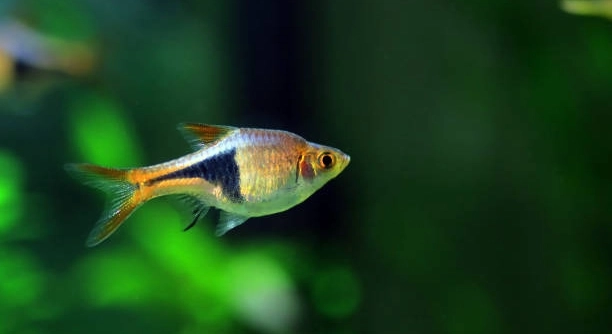
Rasboras are small, active fish that often catch the attention of aquarium enthusiasts. Observing their behavior can reveal subtle clues about their environment and well-being. Understanding what these fish might be investigating helps keep them healthy and happy.
Rasboras explore their surroundings to check for food availability, safety, water quality, social interactions, and potential changes in their habitat. Their investigative behavior is essential for survival and adaptation in both natural and aquarium environments.
Knowing what drives a rasbora’s curiosity can improve how you care for them and create a more comfortable home for these lively fish.
Food Sources and Feeding Habits
Rasboras are always on the lookout for food. In an aquarium, they often investigate areas where food is likely to appear, like the water surface or near plants. Their small size means they need to eat frequently throughout the day to maintain energy. They primarily feed on tiny insects, larvae, and plant matter in the wild, but in captivity, flakes, pellets, and live or frozen foods work well. Watching how they explore for food can help you spot if they are hungry or stressed. If they suddenly stop searching or become less active, it might mean they are not getting enough nutrition or the water conditions are affecting their appetite. Keeping their diet varied and feeding them small amounts several times daily supports their natural behavior and health.
Rasboras use their senses to find food, often investigating floating particles or moving spots in the tank.
By paying attention to their feeding behavior, you can adjust feeding times and types of food to better suit their needs. This also helps prevent overfeeding, which can harm water quality and fish health. A healthy feeding routine promotes natural foraging habits and keeps your rasboras lively and curious.
Safety and Environmental Awareness
Rasboras constantly watch for threats around them to stay safe. They may investigate shadows, sudden movements, or unfamiliar objects to understand if danger is near. In an aquarium, changes such as new decorations, other fish, or sudden noises can trigger this behavior. This vigilance helps them react quickly to avoid predators or stressful situations. Creating a calm environment with plenty of hiding spots reduces their stress and encourages natural exploration. If they appear skittish or hide too often, it might be a sign that they feel unsafe. Maintaining stable water conditions and avoiding sudden changes supports their sense of security and well-being. Observing how rasboras respond to their environment helps keep their tank a safe place where they can thrive.
Social Interactions and Group Behavior
Rasboras often investigate other fish and tank mates to understand social dynamics. They look for signs of aggression, companionship, or competition. This helps them stay safe and comfortable in their group.
Rasboras are schooling fish, meaning they feel more secure when in groups. They use investigation to recognize familiar tank mates and maintain group cohesion. When a new fish is added, rasboras cautiously observe its behavior before fully accepting it. This behavior reduces stress and aggression within the tank. When their social needs are met, rasboras display more natural, active behaviors, swimming together in harmony. Watching their interactions helps you ensure the tank environment supports peaceful group living.
If you notice rasboras isolating themselves or acting aggressively, it may signal stress or imbalance in the group. Adjusting tank mates or improving hiding places can help restore harmony and make your rasboras feel more at ease.
Water Quality and Environmental Changes
Rasboras are sensitive to water conditions and often investigate unusual changes. They explore areas where water parameters might shift, such as near filters or inflows.
Poor water quality can cause stress or illness in rasboras. They may respond by exploring the tank more cautiously or hiding more frequently. Regular water testing is essential to monitor pH, temperature, ammonia, nitrite, and nitrate levels. Any sudden shifts can make rasboras uneasy and trigger investigative behavior as they try to adapt. Keeping water clean and stable supports their health and reduces unnecessary stress. This allows them to focus more on natural behaviors and less on coping with discomfort. Paying attention to their activity levels and changes in exploration patterns helps identify water issues early and prevent problems before they worsen.
Territory and Space
Rasboras sometimes investigate their space to claim small areas within the tank. This helps them feel more secure and organized.
They may swim around specific spots repeatedly or gently chase others away to mark their territory. This behavior is common in crowded tanks.
Reproductive Behavior
During breeding periods, rasboras explore plants and other surfaces to find suitable places for laying eggs. They carefully inspect leaves and decorations to ensure safety for their offspring.
This investigation is important because rasboras prefer to lay eggs on broad leaves or fine plants. Providing these surfaces in the tank encourages natural breeding behavior and increases the chances of successful hatching.
Curiosity and Play
Rasboras sometimes investigate simply out of curiosity or playfulness. They interact with moving objects or reflections in the water.
This behavior is a sign of a healthy, active fish that feels comfortable in its environment.
FAQ
Why do rasboras keep swimming to one spot?
Rasboras may focus on one spot because they are investigating food, safety, or environmental changes. Sometimes, it’s where they expect feeding or where they feel most secure. If the spot has plants, hiding places, or a gentle current, it can attract them repeatedly. Observing this behavior helps you understand their preferences and adjust the tank setup to meet their needs.
How can I tell if my rasboras are stressed?
Signs of stress include hiding excessively, loss of appetite, erratic swimming, or faded colors. Rasboras might also investigate more nervously when stressed, showing hesitation or skittishness. Stress often results from poor water quality, aggressive tank mates, or sudden changes in the tank. Keeping water stable and the environment calm helps reduce stress and supports natural behavior.
Do rasboras recognize their owners?
While rasboras do not form attachments like mammals, they can recognize movement and feeding patterns from their owners. They may swim toward the tank front when they see familiar people, expecting food or interaction. This recognition shows their learning ability but is based mostly on routine rather than emotional bonding.
What does it mean when rasboras nibble on plants?
Nibbling on plants can be part of normal exploration or a sign of dietary needs. Rasboras sometimes taste plants to find additional nutrients or fiber. However, excessive nibbling may indicate a lack of proper food or poor water conditions. Providing balanced food and healthy plants reduces this behavior and keeps the tank environment stable.
Why do rasboras sometimes swim quickly and then stop suddenly?
This behavior is linked to their alertness and curiosity. Quick swimming followed by sudden stops allows them to scan their surroundings carefully. It helps them detect food, threats, or changes in the tank. This pattern is natural and shows their instinct to stay safe while exploring.
How often should I feed my rasboras?
Rasboras do best with small, frequent feedings—two to three times a day. They have fast metabolisms and need constant energy to stay active. Overfeeding can harm water quality, so giving only what they can eat in a few minutes is ideal. A varied diet including flakes, frozen, or live food keeps them healthy.
Can rasboras live alone?
Rasboras are schooling fish and feel safer in groups of at least six. Alone, they often become stressed or shy, which affects their health and behavior. Keeping them in groups encourages natural swimming and social behavior, making them more active and less prone to illness.
What tank conditions do rasboras prefer?
Rasboras thrive in clean, slightly acidic to neutral water with a temperature between 72°F and 79°F (22°C to 26°C). They prefer tanks with plants, gentle water flow, and hiding spots. Stable conditions reduce stress and encourage natural exploration and social behavior.
How do I know if my rasboras are breeding?
During breeding, males may become more colorful and active, chasing females gently. They explore plants and decorations more closely, looking for good egg-laying sites. You might see females laying eggs on leaves or tank glass. Providing fine-leaved plants and a calm environment encourages this behavior.
What should I do if my rasboras seem sick or inactive?
Check water quality immediately, as poor conditions cause illness. Look for changes in behavior like sluggishness, clamped fins, or discoloration. Quarantine sick fish if possible and consult a fish health guide or expert for treatment. Maintaining a clean tank and balanced diet helps prevent most health issues.
Final Thoughts
Rasboras are small but fascinating fish with many behaviors that show how they interact with their environment. Their natural curiosity makes them investigate different parts of the tank, from searching for food to checking for safety. Understanding these behaviors helps in providing the best care for them. When you pay attention to their actions, it becomes easier to notice if something is wrong or if they need changes in their tank. This awareness improves their health and makes them more comfortable in their home.
Creating a good environment for rasboras means keeping the water clean, stable, and at the right temperature. They also need enough space to swim freely and plants or decorations where they can explore or hide. Feeding them a balanced diet and watching how they behave during feeding times gives clues about their health. Rasboras that feel safe and well-fed will show more natural behaviors, like schooling together and playing around. This makes watching them more enjoyable and rewarding.
Finally, rasboras depend on their social groups to feel secure. Keeping them in small groups helps reduce stress and encourages natural swimming patterns. They communicate with each other through their movements and body language, which is part of their daily life. By understanding what rasboras may be investigating, you can better meet their needs and create a peaceful aquarium. Taking these simple steps will help your rasboras live healthy and active lives, bringing quiet beauty and life to your tank.

Hello,
If you enjoy the content that we create, please consider saying a "Thank You!" by leaving a tip.
Every little bit helps us continue crafting quality advice that supports the health, happiness, and well-being of pets around the world, for pets of all shapes, sizes, and species.
We really appreciate the kindness and support that you show us!