
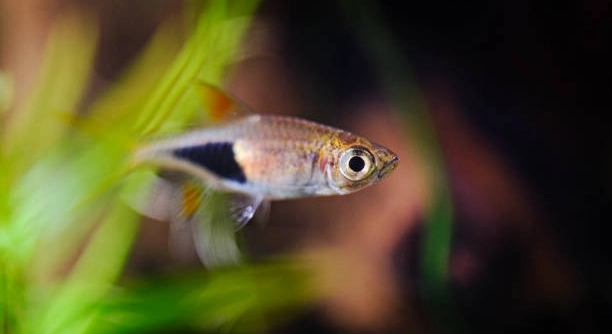
Rasboras are small, lively fish often kept in home aquariums. Like many animals, they can show signs of nervousness through their behavior. Understanding these signs can help aquarium owners provide better care and reduce stress for their fish.
When rasboras feel nervous, they may exhibit behaviors such as darting quickly around the tank, hiding among plants, or staying close to the bottom. These actions are natural responses to perceived threats or changes in their environment, signaling discomfort or fear.
Knowing what rasboras do when nervous can improve how you care for them. Recognizing these behaviors allows you to create a calmer, more comfortable home for your fish.
Rapid Darting Movements
When rasboras are nervous, one of the most noticeable behaviors is rapid darting. They swim quickly and unpredictably around the tank, often moving from one corner to another. This sudden movement is a natural reaction to stress or sudden changes in their environment. It can be triggered by loud noises, sudden lighting changes, or unfamiliar tankmates. These quick bursts help the fish feel like they can escape potential danger. However, constant darting can exhaust the fish and increase stress, affecting their health. It is important to observe these movements carefully and adjust the tank conditions to reduce stressors. Providing plenty of hiding places and maintaining a stable environment can help rasboras feel safer. Watching these movements can give insight into the fish’s overall comfort level and help owners take steps to improve their care.
Rapid darting shows that rasboras are feeling unsafe. This behavior signals that changes in the environment might be stressing them.
Recognizing rapid darting helps you understand when your rasboras are uncomfortable. Adjusting the tank setup or avoiding sudden changes can prevent stress. Creating a calm space with plants and low lighting often reduces this behavior. Keeping the tank peaceful is key to your fish’s well-being and helps maintain their natural behavior patterns.
Hiding Among Plants
Rasboras tend to hide among plants when nervous. This behavior is a protective instinct, offering shelter from perceived threats. It is common for fish to seek cover when feeling unsafe or unsure about their surroundings. Dense plant growth or decorations provide ideal hiding spots where rasboras can feel secure. If the fish spend too much time hidden, it may indicate persistent stress or discomfort. Ensuring the tank environment feels stable and safe helps reduce the need for constant hiding. Providing balanced lighting and gentle water flow also supports their comfort. Observing when and how often rasboras hide can help identify potential stress factors in the tank. Adjustments such as reducing noise or avoiding overcrowding may improve their confidence and reduce nervousness.
Hiding among plants helps rasboras feel protected. This behavior shows their need for a safe environment within the tank.
When rasboras hide often, it usually means they are stressed or uncomfortable. Stress can come from aggressive tankmates, sudden changes, or poor water quality. It is important to monitor tank conditions carefully, ensuring stable parameters and gentle handling. Creating a well-planted tank with quiet surroundings encourages natural behaviors and reduces fear. Providing varied hiding places helps rasboras manage anxiety, improving their overall health. Understanding their need for shelter allows owners to create a better habitat. Reducing stress improves their activity and social interactions, making the tank more enjoyable for both fish and owner.
Staying Close to the Bottom
Rasboras often stay near the bottom of the tank when nervous. This behavior helps them feel less exposed and safer from potential threats. Remaining low can also mean they are trying to avoid attention.
Staying close to the tank bottom is a common stress response in rasboras. The lower part of the aquarium offers shelter and reduces visibility to perceived dangers. This behavior may occur after sudden disturbances or when the fish are new to the environment. It is important to ensure the bottom area is clean and safe, with smooth substrate and no harmful debris. Providing hiding spots nearby can further encourage calmness. If rasboras spend too much time at the bottom, it could be a sign of ongoing stress or illness, requiring attention to water quality and tank conditions.
The tendency to remain low often signals discomfort. Monitoring this behavior alongside other signs helps evaluate the fish’s health. Adjusting the environment and avoiding sudden changes can encourage more natural swimming patterns. It also promotes better activity and social behavior, benefiting the entire tank community.
Flaring Fins and Body Posture
Flaring fins and tense body posture are clear indicators of nervousness in rasboras. These physical changes signal the fish is alert and prepared to respond to stress or threats. The fins spread wider than usual, and the body may appear stiff or rigid.
These physical signs serve as warning signals in fish. When a rasbora flares its fins, it increases its visible size to discourage predators or rivals. The body posture becomes more rigid as a defense mechanism. Such behavior often appears when new fish enter the tank or during sudden changes in lighting or water conditions. Constant fin flaring and stiffness can lead to fatigue and should be minimized by maintaining stable tank environments. Observing these changes allows owners to identify stress triggers early. Providing calm surroundings and compatible tankmates helps reduce nervousness and promotes relaxation.
Recognizing these physical stress signals is key to preventing long-term issues. Adjusting tank conditions to minimize sudden disturbances improves the fish’s comfort. In addition, maintaining good water quality and offering plenty of space supports healthy behavior. Careful observation and timely action ensure rasboras remain calm and healthy in their aquatic environment.
Clustering Together
Rasboras often cluster together when they feel nervous. Staying close in groups helps them feel safer and reduces individual vulnerability. This behavior is common when they sense a threat nearby.
Clustering is a natural defense mechanism. It makes it harder for predators to target one fish, providing safety in numbers. When rasboras cluster tightly, it usually means they are uneasy or stressed. Ensuring a peaceful tank environment helps reduce this behavior.
Reduced Eating
Nervous rasboras may eat less or stop eating altogether. Stress can affect their appetite and overall health. Monitoring their feeding habits is important for their well-being.
Erratic Swimming Patterns
Erratic swimming, including sudden stops and starts or swimming in circles, often indicates nervousness in rasboras. This behavior suggests they are unsettled and trying to cope with stress or unfamiliar conditions.
What causes rasboras to become nervous?
Rasboras can become nervous due to sudden changes in their environment. Loud noises, rapid lighting shifts, or new tankmates may trigger stress. Poor water quality and overcrowding also contribute. When these conditions occur, rasboras feel unsafe and react with nervous behaviors. Maintaining stable water conditions and a calm environment helps reduce nervousness. Providing hiding places and familiar tankmates can also prevent stress.
How can I tell if my rasbora is stressed?
Signs of stress in rasboras include rapid darting, hiding often, staying near the bottom, and clustering tightly. Other indicators are flared fins, tense posture, reduced eating, and erratic swimming. Observing these behaviors together gives a clearer picture of their nervous state. Regular monitoring helps catch stress early, allowing for timely adjustments in tank care.
Can nervousness affect the health of rasboras?
Yes, nervousness can weaken a rasbora’s immune system over time, making them more vulnerable to disease. Constant stress may reduce appetite, stunt growth, and cause lethargy. Chronic nervousness also leads to poor coloration and lower breeding success. Managing stress by improving tank conditions and minimizing disturbances supports overall health and longevity.
What can be done to reduce nervousness in rasboras?
To reduce nervousness, keep the tank environment stable. Avoid sudden changes in lighting or temperature. Provide plenty of plants and decorations for hiding spots. Keep water clean and parameters consistent. Choose peaceful tankmates and avoid overcrowding. Gentle handling during maintenance also lowers stress. Creating a calm, safe space encourages natural behavior and reduces anxiety.
Is it normal for rasboras to hide a lot?
Yes, hiding is a normal response when rasboras feel nervous or threatened. It helps them feel secure. However, if they hide excessively for long periods, it may indicate ongoing stress or poor tank conditions. Ensuring a balanced environment and addressing stressors encourages more activity and confidence in your fish.
Why do rasboras sometimes swim erratically?
Erratic swimming can be caused by nervousness due to sudden disturbances or unfamiliar surroundings. It may also signal water quality issues or illness. When rasboras swim in sudden bursts, circles, or stops, they are trying to cope with discomfort. Checking water parameters and tank setup is important to identify and fix the problem.
How important is water quality for nervous rasboras?
Water quality is crucial for keeping rasboras calm and healthy. Poor water conditions cause stress and nervous behavior. Regular water testing and changes prevent harmful buildup of toxins like ammonia or nitrites. Stable pH and temperature are also important. Clean, well-maintained water reduces stress, allowing rasboras to thrive and behave naturally.
Can tankmates cause nervousness in rasboras?
Yes, aggressive or overly active tankmates can stress rasboras. Fish that chase, nip, or dominate the tank create a threatening environment. Choosing compatible, peaceful species helps reduce nervousness. Observing interactions between fish allows owners to identify problem tankmates and make changes for a more peaceful community.
How long does it take for rasboras to calm down after stress?
The time varies depending on the cause and environment. Some rasboras may calm within hours if conditions improve quickly. Others take days or weeks if stress was severe or ongoing. Consistently stable conditions and minimal disturbances speed recovery. Patience is key when helping nervous fish regain confidence.
Are there signs that indicate serious health issues in nervous rasboras?
Yes, signs like persistent hiding, loss of appetite, faded color, labored breathing, or unusual spots suggest health problems. Nervousness combined with these symptoms may indicate illness. Prompt water testing and veterinary advice are recommended to address possible diseases and improve recovery chances.
Understanding the behavior of rasboras when they feel nervous is important for their care. These small fish show clear signs when they are stressed, such as darting quickly, hiding, or staying close to the bottom of the tank. Recognizing these behaviors early allows owners to make changes that improve the fish’s comfort and reduce stress. A calm and stable environment is essential to help rasboras feel safe and healthy.
Creating the right tank conditions means paying attention to water quality, tankmates, and the overall setup. Keeping water clean and stable supports the fish’s health and helps prevent nervous behaviors. Choosing peaceful tankmates and providing plenty of hiding places with plants or decorations gives rasboras places to retreat. Avoiding sudden changes in light or temperature also reduces stress. These steps create a more natural and comfortable environment that encourages normal behavior and activity.
Taking care of nervous rasboras requires patience and observation. Each fish is different and may respond in its own way to stress. Watching how they act and knowing what to look for helps owners identify problems before they become serious. Adjusting the tank as needed and maintaining consistent care promotes well-being. In the end, understanding rasbora nervous behaviors and responding appropriately helps ensure these fish live a longer, healthier life in the aquarium.

Hello,
If you enjoy the content that we create, please consider saying a "Thank You!" by leaving a tip.
Every little bit helps us continue crafting quality advice that supports the health, happiness, and well-being of pets around the world, for pets of all shapes, sizes, and species.
We really appreciate the kindness and support that you show us!