
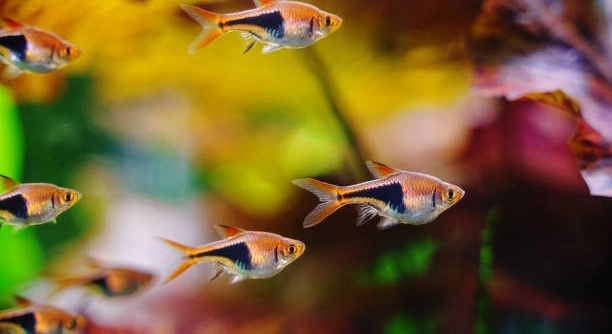
Rasboras are small, colorful fish often found in home aquariums. Their lively movements and social behavior make them enjoyable to watch. Many people notice their playful actions, which add charm to any tank environment.
Rasboras engage in behaviors that appear playful, such as darting quickly, swimming in groups, and exploring their surroundings. These actions serve social and survival purposes but also give the impression of fun and curiosity in their natural habitat.
These simple but lively actions reveal much about their nature. Understanding their behavior can enhance the experience of keeping rasboras as pets. The following details explain seven common playful behaviors seen in these fish.
Quick Darts and Sudden Moves
Rasboras often make quick, darting movements around the tank. These sudden bursts may look like playful energy, but they actually help the fish stay alert to any changes nearby. In groups, these rapid moves can keep the whole school coordinated, making it easier to avoid danger. Watching them zip through the water is a simple way to enjoy their natural behavior. These swift actions also show their healthy energy levels and comfort in their environment. When rasboras are relaxed, their movements are smooth but occasionally broken by these quick darts. This mix of calm and sudden speed creates a lively atmosphere in your aquarium. It’s interesting how such small fish can move so fast with precision. Keeping the tank well-maintained encourages these behaviors because they feel safe and stimulated. The quick darts are both a form of communication and a way to explore their surroundings actively.
The sharp, sudden swimming helps rasboras stay alert and maintain group coordination for safety.
These fast moves are fascinating to watch and reveal how rasboras interact with each other and their environment. They balance playful activity with survival instincts, making them lively companions in any tank setup.
Swimming Together in Schools
Rasboras almost always swim in groups, which is an important behavior for their well-being. Swimming together helps reduce stress and makes them feel safer from threats. This group movement also allows them to communicate silently through body language. The synchronized swimming looks playful but is a survival strategy developed over time. When you see them gliding in unison, it shows their strong social bonds. Schooling also helps them find food and navigate the tank efficiently. If kept alone, rasboras can become shy or stressed, so having a group is essential. Watching a school of rasboras move as one is one of the most calming sights in an aquarium. Their teamwork is a natural defense against predators, even in a safe tank. This behavior highlights their need for companionship and active engagement with their environment.
A school of rasboras swimming together shows strong social interaction and group protection.
Being part of a group makes rasboras more confident and active. Their playful swimming patterns create a dynamic and peaceful atmosphere that can brighten any aquarium. Maintaining a proper group size ensures these fish stay happy and healthy while showing their natural behaviors.
Exploring Their Environment
Rasboras are curious fish that often explore every corner of their tank. This behavior keeps them active and engaged.
Exploring helps rasboras find food and safe spaces. They use their keen senses to investigate plants, decorations, and tank walls. This constant movement shows their alertness and intelligence. It also helps prevent boredom, which is important for their health. When they swim through plants or around rocks, it looks playful but is really about understanding their surroundings. Their curiosity drives them to check every detail of their habitat regularly. This keeps them mentally stimulated and physically fit.
Regular exploration also helps rasboras stay comfortable in the tank. When the environment is enriched with plants or hiding spots, they show more confident and lively behavior. This natural curiosity contributes to their charm and makes watching them more enjoyable.
Gentle Nudge and Interaction
Rasboras sometimes gently nudge each other or other tank mates. This behavior is part of their social interaction.
These nudges can show affection, curiosity, or a way to get attention. It’s their way of communicating without being aggressive. Often, a gentle touch helps keep the group connected. This behavior is important for maintaining harmony in the school. When rasboras swim close and nudge, it shows they feel safe with each other. They rarely use nudges to start fights; instead, it strengthens social bonds. Observing these small touches reveals how much they depend on each other. This interaction reflects their natural need for community and teamwork. Such behaviors make the aquarium feel more alive and personal.
Flicking Their Fins
Rasboras often flick their fins in quick, small movements. This behavior can appear playful and lively.
These fin flicks help with communication and balance in the water. It also signals their mood or alerts others nearby.
Investigating Reflections
Rasboras sometimes react to their reflections on the tank glass. They may approach or even nudge the reflection. This behavior shows their curiosity and recognition of movement. Although they don’t understand reflections as themselves, these moments provide mental stimulation and activity within the tank.
Resting Periods
Rasboras spend part of their day resting, often hovering near plants or decorations. This behavior helps them conserve energy while staying alert.
Why do rasboras swim in tight groups?
Rasboras swim in schools to feel safer and more comfortable. Being in a group reduces stress because they can watch out for each other. This behavior is natural and helps protect them from potential threats. It also encourages social interaction and makes them more active and lively in the tank.
How can I tell if my rasboras are happy?
Happy rasboras usually show bright colors and swim actively in groups. They explore their environment, flick their fins, and interact gently with each other. Calm resting near plants is also normal. If they avoid swimming or hide all the time, they might be stressed or sick.
Do rasboras really play, or is it just instinct?
What looks like play is mostly instinctive behavior linked to survival and social interaction. Their darting, exploring, and fin flicking help them communicate and stay alert. Still, these behaviors add a lively, playful feel that makes watching them enjoyable.
Is it okay for rasboras to interact with other fish?
Yes, rasboras are generally peaceful and get along well with other non-aggressive fish. Their gentle nudging and social swimming can extend to tank mates. However, it’s best to avoid keeping them with aggressive species that might stress or harm them.
Why do rasboras sometimes chase each other?
Chasing is usually part of establishing social order or showing dominance within the school. It’s brief and rarely harmful. However, if chasing becomes constant or aggressive, it might indicate stress, overcrowding, or lack of hiding spots.
How many rasboras should I keep together?
It’s best to keep at least six rasboras in a group. Smaller numbers can make them shy or stressed. A larger group encourages natural schooling behavior, making them more confident and active, which benefits their health.
What tank conditions help rasboras feel safe and active?
Rasboras prefer well-planted tanks with open swimming areas. Stable water temperature and good filtration reduce stress. Adding plants and decorations encourages exploration and resting spots, supporting their natural behavior and overall well-being.
How do rasboras communicate with each other?
Rasboras use body language like fin flicking, nudging, and swimming patterns to communicate. These subtle signals maintain social bonds, show mood, and coordinate movement. Watching these interactions reveals their complex social behavior.
Can rasboras recognize their owners?
While rasboras don’t recognize humans like pets such as dogs or cats, they can become familiar with their owner’s presence. They may swim toward a person who feeds them regularly, associating the human with food and safety.
What should I do if my rasboras stop schooling?
If rasboras stop swimming together, check tank conditions and stress factors. Illness, water quality issues, or improper group size can cause this change. Improving the environment and ensuring a proper social group usually helps restore normal schooling behavior.
Rasboras show many behaviors that seem playful but are part of their natural way of living. Their quick movements, group swimming, and curious exploring all help them stay safe and connected. These actions make them interesting to watch and show how active and social they are. Understanding these behaviors helps aquarists provide better care and create a comfortable home for these small fish. When rasboras are kept in a proper environment with enough company, they display more of these lively actions, which can be enjoyable and rewarding to observe.
Keeping rasboras healthy means paying attention to their needs, like tank size, water quality, and having enough plants or hiding spots. Their playful-looking behaviors often reflect their comfort level. For example, when they swim together smoothly and flick their fins, it usually means they feel secure. On the other hand, sudden aggressive chasing or hiding can indicate stress or illness. Watching their behavior closely allows owners to spot early signs of problems and take action. This care helps rasboras stay active and live longer in home aquariums.
Overall, the playful behaviors of rasboras show how much personality these fish have despite their small size. They are more than just colorful decorations; they have ways of communicating and interacting that make them lively companions. Recognizing and appreciating these natural behaviors can deepen the experience of keeping rasboras. With proper care, they continue to be an engaging and calming presence in any tank, adding life and movement that many fishkeepers enjoy every day.

Hello,
If you enjoy the content that we create, please consider saying a "Thank You!" by leaving a tip.
Every little bit helps us continue crafting quality advice that supports the health, happiness, and well-being of pets around the world, for pets of all shapes, sizes, and species.
We really appreciate the kindness and support that you show us!