
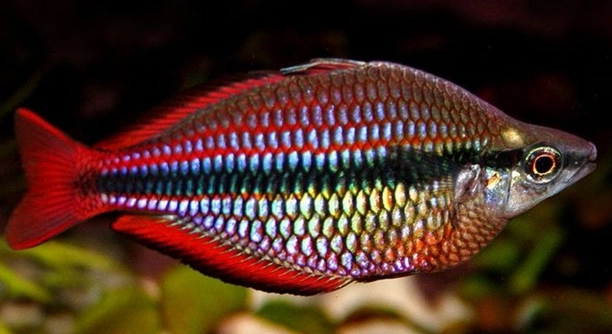
Rainbow fish are beautiful creatures that add color and life to any aquarium. However, they are also curious and will often mistake various objects in their environment for food. Knowing what these fish might mistake for food can help ensure they stay healthy.
Rainbow fish may mistake a variety of non-food objects for food, including small decorations, plants, or even tank equipment. This behavior is driven by their natural instinct to search for food. Such mistaken identity can lead to health issues.
Some common items may attract your rainbow fish’s attention, but they are not edible. By understanding these items and making simple changes, you can prevent these mistakes and promote a healthier environment for your fish.
Small Decorations and Rocks
Rainbow fish are naturally curious, often exploring every nook and cranny of their tank. They can mistake small decorations, pebbles, or rocks for food. The shapes, colors, and movements of these objects might resemble something edible. These objects can easily attract attention, especially if they’re small enough to fit in the fish’s mouth.
While these decorations won’t harm your fish outright, ingesting them can cause issues. Small decorations can become lodged in their throat or digestive system, leading to discomfort or even injury. This is especially true for brightly colored objects that may look similar to worms or other food sources.
To avoid this, try using larger, smooth decorations that won’t easily be confused for food. Removing or replacing small, sharp rocks with safer options is another simple fix. By making these small changes, you can help prevent your rainbow fish from ingesting non-food items, improving their overall health and well-being.
Aquarium Plants
Real plants in an aquarium can be a great addition to your fish’s habitat. However, they might be mistaken for food by your rainbow fish. Some plants, especially those with broad leaves, can resemble algae or other edible sources in the tank.
Rainbow fish are often drawn to plants, nibbling on their leaves or stems. While this isn’t always harmful, it can damage the plants and prevent them from thriving. Over time, this constant nibbling can lead to the plants’ degradation. If your rainbow fish are eating your plants, you may want to consider switching to more robust plant varieties or offering them a proper plant-based diet in the form of algae wafers or plant matter.
Another option is to add fake plants. While this might not provide the same environmental benefits, it can serve as a good distraction, preventing your rainbow fish from nibbling on real plants. Just make sure any fake plants are smooth and free of sharp edges that could harm your fish.
Fish Food Pellets
Rainbow fish can sometimes mistake things other than actual food for food. Fish food pellets can break into tiny pieces and scatter around the tank. These pieces might be mistaken for other edible items, causing the fish to consume them faster than intended.
If you’ve ever noticed your rainbow fish munching on leftover pieces of food, it’s because they’re searching for anything that resembles edible matter. Even small food remnants can cause an overconsumption of nutrients, leading to health problems. This issue can be minimized by carefully controlling how much food is dispensed into the tank.
One way to avoid this is by using a feeding ring or a similar tool that keeps food in a specific area. This prevents it from dispersing throughout the tank and causing confusion. Limiting the amount of food and removing uneaten pieces after a few minutes will help ensure your rainbow fish get just the right amount of nutrition without overindulging.
Aquarium Equipment
Items like filters, heaters, and other tank equipment might be mistaken for food by your rainbow fish. This is particularly common when the equipment moves or creates water currents that resemble the motion of live food.
Rainbow fish are naturally curious and will often explore everything within their environment, including tank equipment. While these items don’t pose an immediate risk to your fish, consistent nibbling on them can cause stress or discomfort. The equipment might also collect algae or other debris that could attract your fish, leading to further confusion.
To avoid this, try to keep the equipment well-maintained and clear of algae. This will reduce the likelihood of the fish associating it with food. You could also consider installing equipment that is designed to minimize movement or is less attractive to curious fish. By doing so, you’ll help keep your fish from nibbling on the wrong things.
Substrate and Gravel
Rainbow fish may mistake small pieces of substrate or gravel for food. This can happen when the particles look similar to small worms or other edible items. When they nibble on the gravel, they might ingest it by mistake.
Ingesting gravel can lead to digestive problems. It’s important to monitor their behavior closely, as this can affect their health. If they consistently try to eat the gravel, you may need to adjust the size of the substrate or switch to a finer material that’s less likely to be confused for food.
Floating Debris
Floating debris in the aquarium might attract rainbow fish, causing them to mistake it for food. Pieces of dust, plant matter, or other small debris can look like floating morsels to them.
To avoid this confusion, it’s important to clean the tank regularly. A good filter system can help keep the water clean and prevent debris from floating around. If you notice your fish trying to eat these particles, it’s best to check for any leftover food or dirt that may have accumulated. Keeping the tank tidy will help your fish focus on actual food.
Brightly Colored Objects
Brightly colored objects in the tank can trick rainbow fish into thinking they are edible. Vibrant hues are often associated with food sources, leading to mistaken attempts to nibble on colorful decorations, plants, or even equipment.
To prevent this, try to use more neutral-colored tank accessories. Avoid using excessively bright decorations or plants that stand out too much. This will reduce the chances of your rainbow fish trying to nibble on items that they shouldn’t. By doing so, you’ll create a healthier environment where they can better differentiate between food and non-food objects.
FAQ
Why do rainbow fish mistake objects for food?
Rainbow fish are curious by nature, and they often investigate anything that moves or catches their attention. Their instinct is to look for food, and this includes anything that resembles it in shape, color, or movement. Things like small decorations or floating debris can easily confuse them into thinking they are edible. Their sharp eyes and quick reflexes drive them to interact with their environment, which sometimes results in them nibbling on non-food items. It’s important to understand that this behavior is natural, but it can lead to digestive issues if not managed carefully.
Can rainbow fish eat aquarium gravel?
Rainbow fish can accidentally ingest small pieces of gravel or substrate if they mistake it for food. Although gravel isn’t typically harmful in small amounts, ingesting too much can cause blockages or digestive issues. If they consistently nibble on the gravel, it may be a sign that they’re searching for food. In this case, it’s best to adjust the size of the gravel to something larger and smoother, which won’t be easily confused with food. Alternatively, you can opt for a different type of substrate altogether, such as sand, which is less likely to cause confusion.
How do I prevent rainbow fish from eating non-food items?
One of the best ways to prevent rainbow fish from eating non-food items is by ensuring their tank environment is clear of objects that might resemble food. Regular cleaning of the tank is essential to remove any floating debris or leftover food that could trick your fish into thinking it’s edible. You can also switch to larger, smoother decorations and substrates, making it harder for your fish to mistake them for food. If the fish continue to nibble on plants or decorations, try adding more food sources to their diet so they are less likely to look for alternatives.
Are fake plants safe for rainbow fish to nibble on?
Fake plants can be a safe alternative if your rainbow fish are nibbling on real plants. They won’t provide the same benefits as live plants, but they offer a safe option that won’t harm your fish. Make sure the fake plants have smooth edges and are made from materials that won’t cause injury. Avoid plants with sharp points or small parts that could break off, as these can pose a choking hazard. Fake plants also help reduce the likelihood of the fish nibbling on them, as they don’t contain any real nutrients.
Is it okay for rainbow fish to eat algae wafers?
Yes, algae wafers are a great supplement to a rainbow fish’s diet. These wafers are rich in plant-based nutrients and provide a good source of fiber. Rainbow fish enjoy nibbling on algae wafers, and they are a safe and healthy food choice when given in moderation. Be sure to remove any uneaten portions of the wafer after a few hours to prevent water contamination. Offering algae wafers along with other food options, such as flake or pellet food, ensures your rainbow fish get a balanced diet.
Why do rainbow fish nibble on aquarium equipment?
Rainbow fish are naturally curious and will often investigate everything in their tank, including the equipment. They might nibble on filters, heaters, or air stones, mistaking them for food sources. This is especially common if the equipment moves or creates water currents that resemble the movement of live food. While the equipment isn’t harmful by itself, continuous nibbling could stress your fish or cause minor injuries. It’s a good idea to check your tank’s equipment to make sure it’s clean and free of algae, which may attract your fish. Additionally, making sure the equipment is securely in place can help reduce any curiosity-driven interactions.
Can rainbow fish mistake fish food for other objects?
Rainbow fish can sometimes mistake floating food for debris or other objects in the tank. For example, fish food pellets that break apart and float around might resemble small particles or algae to them. This can cause confusion and make them eat faster than they should. To reduce this, feed your rainbow fish in a designated area and remove any leftover food within a few minutes. A feeding ring can help keep food in one place, preventing it from scattering around the tank and confusing your fish.
How can I make sure my rainbow fish are eating properly?
To ensure your rainbow fish are eating properly, it’s important to feed them a balanced diet that includes a variety of foods. Offer high-quality fish flakes, pellets, or live food, and supplement their diet with algae wafers or other plant-based food. Make sure not to overfeed them, as uneaten food can lead to water quality problems. Also, monitor your fish’s behavior closely. If they seem overly focused on non-food objects, it might be time to re-evaluate their feeding routine. Regular water changes and maintaining a clean tank will help them stay healthy and properly nourished.
What should I do if my rainbow fish are constantly nibbling on the substrate?
If your rainbow fish are constantly nibbling on the substrate, it’s likely that they are confusing it for food. To prevent this, try switching to a larger type of substrate that is less likely to be mistaken for food. Sand or smooth pebbles are good options. You can also increase the amount of plant matter in the tank or offer more varied food to satisfy their hunger. If they continue to nibble on the substrate, consider reducing the amount of other non-food items in the tank and maintaining a cleaner environment overall.
Do rainbow fish need live plants to thrive?
Rainbow fish don’t necessarily need live plants to thrive, but having live plants in the tank can provide additional benefits. Live plants help improve water quality by absorbing excess nutrients and providing oxygen. They also offer hiding spots, which can reduce stress for your fish. However, if you’re concerned about your rainbow fish nibbling on live plants, you can opt for hardier species that are more resistant to grazing. Alternatively, you can choose artificial plants that won’t attract your fish in the same way as real ones.
Final Thoughts
Rainbow fish are beautiful and vibrant creatures, but they can sometimes confuse objects in their environment for food. This curiosity often leads them to nibble on decorations, plants, and even aquarium equipment. While this behavior is natural, it can cause health issues if they consume things that aren’t meant to be eaten. Over time, this could result in digestive problems or even blockages. Understanding why rainbow fish behave this way and knowing what they might mistake for food can help you take steps to ensure they stay healthy and happy in their tank.
One of the simplest ways to prevent rainbow fish from eating non-food items is by controlling their environment. By removing small, sharp decorations or using larger, smoother substrate, you can minimize the chances of them mistaking these things for food. Keeping the tank clean and free of floating debris will also help reduce the likelihood of them trying to nibble on things that aren’t edible. Additionally, providing a varied diet of high-quality fish food, such as pellets, flakes, or algae wafers, will help keep them satisfied and less likely to seek out alternative food sources.
In the end, taking these small steps can lead to a healthier environment for your rainbow fish. It’s important to remember that they’re naturally curious, and their nibbling habits are a part of their behavior. With the right care and attention, you can avoid these issues while still maintaining an attractive and vibrant aquarium. Whether you choose to add real plants, fake plants, or adjust the tank’s decorations, ensuring that your fish have access to appropriate food will help them thrive in their home.

Hello,
If you enjoy the content that we create, please consider saying a "Thank You!" by leaving a tip.
Every little bit helps us continue crafting quality advice that supports the health, happiness, and well-being of pets around the world, for pets of all shapes, sizes, and species.
We really appreciate the kindness and support that you show us!