
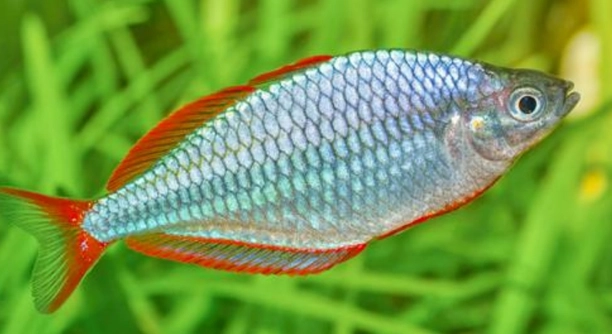
Rainbow fish are fascinating creatures with unique behaviors. As they approach bedtime, they don’t just drift off to sleep right away. Before they rest, these little fish engage in a few interesting activities that help them wind down.
Rainbow fish typically engage in several actions before sleeping, such as foraging for food, adjusting their position in the tank, and seeking shelter. These behaviors help them feel secure and ready for a restful night.
Understanding their pre-sleep routine will give you a deeper appreciation for your rainbow fish’s behavior and needs. It’s a glimpse into their natural instincts and survival habits.
Foraging for Food
Before sleeping, rainbow fish spend some time searching for food. In the wild, they need to stay alert to find their next meal, so even in a tank, they keep this instinct alive. They may nibble on plants, hunt for small insects, or scavenge for leftover bits of food. Foraging is an essential part of their day, helping them get the nutrients they need before settling down for the night.
Rainbow fish have a strong instinct to forage, even when food is plentiful. They are opportunistic eaters, always looking for small snacks throughout the day. This behavior ensures they remain healthy and satisfied.
In a tank, providing enough food is important, but overfeeding can lead to problems. Ensuring there are plenty of hiding spots and plant coverage is also beneficial. This allows the fish to feel secure while they hunt for food, giving them a more natural routine before they sleep.
Adjusting Position
Rainbow fish don’t just settle anywhere before sleeping. They often adjust their position in the tank to find a comfortable place. Some will swim to the surface, while others prefer resting near the bottom. They might change their position multiple times until they find a spot that feels safe.
Choosing a spot to rest is crucial for their comfort. They instinctively look for places where they can hide from potential threats. It’s common to see them swim in small circles before finding their final resting place.
Fish may also change positions depending on the time of day or their level of comfort. During daylight hours, they may stay near plants or decorations. As night falls, they prefer to rest in areas with minimal light. This is a natural behavior to avoid predators and feel safe.
Seeking Shelter
Rainbow fish seek shelter before sleeping, often looking for a safe, secure spot in the tank. They instinctively prefer areas where they can hide from potential predators. Sheltering helps them feel more comfortable as they prepare to rest. In tanks, providing plants and decorations offers a sense of security.
Fish will often seek out corners, plants, or other hiding places to settle down. These spaces allow them to feel protected from potential threats, even if they are in a safe environment. By finding such spots, they reduce stress and feel more at ease.
Having multiple hiding spaces in the tank is key to their well-being. This gives the fish the freedom to choose where they feel safest. Adding plants, caves, and decorations can also help create a more natural and comfortable environment. Ensuring they have options makes them more likely to sleep peacefully.
Resting Together
Rainbow fish sometimes rest in groups. While they may not always stay together, they often choose spots where others are nearby. This behavior provides a sense of safety and companionship. Fish naturally seek comfort in numbers, especially during vulnerable times like sleep.
In the wild, fish form schools for protection, and they often maintain this behavior in tanks. Even in smaller groups, they feel safer with other fish nearby. This instinct to rest together is linked to their survival, as being near others helps them detect potential dangers more quickly.
Providing a tank with enough space for multiple fish allows them to maintain this natural behavior. A well-stocked aquarium with several fish creates a more relaxed environment. Just make sure not to overcrowd the tank, as this can cause stress and disrupt their natural routines.
Swimming in Circles
Before resting, rainbow fish often swim in circles. This behavior helps them wind down and get comfortable. It is a common way for them to adjust their position before settling into a final resting spot. Swimming in circles can also be a way to check their surroundings for safety.
This action isn’t just about movement; it’s part of their instinct to stay alert. By swimming in circles, they can survey the area, looking for potential threats or changes in their environment. It’s a quick way to ensure they are safe before calming down for the night.
Adjusting to Light
Rainbow fish are sensitive to light, and they adjust their behavior based on lighting conditions. As the light dims in the tank, they prepare for rest. This natural response helps them get ready for sleep, knowing that nighttime is approaching. It’s crucial to replicate this cycle in the tank.
Their sensitivity to light is tied to their circadian rhythm. When the lights go out, they feel the change and begin to wind down. Adjusting the light schedule in your aquarium can help keep your fish in a healthy routine, allowing them to sleep peacefully when night falls.
FAQ
Do rainbow fish sleep at night?
Rainbow fish do sleep at night, but their sleep patterns are different from ours. They are more active during the day, foraging and swimming around. As the light fades, they start to slow down and prepare for rest. At night, they find a sheltered spot to sleep, usually in darker areas of the tank. Though they are not deep sleepers like mammals, they still go through periods of rest during the night.
How long do rainbow fish sleep?
Rainbow fish typically sleep for several hours each night, though the exact duration may vary based on their environment. In a well-lit tank with a regular day-night cycle, they usually sleep between 6 to 8 hours. This sleep is not continuous but occurs in intervals, as they remain alert to potential threats.
Do rainbow fish sleep with their eyes closed?
Rainbow fish do not have eyelids, so they can’t close their eyes like humans. Instead, they enter a state of rest where they become less active and more still. Even when resting, their eyes remain open, but they don’t focus on anything. They may hover or stay still in one place for a while before becoming active again.
What do rainbow fish do before they sleep?
Before going to sleep, rainbow fish typically engage in activities like foraging for food, adjusting their position in the tank, and seeking shelter. These behaviors help them prepare for a restful night. In their natural habitat, these actions are part of their survival instincts, allowing them to feel secure and safe before they rest.
Can rainbow fish sleep in groups?
Yes, rainbow fish can sleep in groups. In the wild, fish often sleep together for safety. Being in a group provides protection against predators and offers a sense of security. In a tank, rainbow fish may naturally rest near one another, though they don’t always sleep in close clusters. However, they do feel safer when other fish are nearby.
Are rainbow fish sensitive to light when they sleep?
Rainbow fish are quite sensitive to light, and their sleep patterns are affected by the light in their environment. When the tank lights are on, they remain active, but as the light dims, they prepare for sleep. Mimicking a natural day-night cycle in the tank will help them maintain a healthy rest schedule.
Do rainbow fish need complete darkness to sleep?
While rainbow fish don’t require complete darkness to sleep, they do need a decrease in light levels to signal it’s time for rest. A dimly lit environment is ideal for them to settle down, but total darkness isn’t necessary. However, exposure to light at night can disrupt their natural sleep cycle.
Can rainbow fish sleep in plants or decorations?
Rainbow fish often seek shelter in plants or tank decorations when preparing to sleep. They feel more secure when they can hide or rest in shaded areas. Providing plants or rocks in your aquarium allows them to choose a resting spot that mimics their natural habitat, where they can hide from potential threats.
How can I ensure my rainbow fish sleep well?
To help your rainbow fish sleep well, create a stable day-night cycle with a regular light schedule. Keep the tank environment calm and free of stressors. Make sure there are plenty of hiding spots and plants for the fish to rest in. Additionally, avoid excessive noise or disturbances around the tank to prevent them from being disturbed during their rest periods.
Do rainbow fish need a specific water temperature to sleep?
Rainbow fish prefer a consistent water temperature for both their activity and sleep periods. A temperature range of 72°F to 78°F (22°C to 26°C) is ideal for most species of rainbow fish. Sudden changes in water temperature can cause stress and interfere with their ability to rest properly.
Why do rainbow fish swim in circles before sleeping?
Rainbow fish swim in circles before sleeping as part of their instinctual behavior. It helps them assess their surroundings, check for any potential threats, and adjust to a resting position. This behavior can also be a way to ensure they feel comfortable and safe before settling down for the night.
Is it normal for rainbow fish to be inactive before sleeping?
Yes, it is normal for rainbow fish to become less active as they approach bedtime. They may reduce their swimming speed and behavior becomes more sluggish as they prepare for sleep. This is a natural part of their routine, and it’s their way of winding down before rest.
Do rainbow fish sleep in the same place every night?
Rainbow fish may have a preferred spot for sleeping, but they don’t always rest in the same place every night. They will often change their location depending on their comfort level, the tank environment, or any changes in the lighting or surroundings. Offering multiple hiding spots and plant coverage allows them to choose where they feel safest.
Final Thoughts
Rainbow fish, like many other species, have a distinct routine before they sleep. These behaviors, such as foraging, seeking shelter, and adjusting their position, help them feel secure and ready to rest. While they are not deep sleepers, they still require a peaceful environment to recharge and stay healthy. Understanding these behaviors can help you create a better home for them, ensuring they feel safe and comfortable.
One of the most important aspects of caring for rainbow fish is replicating their natural environment as much as possible. This includes maintaining a regular light schedule, providing plenty of hiding spots, and keeping the tank free from sudden changes that could cause stress. A stable and quiet environment is essential for your fish to get the sleep they need to stay active and healthy during the day. The right lighting, temperature, and tank setup can all make a significant difference in how well your rainbow fish sleep.
In summary, paying attention to the little details in your tank setup can lead to happier, healthier rainbow fish. By ensuring they have access to food, shelter, and a peaceful environment, you are supporting their well-being. Their sleep patterns, while different from ours, are crucial for their overall health and energy levels. So, by respecting their needs and behaviors, you are helping them live their best life in your aquarium.

Hello,
If you enjoy the content that we create, please consider saying a "Thank You!" by leaving a tip.
Every little bit helps us continue crafting quality advice that supports the health, happiness, and well-being of pets around the world, for pets of all shapes, sizes, and species.
We really appreciate the kindness and support that you show us!