
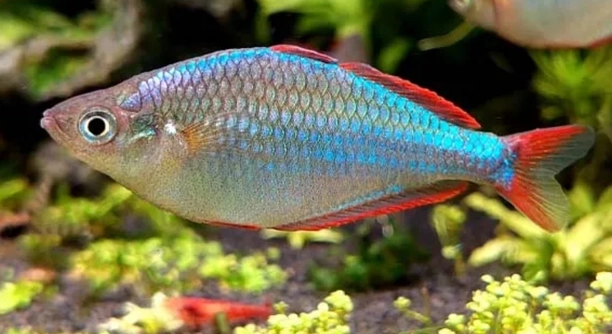
Rainbow fish are colorful creatures that capture the attention of many aquarium enthusiasts. Their bright scales and playful movements often leave us wondering about their behaviors and what they might be curious about in their underwater world.
Rainbow fish, like many species, are naturally curious about their surroundings. They may explore new plants, decorations, or even the movements of other fish. This behavior helps them stay alert to potential threats and discover new food sources.
Understanding their curious nature can help you provide a stimulating environment. With a closer look at their habits, you’ll gain valuable insight into how to create a better space for these beautiful fish to thrive.
What Might Rainbow Fish Be Curious About in Their Habitat?
Rainbow fish are naturally curious creatures. In their habitats, they are always exploring their surroundings. The colors, shapes, and movements in the water keep them engaged and alert. They may explore plants, decorations, and even the boundaries of their tank. This behavior isn’t just for entertainment; it’s also a way for them to stay safe and learn about their environment. By staying active and observant, they can detect any changes that may indicate danger or the presence of food. This constant movement helps them stay in good physical condition as well.
Fish keep themselves entertained by checking out plants or other fish. Their curiosity leads them to check out the smallest details, from bubbles in the water to the movements of other creatures. The more they interact with their environment, the more they understand it.
If you want to create a thriving aquarium for rainbow fish, you’ll need to pay attention to their need for stimulation. Providing new objects, hiding spots, and even different tank mates can keep their curiosity alive. It’s important to balance their need for exploration with their need for peace, ensuring they have plenty of space to swim freely. A happy, curious rainbow fish is likely to be healthier and more active, which will improve its overall well-being.
Are Rainbow Fish Interested in Other Fish?
Rainbow fish are social creatures and do tend to pay attention to other fish in their tank. They may be curious about the behavior, size, and movements of their tank mates.
They are not particularly aggressive but will interact with other fish. Some might swim close, while others will observe from a distance. This social interaction can be influenced by the species they live with. Fish like guppies or tetras often share similar swimming patterns, making them more approachable. However, it’s essential to monitor their interactions to avoid any potential stress or territorial issues. Rainbow fish will interact with species that match their behavior, showing interest through curious movements or peering at the other fish.
In a mixed-species aquarium, providing enough space for each fish to swim freely and without stress is key. If the rainbow fish feel crowded, it could lead to unnecessary competition, which might affect their well-being. Balancing tankmates and ensuring each fish feels safe and able to explore is crucial for a healthy, happy aquarium.
Do Rainbow Fish Show Curiosity Toward Food?
Rainbow fish are constantly curious about food. Their keen sense of smell and vision helps them locate potential meals. They will eagerly swim towards food sources, watching closely to see if it’s something they can eat.
This curiosity toward food is essential for their survival in the wild, where they need to identify different food types. In an aquarium, they may approach their food with excitement, circling it before eating. This behavior can also help you understand their feeding habits and preferences. They may prefer live or frozen food, but they will also accept flakes or pellets if these are offered consistently.
It’s essential to observe their response to different foods, as it can help you tailor their diet to meet their specific needs. Rainbow fish are more likely to eat when they feel curious and safe. Offering varied foods at different times can help stimulate their curiosity and encourage more active feeding. This helps keep them healthy and content.
How Do Rainbow Fish React to Tank Changes?
Rainbow fish are highly observant and respond quickly to changes in their tank. Whether it’s a new decoration or a shift in water parameters, they will notice and sometimes alter their behavior.
They may become more cautious or show increased swimming activity as they assess the new situation. New plants or tank ornaments can trigger a period of exploration, where the fish swim around these items to check for food or potential hiding spots. However, if changes in water temperature or water quality occur, the fish may show signs of stress, such as reduced activity or hiding.
Ensuring gradual changes to the environment can help prevent unnecessary stress. Moving decorations slowly or adjusting water conditions gradually gives the fish time to adapt. This approach allows their natural curiosity to stay engaged without overwhelming them. By paying attention to their reactions, you can help maintain a balanced and stable habitat where rainbow fish feel comfortable exploring.
Do Rainbow Fish Like to Explore Their Tank?
Rainbow fish are naturally inclined to explore their tank. They swim around the entire aquarium, showing interest in new objects and changes in their environment.
This behavior is part of their instinct to stay alert and gather information. They might check out plants, tank decorations, or even the tank’s filter. The more varied the environment, the more they’ll explore.
How Can You Keep Rainbow Fish Stimulated?
Keeping rainbow fish stimulated involves providing a varied environment. They enjoy hiding spots, plants, and areas to explore. Rotating decorations or introducing new plants can encourage them to move around and stay active.
They also benefit from having tankmates to interact with. Fish that match their energy level keep them socially engaged. Additionally, adding different textures or objects in the tank will appeal to their curiosity. Regular changes to the environment can help prevent boredom and encourage natural behavior, leading to a healthier, happier fish.
Can Rainbow Fish Recognize Their Owners?
Rainbow fish are not known to form deep bonds with humans, but they can recognize regular feedings and the person who feeds them. They may swim toward you or gather near the feeding area when you approach.
FAQ
Do rainbow fish prefer calm or fast-moving water?
Rainbow fish generally prefer calm water, though they do enjoy some gentle movement. In the wild, they typically live in slow-moving streams or ponds, where the water is not too turbulent. In an aquarium, moderate water flow is ideal. If the current is too strong, they may feel stressed or have trouble swimming. Gentle filtration systems or air stones can provide light water movement, which keeps them comfortable while still encouraging natural behavior.
How do I know if my rainbow fish are happy?
Happy rainbow fish are active and engaged with their environment. They’ll swim throughout the tank, exploring plants, decorations, and interacting with other fish. Healthy rainbow fish have bright colors and clear, unclouded eyes. If they’re hiding for long periods or staying still, they may be stressed, bored, or unwell. A relaxed, active swimming pattern indicates they are in good health and feel secure.
Can rainbow fish live with other species?
Yes, rainbow fish can live with many other species, especially those that share similar water conditions. They tend to do well in community tanks with peaceful fish like tetras, guppies, and danios. However, it’s important to avoid overly aggressive species that might bully them. Also, ensure that all tankmates are of similar size to prevent any one fish from feeling threatened or outcompeted for food.
What is the best tank size for rainbow fish?
Rainbow fish are active swimmers and need plenty of space. A minimum tank size of 30 gallons is recommended for a small group. This allows them to swim freely without feeling cramped. Larger tanks are even better, especially if you plan on keeping multiple species or other active fish. A larger tank also helps maintain more stable water conditions, which is crucial for their health.
How often should I feed rainbow fish?
Rainbow fish should be fed 2-3 times a day. It’s important to offer them small amounts of food they can consume within a few minutes to avoid overfeeding. You can vary their diet with flakes, pellets, and occasional live or frozen food like brine shrimp or daphnia. A balanced diet helps maintain their colors and overall health.
What water conditions do rainbow fish need?
Rainbow fish thrive in slightly acidic to neutral water with a pH of around 6.5 to 7.5. The water temperature should be between 72°F and 80°F (22°C to 27°C). They prefer soft to moderately hard water, but they can adapt to a range of conditions. Regular water changes are important to maintain good water quality and prevent any issues like algae buildup or harmful toxins.
How long do rainbow fish live?
Rainbow fish generally live for 3 to 5 years in captivity, though some species can live even longer with the proper care. Factors like tank size, water conditions, diet, and general health care can all affect their lifespan. A well-maintained tank with regular water changes and a balanced diet will help them live a longer, healthier life.
Do rainbow fish need a lot of light?
Rainbow fish do not require intense lighting, but they do benefit from a consistent light cycle. A 10-12 hour light period mimics natural day and night cycles, which can help keep them healthy and active. However, it’s important to avoid leaving the lights on too long, as this can lead to algae growth and stress for the fish.
What’s the best substrate for rainbow fish?
Rainbow fish are not particularly fussy about substrate, but they do prefer soft, smooth surfaces. Gravel or fine sand is suitable, but make sure it’s not too sharp, as this could harm the fish. Plants can be added to the substrate to create hiding spots and encourage natural behavior. A well-planted tank with plenty of hiding spots is ideal for their well-being.
How do rainbow fish breed?
Rainbow fish breed in pairs, with males often displaying more vibrant colors to attract females. When they’re ready to breed, the female will lay her eggs in plants or other surfaces. The male will fertilize them afterward. If you’re planning to breed them, ensure that the water conditions are perfect and that the tank has plenty of plant cover for egg-laying. Once the eggs hatch, the fry can be fed tiny food particles like infusoria until they are large enough for regular fish food.
Do rainbow fish get along with shrimp?
Rainbow fish are generally peaceful toward shrimp but may eat very small or juvenile shrimp, especially if they’re hungry or feel curious. Larger shrimp, like Amano or cherry shrimp, are less likely to be targeted. To protect smaller shrimp, ensure they have plenty of hiding spots or a separate breeding tank. You may also want to consider keeping only mature, larger shrimp species with rainbow fish.
Can rainbow fish be kept in a planted tank?
Yes, rainbow fish thrive in planted tanks. They enjoy swimming through plants and use them for shelter or hiding spots. Live plants improve water quality by absorbing excess nutrients and providing oxygen. Ensure that the plants are well-established, and consider adding hardy species like Java Fern or Anubias, which are easy to maintain and can withstand the fish’s activity.
Final Thoughts
Rainbow fish are vibrant and curious creatures that can bring a lot of life to your aquarium. Their active nature and colorful appearance make them a joy to watch. By understanding their natural behaviors and preferences, you can create a better environment for them to thrive. These fish need plenty of space to swim, as well as opportunities to explore their surroundings. Providing a variety of decorations, plants, and even tankmates can help keep their curiosity satisfied and make them feel at home in your tank.
It’s also important to keep an eye on the water conditions in your aquarium. Rainbow fish do best in clean, stable water with proper temperature and pH levels. Regular water changes and proper filtration can help maintain a healthy environment for both your fish and the plants in your tank. If you notice any changes in their behavior, like hiding or reduced activity, it could be a sign that something is wrong with the water quality or tank setup. Addressing these issues early will help ensure your rainbow fish remain healthy and active.
Overall, rainbow fish are relatively easy to care for, as long as their basic needs are met. With the right tank setup, a balanced diet, and proper tankmates, they will live a long and happy life. Their curiosity and bright colors will continue to bring joy to your home, making them a wonderful addition to any aquarium. By observing their behavior and adjusting their environment as needed, you can create a space where they can fully enjoy their natural curiosity and thrive.

Hello,
If you enjoy the content that we create, please consider saying a "Thank You!" by leaving a tip.
Every little bit helps us continue crafting quality advice that supports the health, happiness, and well-being of pets around the world, for pets of all shapes, sizes, and species.
We really appreciate the kindness and support that you show us!