
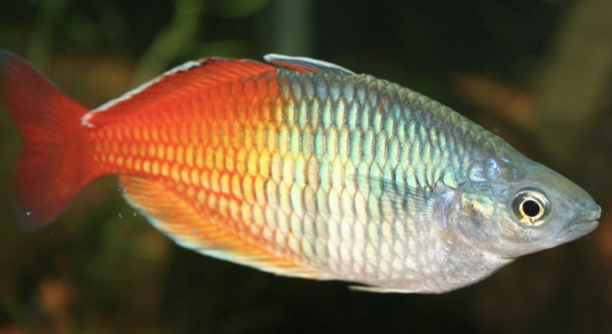
Rainbow fish are known for their vibrant colors and active nature. Watching them explore their surroundings is a fascinating experience. They exhibit various behaviors that reveal much about their curiosity and adaptability. These actions are unique to their species.
Rainbow fish display distinct behaviors when exploring their environment. They actively swim around, interacting with objects, other fish, and their surroundings. This exploration helps them establish territory, find food, and engage in social interactions, showcasing their natural curiosity.
Exploring is essential to a rainbow fish’s behavior. Their actions highlight their adaptability and interaction with their environment.
How Rainbow Fish Use Their Colors to Communicate
Rainbow fish are often admired for their vibrant colors, but these hues serve more than an aesthetic purpose. Their bright colors play a significant role in communication, particularly when interacting with other fish. Male rainbow fish, for example, display intense coloration during mating season to attract females. These colors also help assert dominance among males, establishing hierarchy within their territory. In some species, the brightness of their color can signal health and vitality, making them more attractive to potential mates. Additionally, the colors can serve as camouflage, blending with the environment to avoid predators. Understanding the function of these colors adds depth to observing rainbow fish behavior in aquariums or the wild.
Their color displays not only show off their health but also help establish a territory. The intensity of the color is a clear indicator of a fish’s overall condition and fitness, especially during competition for resources or mates.
Rainbow fish use color to signal various messages. They engage in this form of communication daily, helping with mate selection, territory defense, and social interactions. These signals play a key role in their survival and reproduction.
How Rainbow Fish Interact with Their Environment
Rainbow fish are naturally curious creatures. They constantly explore their surroundings, swimming around plants, rocks, and other objects in the aquarium. This exploration is not just for entertainment; it is essential for their survival. By interacting with their environment, rainbow fish learn where to find food and where to hide from potential threats. Their instinct to explore also leads them to establish territories, especially when other fish are present.
This constant exploration provides them with opportunities to refine their skills, such as finding the best hiding spots or identifying food sources. It’s a crucial part of their daily routine, keeping them active and engaged.
How Rainbow Fish Use Their Fins to Navigate
Rainbow fish rely heavily on their fins for movement and navigation. Their pectoral fins are particularly important, providing stability and control as they swim. These fins allow them to make quick turns and adjustments to their direction, especially when avoiding predators or maneuvering through tight spaces. Their caudal fins also play a key role in propulsion, helping them maintain speed and direction while swimming.
The pectoral fins work in coordination with other fins, such as the dorsal and pelvic fins, to maintain balance. Rainbow fish use these fins to glide gracefully through the water, making rapid, precise movements. Their ability to navigate effectively makes them agile swimmers in both natural and captive environments.
When a rainbow fish swims, it moves in a fluid motion, thanks to the combined efforts of its fins. The fins allow them to control their pace, making them well-suited for navigating complex environments, from dense underwater plants to open water. This agility is vital for both hunting and evading threats.
How Rainbow Fish Protect Their Territory
Rainbow fish are territorial by nature. They establish boundaries within their environment, often defending specific areas from other fish. This behavior is especially common during mating seasons or when resources such as food are limited. By marking their territory, they reduce the chance of conflict and increase their chances of survival.
Their territorial behavior includes chasing away intruders or showing aggression toward other fish that venture too close. These interactions can range from mild displays of dominance to more intense physical confrontations. In an aquarium, this behavior can be observed when they defend their chosen spots from other species or even other rainbow fish.
Maintaining their territory is important for their well-being. By controlling access to certain areas, rainbow fish ensure they have a stable food source and a safe space to rest. Territoriality helps reduce stress and provides them with a sense of security, making it a vital aspect of their behavior.
How Rainbow Fish Seek Out Food
Rainbow fish are opportunistic feeders. They explore their environment to find small food particles, algae, and other suitable sources of nutrition. They often graze on plants or search for live food in the substrate. Their sharp sense of sight helps them identify food from a distance.
During feeding time, rainbow fish will be quick to investigate any movement in the water. They are often seen darting toward food, showing their excitement. Their exploration habits ensure they are well-nourished, as they are always on the lookout for their next meal.
The Role of Color in Exploration
The vibrant colors of rainbow fish play a role in their exploration. Their bright hues attract mates and signal to other fish in the area. The colors also help them blend into their environment when necessary, providing camouflage from predators. This dual purpose helps them thrive in diverse settings.
By using their colors effectively, rainbow fish navigate and communicate in their environment. The interaction of light and their scales makes them noticeable but also offers protection in certain situations. Their colors allow them to communicate with others and avoid danger in the wild.
Swimming Patterns of Rainbow Fish
Rainbow fish have unique swimming patterns that aid in their exploration. They alternate between slow, steady movements and bursts of speed. This allows them to cover large areas of the tank or aquatic habitat. The varied swimming style helps them investigate every part of their environment.
The rhythm of their swimming also allows them to adapt quickly to changes. Whether avoiding danger or seeking out food, their swimming patterns support their ability to explore effectively. Their ability to switch speeds ensures they are always prepared to respond to new stimuli in their environment.
FAQ
What do rainbow fish eat when exploring?
Rainbow fish are omnivores, which means they will eat a variety of foods while exploring. In the wild, they consume algae, small invertebrates, and plant matter. In an aquarium, they will readily eat fish flakes, pellets, and live or frozen foods like brine shrimp and daphnia. They are not picky eaters and will explore all areas of their tank, looking for food sources in plants, the substrate, and even along the tank walls.
Their curiosity drives them to search for new food sources. They use their sharp vision to spot small particles or moving organisms, helping them stay well-fed. Regular exploration ensures that they take in a balanced diet and remain active.
How do rainbow fish communicate with each other during exploration?
Rainbow fish communicate primarily through body language. They use their fins, posture, and swimming patterns to signal to each other. While exploring their surroundings, they may display dominance through rapid swimming or chasing, especially when defending territory or competing for food. They also communicate by maintaining close proximity to others, especially when swimming in schools.
Their colors also serve as a form of communication. Bright colors can indicate readiness to mate, while more muted tones might suggest caution or stress. By constantly changing their position and movement, rainbow fish convey messages to their peers about safety, food, and potential threats.
Are rainbow fish territorial?
Yes, rainbow fish can be territorial, especially during mating seasons or when food is scarce. They establish boundaries within their environment, often defending specific areas from other fish. In an aquarium, this behavior is common when rainbow fish feel the need to protect a particular hiding spot, feeding area, or breeding site.
During exploration, they will patrol these areas, chasing away intruders or engaging in displays of aggression. However, rainbow fish are not typically aggressive towards other species unless they feel threatened. Their territorial behavior is generally more pronounced when competing with other rainbow fish or similar-sized species for resources.
How do rainbow fish navigate their environment?
Rainbow fish rely on a combination of instincts and physical traits to navigate their environment. Their strong sense of sight is their primary tool for finding food and avoiding danger. Their fins also play a critical role, helping them maintain balance and make quick adjustments as they explore.
They rely on their ability to quickly change direction, moving through plants and other structures with ease. Rainbow fish are also responsive to changes in light, temperature, and water movement, using these environmental cues to adjust their exploration behavior. Their rapid swimming speed allows them to cover large areas, ensuring they stay familiar with their environment.
Why do rainbow fish explore different areas of the tank?
Rainbow fish explore different areas of their tank for several reasons. Primarily, they are searching for food. Their constant movement helps them locate the best feeding spots, especially if they are kept in an environment with live plants or other hiding places that may harbor food sources.
They also explore to establish their territory and socialize with other fish. This behavior helps them find suitable areas to rest or hide when necessary. Exploring allows them to stay active, mentally engaged, and physically healthy, as it encourages natural behaviors like swimming, foraging, and interacting with tank mates.
Do rainbow fish need a lot of space to explore?
Rainbow fish are active swimmers and require ample space to explore. A tank that is too small can limit their movement, leading to stress and even aggression. Ideally, rainbow fish should have a tank of at least 30 gallons if kept in groups. This provides enough room for them to swim freely and explore their environment without feeling cramped.
Larger tanks also allow for a more diverse environment with plants, rocks, and other features that encourage exploration. Having plenty of open swimming areas is essential for their well-being, as it gives them the freedom to move around and engage in their natural exploratory behavior.
What are the signs that a rainbow fish is stressed during exploration?
While exploring, stressed rainbow fish may display several signs. They might swim erratically or pace back and forth in the same area of the tank. If they seem to be avoiding other fish or hiding for long periods, it may indicate stress. Additionally, their colors might become dull, a common sign of discomfort or illness.
Rainbow fish that are stressed may also stop eating or show a lack of interest in exploring. Aggression or excessive hiding from other tank mates could indicate that they are not comfortable in their environment. Maintaining a well-balanced tank with suitable water conditions is key to preventing stress and encouraging healthy exploration.
How can I improve the environment for rainbow fish to explore?
To enhance the environment for your rainbow fish, consider providing a variety of hiding spots, plants, and structures that encourage natural behavior. Live plants offer not only shelter but also opportunities for foraging and grazing. Rocks, driftwood, and other decorations create additional areas for exploration and territorial claims.
It’s also important to maintain stable water conditions, including temperature, pH, and water quality. Rainbow fish prefer slightly acidic to neutral water, with temperatures ranging from 75 to 80°F. Regular water changes and filtration ensure a healthy habitat, which supports their exploratory nature.
Final Thoughts
Rainbow fish are fascinating creatures, constantly exploring their environment. Their natural curiosity drives them to search for food, interact with tank mates, and patrol their territory. This behavior is vital for their well-being, as it helps them stay active and engaged in their surroundings. Their ability to swim with agility and make quick directional changes is essential to their survival in both the wild and in aquariums. Observing these behaviors can provide insights into their needs and preferences, allowing for a better understanding of their habits.
Providing an environment that supports exploration is key to their health. Rainbow fish thrive in spaces where they have room to swim, hide, and forage. A well-planted tank with rocks, driftwood, and open areas encourages natural behaviors. Having multiple hiding spots and different textures in the tank allows them to feel secure and reduces stress. In return, they will explore the tank more freely, making use of all available space. This leads to a healthier and more active fish, improving the overall aquarium experience.
Maintaining proper water conditions is another important factor in ensuring their exploratory behavior is not hindered. Stable temperature, pH, and water quality are crucial to keep rainbow fish comfortable. Regular water changes and proper filtration help prevent water contamination, which could cause stress and disrupt their natural behaviors. By offering a stable and enriched environment, rainbow fish can continue to thrive and exhibit their fascinating explorative habits, enhancing the beauty of any aquarium.

Hello,
If you enjoy the content that we create, please consider saying a "Thank You!" by leaving a tip.
Every little bit helps us continue crafting quality advice that supports the health, happiness, and well-being of pets around the world, for pets of all shapes, sizes, and species.
We really appreciate the kindness and support that you show us!