
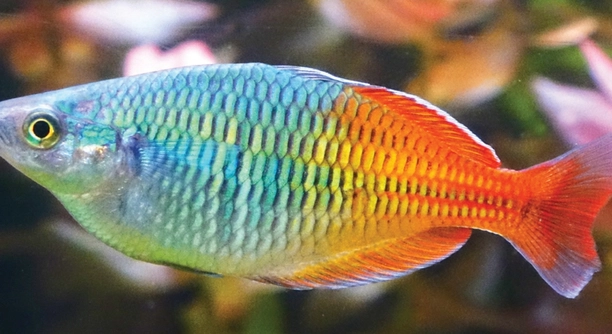
Rainbow fish are fascinating creatures that exhibit unique behaviors, some of which might seem like acts of love. Their interactions with each other are complex and captivating, often leaving us wondering about the emotions behind their actions.
Rainbow fish demonstrate various behaviors that resemble love, including courtship rituals, physical closeness, and protection. These actions help form bonds, enhance mating success, and establish a sense of security within their environment, suggesting emotional connections.
Understanding these behaviors gives us a glimpse into the lives of rainbow fish and the possible reasons behind their affectionate actions. Their fascinating habits go beyond just survival, revealing deeper social and emotional layers.
Courtship Rituals: The Dance of Attraction
Rainbow fish are known for their intricate courtship displays. These rituals involve specific movements and color changes to attract a mate. The males often flaunt their bright, vibrant colors while swimming around the females in tight, synchronized circles. This behavior is not just about showing off; it’s a way of signaling fitness and readiness for reproduction. During these displays, males may dart in and out of the female’s line of sight, often performing energetic, acrobatic jumps.
These courtship rituals aren’t limited to one species but are common among many rainbow fish. They help ensure that only the most attractive and healthiest mates are chosen. The males’ flashy colors and dramatic movements serve to highlight their vigor, which is essential for a successful mating bond.
By performing such rituals, rainbow fish strengthen their pair bonds and set the stage for mating. These displays help form lasting connections between partners and ensure genetic diversity within the population. It’s not only about attraction but also about survival and thriving as a species.
Physical Closeness and Bonding
Rainbow fish often engage in physical closeness, swimming together in tight schools. This behavior promotes a sense of safety and security. The proximity allows for stronger social bonds among individuals.
Physical closeness also plays a role in protecting one another from predators. By staying close to their peers, rainbow fish reduce the risk of being singled out and increase their chances of survival. In some species, this behavior extends to mating, where partners stay physically close to ensure mutual protection. This kind of bonding is crucial for the overall well-being of the group.
Being together not only strengthens individual relationships but also boosts the overall stability of the entire group. By staying close and working together, rainbow fish ensure that they can thrive in a competitive environment. Their physical closeness isn’t just about safety but a natural part of their social structure.
Protective Behavior Toward Offspring
Rainbow fish show strong protective behaviors when it comes to their young. The parents often guard their nests, staying close to their eggs or fry to keep predators at bay. This instinctive action ensures the survival of their offspring and helps them grow stronger.
During this protective phase, rainbow fish will often chase away any threats that get too close. Whether it’s a predator or even another fish trying to get into the nest, the parents will act quickly to safeguard their young. This protection is a critical part of their parenting strategy, as the survival of the offspring is crucial for the continuation of the species.
In some species of rainbow fish, both males and females share the responsibility of guarding their eggs and fry. This joint effort enhances the chances of the young surviving long enough to grow and reproduce themselves. The mutual care of offspring builds a strong foundation for future generations.
Shared Feeding Habits
Rainbow fish often engage in communal feeding, working together to find food sources. By feeding in groups, they can more easily locate and secure food. This behavior not only benefits their individual well-being but also helps strengthen the bonds within the group.
Feeding together also offers safety in numbers. When fish gather to feed, they create a collective defense against predators. This shared behavior ensures that everyone in the group has enough food while minimizing risks. The more eyes watching for danger, the better the chances of survival for the group.
As they feed together, rainbow fish often display a level of cooperation that goes beyond simple survival. The act of eating side by side creates a sense of unity and trust within the group. It’s a practical behavior that also nurtures social cohesion.
Social Bonds Through Schooling
Rainbow fish form strong social bonds by schooling together. They often swim in tight, coordinated groups, creating a sense of unity and protection. This behavior helps them avoid predators and ensures their safety in numbers.
Schooling allows rainbow fish to communicate through movement, signaling their location and intentions. This coordination promotes harmony within the group and strengthens their social connections. The act of schooling helps maintain structure and reduces individual stress, making the entire group feel more secure.
By swimming together, rainbow fish build lasting relationships that benefit both their survival and their well-being. It’s a simple yet powerful display of community and cooperation.
Mating Rituals and Gender Roles
In many rainbow fish species, mating rituals involve specific gender roles. The males are typically more colorful and active, displaying their vibrant hues to attract females. Females, on the other hand, choose mates based on the males’ display of strength and health.
This division of roles ensures that only the most suitable mates pair up, promoting genetic diversity within the population. Males demonstrate their ability to protect and care for their future offspring, while females make the selection based on these qualities. This system encourages the continuation of strong, healthy fish in the community.
Emotional Displays
Rainbow fish also exhibit emotional displays that can be interpreted as forms of affection or stress. When excited or frightened, their bodies may change colors, signaling different emotions. These changes can indicate a bond between individuals or a reaction to environmental stressors.
Such emotional cues are crucial for their social structure, as they help others understand the mood or intentions of a fish. For example, a fish that flashes bright colors may be trying to communicate readiness for mating or warn others of danger. These color changes add a layer of complexity to their interactions.
FAQ
Do rainbow fish mate for life?
Rainbow fish do not typically mate for life, but they can form long-lasting bonds with a single partner. The bond formed during the mating season can last for several breeding cycles. However, when environmental conditions change or if one fish dies, the other may pair with a new mate. Their relationships are generally focused on the reproductive cycle rather than lifetime companionship, although they do display consistent behaviors during that time.
How do rainbow fish show affection toward each other?
Rainbow fish show affection through various behaviors, such as swimming closely together, engaging in courtship displays, and maintaining physical proximity. During mating season, males display vibrant colors and perform acrobatic dances to attract females. These actions indicate a level of bonding and trust between individuals, especially when paired for breeding. While their behaviors may seem simplistic, they are significant signs of affection in their social structure.
Are rainbow fish social animals?
Yes, rainbow fish are very social animals. They thrive in groups, often referred to as schools, where they feel safe and secure. Schooling allows them to protect themselves from predators and helps with foraging for food. Their social nature ensures that they stay close to others, which fosters strong bonds and promotes mutual care. It’s not just for safety; they also enjoy the company of others and engage in coordinated swimming patterns.
Can rainbow fish be kept with other fish?
Rainbow fish are generally peaceful and can be kept with a variety of other fish species. However, they do best with other calm, non-aggressive fish. When kept with larger or more aggressive species, rainbow fish may become stressed and their natural behaviors may be disrupted. It’s best to pair them with similarly-sized or smaller, non-territorial fish to ensure a harmonious tank environment.
Do rainbow fish care for their young?
Rainbow fish exhibit some level of care for their offspring, but not all species are equally attentive. In many cases, rainbow fish protect their eggs or fry for a short period, guarding them from predators. However, once the young fish are independent enough to swim and forage on their own, the parents typically lose interest. The level of parental care depends on the species, but it’s generally limited compared to some other types of fish.
Do rainbow fish recognize individual members of their group?
Rainbow fish have the ability to recognize members of their group, especially during social interactions like schooling or mating. They use visual and behavioral cues to identify each other, which helps maintain order within the group. This recognition also plays a role in mating, as females often choose mates based on physical traits and the male’s display of strength and health.
Are rainbow fish territorial?
Rainbow fish are not highly territorial, but they do establish home ranges within their school. They prefer to swim in areas where they feel safe and where resources, like food, are abundant. If a fish feels threatened or crowded, it may show signs of aggression, but this is typically more common among males during the breeding season. Overall, rainbow fish are more social than territorial.
What kind of environment do rainbow fish need?
Rainbow fish thrive in well-planted tanks with plenty of open swimming space. They prefer soft, slightly acidic water, though they can adapt to a range of water conditions. A stable environment with consistent water parameters is important for their health. They also appreciate tanks with hiding spots and areas of plant cover to mimic their natural habitats, offering them both comfort and security.
How do rainbow fish communicate with each other?
Rainbow fish communicate primarily through body language and color changes. They use these signals to indicate moods, readiness for mating, or to warn of danger. When stressed or excited, their colors can become more intense or shift to show their emotional state. In social groups, these color changes help other fish interpret the mood or intentions of nearby individuals, fostering a sense of unity and understanding within the group.
Do rainbow fish need a lot of space?
Rainbow fish do best in larger tanks with plenty of space to swim freely. In smaller tanks, they may feel stressed, and their social behaviors could be disrupted. The more space they have, the more comfortable they are in expressing natural behaviors, such as schooling and courtship. A minimum of a 30-gallon tank is often recommended for a small group, with larger tanks being preferable for a thriving school.
What do rainbow fish eat?
Rainbow fish are omnivores, meaning they eat both plant and animal matter. Their diet can include high-quality flake or pellet food, live or frozen food like brine shrimp, daphnia, and bloodworms, as well as plants. In the wild, they feed on algae, small invertebrates, and detritus. Offering a varied diet ensures they stay healthy and vibrant. In aquariums, it’s important to provide both protein-rich foods and plant matter to meet all their nutritional needs.
How do rainbow fish mate?
Rainbow fish mating usually takes place during the breeding season. The male will display his brightest colors and perform intricate dances or swims around the female to get her attention. If she is interested, they will pair off, and the female will lay eggs. These eggs are typically deposited on plants or substrate. After fertilization, the female will often move away, leaving the male to guard the eggs from predators. Some species of rainbow fish practice egg scattering, where the eggs are placed in different areas within the tank.
Can rainbow fish live in cold water?
Rainbow fish are tropical fish and require warm water to thrive. They generally need temperatures between 72°F and 80°F (22°C to 27°C). While they can tolerate slight fluctuations, prolonged exposure to cold water will stress them and may even lead to illness. For best results, they should be kept in a heated aquarium that maintains a consistent temperature within their preferred range. Cold water can also slow their metabolism and disrupt their natural behaviors.
Why are my rainbow fish changing colors?
Color changes in rainbow fish are usually a sign of excitement, stress, or mood shifts. During mating season, males may change colors to attract females. Alternatively, stress from environmental changes or aggression can cause colors to fade or shift. If your rainbow fish are changing colors more often than usual, it could indicate that they are either feeling threatened or are trying to establish dominance within the group.
Do rainbow fish need a filter?
Yes, rainbow fish require a filter in their aquarium. A filter helps maintain water quality by removing waste and toxins, keeping the water clean and clear. Since rainbow fish thrive in stable environments, a good filtration system is essential for their health. It also helps to maintain appropriate water flow, which simulates natural conditions. Without a filter, the water quality can quickly deteriorate, leading to stress and illness in the fish.
Rainbow fish exhibit many behaviors that can seem similar to acts of love, from courtship rituals to shared feeding habits. These fish engage in complex social interactions, which help strengthen bonds between individuals. While their actions are not necessarily driven by emotions like humans experience, they are essential for the survival and reproduction of the species. Their vibrant colors and behaviors play key roles in communication, whether during mating, protecting their young, or simply forming social connections. These behaviors are natural instincts that contribute to their overall well-being and success in the wild.
Understanding how rainbow fish form relationships helps highlight the importance of their social structures. The way they school together, protect their offspring, and even communicate through color changes all contribute to the stability of their groups. These interactions aren’t just about finding a mate or avoiding danger, but also about creating a community where individuals can thrive together. The sense of safety and support within a group plays a vital role in their survival, especially in environments where predators are present. Their behavior is a direct reflection of the need to work together for mutual benefit.
In many ways, rainbow fish remind us of the power of cooperation and connection. Their bonds, whether formed for reproduction or social safety, show that relationships are essential for their survival. While we may view their actions as forms of affection or love, they are ultimately rooted in practical survival strategies. By observing these behaviors, we can gain insight into the ways animals interact and form bonds, which is a reminder of the intricate and interconnected web of life. Rainbow fish continue to offer valuable lessons in the importance of community and working together for a shared goal.

Hello,
If you enjoy the content that we create, please consider saying a "Thank You!" by leaving a tip.
Every little bit helps us continue crafting quality advice that supports the health, happiness, and well-being of pets around the world, for pets of all shapes, sizes, and species.
We really appreciate the kindness and support that you show us!