
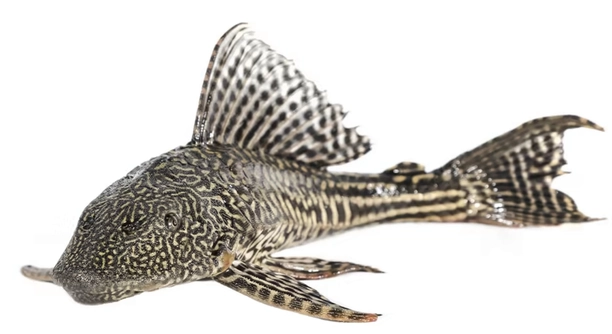
When keeping Plecos in an aquarium, it’s essential to ensure they have everything they need to thrive. These freshwater fish have specific requirements that, when met, help them grow and stay healthy in their environment.
Plecos need a well-maintained tank with plenty of hiding spots, proper water temperature, good filtration, a balanced diet, sufficient space, and access to natural algae. Ensuring these factors will help your Plecos live a long, healthy life.
By understanding these needs, you can ensure your Plecos have the best environment possible.
Proper Tank Size and Space
When it comes to Plecos, tank size is crucial. These fish can grow large, so they require ample space to swim and explore. A tank of at least 75 gallons is ideal for adult Plecos. Providing enough space allows them to feel comfortable and reduces stress, which is vital for their health. If the tank is too small, Plecos may become cramped, which can lead to stunted growth and a weakened immune system. In addition to horizontal swimming space, the tank should be tall enough to accommodate Plecos that enjoy climbing and seeking refuge in elevated spots.
A larger tank allows better water quality management, which is important for your Plecos’ well-being. Maintaining an appropriate tank size reduces the risk of aggressive behavior, which can sometimes occur when these fish feel overcrowded.
Plecos are naturally active, so they need both room to swim and areas to hide. Rocks, caves, and driftwood are excellent choices to provide shelter. These hiding spots also help them feel secure, reducing stress. Adequate space and hiding spots help create a healthy, thriving environment for your Plecos.
Water Temperature and Quality
Water quality is a significant factor in your Plecos’ health. Keep the water temperature between 74°F and 80°F to mimic their natural habitat. Regular water changes help maintain water quality, which is vital for their well-being.
Regular filtration and water monitoring prevent harmful toxins from accumulating in the tank. A stable environment ensures the Plecos stay healthy and stress-free.
Proper Filtration
Good filtration is essential for keeping water clean and oxygenated. A strong filter helps remove waste and excess food particles, preventing harmful build-ups that could affect your Plecos’ health. Aim for a filter that cycles the water at least 4-5 times per hour.
Plecos are bottom dwellers and tend to produce a lot of waste. Without proper filtration, the water quality can quickly degrade, leading to poor health. A high-quality filter helps maintain stable conditions, ensuring the tank remains suitable for Plecos to thrive. Be sure to clean the filter regularly to keep it working efficiently.
Avoid filters that create strong currents, as Plecos prefer calm waters. A sponge filter is a good option, as it will filter water gently while still providing essential aeration. This allows your Plecos to swim comfortably and reduces stress caused by strong currents.
Balanced Diet
A varied diet is key to keeping your Plecos healthy. These fish are primarily herbivores, but they will also enjoy some protein-based foods. Algae wafers and fresh vegetables, such as zucchini or cucumber, should make up the bulk of their diet.
To maintain good health, supplement their diet with occasional protein sources like frozen shrimp or worms. Plecos also graze on algae, so keeping some algae growth in the tank is beneficial for their diet. You can also add some driftwood to the tank, which helps them digest their food better and supports their natural feeding behavior.
Feeding Plecos properly prevents malnutrition and helps them grow strong. Overfeeding can lead to obesity and water pollution. Ensure to feed them in moderation, offering just enough to prevent waste buildup in the tank. Keep their diet diverse to mimic their natural environment.
Hiding Spots and Shelter
Plecos need plenty of hiding spots to feel secure. Driftwood, caves, and rocks are ideal for creating these spaces. Without them, your Plecos might feel stressed or exposed, which can affect their health.
These hiding areas also mimic their natural environment, where they seek refuge. Adding multiple hiding spots throughout the tank is crucial to avoid overcrowding in one area, allowing them to move freely and feel safe.
Tankmates
When choosing tankmates for your Plecos, consider their peaceful nature. Avoid aggressive fish that might harass them. Good companions include other calm fish like tetras or livebearers.
Plecos can live with most non-aggressive species. Just make sure their tankmates are not too large, as they may intimidate or outcompete the Plecos for food and space. Always monitor interactions to ensure no conflicts arise.
Tank Maintenance
Regular tank maintenance is essential for Plecos to thrive. Perform water changes at least once a week to keep the water clean and free of harmful substances. Remove uneaten food to avoid water pollution.
Check the filter, clean decorations, and test water parameters regularly. Proper maintenance helps prevent diseases and promotes a stable, healthy environment for your Plecos.
FAQ
What size tank does a Pleco need?
A Pleco requires a tank of at least 75 gallons once it reaches adulthood. While they are small when young, they grow rapidly and need space to swim and thrive. A larger tank also helps maintain water quality, reducing stress and promoting healthy growth. If the tank is too small, Plecos can become stunted, affecting their overall health. Providing them with adequate space ensures they live comfortably and happily.
Can Plecos live with other fish?
Yes, Plecos are generally peaceful and can live with many other species, but they do best with non-aggressive tankmates. Small fish like tetras, guppies, or livebearers are ideal companions. Larger, aggressive fish should be avoided, as they may intimidate the Pleco or compete for food. Plecos can also become territorial, so it’s important to provide plenty of hiding spots and space to reduce potential conflicts. Always monitor interactions, especially in the first few weeks.
Do Plecos need to eat algae?
Plecos are known to graze on algae, but they also require a varied diet to stay healthy. While algae wafers can supplement their diet, they should not be their primary food source. Fresh vegetables like zucchini and cucumber, as well as occasional protein sources such as frozen shrimp or bloodworms, help provide balanced nutrition. Keeping some algae growth in the tank is beneficial, but don’t rely solely on it to feed your Pleco.
How often should I feed my Pleco?
Plecos should be fed once or twice a day, offering enough food for them to consume in about 5 minutes. Overfeeding can lead to water quality issues, so it’s important to feed them in moderation. Remove any uneaten food after feeding to prevent it from decomposing and polluting the tank. Supplement their diet with a variety of foods to ensure they get all the nutrients they need for optimal health.
What temperature should the water be for a Pleco?
The water temperature for Plecos should be kept between 74°F and 80°F (23°C to 27°C). This range closely mirrors their natural habitat in warm, tropical waters. A stable water temperature helps prevent stress and promotes healthy digestion and growth. Be sure to monitor the water temperature regularly, especially if you live in an area with fluctuating temperatures. A reliable heater can help maintain the right conditions in the tank.
Do Plecos need a filter?
Yes, Plecos require a filter to keep the water clean and oxygenated. They produce a significant amount of waste, and a filter helps remove debris and toxins, maintaining water quality. A filter that cycles the water at least 4-5 times per hour is ideal. However, be sure the filter is not too strong, as Plecos prefer calm water and can get stressed by strong currents. Regular maintenance of the filter is necessary to ensure it continues to function properly.
How can I prevent my Pleco from becoming too stressed?
To prevent stress, ensure your Pleco has plenty of hiding spots and space to swim. Stress often results from overcrowding, poor water conditions, or a lack of refuge. Provide adequate tank mates and avoid aggressive fish that may disturb your Pleco. Consistent water changes and proper filtration help maintain a stable environment. Plecos are sensitive to drastic changes, so make sure the water parameters stay consistent to avoid causing unnecessary stress.
Can Plecos live without decorations?
Plecos should not be kept in a bare tank. They need hiding spots, such as caves, driftwood, and rocks, to feel secure. These hiding spots mimic their natural environment, where they often seek refuge. Without decorations, Plecos can become stressed, which affects their health. In addition to providing shelter, decorations can help replicate the Pleco’s natural habitat, promoting a more comfortable living space.
What is the lifespan of a Pleco?
Plecos can live for 10 to 15 years if properly cared for. Their lifespan depends on factors such as tank size, water quality, diet, and overall care. By ensuring that their environment is suitable and meeting their needs, you can help them reach their full potential. Regular maintenance and monitoring of their health will contribute to a long, healthy life for your Pleco.
How do I know if my Pleco is healthy?
A healthy Pleco will have smooth, intact fins and a robust, active demeanor. They should be eating well and grazing on algae or other foods in the tank. Keep an eye out for signs of illness, such as changes in behavior, loss of appetite, or damaged fins. Unexplained weight loss, discoloration, or unusual swimming patterns may indicate a problem. Regular water changes, proper diet, and stress reduction help keep your Pleco in good health.
Do Plecos need light?
While Plecos don’t require intense light, they do benefit from a normal light cycle to simulate natural day and night rhythms. A consistent day-night cycle helps regulate their internal clock. Bright lighting can stress them out, so keep the tank lit for 8-12 hours a day, and avoid direct sunlight, which can cause algae overgrowth and temperature fluctuations. Low lighting or subdued tank lighting is ideal for Plecos, especially during the night when they are more active.
Why is my Pleco hiding so much?
Hiding is normal behavior for Plecos, especially during the day, as they are nocturnal creatures. They may also hide when they are stressed or feeling unwell. If your Pleco is constantly hiding and not eating, it could be a sign of illness or poor water conditions. Ensure the tank is large enough, with plenty of hiding spots, and check water parameters regularly. If the hiding continues, observe their behavior carefully and consult a veterinarian if necessary.
Final Thoughts
Plecos are fascinating and hardy fish, making them a great addition to many aquariums. Their unique behavior and helpful role in keeping the tank clean make them a favorite among aquarium owners. However, despite their relatively low-maintenance nature, they do require specific care to thrive. Providing the right environment, food, and tankmates is key to keeping them healthy and happy. Proper tank size, good water quality, and ample hiding spots are essential for their well-being. Without these, Plecos may become stressed, which can affect their health and lifespan.
It is important to remember that Plecos grow large over time. What starts as a small fish will soon need more space to move around. A 75-gallon tank is ideal for an adult Pleco, but many owners start with smaller tanks, unaware of how quickly these fish grow. Inadequate space can lead to stunted growth and stress. Also, while they help with algae control, they need a varied diet, so don’t rely solely on algae in the tank to feed them. A balanced diet that includes vegetables and protein will keep them healthy in the long run.
Lastly, regular maintenance is a must. Plecos contribute to the bio-load of the tank, and their waste can quickly build up if not managed properly. Consistent water changes, filter maintenance, and the removal of uneaten food help maintain a healthy tank environment. With the right care and attention, Plecos can live a long, happy life and be a beautiful addition to your aquarium. Their peaceful nature and helpful habits will make them a favorite in your tank for years to come.

Hello,
If you enjoy the content that we create, please consider saying a "Thank You!" by leaving a tip.
Every little bit helps us continue crafting quality advice that supports the health, happiness, and well-being of pets around the world, for pets of all shapes, sizes, and species.
We really appreciate the kindness and support that you show us!